1. Current Status of Traditional Electric Meters
Traditional smart meters generally use standard transformer connections or direct wiring methods, with RS485 communication as the communication method, and additional functions are relatively limited. When faced with increasingly complex on-site application scenarios, they often struggle to meet demands.
1. For renovation projects, it is impossible to install without power interruption.
2. The single communication method, especially in cases where the on-site points are particularly dispersed, significantly increases the overall cost when adding communication gateways.
3. Limited options for additional functions fail to meet the differentiated needs of different customers, such as switching quantities, temperature measurement, etc.
2. Typical Application Scenarios and Solutions1.Typical Application Scenarios and Solutions — Smart Renovation of Factories/CampusesFor such scenarios, the following solutions can be adopted:Ø Choose standard transformer products (select single-loop or multi-loop solutions based on specific conditions) to achieve installation without power interruption;Ø In localized concentrated situations, use Lora or WIFI solutions to upload data to the platform via edge computing gateways; Ø In cases where instruments are dispersed, a 4G solution can be used, allowing terminals to upload data directly to the platform, reducing networking costs; Ø For complex functional requirements, optional features such as temperature measurement, leakage detection, and alarm monitoring can be selected.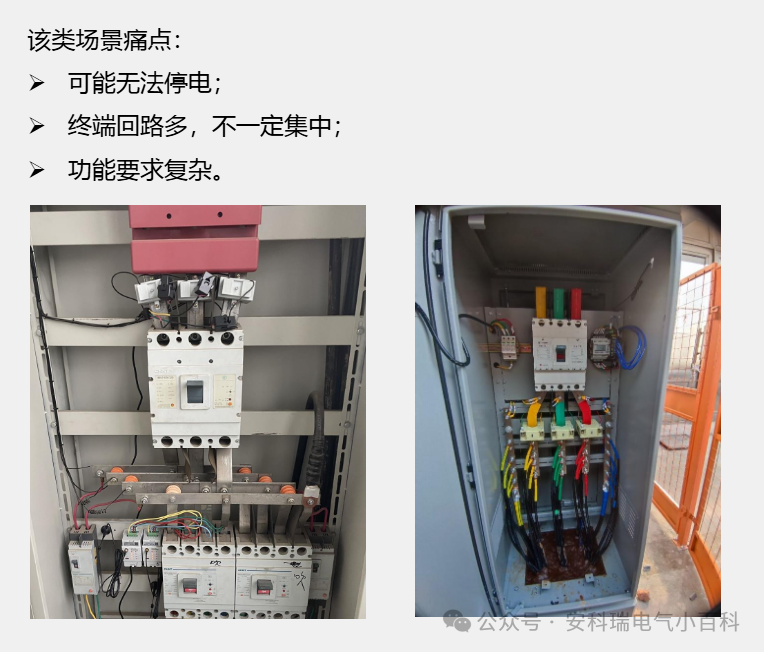 2.Typical Application Scenarios and Solutions — Smart Renovation of Factories/Campuses
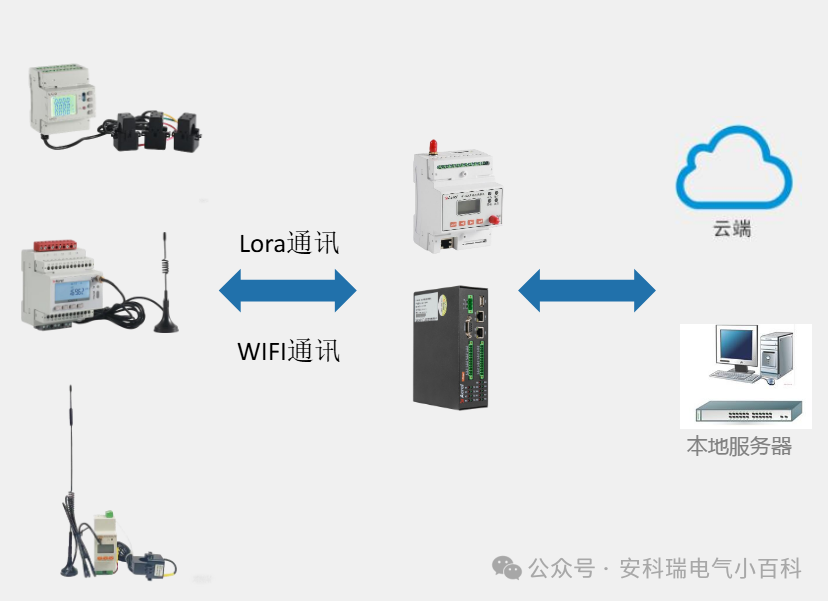
In localized wireless networking scenarios, various IoT instruments transmit data to edge computing gateways via wireless communication, which then uploads the data to the cloud or local servers.
Applicable to factories, campuses, and buildings, especially suitable for renovation projects that require local deployment: it is recommended that Lora communication distance is around 100 meters, and WIFI is around 20 meters; when paired with the Ankerui edge computing gateway, instrument parameters can be uploaded without configuration, and when combined with the Ankerui IoT platform, data can be uploaded to the cloud without configuration.
3. Typical Application Scenarios and Solutions — Smart Renovation of Factories/Campuses
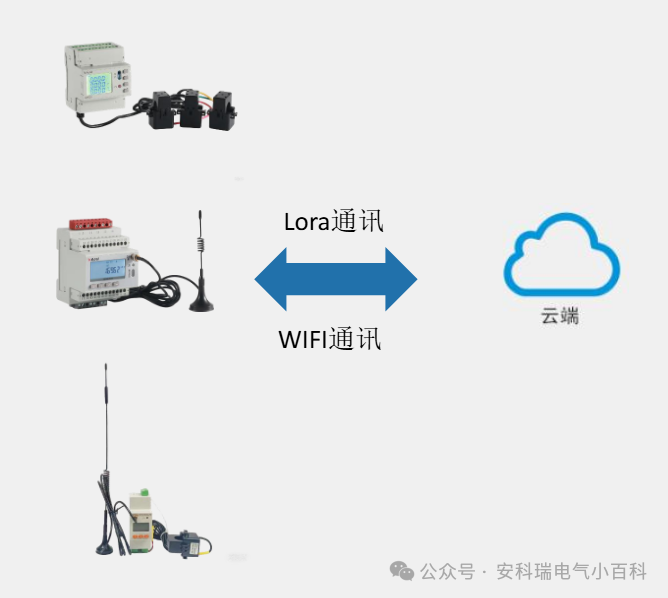
4G direct transmission applications are no longer limited by the distance to gateways or routers, but will incur data fees; WIFI direct transmission can save data costs but is limited by the on-site network conditions.
Ø Suitable for scenarios with dispersed monitoring points;
Ø Provides standard TCP transparent transmission protocol, MQTT upload protocol, and can also support custom upload protocols;
Ø Supports remote configuration and OTA;
Ø Supports 4G full network access, supporting private network cards, directional data cards, etc.;
Ø When paired with the Ankerui IoT platform, data can be uploaded to the cloud without configuration.
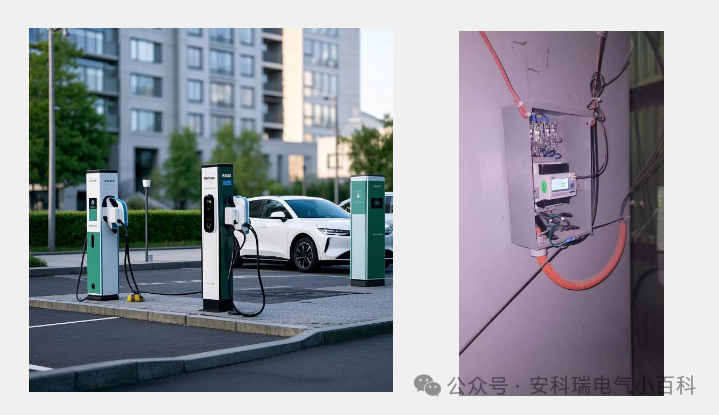
4.Typical Application Scenarios and Solutions — Charging Stations, Industrial and Commercial Energy Storage Measurement and Monitoring
For such scenarios, the ADW300-4G solution can be adopted:
Ø The instrument is only 4P in size, supports standard transformer shipment, and is easy to install;
Ø The instrument has powerful functions, supports bidirectional measurement, and can assist in calculating energy storage revenue;
Ø Has a Class C energy accuracy type approval certificate (CPA);
Ø Can be customized to connect to third-party operation platforms.
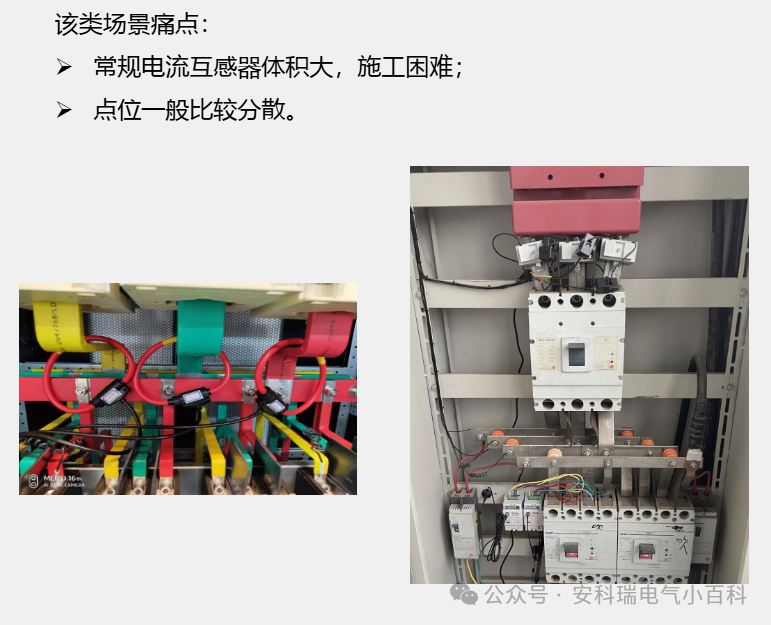
5. Typical Application Scenarios and Solutions — High Current Scene Renovation
For such scenarios, there are two solutions: Ø Choose mA-level transformer specifications to monitor the secondary lines of existing transformers, i.e., the “secondary transformer” solution; Ø Choose specifications connected with Rogowski coils.
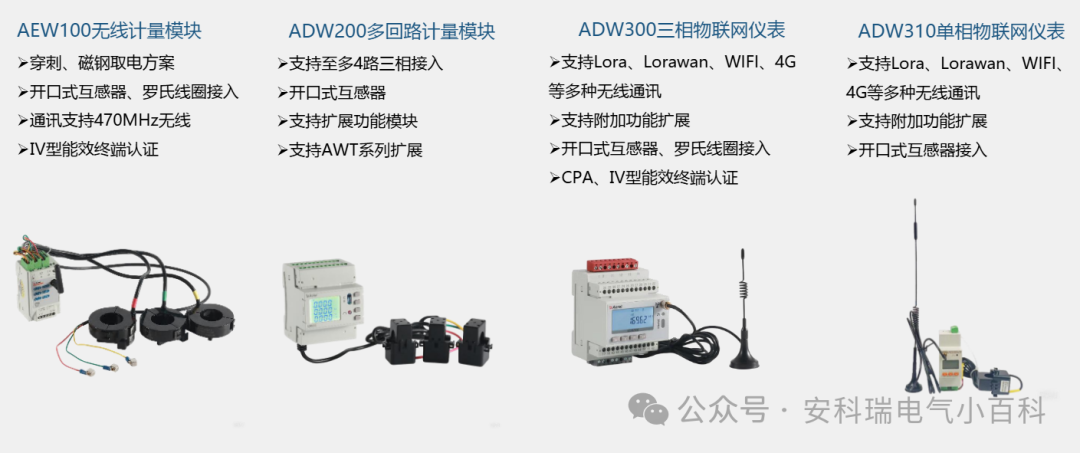
3. Introduction to Ankerui IoT Instruments
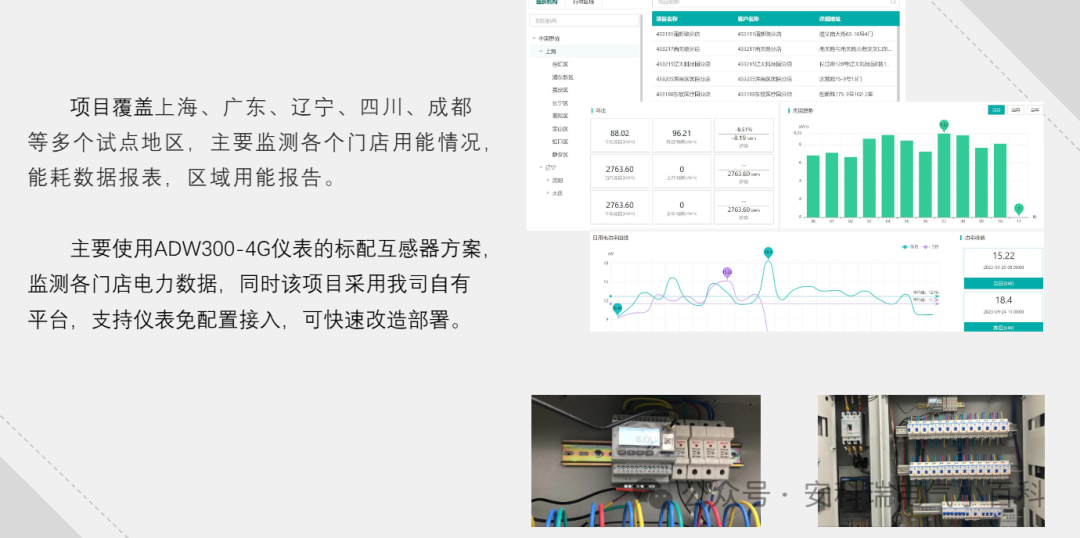
4. Case Study – Lawson China