Click 【Industrial Automation Insights】 to follow us!
This article takes the perception system composed of various sensors as a starting point, detailing the application and functions of sensors in the stacking machine system of a three-dimensional warehouse. Based on the characteristics of various sensors, customized applications have been implemented to achieve functions such as positioning detection, key node monitoring, equipment status monitoring, and material flow statistics, enhancing the accuracy of cargo handling and the real-time monitoring; addressing numerous safety issues such as positioning verification, safety protection, and mechanical collision prevention, ensuring the safe and stable operation of the stacking machine and the system.
Source: Logistics Technology and Applications,Authors: Du Jian, Huang Ting, Chen Lin, Shao Yanfeng
1Introduction
The booming development of the domestic logistics industry has driven the iterative upgrade of intelligent logistics technology, with numerous perception technologies ensuring the stable operation of intelligent logistics, one of the key technologies being sensors. As the primary source of information data collection, the role of sensors in the logistics industry has become increasingly significant, especially in the application of stacking machine systems, making processes such as cargo position identification, overload detection, cargo handling, position detection, precise positioning, dynamic detection, safety detection, real-time communication, and safe interlocking between devices more accurate and efficient.
2Stacking Machine Control System Architecture
The stacking machine is a lifting and transportation mechanical device that moves on tracks between the aisles of a three-dimensional warehouse, capable of performing repetitive movements in a specific sequence in three-dimensional space. The stacking machine stores goods from the inbound platform into designated positions on the shelf according to commands issued by the control system, completing the inbound operation; or it transports goods from designated positions on the shelf to the outbound platform, completing the outbound operation.
The stacking machine control system is the brain that drives the mechanical body to move, centered around a programmable logic controller (PLC). It includes a drive system composed of walking, lifting, and fork drivers, as well as actuators made up of supporting motors, a signal acquisition system composed of various sensors and encoders, a bus communication transmission system, an Ethernet communication system composed of optical communication, switches, and other network devices, and a human-machine interaction system composed of PCs and touch screens.
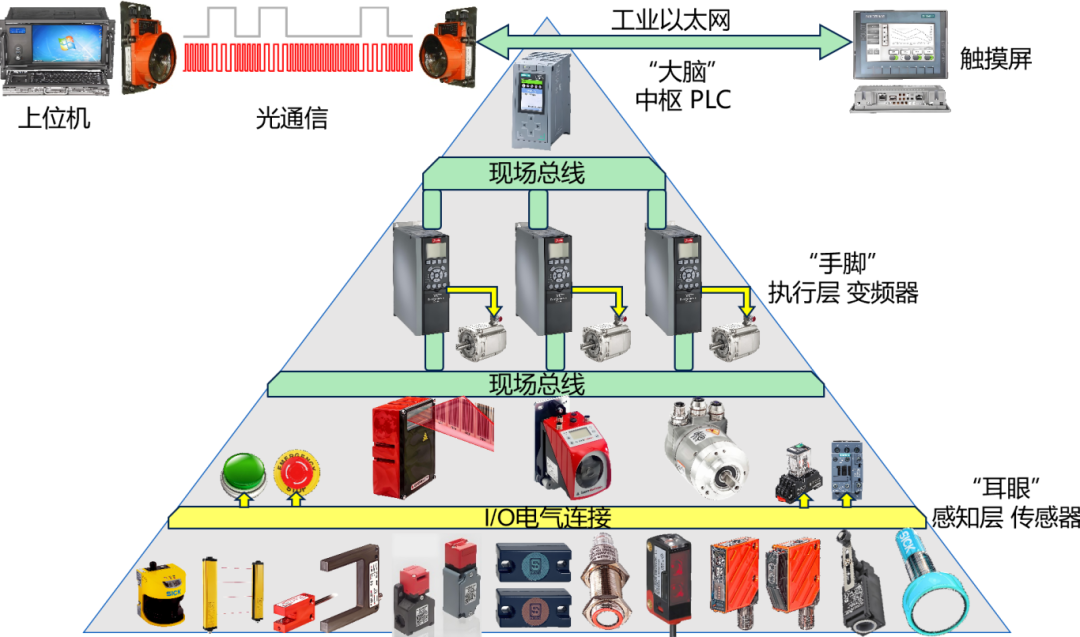
Figure 1 Stacking Machine Control System Architecture
Figure 1 shows the stacking machine control system architecture centered around the PLC, where the perception layer composed of numerous sensors is the foundation of the pyramid, akin to the eyes and ears of the stacking machine, helping it to “see in all directions, hear in all directions, discern sounds and positions, and understand by analogy.”
3Application of Sensors in Stacking Machine Systems
The sensors used in the stacking machine system mainly include photoelectric sensors (diffuse reflection photoelectric, through-beam photoelectric, mirror reflection photoelectric, U-shaped detection photoelectric sensors), proximity switches, ultrasonic sensors, laser range finders, barcode range finders, absolute encoders, incremental encoders, area protection scanners, magnetic switches, limit switches, tension sensors, safety door locks, and pull cord switches, among others. Different types of sensors play different roles in the stacking machine control system based on their respective characteristics.
1. Diffuse Reflection Photoelectric Sensor
Figure 2 shows the application of cargo detection and fork protection switches in the stacking machine. The diffuse reflection photoelectric sensor is installed on both sides of the stacking machine’s cargo platform to detect the occupancy status of cargo positions on both sides of the shelf, which is cargo detection; the fork protection consists of two sets of switches, used to detect the edge of the crossbeam. When both sets of switches are triggered simultaneously, it indicates a normal state, allowing the fork to extend normally and protecting the fork and the shelf crossbeam safely.
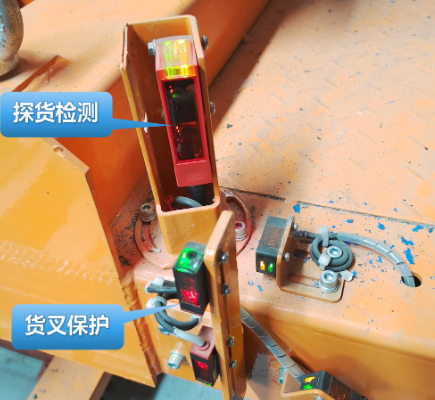
Figure 2 Application of Cargo Detection and Fork Protection Photoelectric Sensors in the Stacking Machine
Double-extension stacking machines often use diffuse reflection photoelectric sensors with analog signals to determine the distance between the pallet and the fork, allowing for more precise detection of the status of storage positions at the far end of the shelf. After the upper-level system sends an inbound command, the stacking machine can use the left and right cargo detection switches to determine whether there is cargo at the target position, preventing the fork from malfunctioning and damaging the fork, shelf, or cargo, thus avoiding safety accidents and preventing issues before they arise.
2. Through-beam and Mirror Reflection Photoelectric Sensors
Figure 3 shows the cargo detection and size overload detection composed of through-beam switches, generally installed on the aluminum profile of the stacking machine’s cargo platform. Size overload detection can prevent the risk of collision when the cargo exceeds the safe area of the cargo platform during the stacking machine’s operation; cargo detection prevents collision risks caused by picking up cargo.
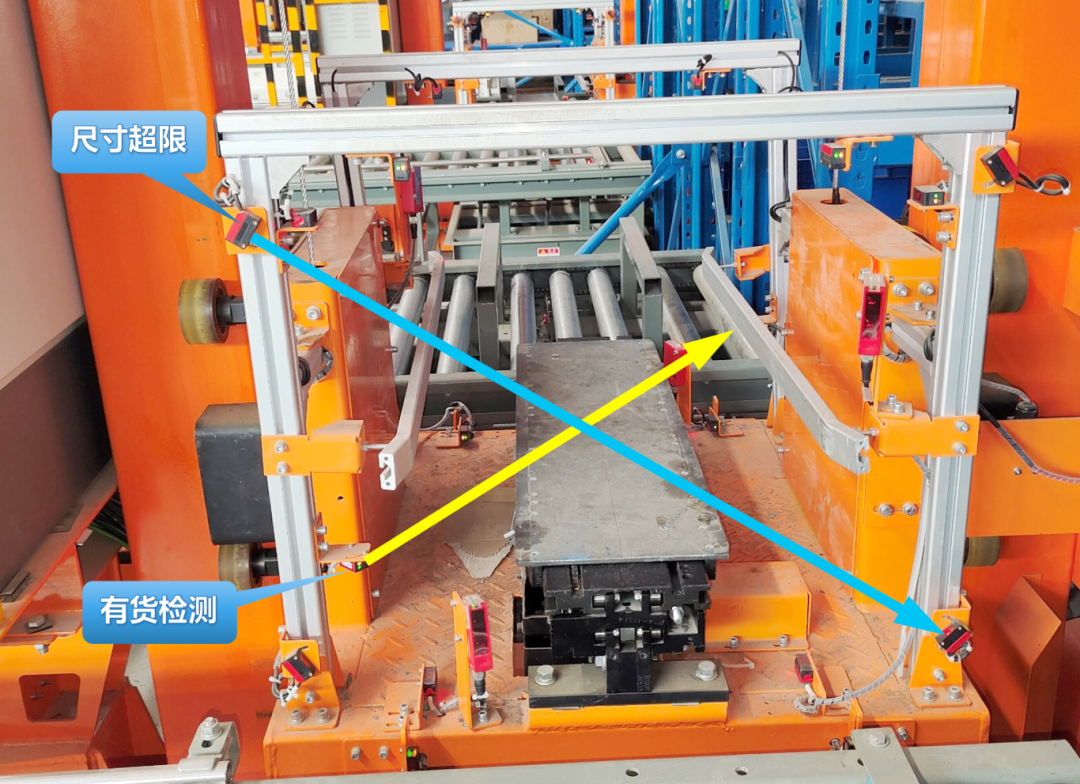
Figure 3 Size Overload Detection and Cargo Detection Composed of Through-beam Switches
Mirror reflection switches are widely used for positioning verification in the layer and row directions, ensuring the safety of fork movements and avoiding collision risks caused by positioning errors, enhancing positioning fault tolerance, and ensuring the safety of cargo and equipment.
3. Proximity Switches
Figure 4 shows the application of proximity switches in the stacking machine, usually installed on both sides and the center of the stacking machine’s fork, which can be used for detecting the mid, left, and right end positions of the fork, as well as for positioning verification.
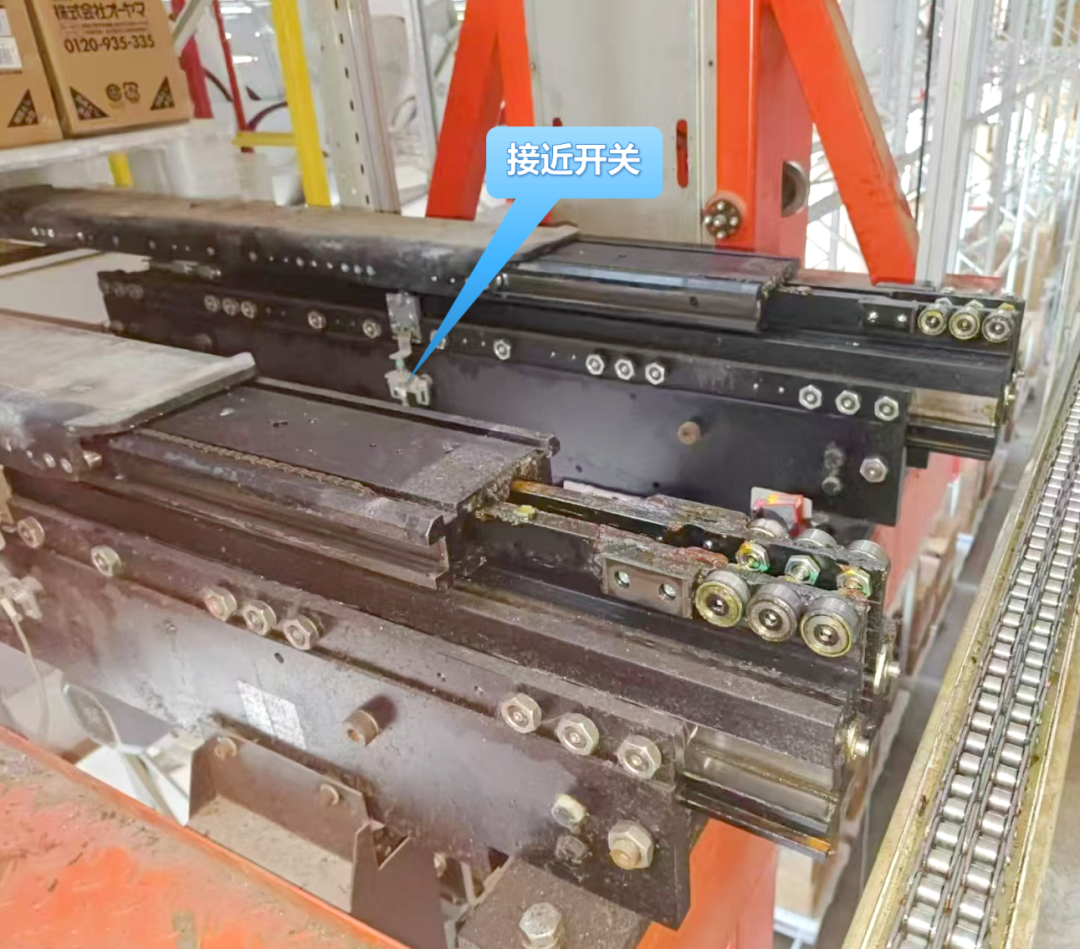
Figure 4 Application of Proximity Switches in the Stacking Machine
Currently, the application of stacking machines is becoming increasingly widespread, making safety production particularly important. The current mainstream application relies on absolute encoders for fork positioning, with proximity switches used for position verification, providing double safety confirmation to ensure the safe operation of the stacking machine.
4. Magnetic Switches or U-shaped Detection Photoelectric Sensors
Figure 5 shows the application of magnetic switches in the stacking machine, generally set at the front and rear of the aisle or at the ends of the lift, used as forced deceleration detection switches.
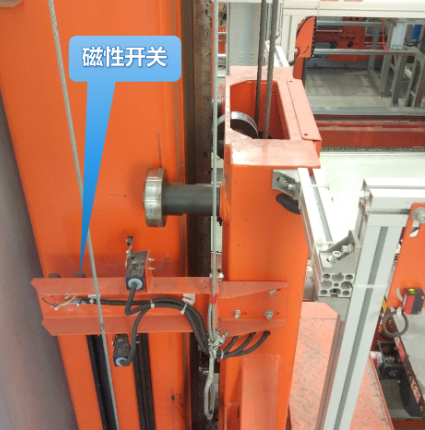
Figure 5 Application of Magnetic Switches in the Stacking Machine
Although U-shaped detection photoelectric sensors and magnetic switches operate on different principles, both can serve as forced deceleration switches when the stacking machine reaches the end. Two levels of deceleration switches are set at the front and rear or at the lift, and when the stacking machine reaches the position of the magnetic switch magnet or U-shaped switch detection piece, the PLC commands the stacking machine to forcibly reduce speed, lowering kinetic energy to prevent the stacking machine from stalling at both ends, ensuring safe operation.
5. Laser Range Finders and Barcode Range Finders
Figure 6 shows the application of laser range finders in the stacking machine, usually installed on the body of the stacking machine, following its movement to detect the position in the direction of travel and lifting, serving as the “eyes” of the stacking machine, transmitting real-time position information to the control system via bus communication to achieve precise positioning.
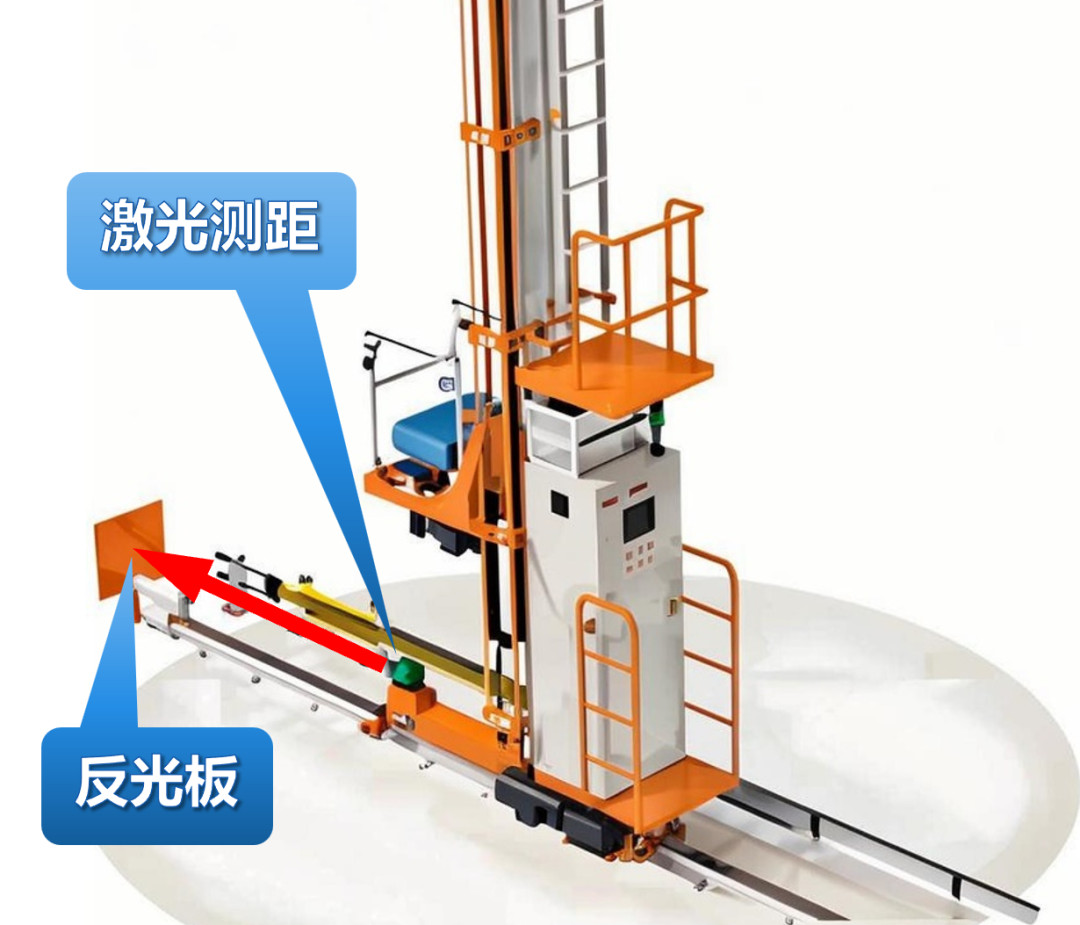
Figure 6 Application of Laser Range Finders in the Stacking Machine
Unlike laser range finders, which use reflective plates to achieve distance measurement, barcode range finders require barcode paper for distance measurement. In cases where the aisle distance is relatively long, due to installation errors of the track and ground level, the laser point may easily deviate from the reflective plate, resulting in a loss of position. Therefore, it is recommended to use barcode range finders in longer aisles to avoid these issues.
Additionally, when configuring two or more stacking machines in one aisle, it is recommended to use barcode range finders for the direction of travel, allowing multiple stacking machines to establish the same coordinate system, facilitating the programming of obstacle avoidance procedures in the electric control system.
6. Absolute Encoders
Figure 7 shows the application of absolute encoders in the stacking machine, generally installed at the output end of the motor reducer shaft of the fork motor, synchronously rotating with the motor’s forward and reverse rotation, reporting the actual position data monitored to the PLC, allowing the control system to determine the left and right end positions for picking and placing cargo based on the current position information.
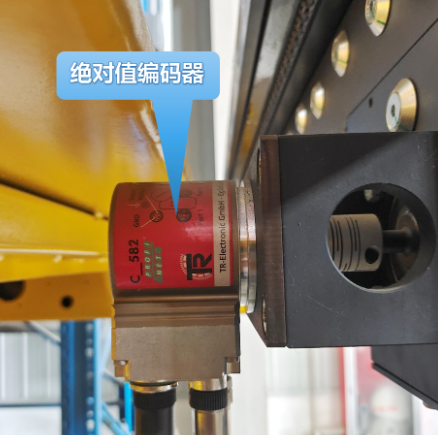
Figure 7 Application of Absolute Encoders in the Stacking Machine
7. Incremental Encoders
Figure 8 shows the application of incremental encoders in the stacking machine, usually installed on the shaft of the walking or lifting motor, used to monitor motor speed, working with frequency converters to complete speed closed-loop vector control. It provides real-time feedback of the current motor speed to the frequency converter, which adjusts the speed in real-time based on the feedback, completing the speed closed-loop control.
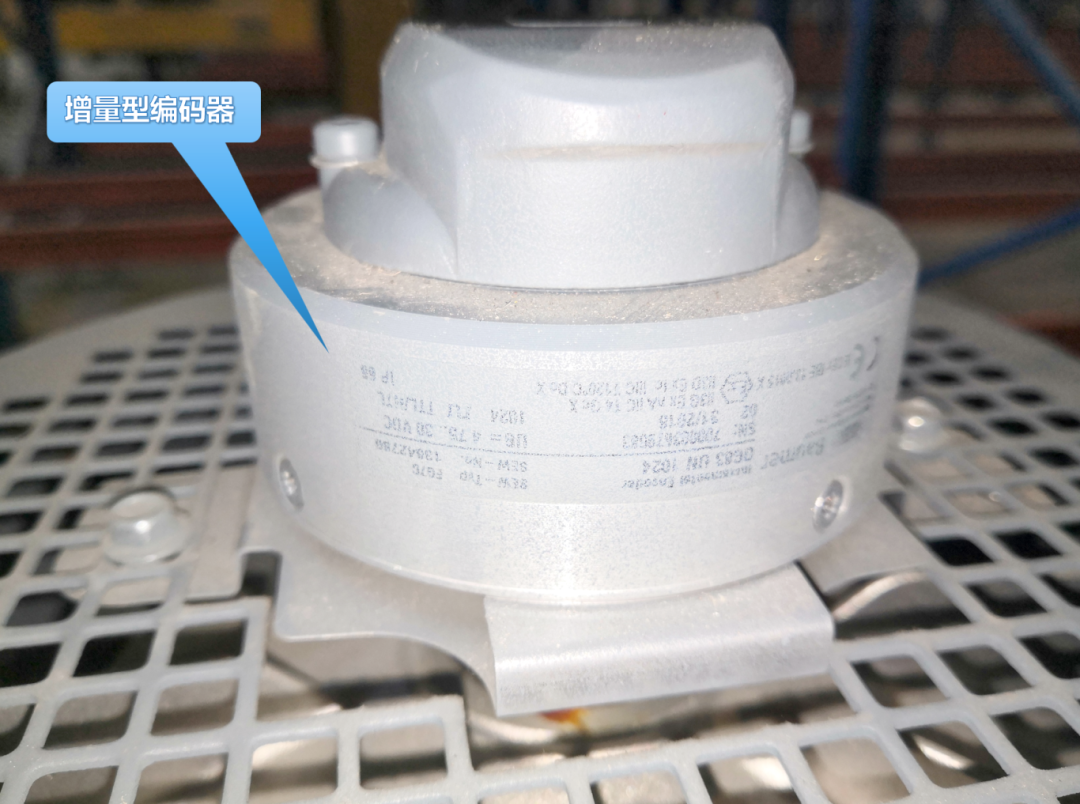
Figure 8 Application of Incremental Encoders in the Stacking Machine
8. Ultrasonic Sensors
Figure 9 shows the application of ultrasonic switches in the stacking machine. When the stacking machine interacts directly with AGVs, ultrasonic sensors are installed on the cargo platform of the stacking machine to detect the loading or unloading actions of the AGV and its position. Once the AGV’s actions are completed and it reaches the designated position, a safety signal is transmitted to the stacking machine, which realizes action interlocking through the signal, ensuring the safe loading and unloading of the stacking machine.
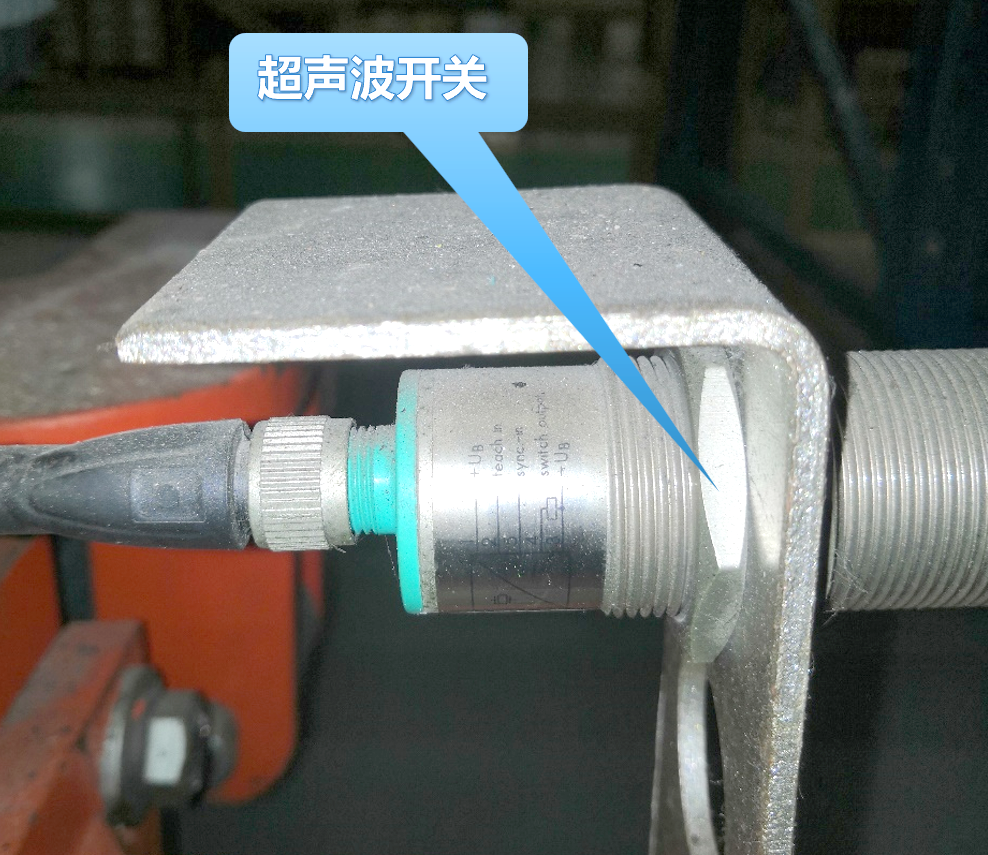
Figure 9 Application of Ultrasonic Switches in the Stacking Machine
When there are two or more stacking machines in one aisle, ultrasonic sensors are usually installed at the front and rear positions of the stacking machine to maintain a safe distance from other stacking machines in real-time. When an abnormal distance is detected, the stacking machine stops immediately, ensuring the safety of operations and equipment.
9. Area Scanners
Figure 10 shows the application of area scanners in the stacking machine. Area scanners are generally used for monitoring cargo drop detection in aisles, detecting obstacles or personnel within the aisle. When an anomaly is detected, the stacking machine stops immediately, protecting personnel, the stacking machine, and cargo safety.
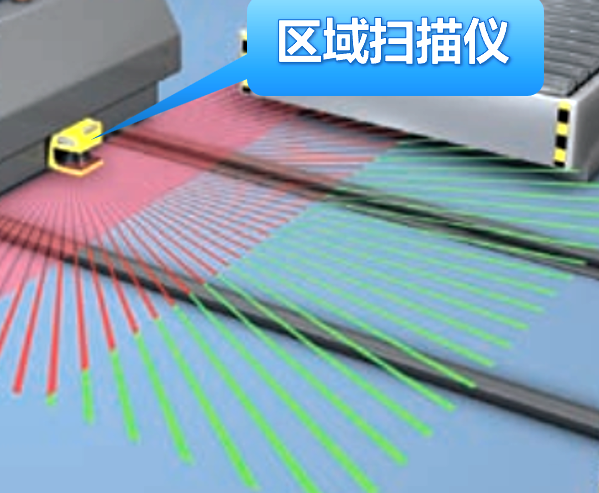
Figure 10 Application of Area Scanners in the Stacking Machine
10. Safety Door Locks
Figure 11 shows the application of safety door locks in the stacking machine. Safety door locks are installed on the safety doors at the entrance of the stacking machine aisle, which are usually in a closed state. When maintenance personnel enter the aisle to repair equipment, the safety door must be opened, triggering the door lock signal to stop the stacking machine’s actions, ensuring the safety of maintenance personnel.
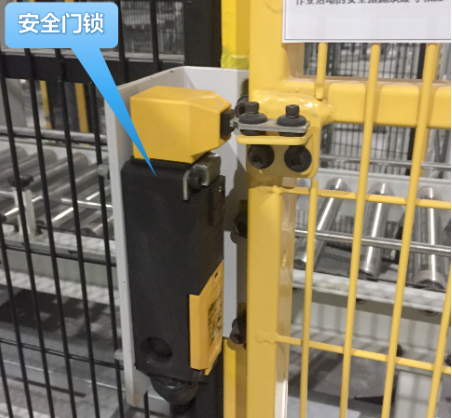
Figure 11 Application of Safety Door Locks in the Stacking Machine
11. Pull Cord Switches
Figure 12 shows the application of pull cord switches in the stacking machine, installed parallel to the track inside the aisle. When personnel enter the stacking machine aisle for maintenance, if the stacking machine starts uncontrollably, pulling the cord switch will transmit a safety signal to the control system, which will control the stacking machine to stop immediately, ensuring personal safety.
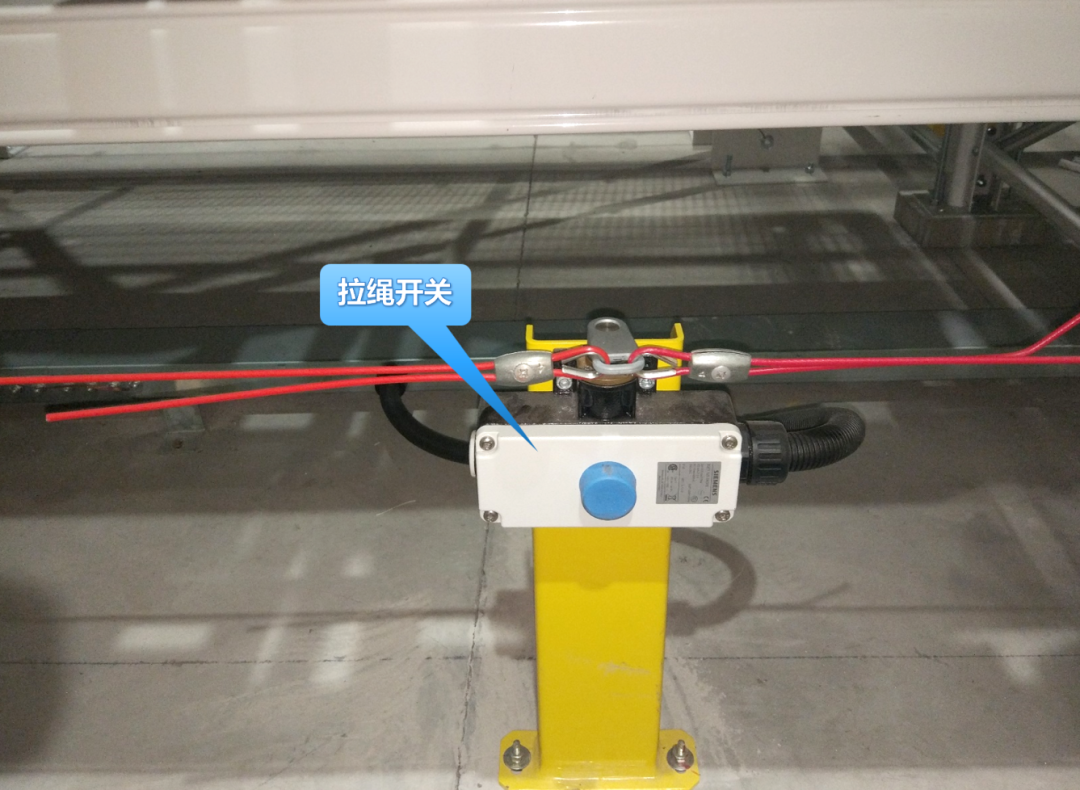
Figure 12 Application of Pull Cord Switches in the Stacking Machine
12. Limit Switches
Figure 13 shows the application of limit switches in the stacking machine, generally used as safety limit devices for the stacking machine’s movement, lifting, and lateral directions, used to detect information about the stacking machine’s position at the terminal ends. Limit switches are connected in series with the control circuit, and when triggered, they cut off power to the driving mechanism, causing the stacking machine to emergency stop, ensuring operational safety and preventing equipment damage.
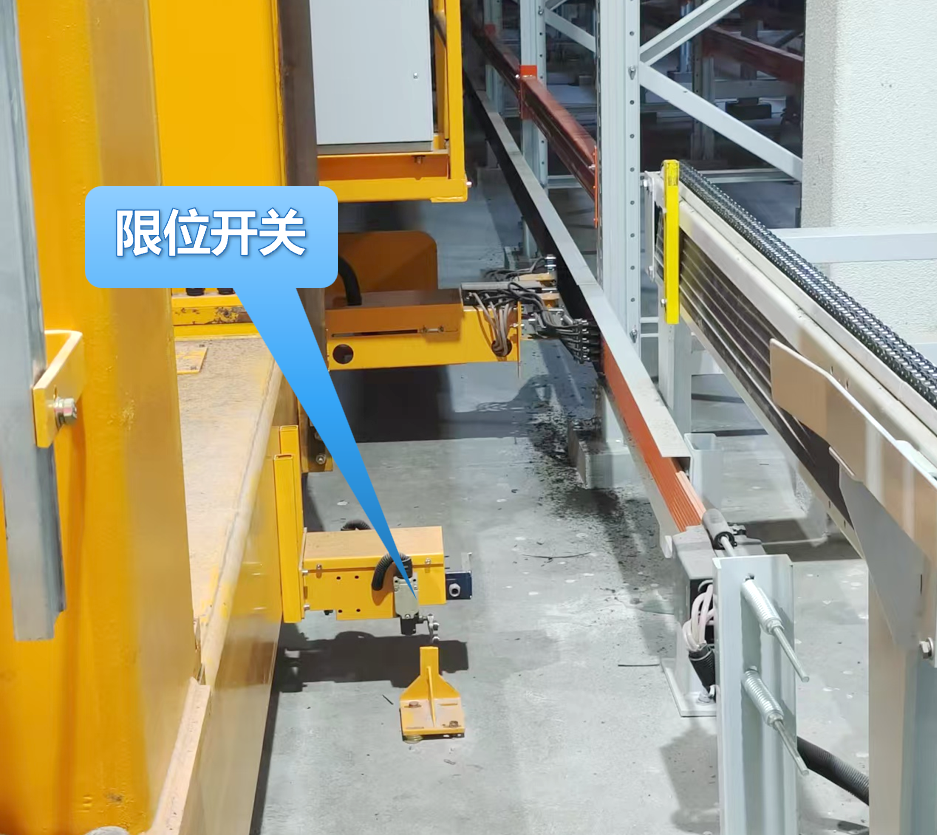
Figure 13 Application of Limit Switches in the Stacking Machine
13. Tension Sensors
Figure 14 shows the application of tension sensors in the stacking machine, which act on the steel wire rope that pulls the stacking machine’s cargo platform, forming an overload device with the accompanying instrument. By displaying the weight on the instrument, it determines the situation of the steel wire rope being loose or overloaded based on preset weight and calibration information, transmitting safety information to the control system, which drives the stacking machine to emergency stop, preventing the steel wire rope from completely detaching from the lifting roller, which could lead to the rope twisting or breaking due to overload.
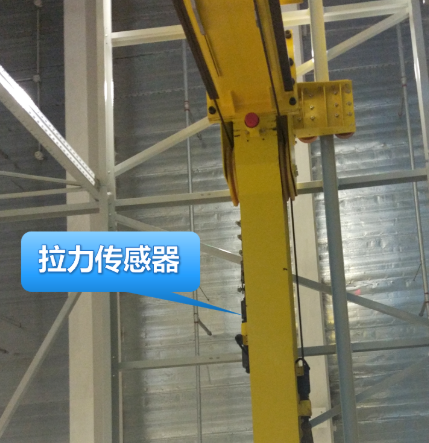
Figure 14 Application of Tension Sensors in the Stacking Machine
4Conclusion
Sensors are an important component of the automation, visualization, and intelligence of three-dimensional warehouse stacking machine systems. Their mature applications in different scenarios provide reliable guarantees and data foundations for the development of modern industry and intelligent logistics. In addition to their application in stacking machine systems, they are also widely used in conveyor systems, sorting systems, shuttles, lifts, AGVs, and other intelligent logistics equipment as well as in other intelligent manufacturing fields.
References:
[1] Lan Chuwen, Gao Zehua (Eds.). Internet of Things Technology and Creativity [M]. Beijing: Beijing University of Posts and Telecommunications Press, 2019.09: 72.
[2] Zhang Jianxiong, Wu Xiaoli, Yang Zhen, et al. Research and Application of Industrial Data Acquisition Technology Based on Industrial Internet of Things [J]. Telecom Science, 2018, 34(10):124-129.
[3] Yang Li, Chen Liushong, Xie Yongchao. Design of Intelligent Warehouse System Based on PLC and Industrial Robots [J]. Automation Technology and Applications, 2021, 40(7):72-75.
[4] Wang Long. Design of Automated Three-Dimensional Storage System Based on PLC Control [J]. Electronic Technology and Software Engineering, 2021(1):116-117.

↓
Long press the QR code to register online