1. Development Software
1. Lichuang EDA: A Domestic Light, A Design Tool Combining Software and Hardware
Lichuang EDA (LCEDA) is a domestic EDA tool focused on circuit schematic and PCB design, offering both online and client versions, friendly to individuals and small to medium enterprises, with the free version meeting most development needs.
Core Highlights:
-
Easy to Get Started: Clear interface, operations conform to the habits of domestic engineers, allowing beginners to quickly get started;
-
Cloud Collaboration: Supports real-time collaboration among multiple users, automatic cloud storage of files, seamless access across devices;
-
Massive Component Library: Rich symbols and packages built-in, linked to the Lichuang Mall, design and procurement in one step;
-
Localized Adaptation: Supports national standards, compatible with domestic chips, more aligned with local needs;
-
Free and Useful: Core functions are completely free for individual users, and the enterprise version offers high cost performance;
-
One-stop Service: From design to production, supports Gerber output, BOM generation, directly connected to prototyping and SMT.
2. Keil 5: The Preferred IDE for ARM Development
Keil MDK 5 is the integrated development environment officially launched by ARM, supporting various Cortex-M series cores, providing full process support for compilation, debugging, and project management, making it a mainstream tool for embedded development.
Core Highlights:
-
Efficient Compilation: Integrated ARM compiler, compact code, performance optimized;
-
Powerful Debugging: Supports hardware and software simulation, real-time viewing of variables and registers, breakpoint debugging without worries;
-
Complete Toolchain: Built-in code editing, compilation, debugging, no additional configuration required;
-
Rich Device Library: Covers mainstream ARM chips, ready to use upon project creation;
-
Middleware Support: Provides RTOS, USB, network protocol stacks, reducing the difficulty of low-level development.
2. Core Functional Modules
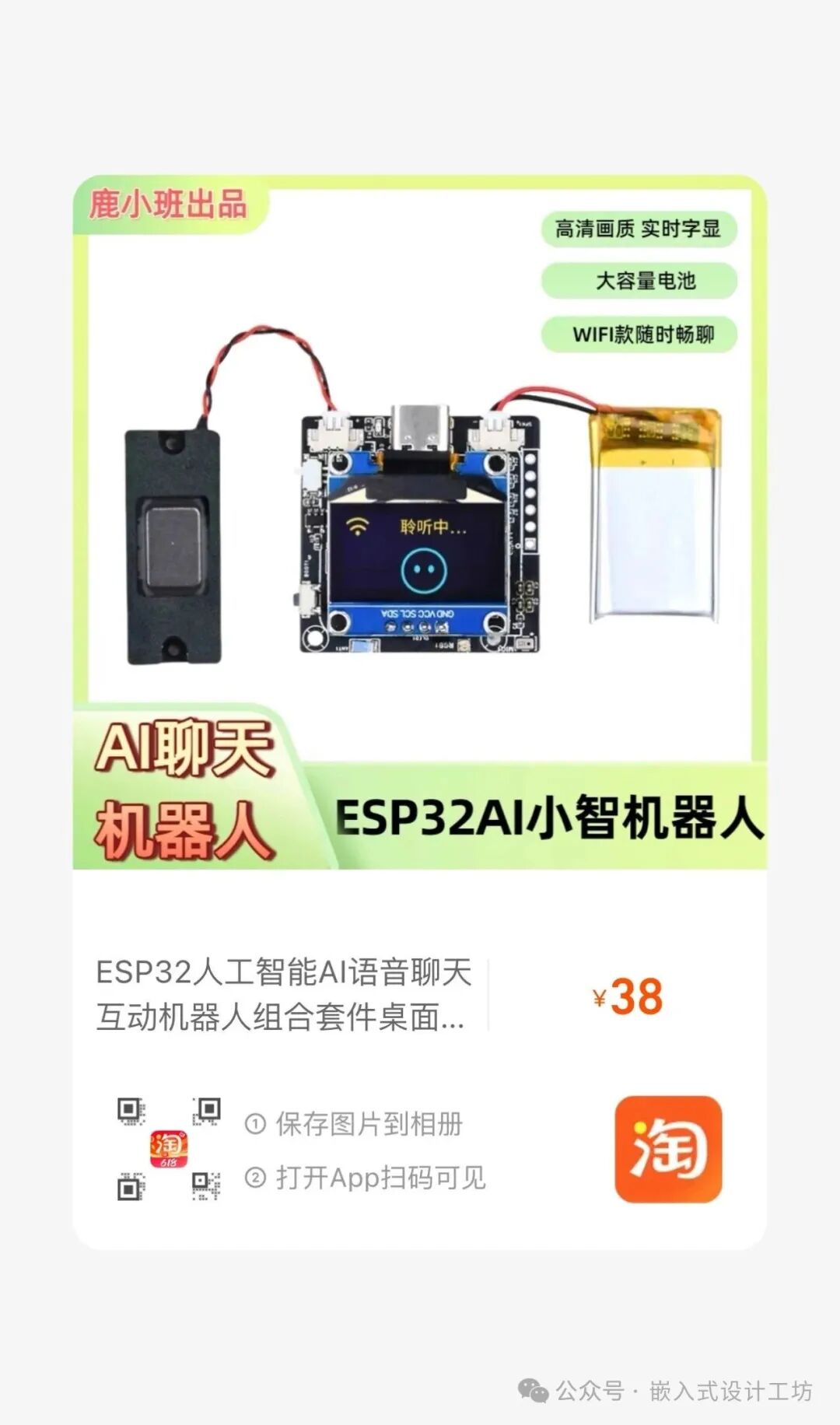
1. Communication Module: ESP32-S3
High Performance, Multi-Connection, AI-Powered IoT Core
ESP32-S3 is a dual-mode chip launched by Espressif, featuring strong processing capabilities and rich peripherals, widely used in IoT devices and smart terminals.
Feature Overview:
-
Dual-core Xtensa LX7 processor, 240MHz clock frequency, supports FPU and SIMD;
-
Supports Wi-Fi 4 and Bluetooth 5.0 LE, communication distance up to 1km;
-
45 GPIOs, supports UART/SPI/I2C/ADC/DAC/LCD/camera, etc.;
-
Low power design, deep sleep current only 5µA, hardware encryption ensures security;
-
Supports Arduino/ESP-IDF/MicroPython/FreeRTOS, mature development ecosystem;
-
Built-in AI accelerator, supports voice recognition, image classification, and other edge computing tasks.
Application Scenarios: Smart home, wearable devices, industrial IoT, consumer electronics, machine vision.
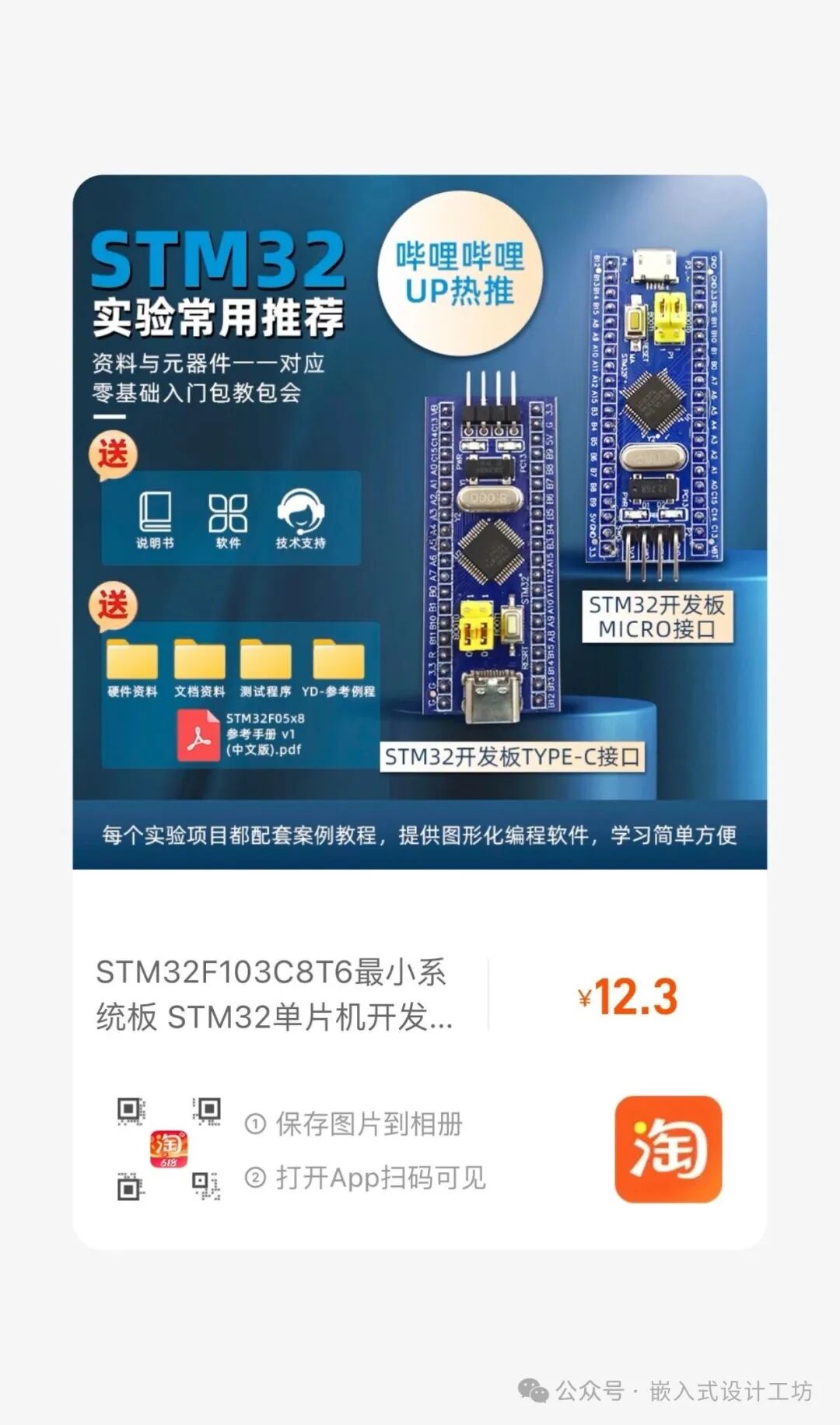
2. Main Control Module: STM32F103C8T6
Cost-Effective King, First Choice for Embedded Entry and Project Development
Based on the Cortex-M3 core, rich in resources and with a mature ecosystem, it is an ideal main control for small to medium projects.
Core Parameters:
| Category | Parameter Details |
|---|---|
| Core and Frequency | ARM Cortex-M3, 72MHz |
| Storage | 64KB Flash + 20KB SRAM |
| Peripherals | 37 GPIOs, 4 timers, 2 I2C, 3 USART, 2 SPI, 1 CAN, 12-bit ADC |
| Package and Power Supply | LQFP48, 2.0-3.6V |
| Operating Temperature | -40°C ~ 85°C |
Development Advantages:
-
Supports Keil/IAR/STM32CubeIDE, rich documentation, and active community;
-
STM32CubeMX graphical configuration, automatic code generation, lowering the threshold;
-
Affordable price, suitable for mass applications;
-
Strong peripheral expandability, can connect screens, sensors, communication modules, etc.
https://example.com/stm32f103-image.png
3. Sensor Module Collection
1. Flame Sensor
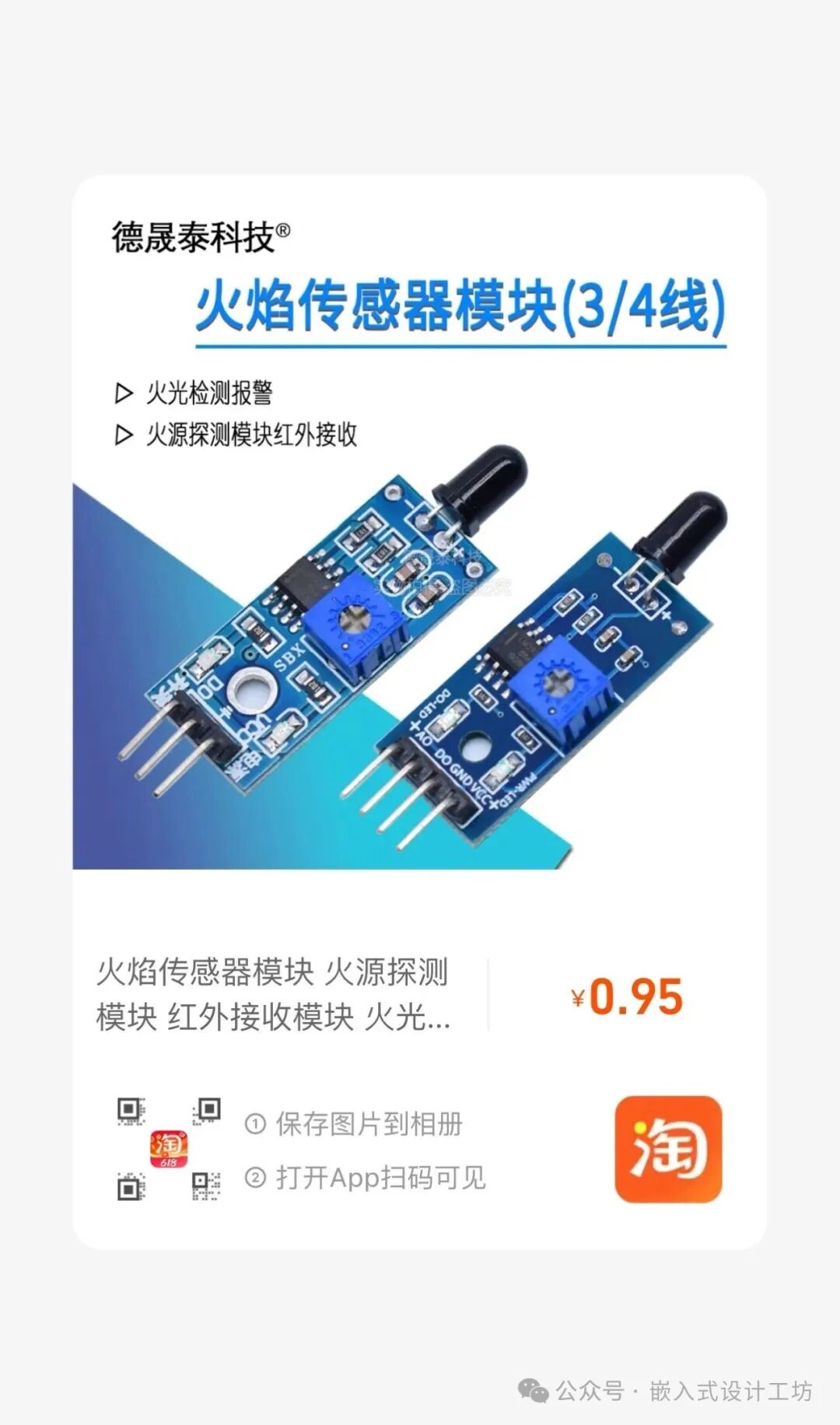
The flame sensor can detect the presence of flames and convert it into an electrical signal, an important component in fire warning and industrial control.
Core Features:
-
Supports infrared and ultraviolet detection principles
-
High sensitivity, response time in milliseconds
-
Analog and digital dual output
-
Strong anti-interference capability, effectively avoiding false alarms
-
Wide temperature operation, suitable for harsh environments
-
Low power design, suitable for battery power supply
Typical Applications: Fire warning systems, industrial combustion control, security monitoring, robotic applications, gas stove safety protection
2. DHT11 Temperature and Humidity Sensor
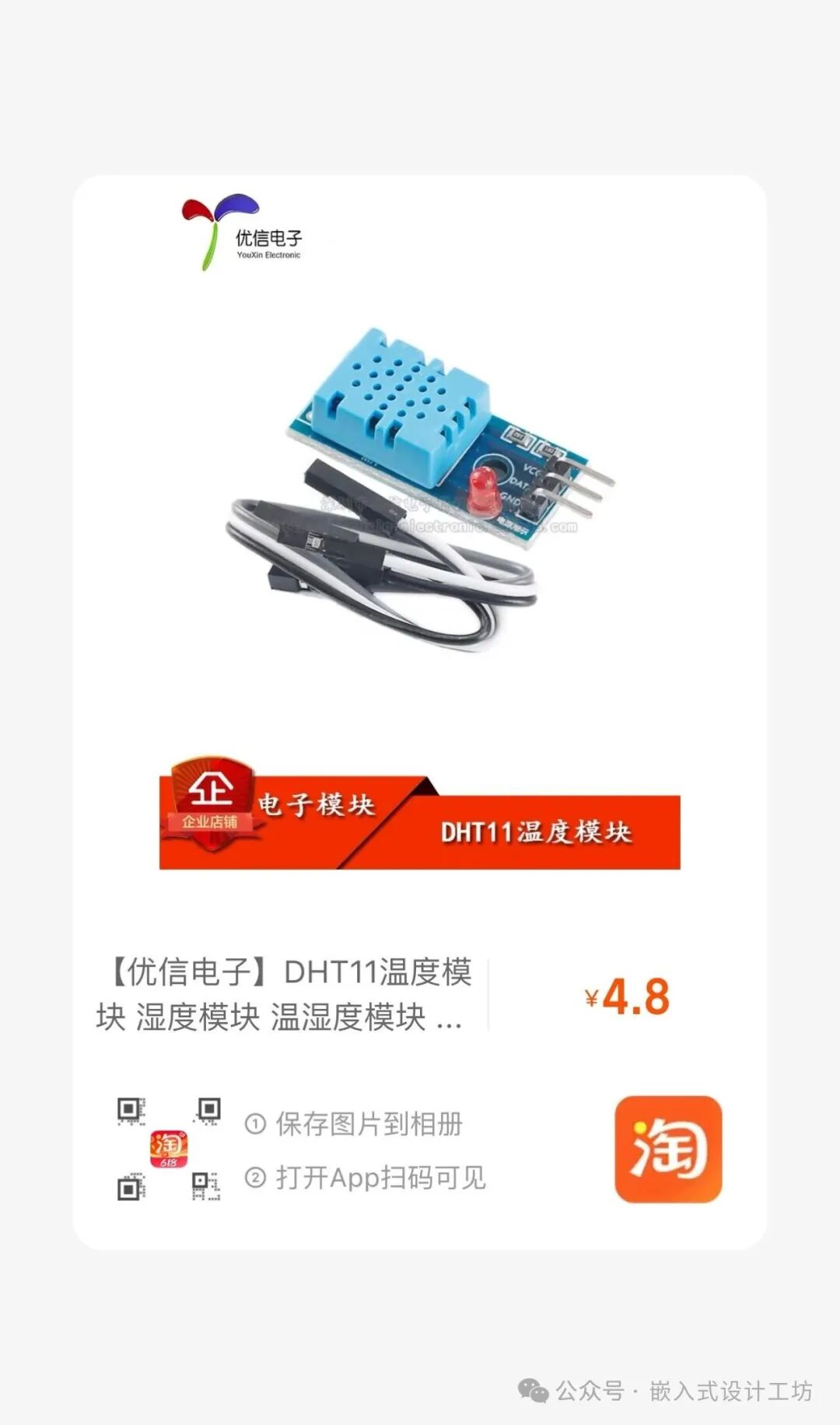
DHT11 is a commonly used integrated temperature and humidity sensor, using single-bus communication, simple and easy to use.
Core Features:
-
Integrated temperature and humidity detection
-
Single-bus data transmission, saving IO resources
-
Low power design, static current only 20μA
-
High stability, strong anti-interference capability
-
Low cost, suitable for civilian projects
-
Easy to develop, quick to get started
Typical Applications: Smart home environmental monitoring, agricultural greenhouse monitoring, warehouse storage management, small weather stations, industrial production environment monitoring
3. Light Dependent Resistor (LDR)
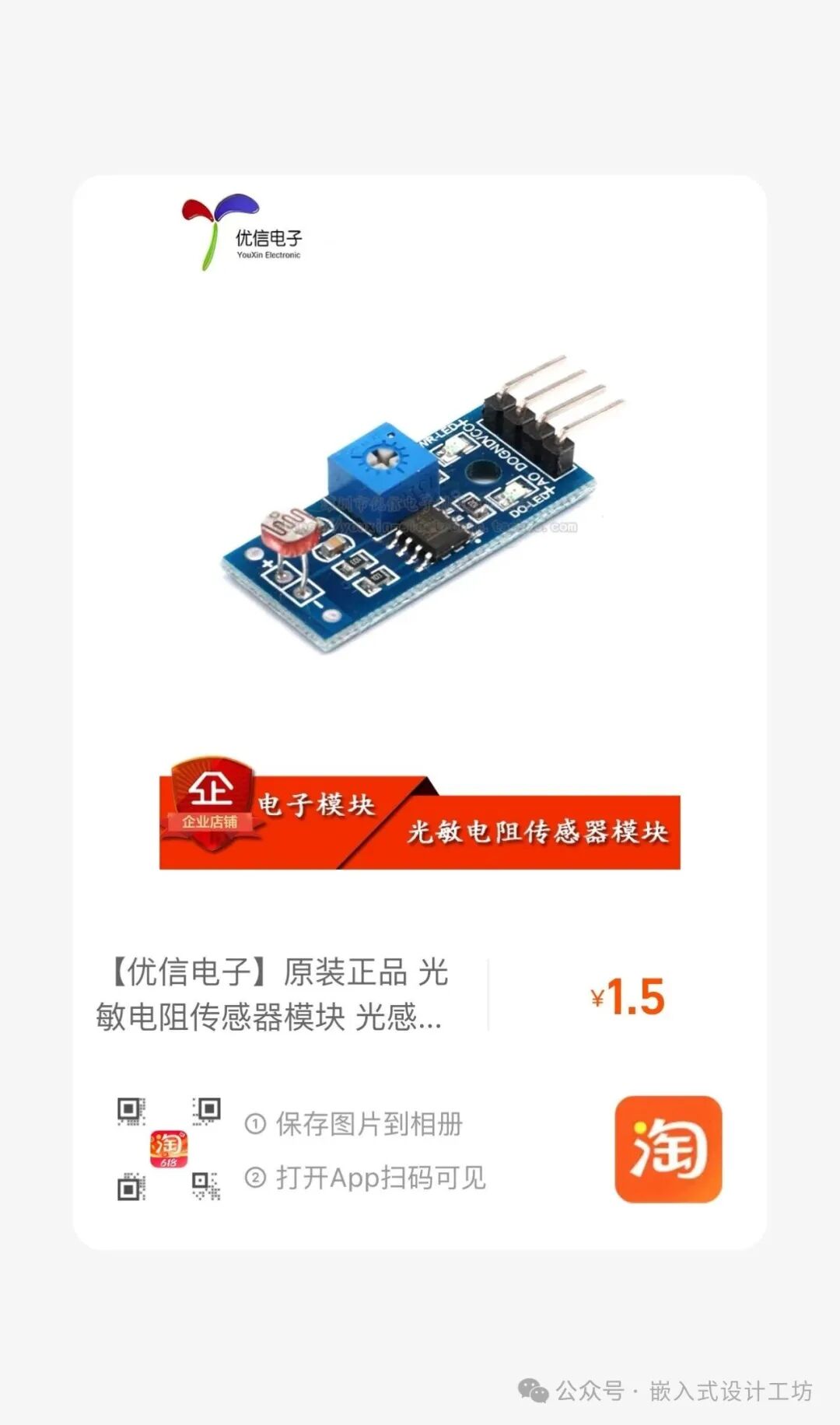
The light-dependent resistor is a photoelectric device based on the photoconductive effect, with resistance value changing according to light intensity.
https://example.com/ldr-image.png
Core Features:
-
Photoconductive effect driven, wide resistance change range
-
Wide spectral response range, compatible with natural and artificial light sources
-
Non-polar, simple structure, easy to use
-
Low cost, easy to obtain
-
Moderate response speed, meets most applications
-
Strong adaptability to working environments
Typical Applications: Light control switch systems, environmental brightness detection, toys and consumer electronics, agricultural and industrial control, security and fire warning
4. Relay Module
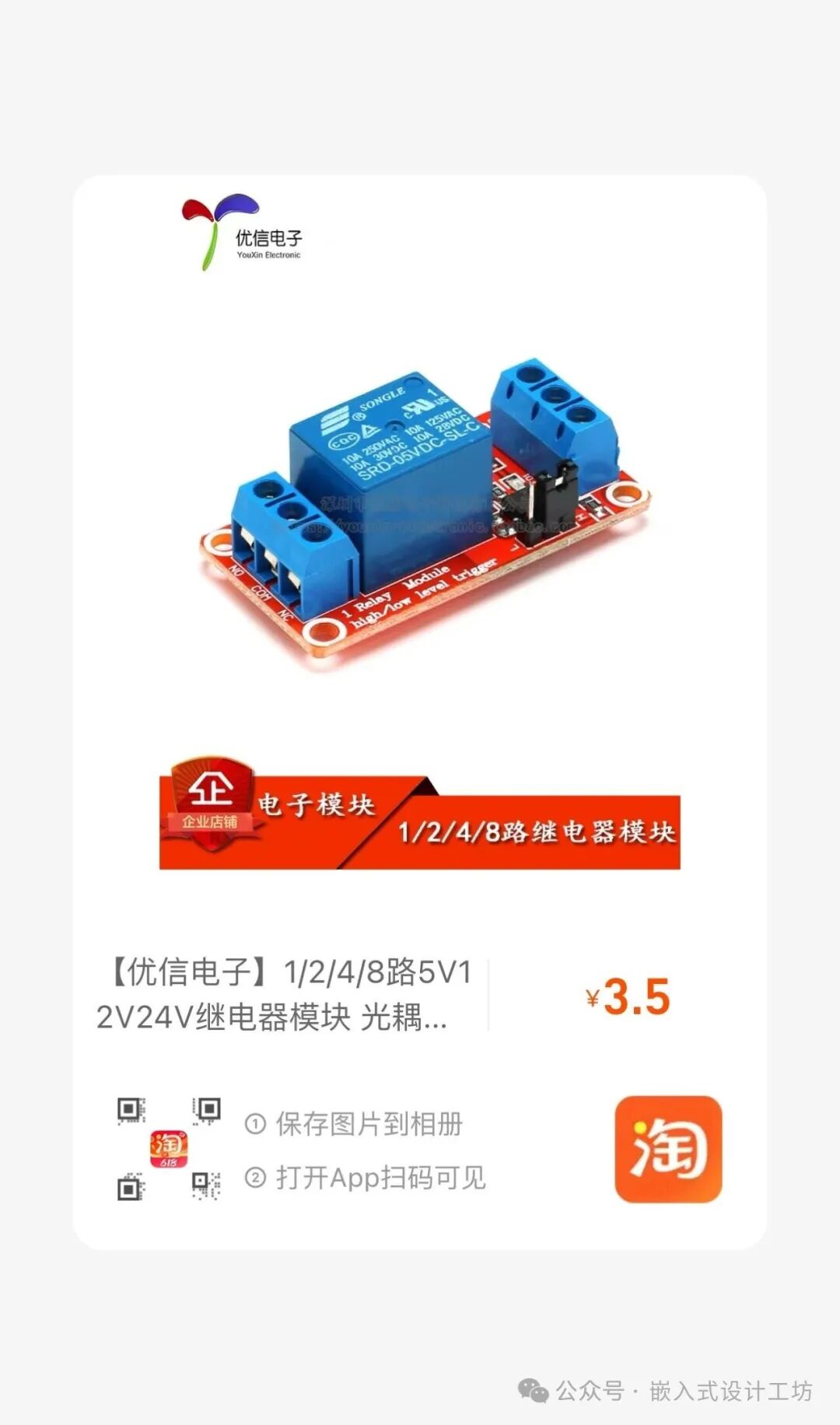
The relay module is an electronic switch that controls high-voltage devices through low-voltage signals, achieving strong and weak electrical isolation.
https://example.com/relay-image.png
Core Features:
-
Strong and weak electrical isolation, safe and reliable
-
Flexible control methods, strong adaptability
-
Strong load capacity, applicable in a wide range of scenarios
-
Complete status indication and protection functions
-
Multi-channel expansion, supports linkage control
-
Low power consumption and high stability
Typical Applications: Smart home control, industrial automation, security and fire systems, agricultural greenhouse automation, automotive electronics and portable devices
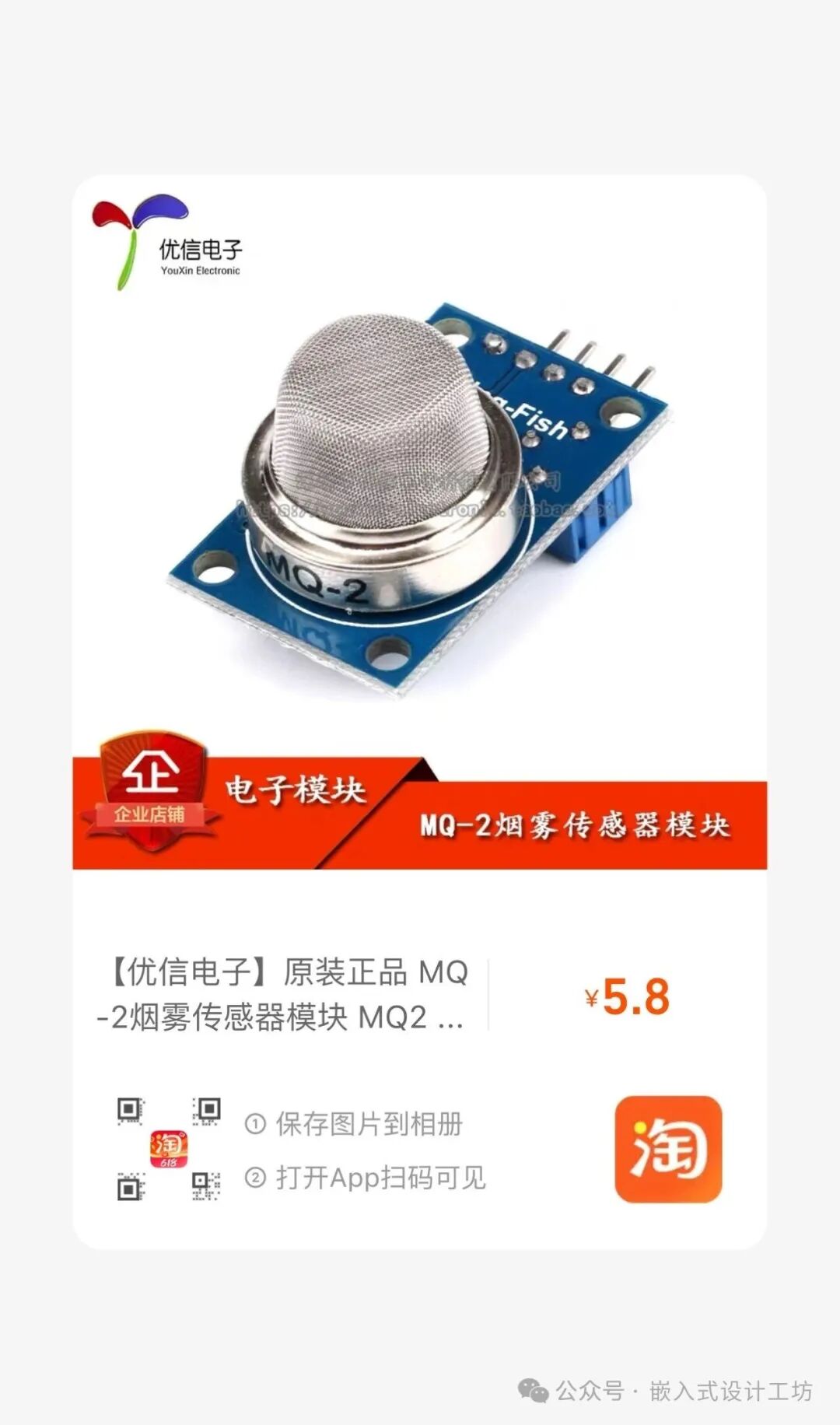
5. Smoke Sensor
The smoke sensor can detect the concentration of smoke in the environment, a key component in fire safety systems.
https://example.com/smoke-sensor-image.png
Core Features:
-
Two detection principles: ionization and photoelectric
-
High sensitivity, fast response
-
Multiple output methods, compatible with different main controls
-
Strong anti-interference capability, good environmental adaptability
-
Low power characteristics, long battery life
-
Safety certification and self-check functions
Typical Applications: Home and civilian security, public buildings and commercial places, industrial plants and warehousing logistics, transportation security, special scene monitoring
4. Communication Protocol: MQTT
Lightweight, Highly Reliable IoT Communication Standard
MQTT is a message protocol based on the publish/subscribe model, designed for low bandwidth and unstable networks, making it the preferred choice for IoT device communication.
Core Features:
-
Publish/subscribe model, device decoupling, strong scalability;
-
Extremely simple protocol, suitable for embedded devices and low bandwidth networks;
-
Supports three QoS levels, flexibly ensuring message reliability;
-
Reconnect + Last Will message, enhancing system robustness;
-
Topic hierarchy + wildcards, convenient for device management;
-
Supports TLS encryption, ensuring data security.
Application Scenarios: Smart homes, industrial IoT, remote monitoring, vehicle networking, smart cities.
5. AI Platform: DeepSeek
High Cost Performance, Strong Inference, Privatizable Generative AI Platform
Supports dialogue, writing, coding, data, multimodal capabilities, providing API and privatization deployment options.
Core Advantages:
-
Lower cost, suitable for small and medium enterprises and high concurrency scenarios;
-
Strong inference capability, supports causal reasoning and interpretable output;
-
Excellent performance in code generation, leading accuracy on LeetCode;
-
Flexible deployment, supports public cloud, private cloud, and edge devices.
Target Audience: Developers, content operators, data analysts, enterprise users.
6. APP Interaction and Control
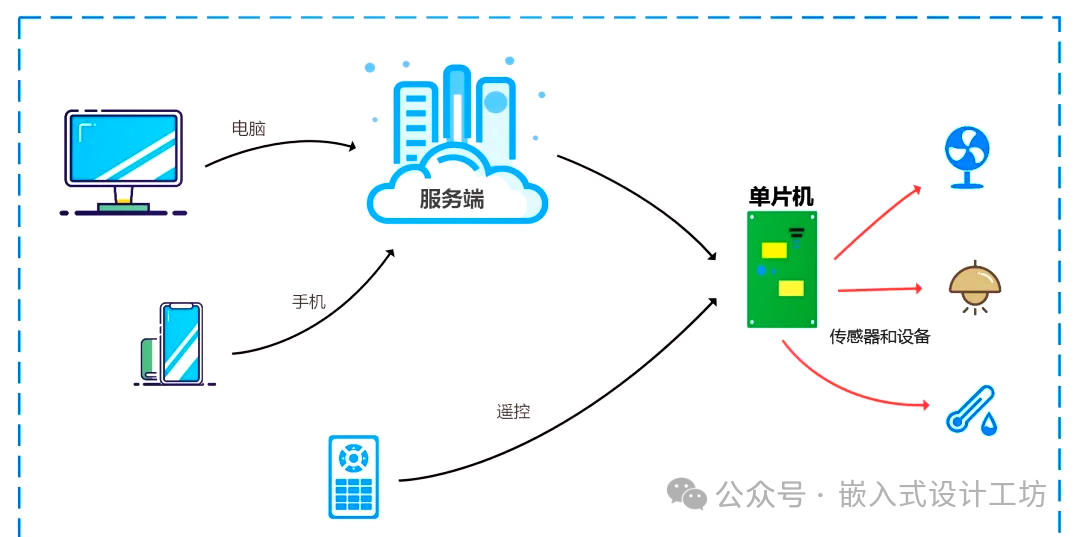
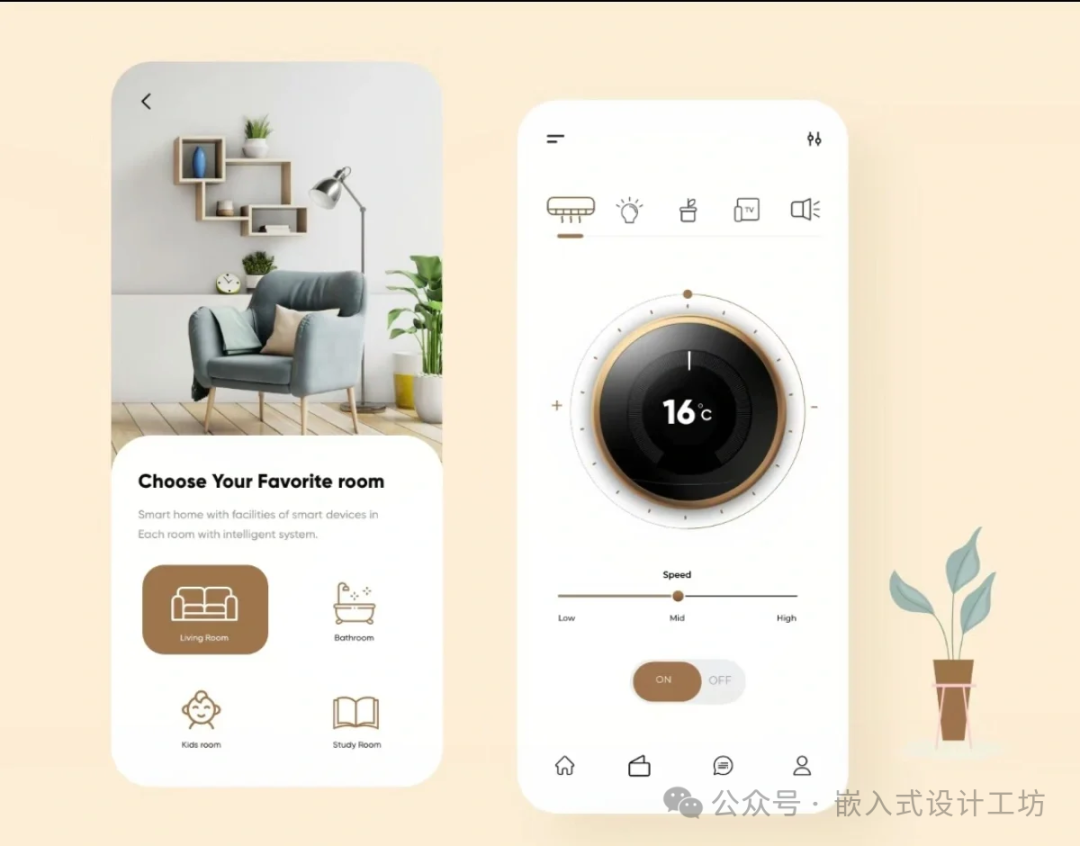
Through the MQTT protocol and various sensors and actuators, remote monitoring and control via mobile APP can be achieved, with typical applications including:
-
Smart home: Control of lights, air conditioning, curtains;
-
Industrial automation: Equipment status monitoring and remote command issuance;
-
Agricultural greenhouse: Temperature and humidity, light, irrigation linkage;
-
Security systems: Smoke, flame, intrusion detection and alarm.
This concludes the technical manual for embedded development tools and module technologies. If you have any questions or collaboration intentions, feel free to leave a message in the comments or contact us privately.
Like + Follow, so you won’t get lost on the technical road!