As the global population ages, traditional elderly care models are facing significant challenges. According to statistics, the population aged 60 and above in China has exceeded 260 million, with the proportion of elderly living alone continuously rising. In this context, AI smart elderly care has emerged, which is not merely a simple application of technology but a comprehensive upgrade to the quality of life for the elderly. Through the deep integration of artificial intelligence, the Internet of Things, and big data analysis, smart elderly care systems can achieve 24-hour uninterrupted health monitoring, life assistance, and emotional companionship. For example, smart sensors can track the activity patterns of the elderly in real-time, while AI algorithms can predict potential health risks, allowing for early intervention. This technology-driven elderly care model not only alleviates the burden on children and caregivers but also enables the elderly to enjoy the convenience and dignity brought by technology. More importantly, AI smart elderly care emphasizes personalized services, customizing plans based on each elderly person’s living habits and health conditions, truly realizing the ideal state of “care for the elderly and joy for the elderly.”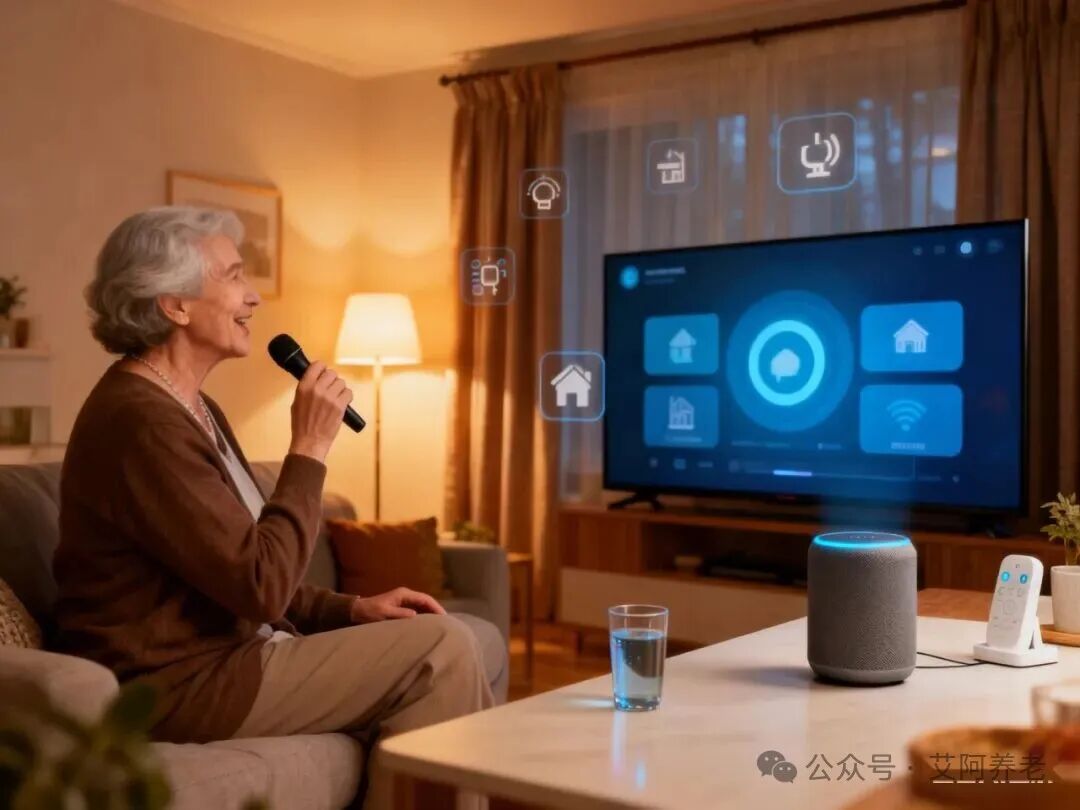
The popularization of age-friendly voice interaction technology is fundamentally changing the experience of elderly people using smart devices. Unlike traditional smart products that require complex operations, AI voice devices utilize natural language processing technology, allowing the elderly to control appliances, query information, or call for help simply by speaking commands. For instance, a voice assistant system introduced in a nursing community supports dialect recognition and slow speech response, making it easy for even 90-year-old seniors to use. These devices are typically equipped with noise-canceling microphones and amplified speakers to ensure accurate command recognition even in noisy environments. Data shows that elderly users of voice interaction have increased their acceptance of smart devices by over 60%, with the error rate in operations dropping by more than 75%. This low-threshold design concept not only eliminates the elderly’s fear of technology but also encourages them to actively embrace digital life. From adjusting indoor temperatures to reminding them to take medication, voice interaction has become an indispensable part of smart elderly care.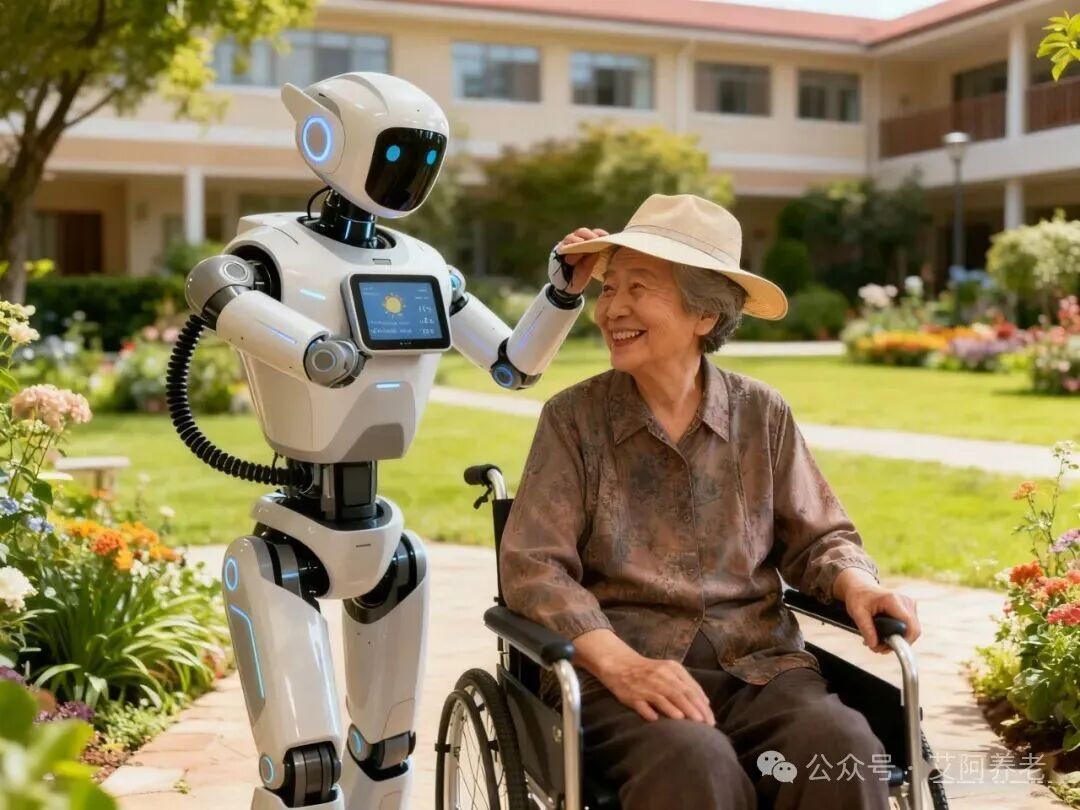
In the AI smart elderly care system, robotics technology is playing an increasingly important role. Care robots can assist the elderly with daily activities such as getting up and walking, and their flexible mechanical arms can safely deliver items or provide support. Companion robots engage in natural conversations with the elderly using facial recognition and emotional computing technology, playing their favorite operas or news. More advanced service robots can monitor changes in the elderly’s facial expressions and, upon detecting anxiety or loneliness, automatically initiate comfort programs or contact relatives. A pilot project showed that nursing institutions that introduced robotic assistants saw a 42% reduction in the incidence of falls among the elderly, with a 68% improvement in symptoms of depression. These robots not only provide physical assistance but also learn the preferences of the elderly through AI algorithms, gradually becoming caring “digital family members.” With the development of 5G and edge computing technologies, the response speed of robots has improved to milliseconds, ensuring they can provide assistance immediately in emergencies.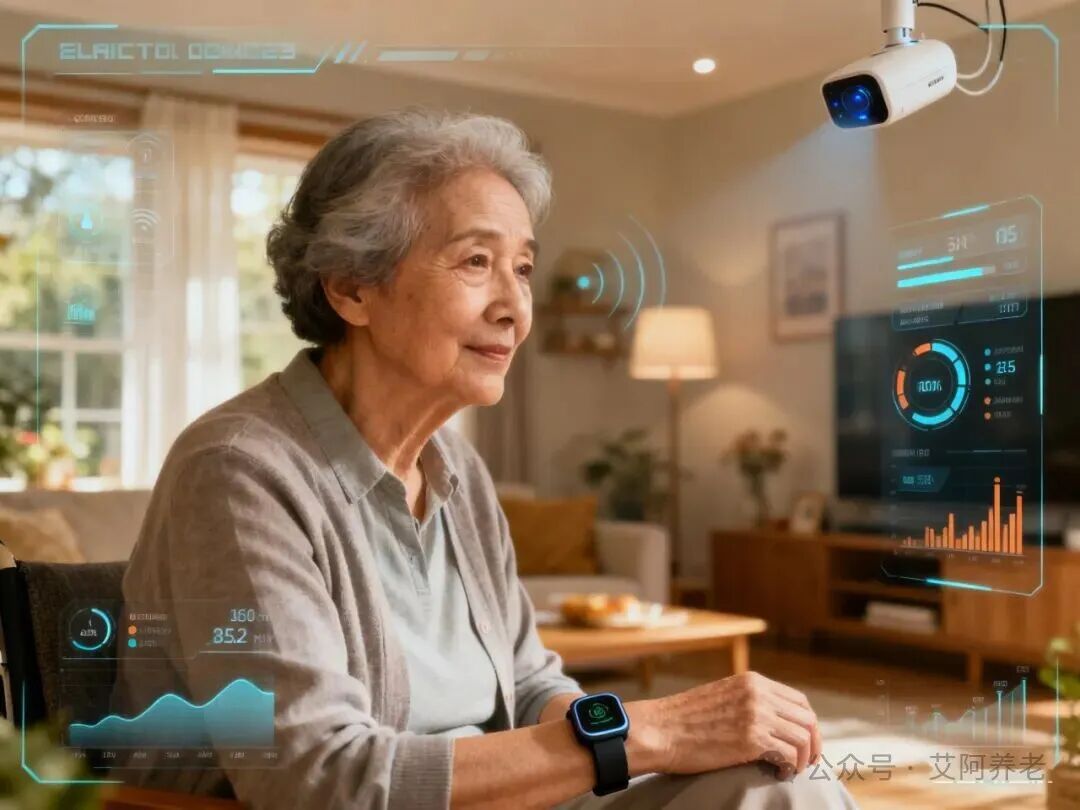
AI-driven health monitoring systems are reconstructing the way elderly health management is conducted. Through wearable devices and non-contact sensors, the system continuously collects data on the elderly’s heart rate, blood pressure, sleep quality, etc., and analyzes it using machine learning models. When abnormal patterns are detected, the system immediately sends alerts to caregivers and family members while automatically adjusting environmental parameters, such as regulating indoor oxygen levels or activating emergency lighting. In chronic disease management, AI systems can dynamically adjust dietary recommendations and exercise plans based on changes in blood sugar and blood lipid levels. An application case from a smart elderly care community showed that this preventive monitoring reduced the rate of acute medical visits by 55% and extended average life expectancy by 1.8 years. More importantly, the system generates easy-to-read health reports, helping the elderly intuitively understand their conditions and enhancing their proactivity and engagement in health management.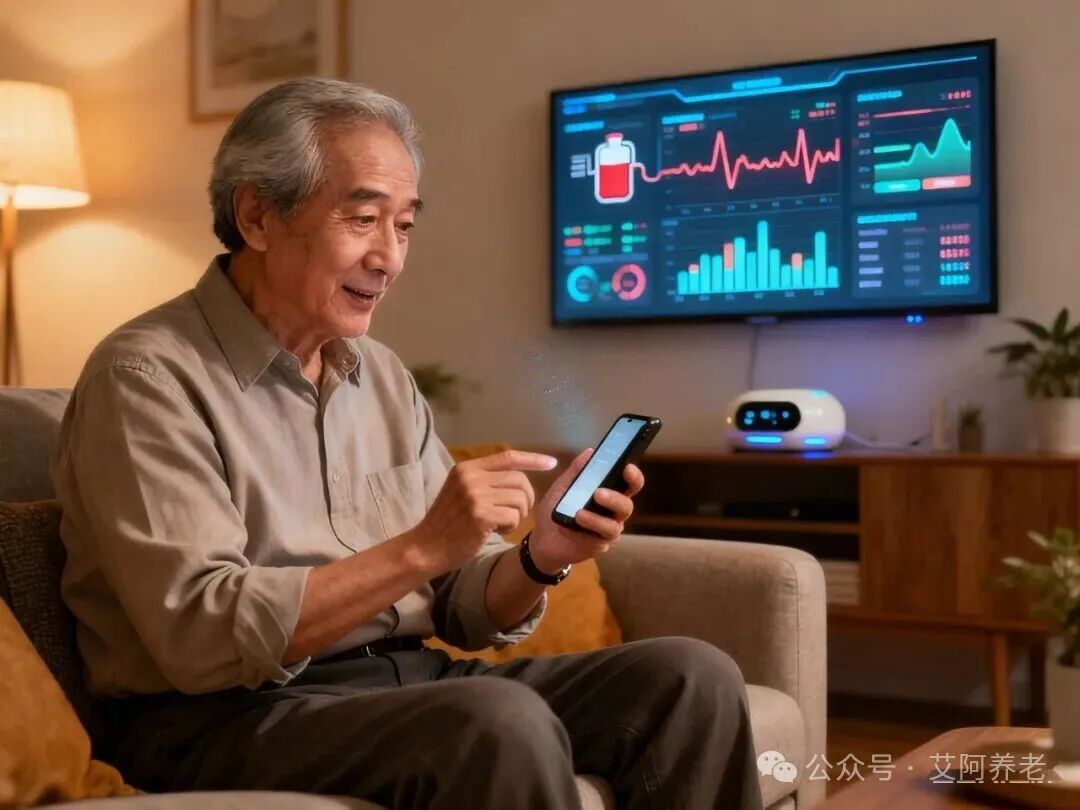
In various national smart elderly care demonstration projects, the collaboration between AI technology and robotics has achieved significant results. A community in Shanghai deployed an intelligent central system for 2,000 elderly households, integrating voice interaction, robotic services, and health monitoring functions. After waking up in the morning, the elderly can use voice commands to open curtains and start the coffee machine, while care robots deliver medications on time; during the day, companion robots accompany them for walks and conversations, and the health monitoring system uploads data to the cloud in real-time; at night, bed exit sensors and emergency call systems provide comprehensive protection. After one year of implementation, the elderly’s ability to live independently improved by 31%, and medical expenses decreased by 28%. Similar cases are also being promoted in Hangzhou, Chengdu, and other places, proving that AI smart elderly care is not only feasible but also has the potential for large-scale replication. These successful experiences indicate that when technology is designed with a human-centered approach, it can bridge generational gaps and revitalize the lives of the elderly.
Looking ahead, AI smart elderly care will develop towards greater integration and personalization. As brain-computer interfaces and emotional computing technologies mature, systems will be able to understand the needs of the elderly more accurately and even anticipate potential risks. Robots will possess more powerful autonomous learning capabilities, evolving from single-function assistants to versatile life partners. Meanwhile, collaboration among governments, enterprises, and communities will promote standardization and data sharing, constructing a comprehensive elderly care ecosystem covering home, community, and institutions. Experts predict that by 2030, AI smart elderly care is expected to cover 60% of the elderly population in China, reducing caregiving labor costs by over 100 billion yuan annually. This is not only a technological revolution but also a reshaping of traditional elderly care concepts—technology is no longer a cold tool but a warm bridge carrying humanistic care, allowing every elderly person to enjoy a happy and peaceful old age.