Without this certificate, your goods may be directly detained by U.S. Customs!

Have you ever been frustrated by goods being detained by customs while selling products in the U.S. market? Have you encountered sudden product removals from e-commerce platforms? The root of the problem may lie in a small certificate — GCC Certification. With the new CPSC regulations set to take effect in 2025, this certificate is more important than ever!
What is GCC Certification?
The GCC (General Certificate of Conformity) is a mandatory safety certification established by the U.S. Consumer Product Safety Commission (CPSC) for non-children’s products. It certifies that products comply with U.S. federal consumer product safety regulations and serves as a ‘pass’ to enter the U.S. market.
Core Significance:
-
Legal Compliance: Products without GCC certification may face customs detention, high fines, and even criminal penalties.
-
E-commerce Platform Hard Thresholds: Platforms like Amazon and TEMU explicitly require GCC certificates for categories such as bicycle helmets and adult apparel; otherwise, products will be removed.
-
Consumer Trust: The certification mark serves as a ‘trust endorsement’ for product quality, enhancing brand competitiveness.
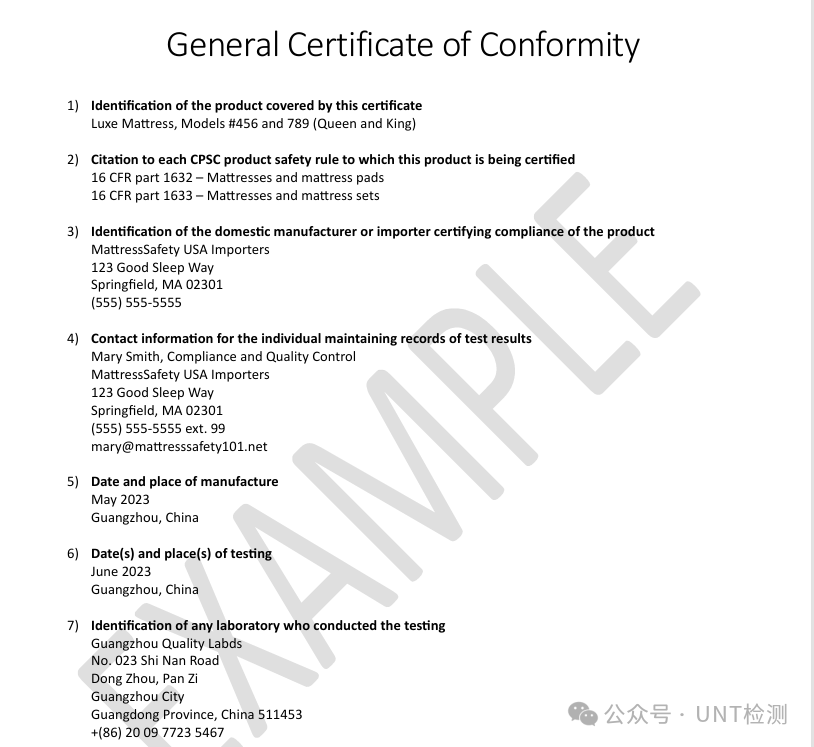
Attached is a GCC certificate template.
Which products must obtain GCC certification?
GCC certification applies to non-children’s products and covers the following common categories:
-
Sports Protection: Bicycle helmets, roller skate helmets (adult versions)
-
Home Products: Mattresses, carpets, bunk beds
-
Tools: Electric lawn mowers, portable gas containers
-
Others: Adult clothing, fireworks, vinyl plastic films, etc.
Special Note: If the product is aimed at children aged 12 and under, a CPC certification (Children’s Product Certificate) must be obtained, which is fundamentally different from GCC.
Major Changes in 2025: eFiling Electronic Filing Launch!
The CPSC plans to implement electronic filing of compliance certificates (eFiling) in 2025, which will become a mandatory requirement:
-
Submit product safety certificates (GCC, etc.) electronically using the PGA information set through the ACE system
-
Importers must provide seven key data points:
-
Product identification (e.g., GTIN barcode)
-
Each safety rule for which the product has been certified
-
Production date and location
-
Testing date and laboratory information
5. Contact information for the record keeper
This reform will streamline processes and improve efficiency, but it also means sellers need to prepare data in advance!
Four Steps to Certification
1. Confirm Product Category: Determine the standard requirements based on the CPSC control list (e.g., bicycle helmets must comply with 16 CFR 1203 and ASTM F1447 standards)

2. Sample Testing:
-
Testing items: including impact absorption, structural stability, emergency stop function, etc. (requirements vary by product)
-
Laboratory selection: must be a CPSC-recognized institution
3. Prepare Documents:
-
Product details (model, production date/address)
-
English testing report
-
Importer/manufacturer details
4. Submit for Review: After passing the review by the certification body, obtain the GCC certificate (electronic or paper version)
Cycle and Costs:
Cycle: Usually 7 working days (may be extended for complex products)
Costs: Testing report + certificate approximately 1000-5000
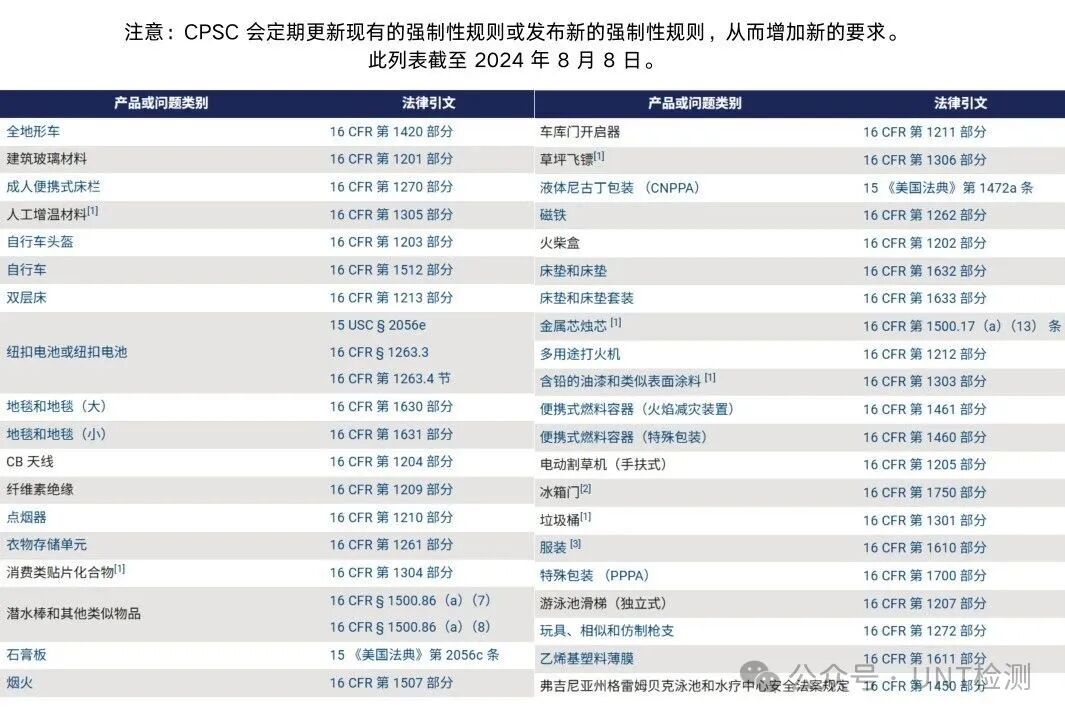
Attached are common product testing standards for GCC certification.
Seller Pitfall Guide
1. Document Consistency Trap: Testing reports do not match product model and manufacturer information→ Countermeasure: Ensure that document information is completely consistent with physical labels, avoiding the use of pinyin addresses
2. Testing Timeliness Trap: Using expired testing reports→ Countermeasure: Even if regulations do not mandate it, it is recommended to retest annually, especially when there are changes in product design
3. Platform Rule Differences:
-
TEMU requires 100% upload of GCC for textile products
-
Amazon focuses on categories like bicycle helmets→ Countermeasure: Check the latest platform policies in advance and prepare materials accordingly
The Value of GCC Certification: More Than Just Compliance
-
Market Access: Break through U.S. customs and platform review barriers, avoiding losses from goods being held
-
Brand Premium: Certified products are more likely to gain favor from consumers and distributors
-
Risk Prevention: Avoid legal disputes, protect corporate reputation
With the implementation of the 2025 eFiling regulations, GCC certification will enter a new era of electronic and standardized processes. Cross-border sellers, have you mastered this ‘passcode’?