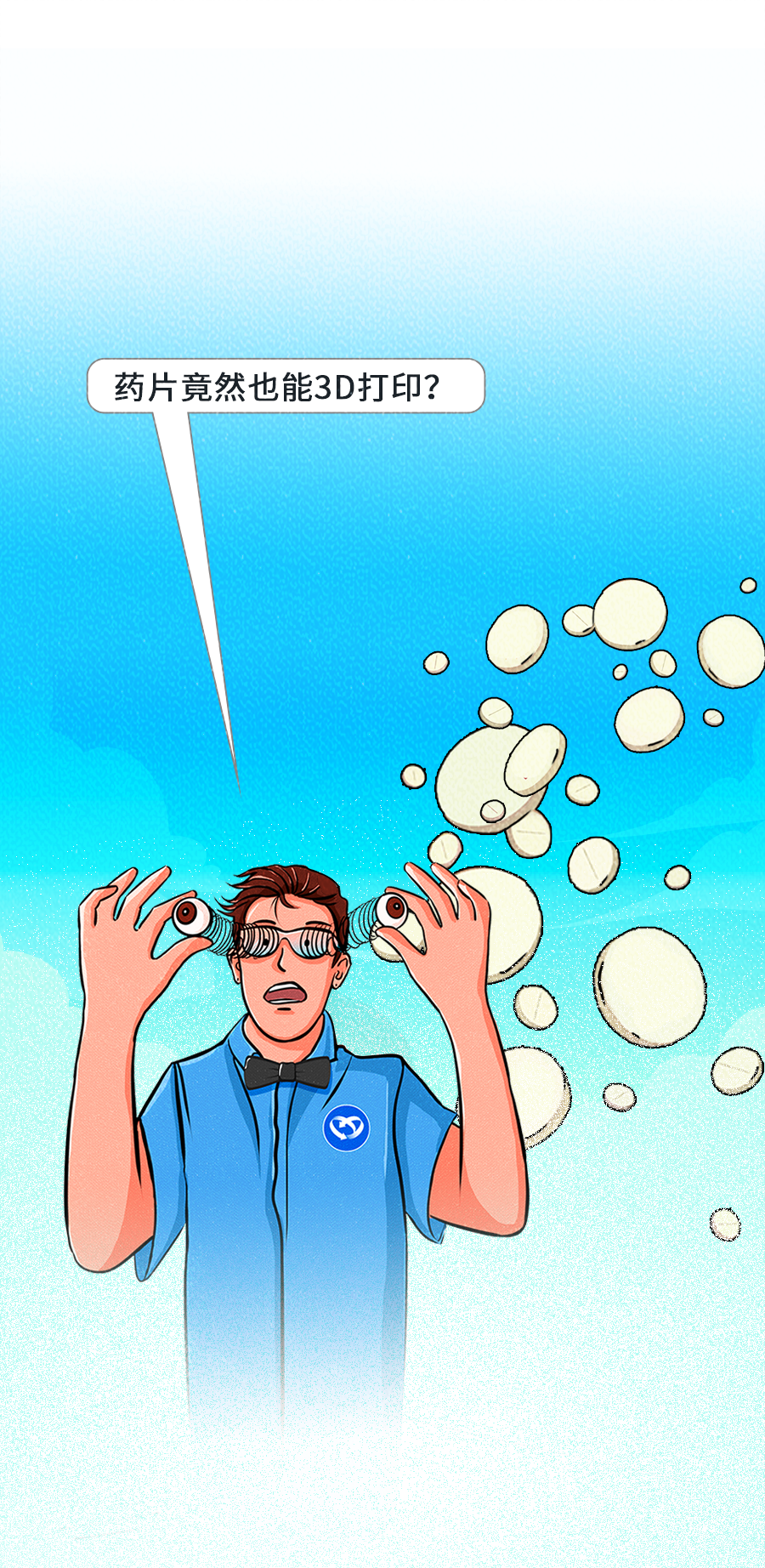
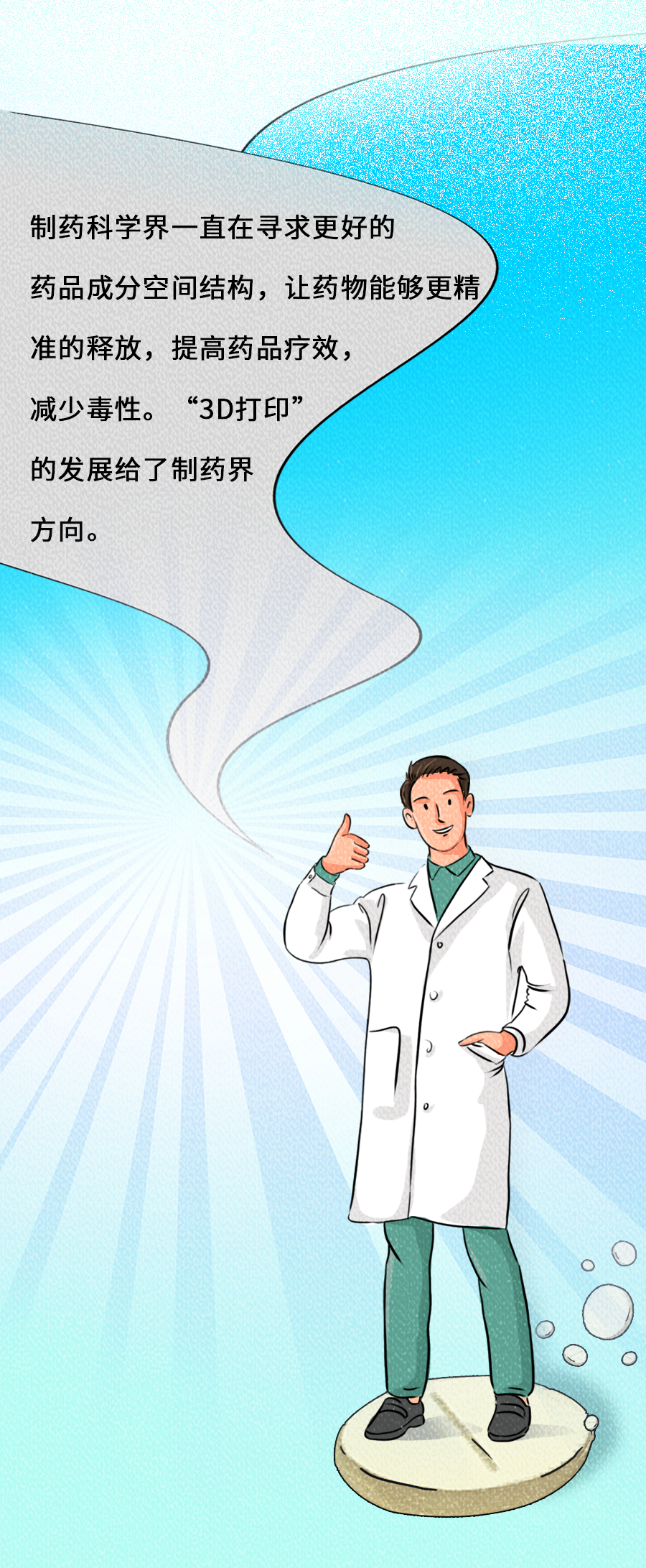
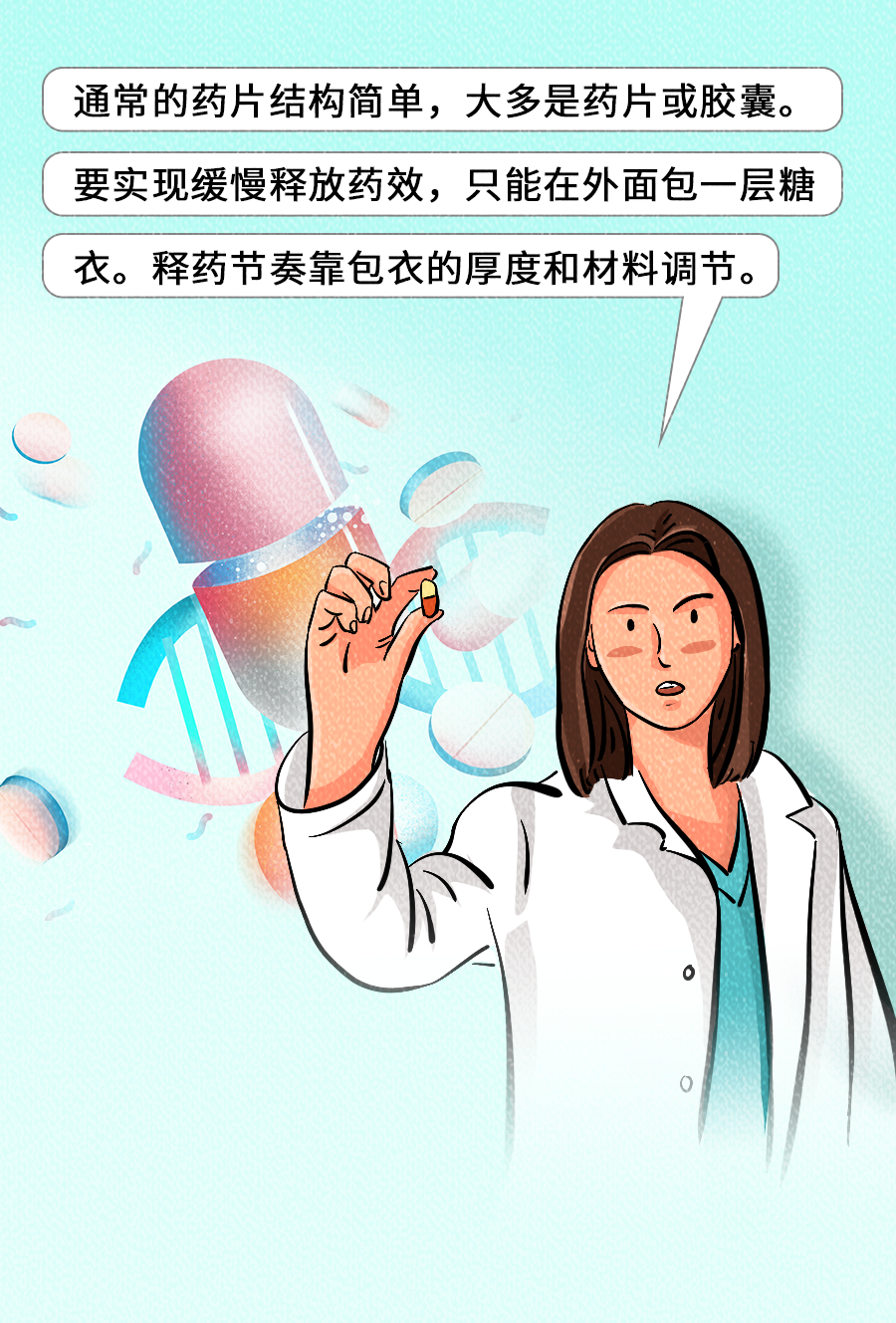
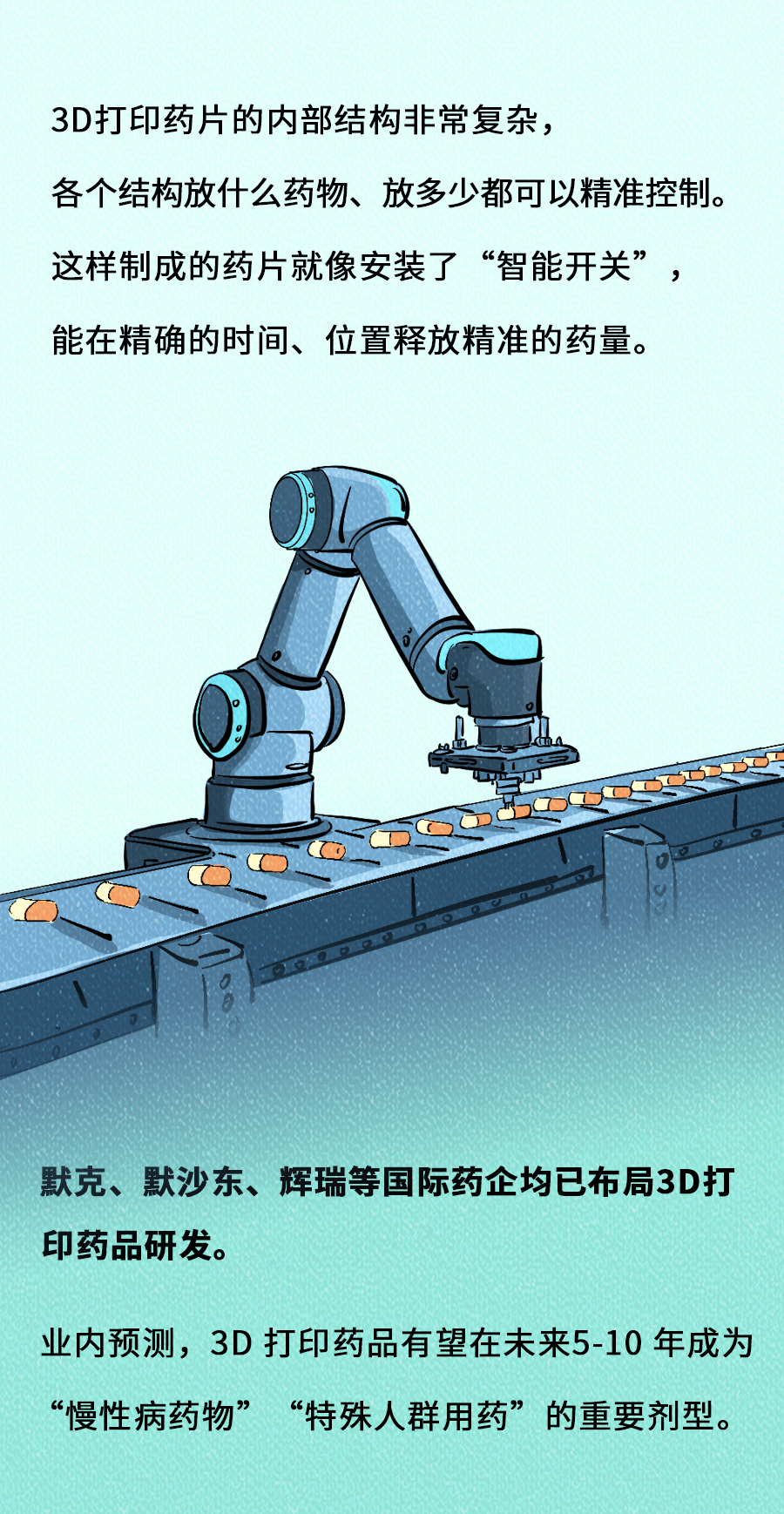
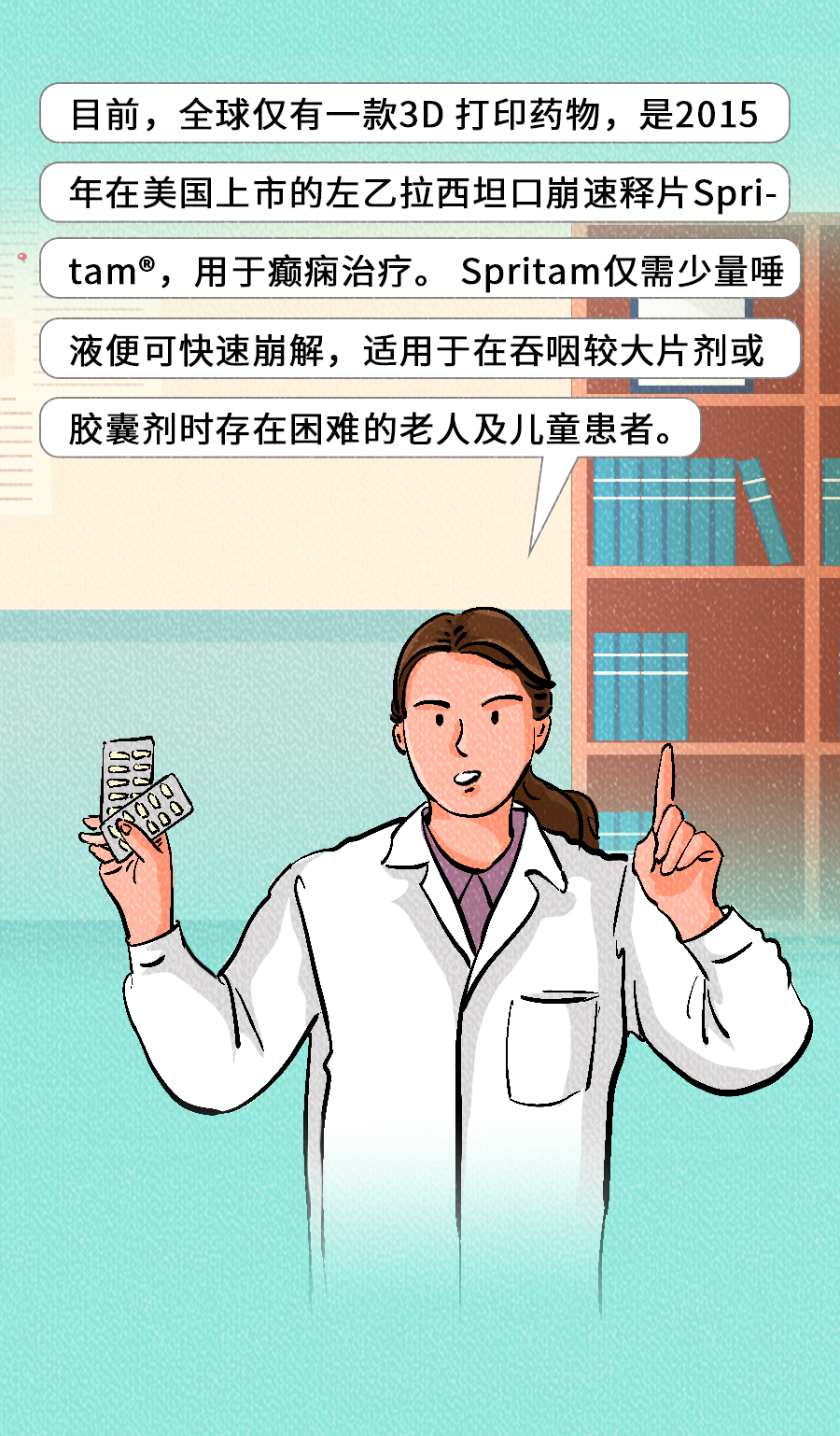
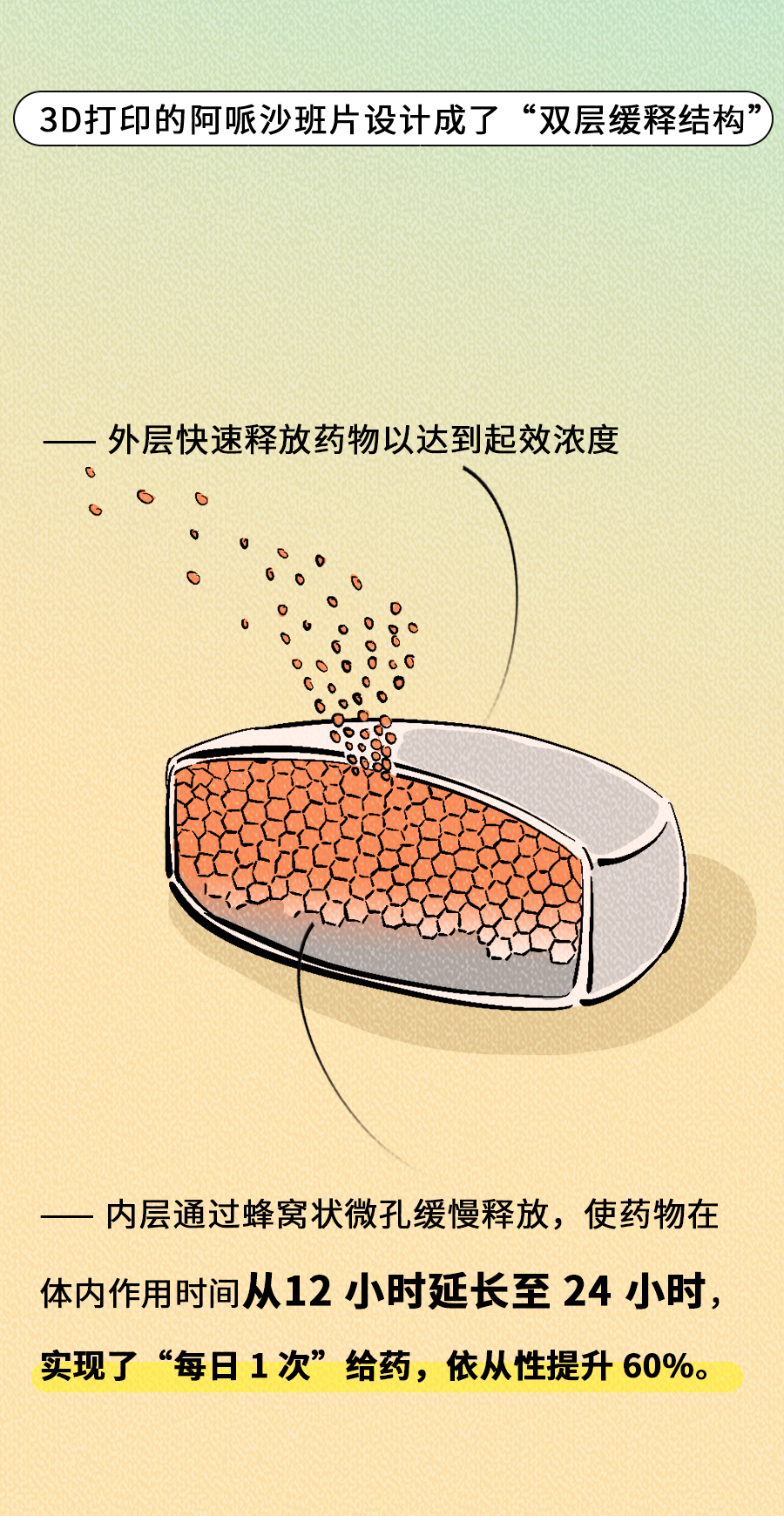
In addition to structural design, the advantages of 3D printed drugs also lie in production efficiency, cost, and quality control. The drug production process utilizes digital control, ensuring precise traceability of each tablet’s quality; furthermore, the development cycle has significantly shortened, with what used to take years now completed in just a few months.
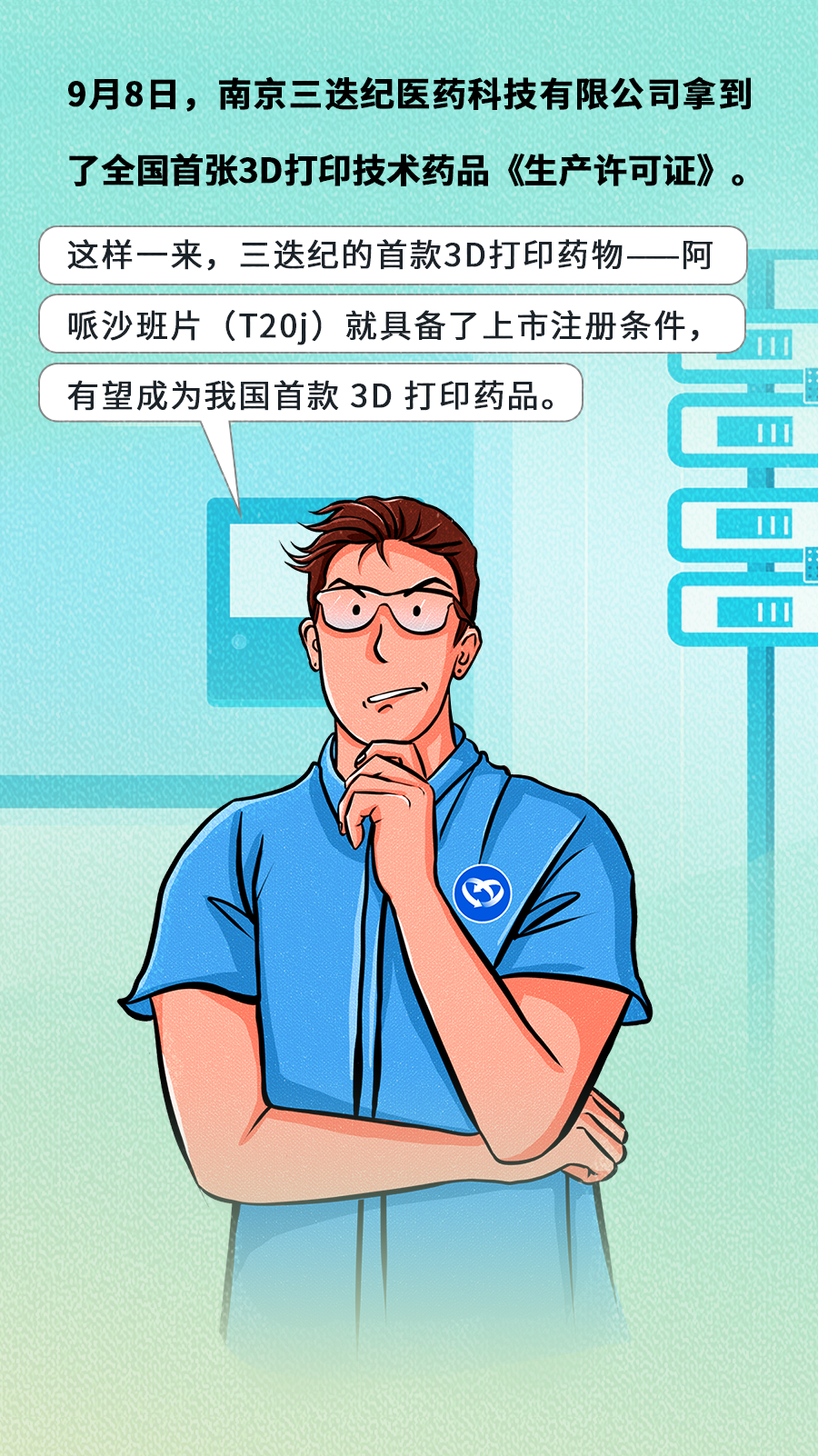
The Jiangsu Provincial Drug Administration has awarded the first national 3D printed drug production license to SanDieJi, marking it as the second company globally to commercialize 3D printed drugs after the U.S. company Aprecia. This is also an important milestone in the development of 3D printing technology for pharmaceuticals in China.
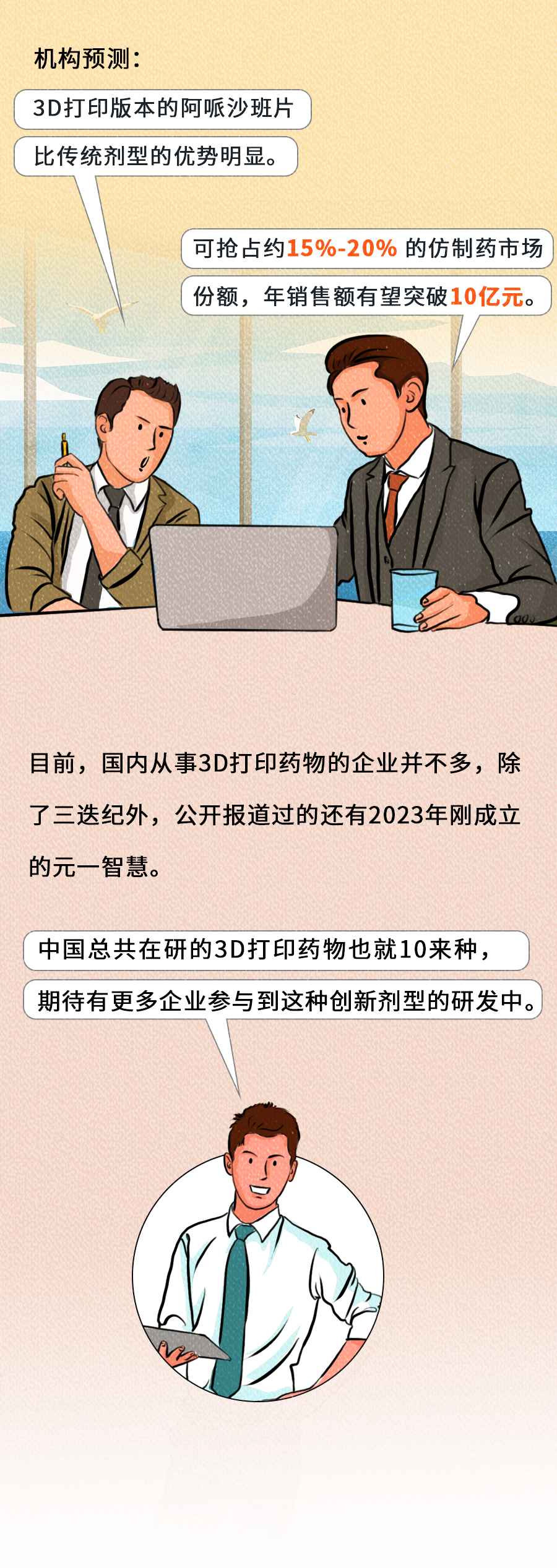
SanDieJi plans to submit a market application for Apixaban tablets to the CDE in September, and if all goes well, it is expected to be approved in Q2 2026, becoming the first 3D printed drug in China. According to China Daily, Nanjing is building the world’s largest 3D printed drug production base, which is expected to produce 300 million tablets annually, covering the medication needs of approximately 10 million patients.

Written by丨Li Ao
Edited by丨Jiang Yun, Jia Ting
Illustrated by丨Cat Bun
Operated by丨Chen Xi
Disclaimer: This is original content from JianShiJu, please do not reproduce without permission.

WCLC kicks off long-term survival for lung cancer, BeiGene takes the lead.
Named by two provincial medical insurance bureaus, will the “national-level new drug” also face cuts?
Shijiazhuang Pharmaceutical Group’s Alzheimer’s new drug approved for clinical trials.