In factory planning and exhibition, 3D printing industrial models have become an efficient, precise, and intuitive representation method. Through the integration of 3D printing and intelligent control technologies, the spatial layout and product details can be visually observed, effectively conveying each unique design concept to the client. 3D printing technology, with its revolutionary “layered manufacturing” concept, is injecting vibrant energy into the field of industrial modeling.
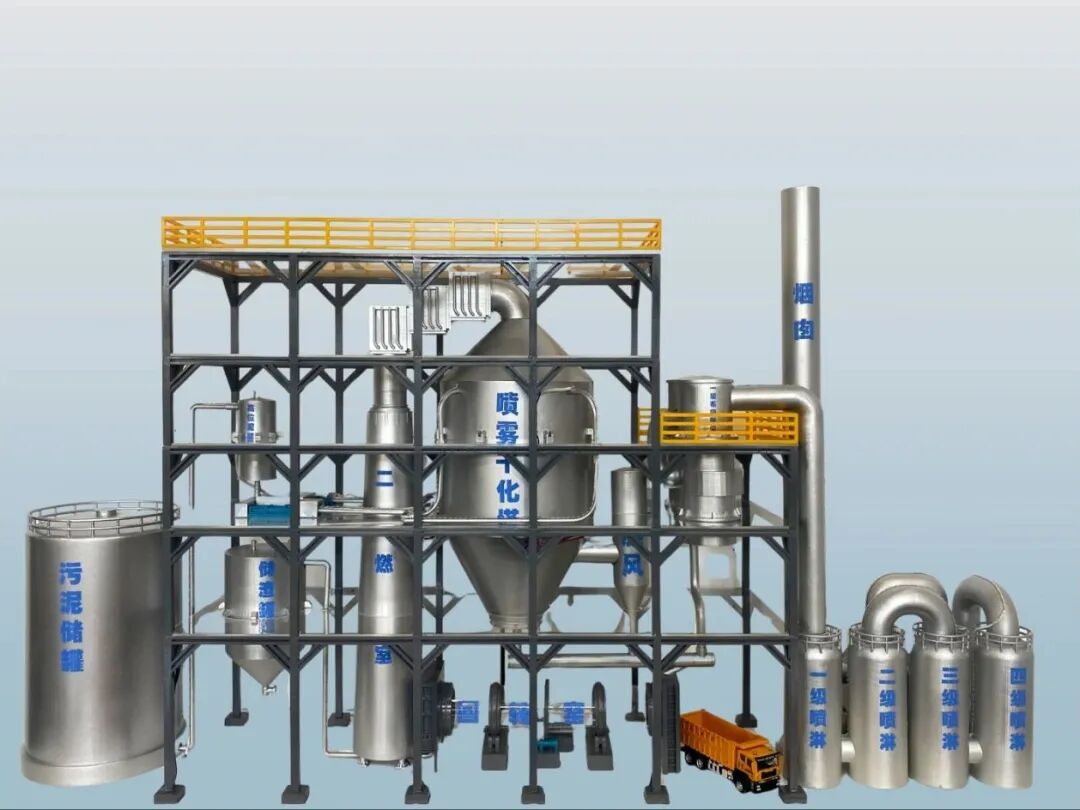
The display of Berli Jiang industrial model products allows for an intuitive understanding of factory workshop storage tanks, guardrails, intricate pipelines, chimneys, and various equipment and components.
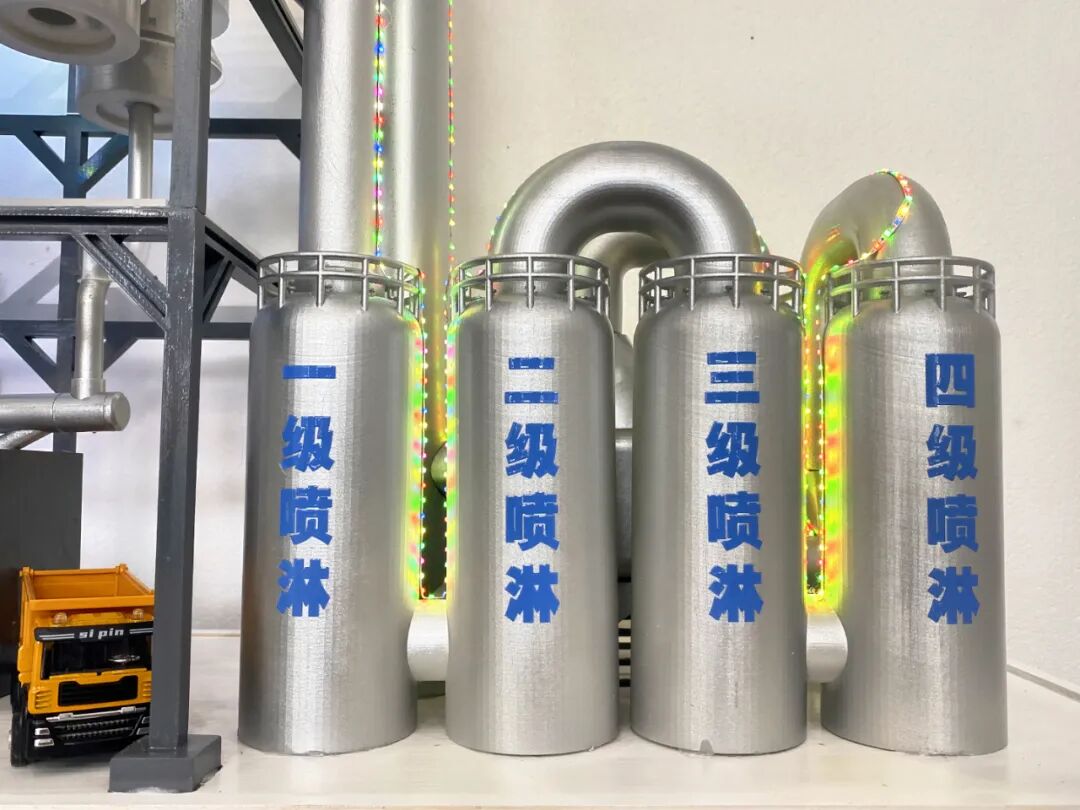
From “impossible” to “within reach,” leveraging cutting-edge 3D printing technologies such as photopolymerization, past industry pain points are no longer shackles binding traditional manufacturing. Once complex carvings, delicate railings, and curved roofs can now be perfectly replicated, allowing the unique language of design to shine through; bidding farewell to lengthy manual processes, high precision can now be achieved in just a few days or even hours; importantly, 3D printing technology significantly reduces reliance on human labor, while the precise stacking method greatly minimizes material waste, resulting in overall costs far lower than traditional methods, enabling more projects to afford highly expressive models.
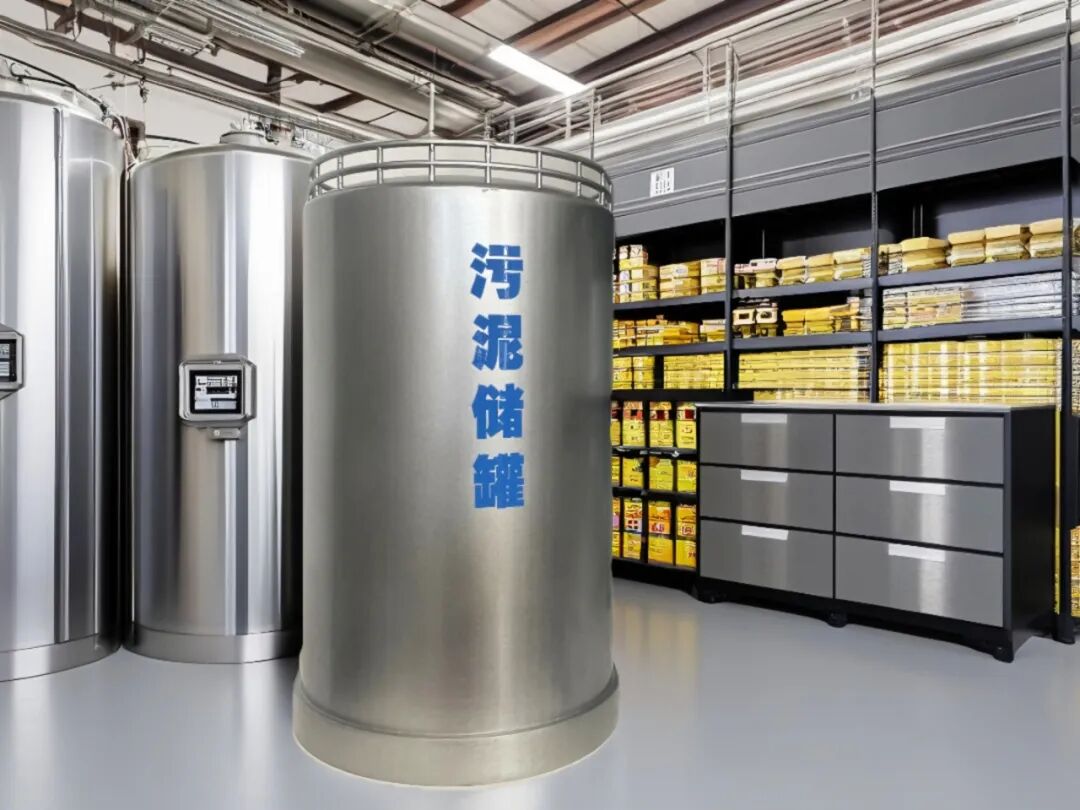
With the help of 3D printing technology, the beauty of product forms is unleashed, enabling infinite possibilities. From validating product feasibility to creating winning display tools for bids, and providing precise references for complex construction, 3D printing industrial models have become an indispensable core competitiveness in the manufacturing industry. It is not only a victory of technology but also a return to the product itself—within the confines of the model, every meticulously considered detail shines, allowing every imaginative form to grow freely.
Thank you for your attention: