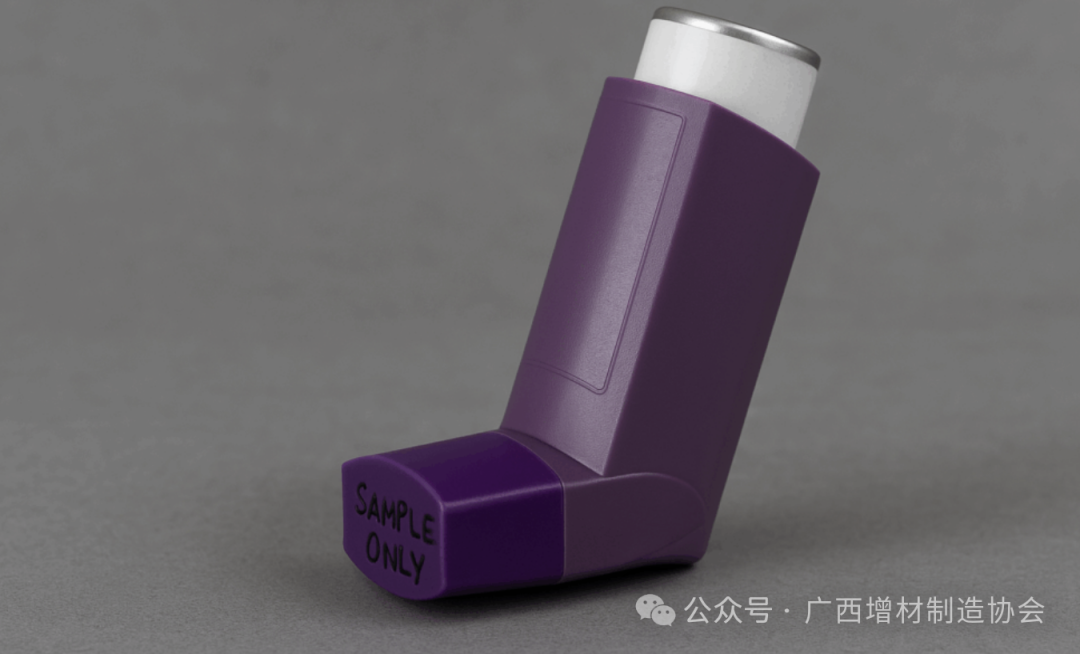
 For over 260 million asthma patients worldwide, inhalers are essential. However, studies show that 12–71% of cases involve improper use, with hospitalization rates as high as 86% for adults and even 97% for children, leading to a significant reduction in the actual dosage inhaled. Many patients face difficulties in using inhalers correctly, whether due to technical errors, irregular usage, or age factors. As a result, medications often fail to reach the lungs as intended. Currently, researchers at the University of Kiel in Germany are utilizing ultra-precise 3D printing technology to redesign the tiny carriers in dry powder inhalers, aiming to significantly enhance drug delivery efficiency.Why do inhalers sometimes perform poorly?
Inhalers deliver medication directly to the lungs, which is the best method for treating asthma, making them a superior choice compared to oral or injectable medications. However, in everyday use, inhalers often underperform due to user errors or irregular usage.
In fact, studies estimate that 50% to 94% of patients misuse inhalers due to technical errors, such as failing to take a deep breath or improper coordination. Additionally, many fail to use inhalers as prescribed, with global adherence estimated to be between 43% and 80%.
This combination of misuse and underuse can lead to exacerbated asthma symptoms, increased frequency of attacks, and even hospitalization, which not only troubles patients but also burdens the healthcare system.
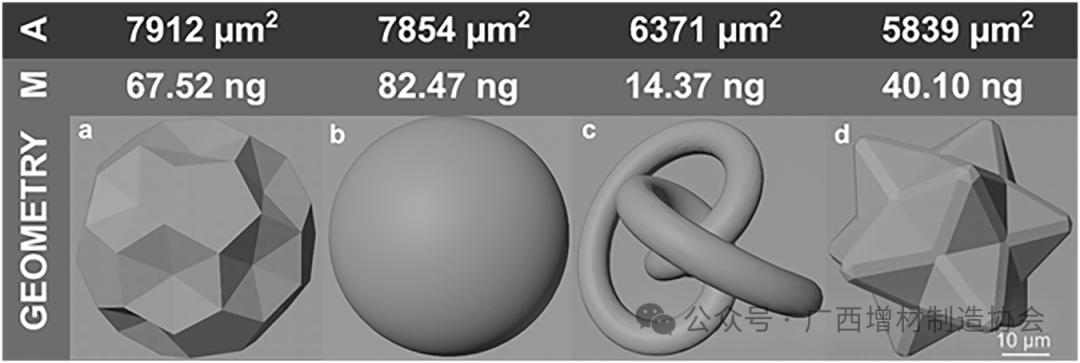
Professor Regina Scherließ and her research team at the University of Kiel pondered whether better design could address this issue. To this end, they used 3D printing to create millions of identical “hair-thin carrier particles” and precisely controlled their shapes. In their research, a design known as “Pharmacone” (with star-shaped protrusions) performed exceptionally well, achieving four times the efficiency of drug delivery to the lungs compared to other shapes. Scientists explain that these sharp angles may cause the particles to collide and rotate more, thereby releasing the medication more effectively.
The study was published in Nature‘s journal Communications Materials, titled “Customized Microparticle Aerodynamic Performance of Dry Powder Inhaler Formulations Manufactured by Multifocal Multiphoton 3D Laser Printing.” The paper details how different geometries affect drug release and notes that the star-shaped Pharmacone design is the most effective.
Is this just a theory?
Currently, yes. Essentially, these are model particles for laboratory testing and cannot yet be used directly in real inhalers. However, their potential is evident. The design of inhalers has been slowly evolving; for instance, the Easyhaler® device has shown better adherence and lower error rates in some clinical studies. However, most patients have yet to experience the benefits of such precise designs, at least not yet.
Even small improvements can have a significant impact. A UK study estimates that approximately 366,000 asthma/COPD patients incur an additional £16.2 million in healthcare costs annually due to improper inhaler use. Similarly, Spain faces millions of euros in healthcare resource losses due to misuse. Improved inhalers could help reduce these costs.
Designs like Pharmacone can help more medication reach the lungs, even if patients’ usage techniques are not perfect. Researchers explain that by improving the mechanical performance of inhalers, the devices themselves can take on more responsibility, compensating for uncoordinated operation or unstable inhalation flow rates. However, patient populations vary, especially among children and the elderly. For example, fewer than 20% of elderly COPD patients can use inhalers correctly, with traditional “metered-dose” inhalers and a type known as Turbuhalers having correct usage rates of only 11.9% and 10%, respectively.
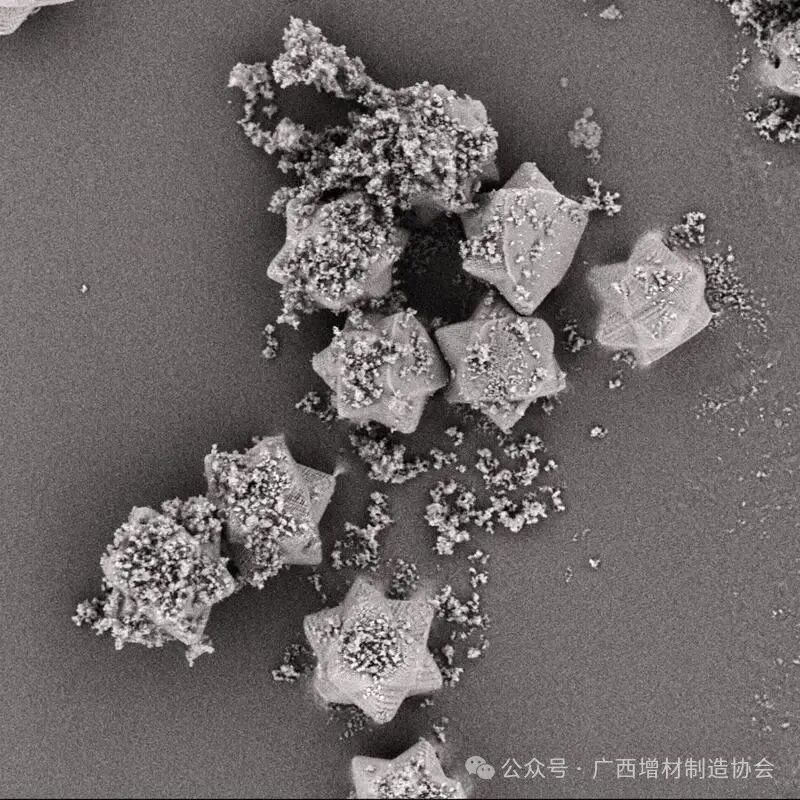
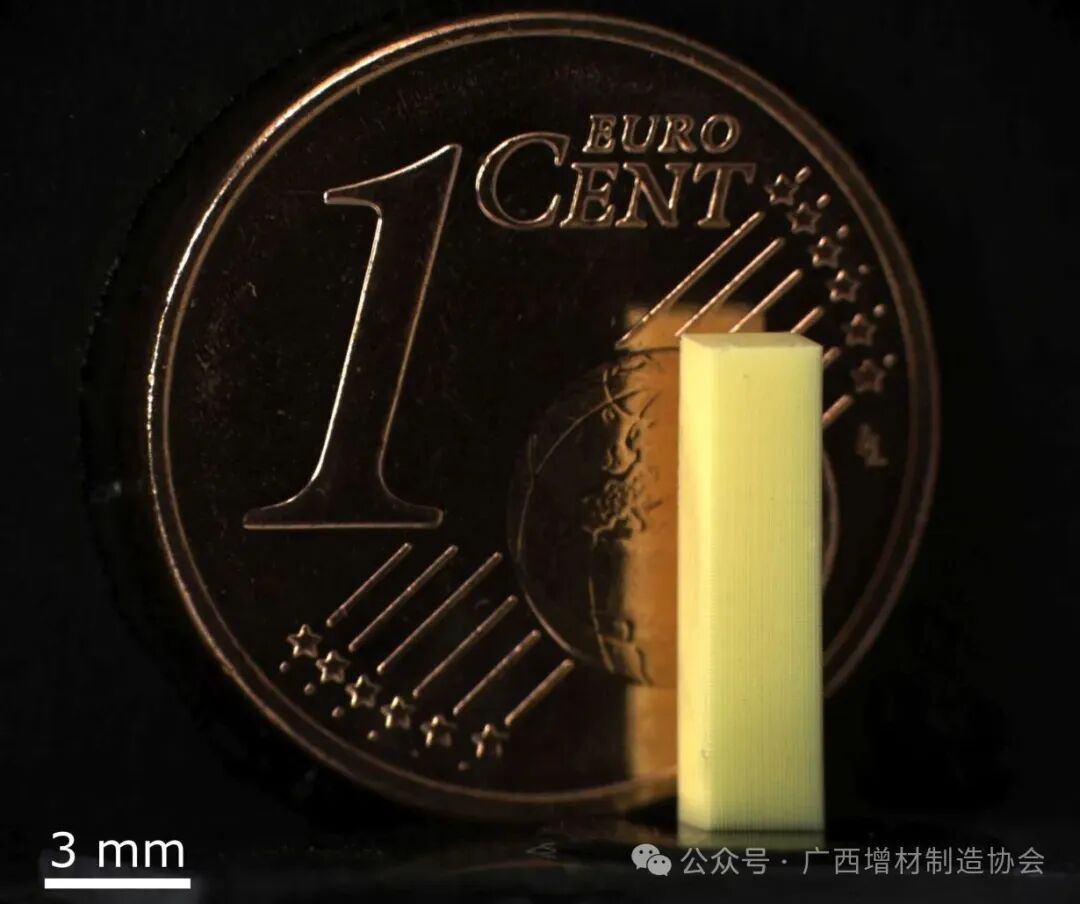
Although these particles are still in the experimental stage, biodegradable versions must be developed for clinical use. Another barrier is scalable production. To this end, the team employed two-photon polymerization (2PP) technology with nanoscale resolution. This method achieves ultra-high precision printing by focusing a laser on photosensitive materials, curing them point by point. Traditionally, 2PP has been too slow for mass production, but researchers at Karlsruhe Institute of Technology (KIT) have recently made breakthroughs. By introducing parallelization, KIT researchers enabled the simultaneous printing of 49 structures instead of one at a time. With this upgraded system, the Kiel University team successfully achieved the mass production of millions of identical, hair-thin particles. This paves the way for experimental designs like Pharmacone to be applied in drug development.
The effectiveness of inhalers depends on how they are used, and misuse remains a major issue. The 3D printed Pharmacone particles from the University of Kiel demonstrate how smarter designs can help medications better reach the lungs, heralding a promising future for more efficient inhalers.