Author: Linda Wilson
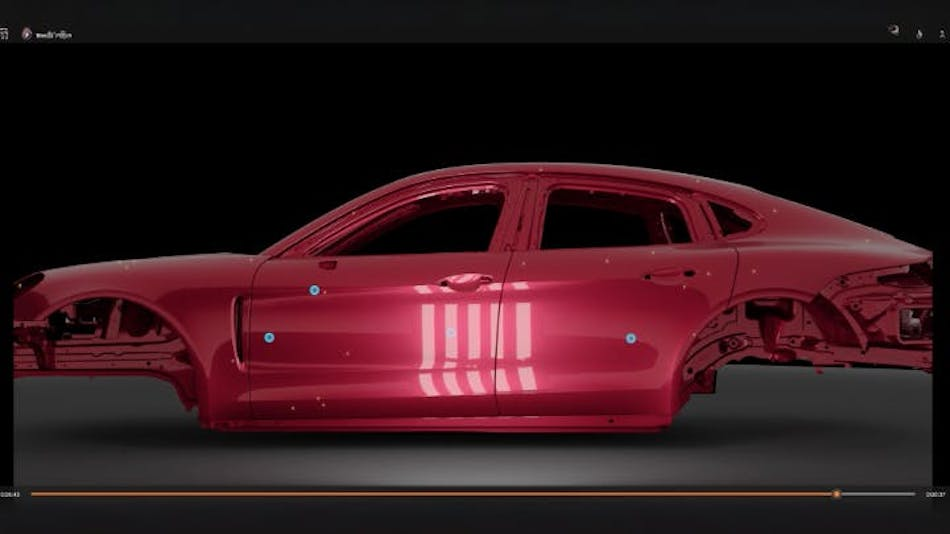
Figure 1: Porsche uses a machine vision system to project light patterns onto the car surface and captures the reflected light through image acquisition.
Porsche is a representative of high-end luxury cars. Consumers who purchase a Porsche expect every component of the car to be flawless, including the paint finish.
This is why this 94-year-old German automotive brand has recently automated its coating inspection process using 3D imaging technology and artificial intelligence (AI) algorithms at its factory in Leipzig, Germany.
Porsche’s Leipzig factory produces cars with three different powertrains: gasoline, hybrid, and fully electric. The factory was put into operation in 2002 and is committed to achieving the “efficient and resource-saving production processes” advocated by Porsche, with automation being a key factor in achieving this goal.
Combining 3D Imaging with Machine Learning
Utilizing 3D imaging and machine learning to enhance production efficiency in the coating workshop is an example of the aforementioned philosophy advocated by Porsche. Henning Steinborn, head of the coating workshop at Porsche’s Leipzig factory, explains: “The automated defect detection system helps our employees identify even the tiniest flaws on the coating surface. This objective assessment improves production efficiency, reduces manual workload, and achieves a more cost-effective workflow.”
Previously, vehicle coating was completed by robotic systems. However, before the launch of the automated inspection process in 2023, Porsche primarily relied on employees to identify defects on the coating surface through visual and tactile means. Inspectors worked at nine stations across two clear coat inspection lines, which was a time-consuming and physically demanding process that heavily relied on subjective judgment.
With the new automated process, Porsche can detect, classify, and visualize all defects on the exterior of every car produced in the factory.
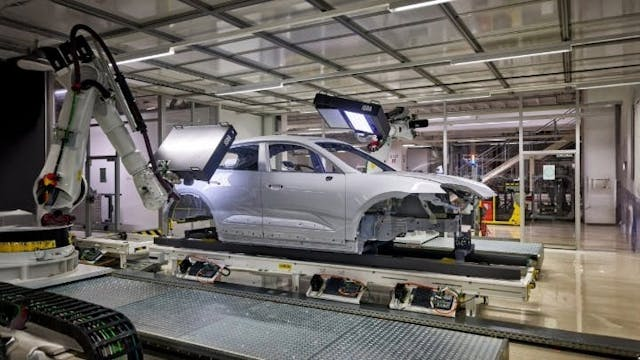
Figure 2: In the coating finishing area of Porsche’s Leipzig factory, each robot operates a set of 3D machine vision systems within a closed device.
Components of the Machine Vision System
The system operates as follows: two robotic arms, each with a maximum load of 125 kg, are mounted on a mobile platform, positioning the arms on either side of the production station. The robotic arms are equipped with a machine vision system, which is housed within a large rectangular closed device. The entire system scans the car’s exterior surface, generating approximately 100,000 images, equivalent to one image for every 2.5 mm of the car’s surface.
Each scanner installed within the closed device includes an LED light panel, four monitoring cameras with LED lights, four high-speed black-and-white cameras, and five embedded computers. The system projects different light patterns onto the car surface and captures the reflected light in the images.
AI Image Processing
The deep learning module identifies and classifies defects in the coating by analyzing the distortion of the reflected light patterns on the car surface. Steinborn explains: “The light patterns make it easier to detect small flaws.”
The deep learning algorithm is trained using sample images and compares new images with the sample images to identify defects such as pinholes, dents, dust particles, or other debris.
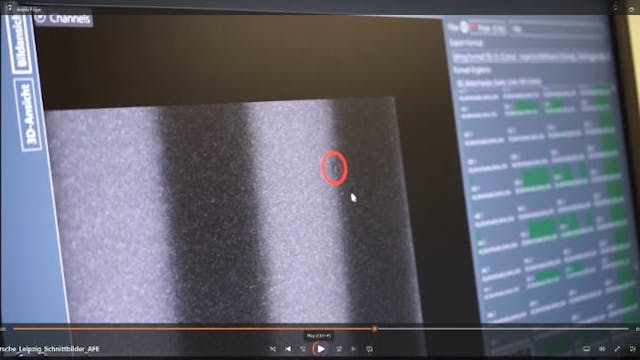
Figure 3: Employees in the coating finishing area can view high-resolution images of marked defects, as well as 3D visual models and other data.
3D Visualization Aids Defect Detection
The machine vision software sends detailed defect data for each vehicle to a database. Then, a 3D visualization program loaded on another computer highlights the defects in the 3D model of the car. This 3D model is displayed on the computer monitor in the finishing area. Employees can manually make necessary corrections to the car body based on this information. They can also view high-resolution close-up images and additional details for each defect.
Steinborn did not disclose the supplier information for the components, software, and systems used in this automated process, but a publicly available video on the company’s website indicates that the system likely comes from ISRA Vision, a German company that sells automotive coating inspection systems.
Steinborn explains that the finishing production line is the last step in the coating workshop. If no defects are found after inspection, the vehicle proceeds to assembly and final manufacturing.
Data for each coating defect is automatically stored for traceability. Porsche uses statistical analysis and compares it with historical data to identify trends in defect types or locations, which may provide a basis for future improvements in the entire automated coating process.