Industry Report Resource Sharing Group – Welcome to Join
Science Technology

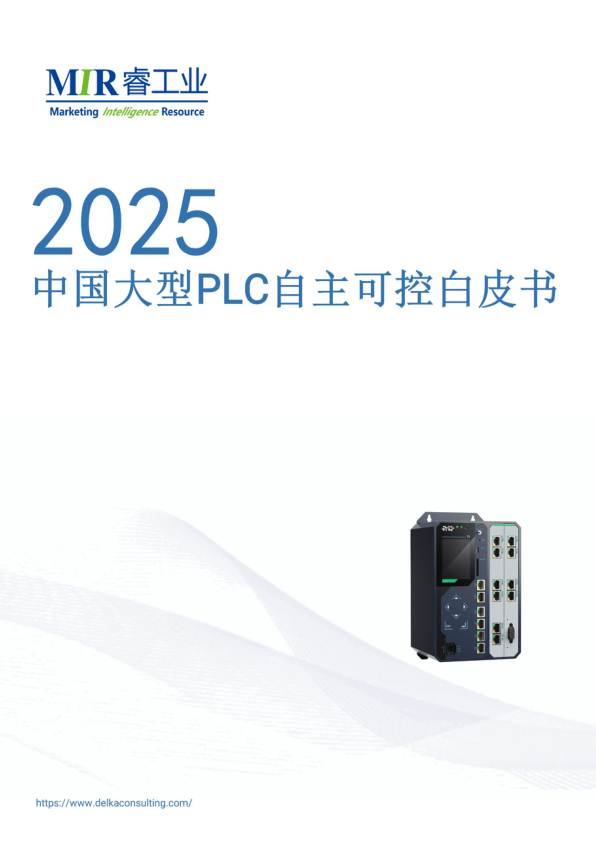
Large PLCs (Programmable Logic Controllers) are the “brain” of industrial automation, long monopolized by foreign companies like Siemens and Rockwell; now China is accelerating the realization of “autonomous control” in hardware and software, with companies like Baoxin Software making breakthroughs.
Below, I will use simple language and key points to help you understand thoroughly 👇
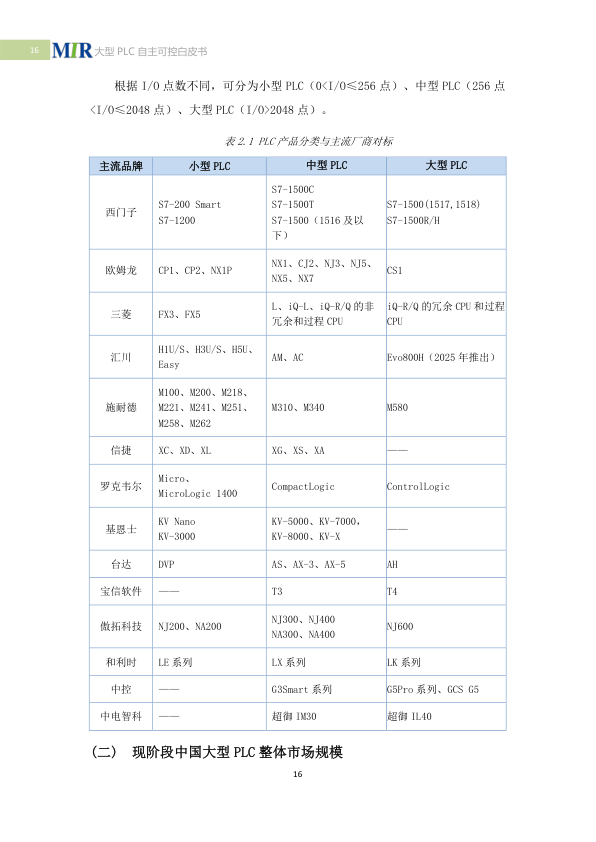
1. What is a “Large PLC”? Why is it important?
- PLC: The core device for industrial control, equivalent to the “brain” of a factory production line, controlling how robots, conveyor belts, valves, etc., operate.
- “Large PLC”: Used in complex and high-reliability scenarios such as steel, chemical, and energy industries (for example, a steel plant may require hundreds of PLCs to work together).
- Current Situation: Over 90% of the market has been occupied by foreign companies like Siemens (Germany) and Rockwell (USA), posing a “bottleneck” risk.
2. What are the key points discussed in the report?
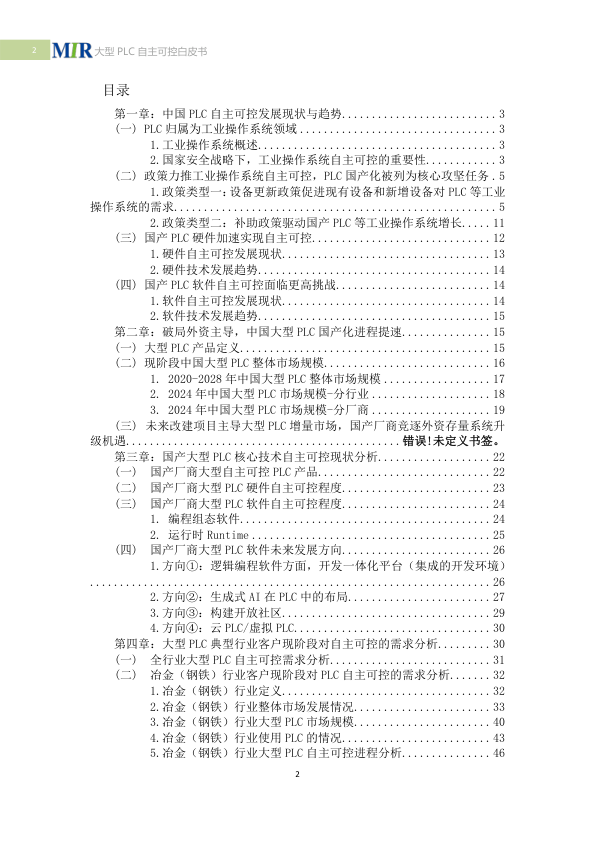
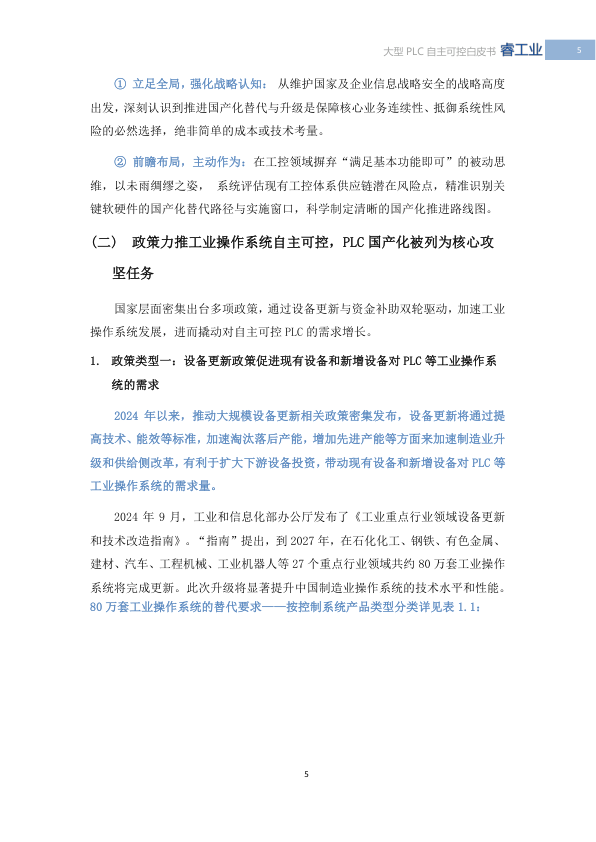
1. The state has classified PLCs as “industrial operating systems”, giving them a high strategic position.
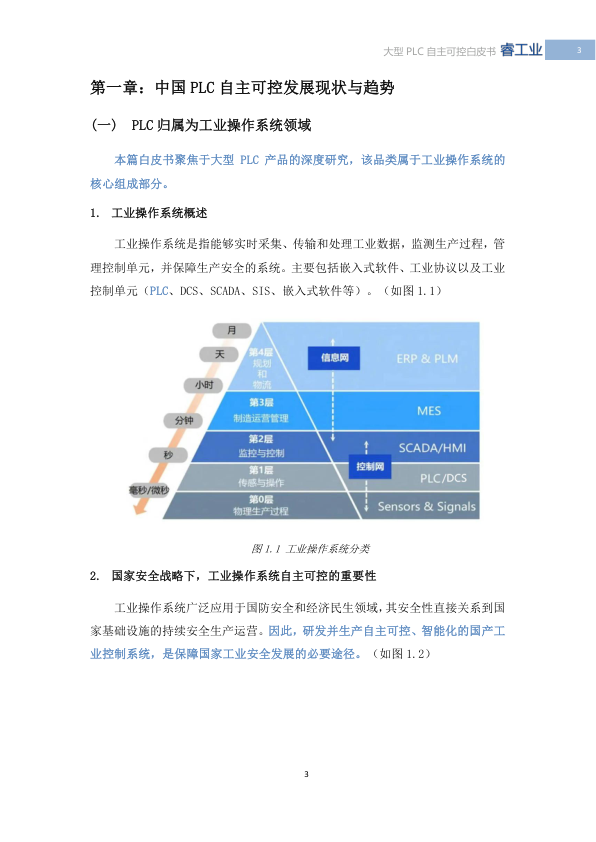
- The report emphasizes from the outset:PLCs belong to the “industrial operating system” domain;
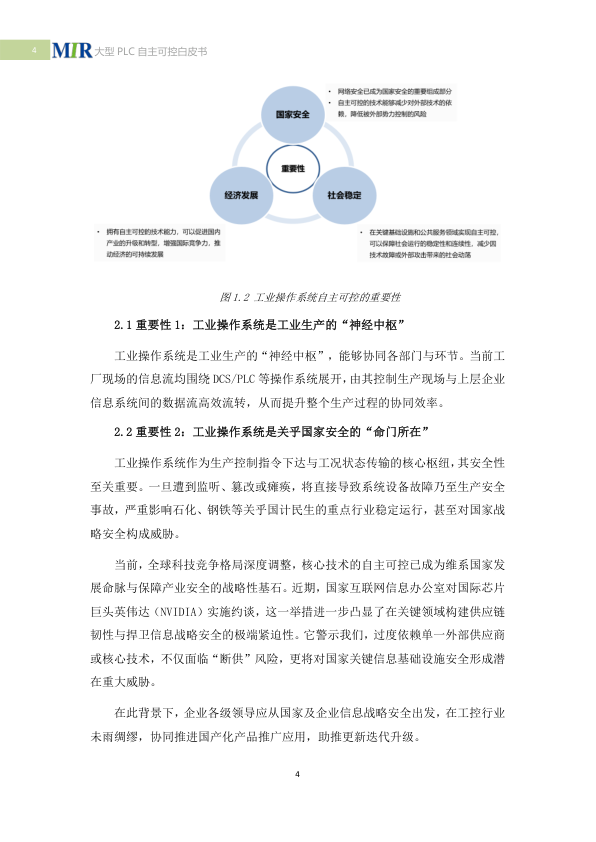
- Under the national security strategy,it is essential to achieve autonomous control to avoid key infrastructure being controlled by others.
2. Policies strongly promote domestic substitution.
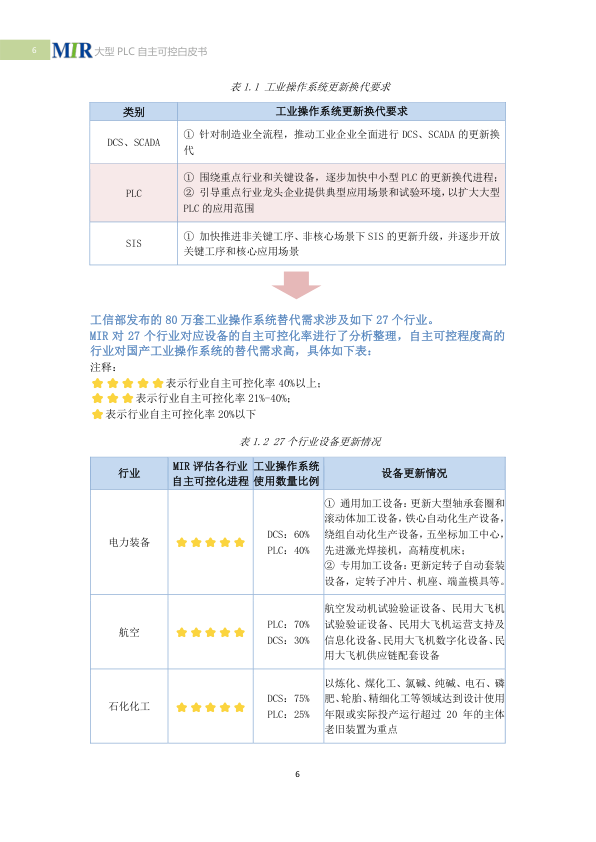
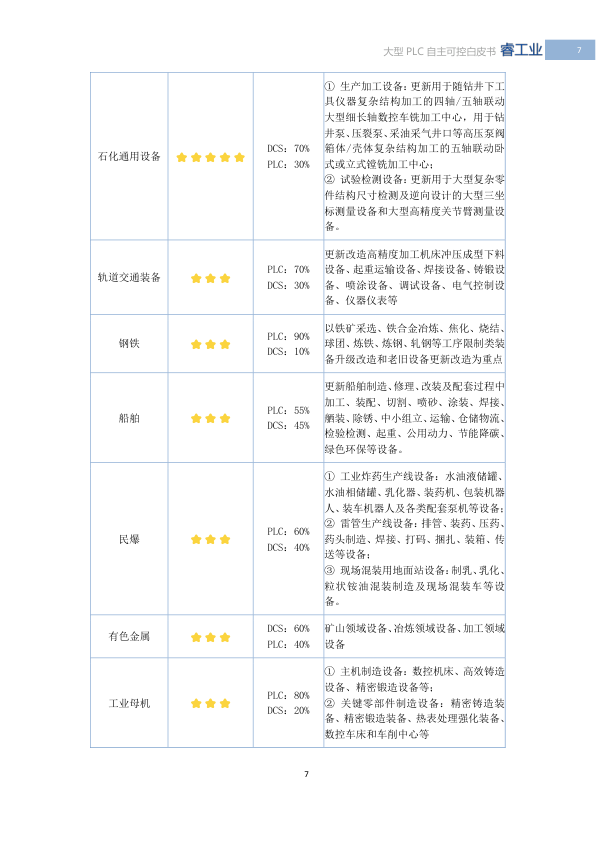
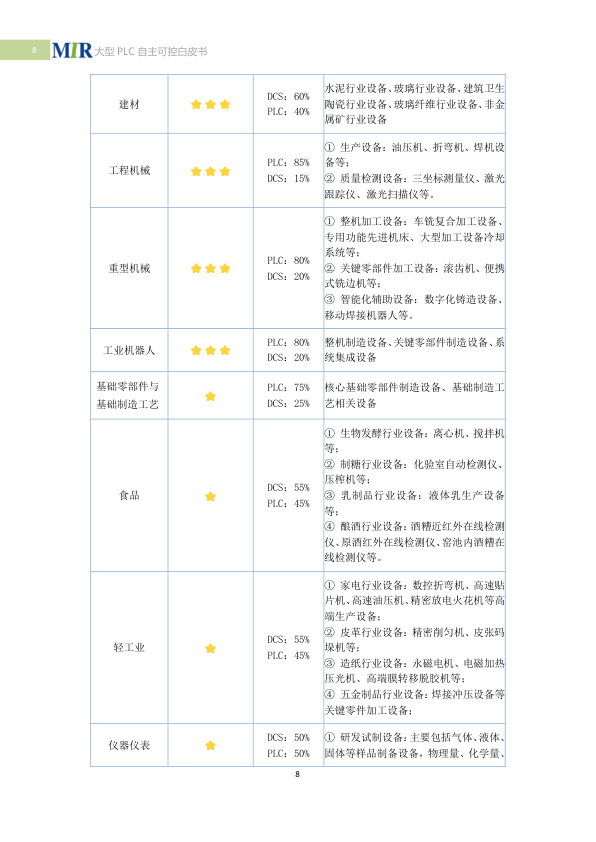
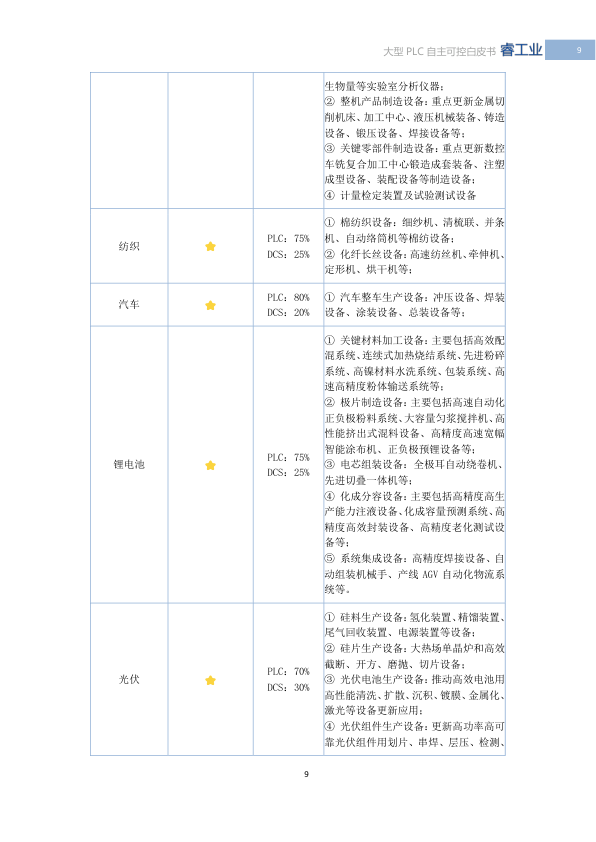
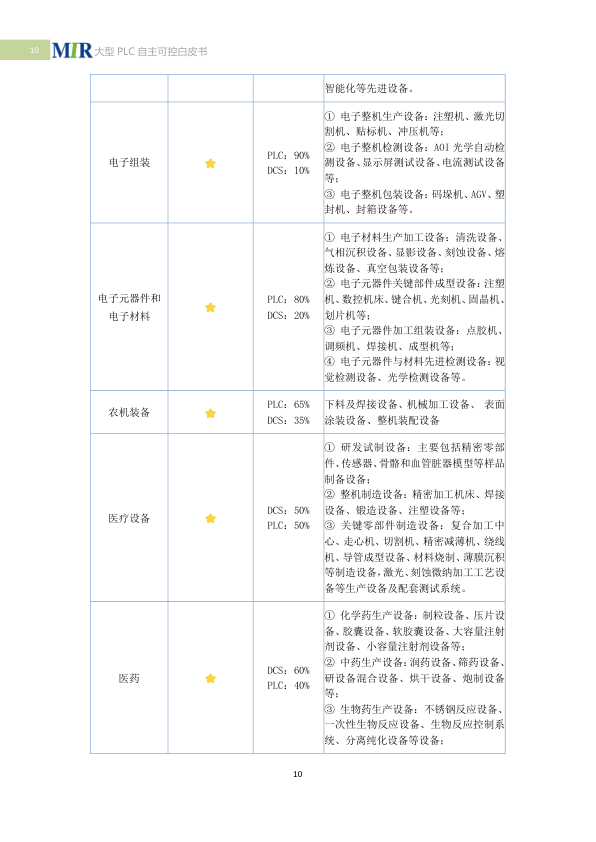
- Equipment update policy: Encourages enterprises to eliminate old imported equipment and purchase domestic PLCs;
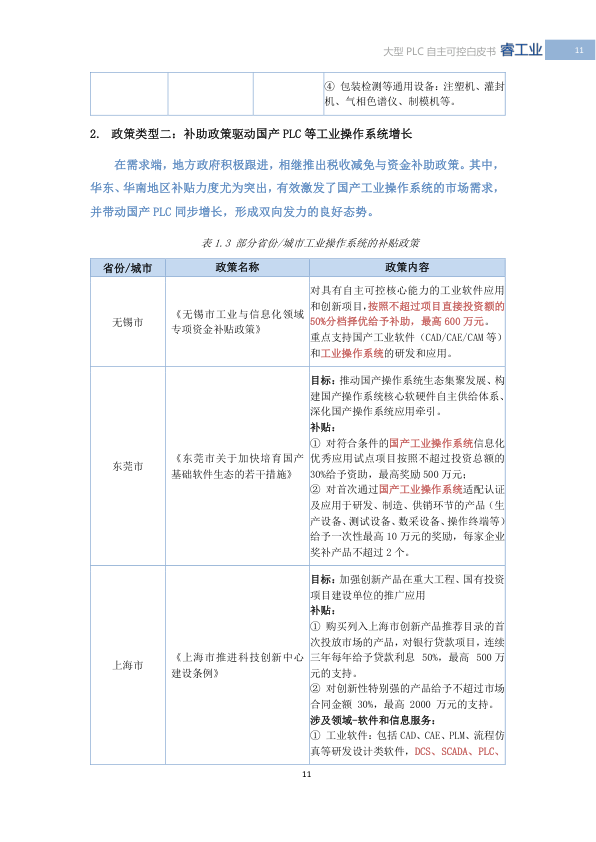
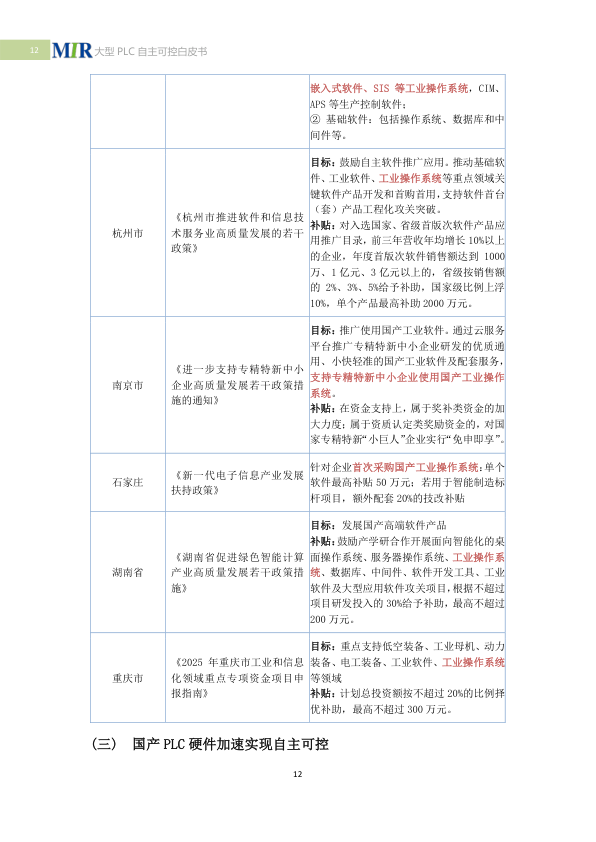
- Subsidy policy: Provides financial support for projects using domestic industrial operating systems;
- Goal: To listdomestic large PLCs as a “core task”.
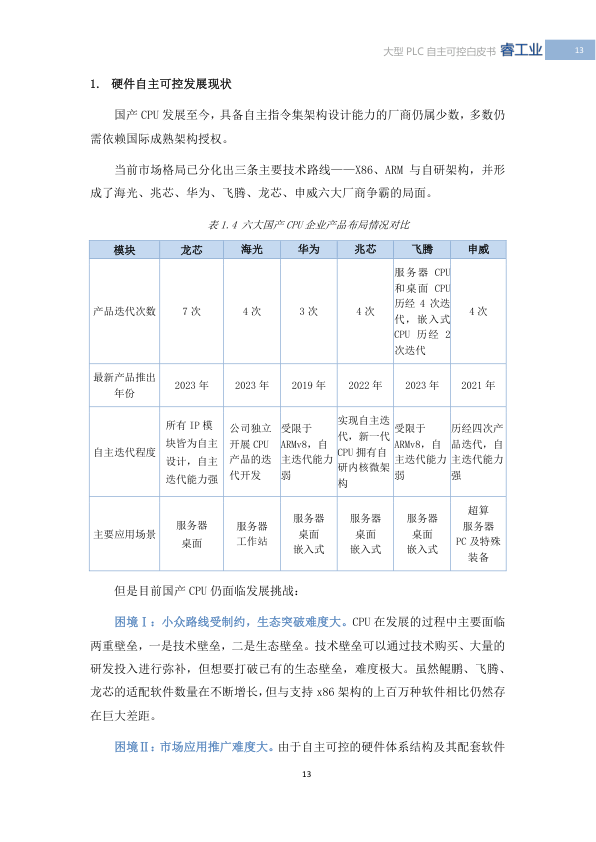
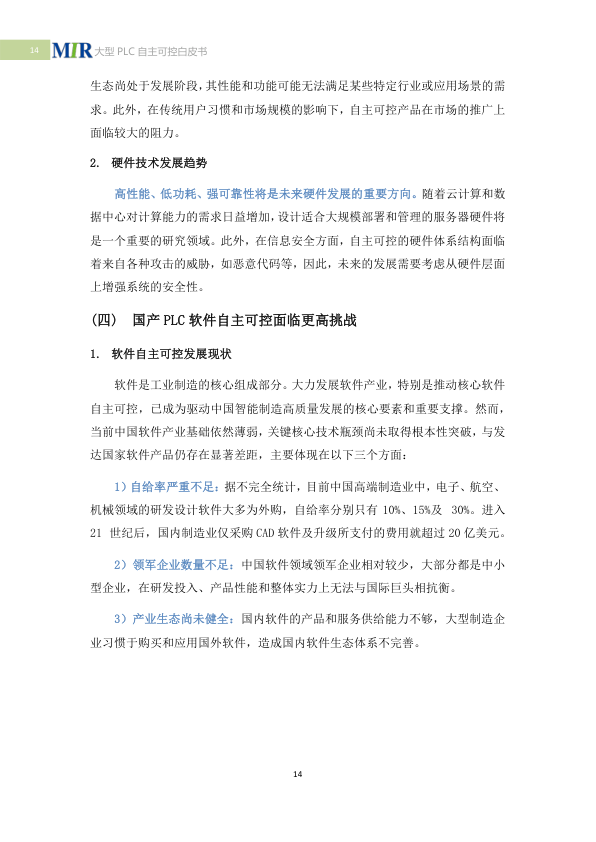
3. Hardware has made initial progress in autonomy, but software remains a challenge.
- Hardware: Domestic chips, circuit boards, I/O modules, etc., can now be self-developed, with rapid progress in hardware autonomy;
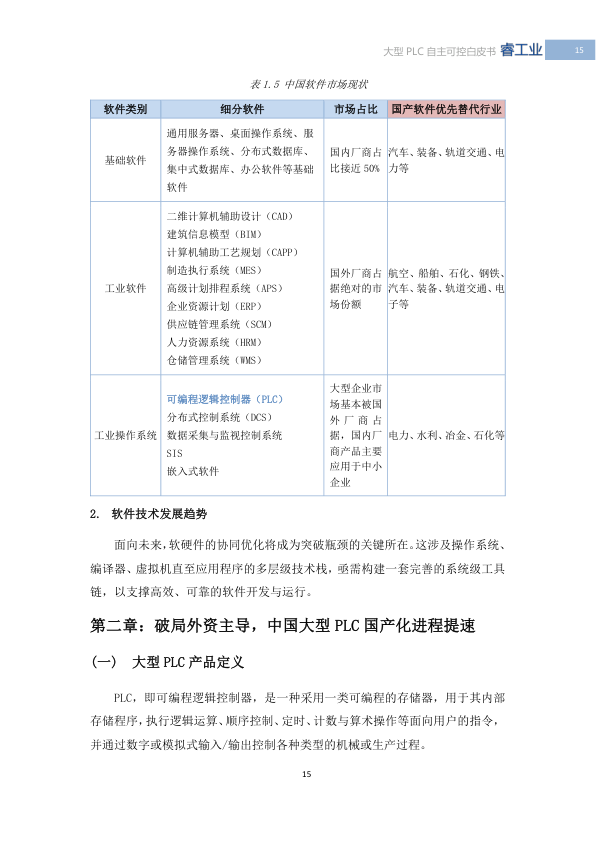
- Software (such as programming platforms and configuration tools):
- Still reliant on foreign ecosystems (like Siemens TIA Portal);
- Domestic software faces greater challenges in usability, stability, and compatibility.
4. Foreign giants are already laying out AI, while domestic companies are accelerating to catch up.
- Siemens: Launched Industrial Copilot, which uses generative AI to assist engineers in writing PLC code and automating repetitive tasks;
- Rockwell: Collaborated with Microsoft to integrate natural language code generation features into design software;
- Domestic situation: Generative AI in the industrial field is still in the early exploration stage, but is accelerating to catch up.
5. Who is leading the breakthroughs? — Baoxin Software
- The report specifically mentions: Baoxin Software (under Baowu Group) as a pioneer in the research and development of domestically controlled PLCs;
- Its products have been applied in the steel industry, achieving a leap from “usable” to “user-friendly”.
3. An Example
In the past: A Chinese steel plant’s control system used only Siemens PLCs; if international relations became tense or supply was cut off, the entire production line could halt. Now: Baoxin Software’s domestic PLC replaces imports, not only controlling the steelmaking rhythm but also integrating AI to optimize energy consumption, with data being completely autonomous.
This is the significance of “autonomous control” — holding the industrial lifeline in our own hands.
4. Conclusion
The localization of large PLCs is not a question of “can we?” but rather “we must do it quickly”. Although the software ecosystem remains a shortcoming, under the triple drive of policy, demand, and technology, China is transitioning from “catching up” to “running alongside”, and even seeking to “overtake on a bend” in new tracks such as AI integration.

Disclaimer:
This article is originally written by us, and the data and information cited in the text come from publicly available authoritative sources (such as announcements from listed companies, government documents, industry reports, etc.), which have been noted as sources, and are only used for explanation and analysis, in accordance with the principle of fair use. We respect intellectual property rights; if the rights holder believes that the cited content has infringement issues, please contact us via email at [email protected], and we will verify and handle it within 48 hours. The content of this article is for reference only and does not constitute any decision-making advice.