The third SEA-Hi! forum of 2025 arrives at Fuxing Island, in collaboration with the 2025 Shanghai Urban Space Art Season, themed “Reviving the Future”, exploring technology, space, and art, discussing the future city.Yuan Feng, Vice Dean of the School of Architecture and Urban Planning at Tongji University, delivered an inspiring speech titled “Imagination Leads to Creation – AIGC Driven Embodied Robot Construction”.
Yuan Feng, Vice Dean of the School of Architecture and Urban Planning at Tongji University, SEA-Hi! forum speech video, duration 21:05.
For the past five years, my team and I have “grown” in this once-ignored corner of Shanghai, Fuxing Island, contemplating the future of the industry and promoting practical innovation, while also hoping to convey the potential value of Fuxing Island, which is both ancient and futuristic.
“Imagination Leads to Creation” is not only the theme of this speech but also a core understanding of urban revival and future development: the value of a city lies not in the newness or oldness of its spaces, nor in the height or lowliness of its specifications, but in whether it can provide a broad stage for people’s imagination, struggle, dreams, and careers. In my vision of Fuxing Island, it is a space full of possibilities – it can serve as a starting point and anchor for young people, entrepreneurs, and tech workers, as well as a support point for all who live in Shanghai (including new Shanghai residents), showcasing the innovative vitality of the metropolis.
As a professional who embodies both architect and technology developer, deeply engaged in the integration of technology and art, the core content of this sharing focuses on the AIGC-driven embodied intelligent robot construction practice.
The Unique Value and Positioning of Fuxing Island
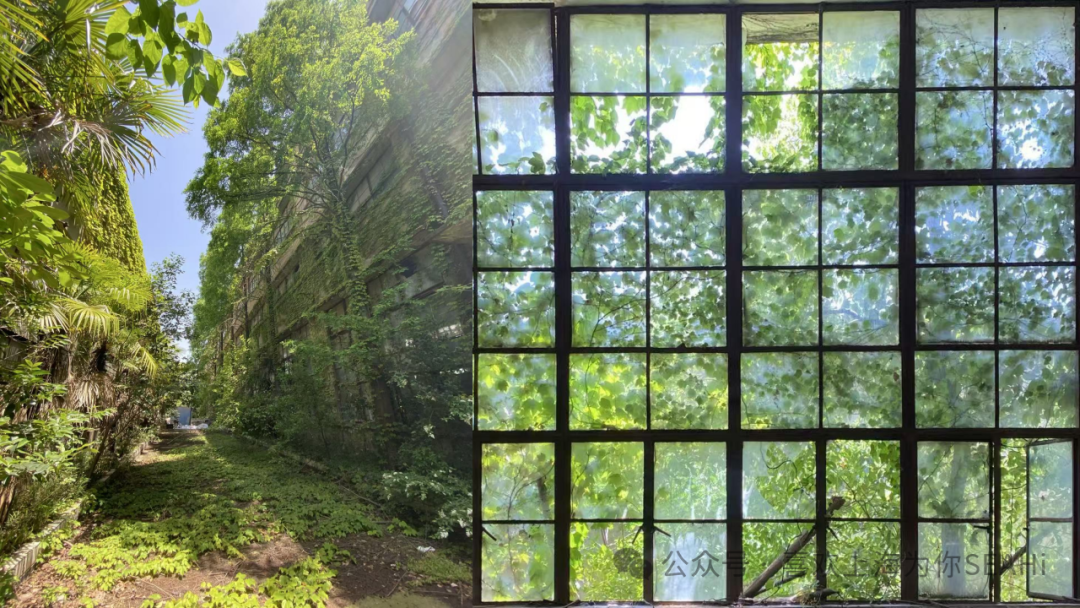
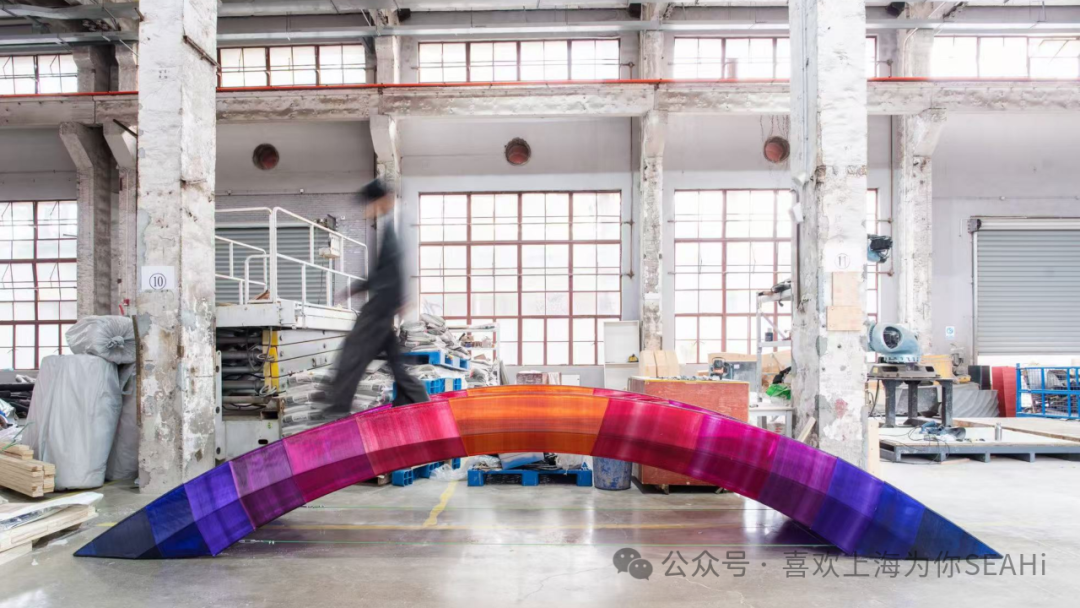
When I first arrived on the island in early 2020, Fuxing Island was exceptionally quiet, with only an old man riding a bicycle passing by. This tranquility became an ideal environment for contemplating the future and controlling the direction of innovation. What truly attracted me to delve deeper here were three major characteristics: First, the adaptability and plasticity of the space, providing a flexible carrier for various innovative practices; Second, the authenticity and vitality of the ecology, during the pandemic, the wild green plants naturally growing in crevices and on windowsills showed me the rare natural vitality in the city, reinforcing my commitment to protecting “ecological diversity”; Third, the pattern of “small spaces carrying big dreams”, although Fuxing Island is not large, it can become a global innovation hub. Previously, our team created a bridge made from recycled plastic waste, which was produced in the factories of Fuxing Island and eventually showcased at the Milan Triennale, demonstrating the creativity from Fuxing Island to the world.
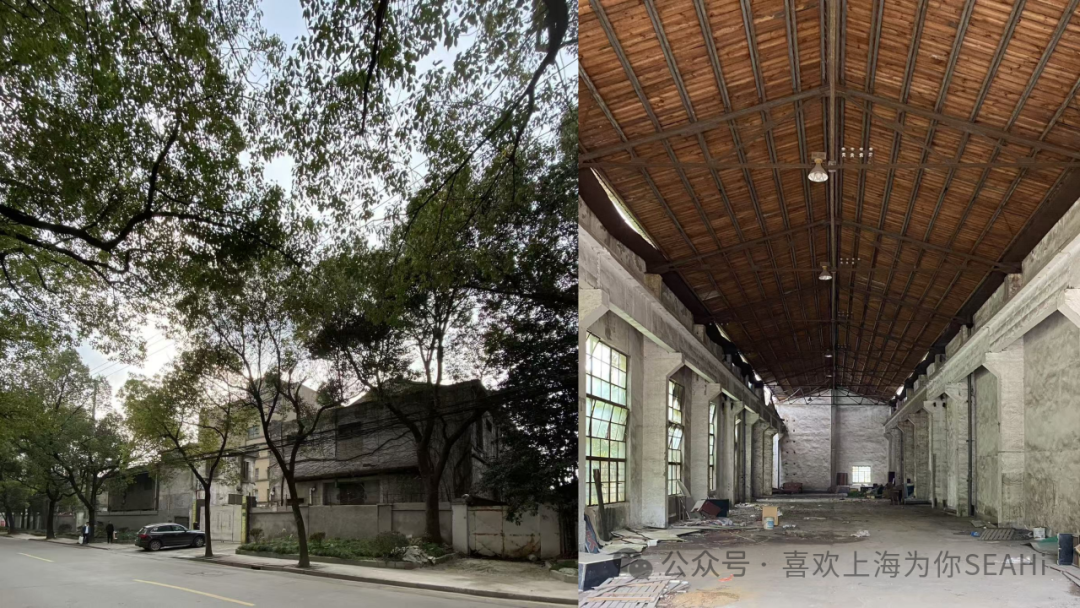
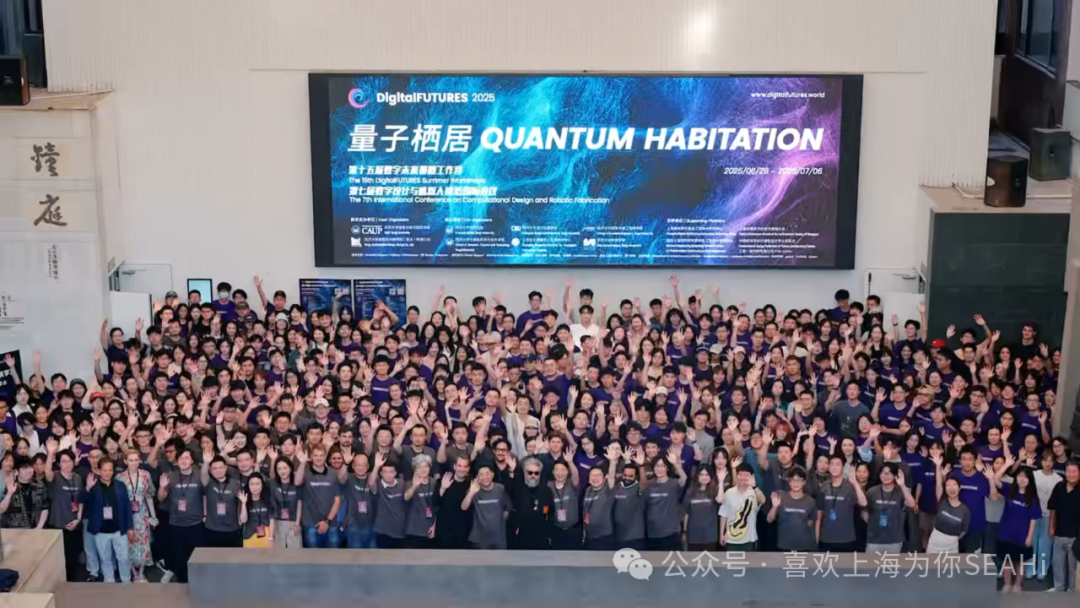
In addition to supporting creation, Fuxing Island has also become an important platform for international exchange and academic discussion. The “Robot Lecture Hall” on the island serves as a space for architectural construction and technical experimentation, as well as a bridge for academic exchanges both domestically and internationally – previously, over 30 students from the School of Architecture and Design at Binhai University held a forum here, experiencing the natural beauty of the Huangpu River and Shipyard Park while gaining a deep understanding of the technological core and future urban connotation of Fuxing Island. Additionally, we hold the DigitalFUTURES event annually at Tongji University, and this year (the 15th edition) is themed “Quantum Habitation”, attracting participants from 31 different language backgrounds globally, including teams from UCL in London, national laboratories in Germany, and research teams from the USA and South America, all discussing future urban forms and how to use new technologies to create learning, entrepreneurship, and job opportunities for young people, allowing creativity to influence the survival and development of the next generation.
Based on the explorations of past DigitalFUTURES events, my team proposed three core directions in 2024: “Co-agency, Co-pilot, Co-existence”, which also became the underlying logic of our innovative practices on Fuxing Island.
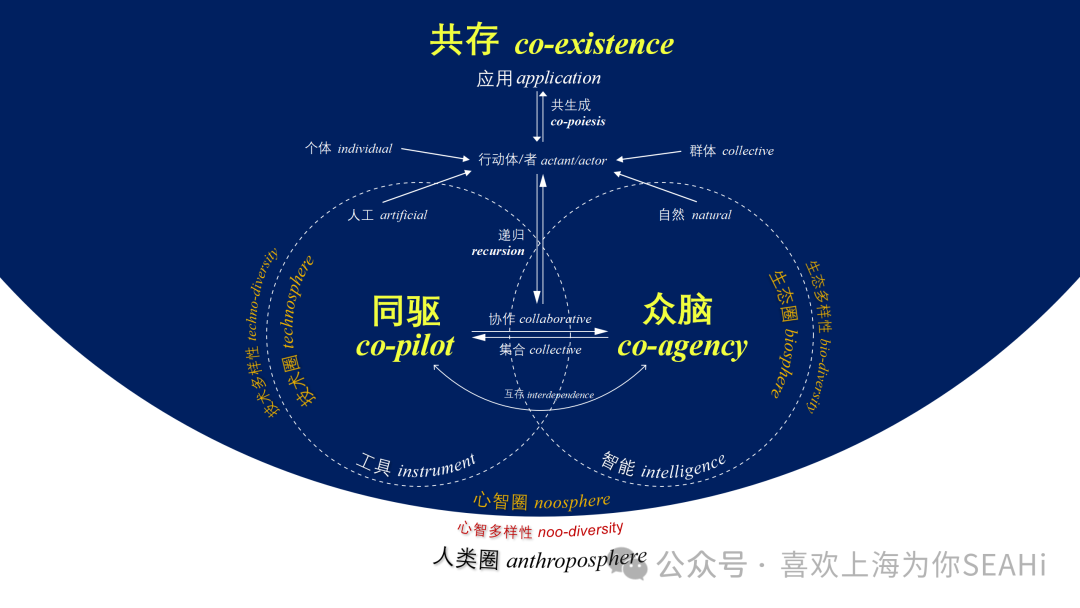
“Co-agency” means that we have entered an era where human-machine collaboration influences cities, where every scholar, student, and urban developer must participate in the creation of intelligent agents;“Co-pilot” emphasizes the importance of tools, where future inventions not only include objects but also encompass tools that empower practices;“Co-existence” focuses on the beautiful future of human-machine symbiosis, and the key to achieving this future lies in constructing “three diversities”: ecological diversity, pursuing a naturally diverse biological environment rather than a single ecology created by human intervention; technological diversity, breaking the monopoly of single technologies to provide everyone with a platform to create their own technologies and tools, which is the purpose of the laboratory on Fuxing Island; and cognitive diversity, advocating for action to stimulate diverse thinking, encouraging students and practitioners to step out of the passive mode of “listening to lectures” and actively participate in practical innovation.
Key Platform Construction and Technological Breakthroughs
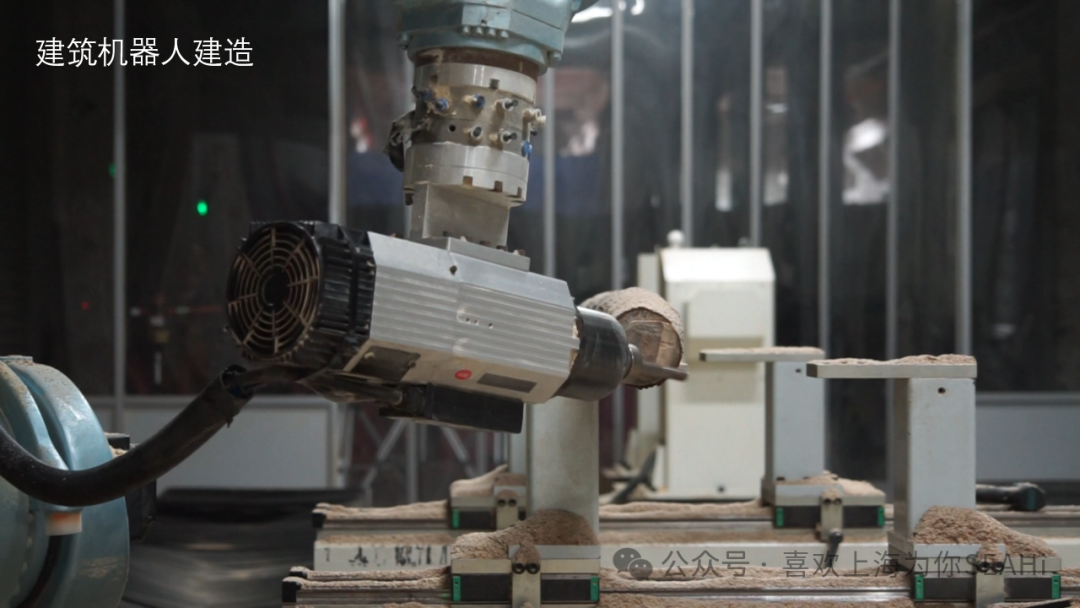
Based on the above concepts, my team has established a “Direct Line for Design and Construction” on Fuxing Island, with the core aim of connecting AI tools with robotic construction, achieving a seamless process from creativity to implementation. Currently, the team has established two major institutions on Fuxing Island: the “Shanghai Digital Construction Engineering Research Center” and the “Shanghai 3D Printing Technology Research Center”, forming an innovative platform for “industry-education integration” – integrating the research capabilities of doctoral and master’s students from Tongji University while addressing the transformation needs of social industries, promoting the transition of research results from the “laboratory” to the “industrial field”. Relying on this platform, the team has achieved breakthroughs in three areas: First, “Super Design”, significantly enhancing the creative capabilities of designers through human-augmented super-intelligent agents; Second, “Super Perception”, accurately perceiving human behavior, machine behavior, and construction behavior in the city using the FUSence platform; Third, “Super Configuration”, developing construction robots to arm practical hands, forming new productive forces and production relations, and building an innovative training ground that integrates virtual and real.
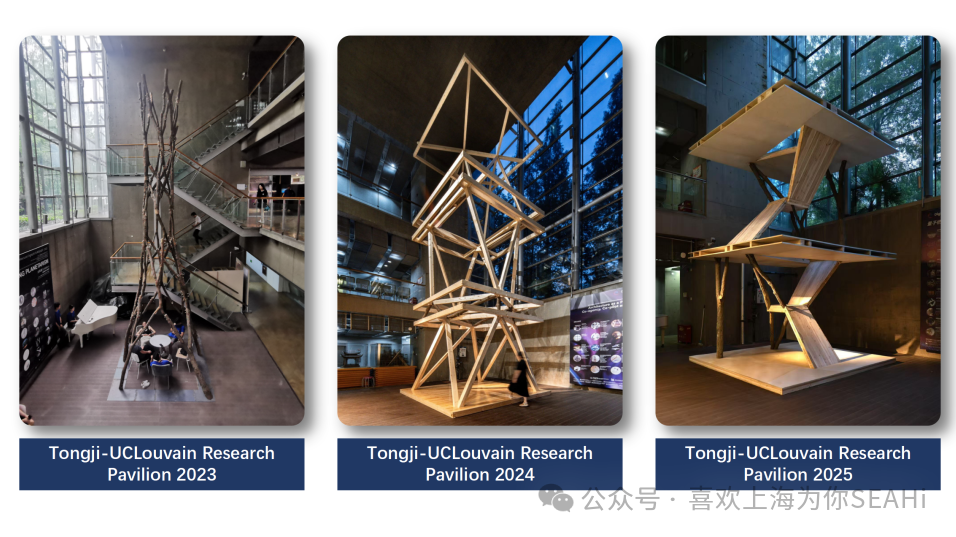
With the support of technology and platforms, my team has completed numerous innovative and impactful practical cases on Fuxing Island, achieving technological breakthroughs and promoting international exchanges and urban construction. In the field of international cooperation, the team has engaged in a three-year collaboration with KU Leuven, a university with a 600-year history. In the summer of 2023, we organized students to complete the construction of a mortise and tenon structure tower in just two days and nights – this tower is inspired by the Yingxian Wooden Pagoda (with an external five-layer and internal nine-layer structural logic). Through professional knowledge programming transformation, all components were pre-processed by robots, achieving “nine rods in one” at the joints (no nails, all mortise and tenon), and using VR/AR technology for precise assembly; during the 600th anniversary of KU Leuven in 2024, this tower was invited to be replicated in the university square, completed in just 10 hours, becoming a testament to the mutual learning and technical recognition between China and Belgium. In the same year, the team also completed a 1:2 scale prototype of a staircase themed “Wabi-Sabi” using AI graph neural network training technology, combining discarded wood and boards, led by fourth-year undergraduate students from Tongji, with doctoral and master’s students assisting, integrating traditional Belgian digital tools with robotic technology, showcasing a new structural concept of “coexistence of nature and planning”.
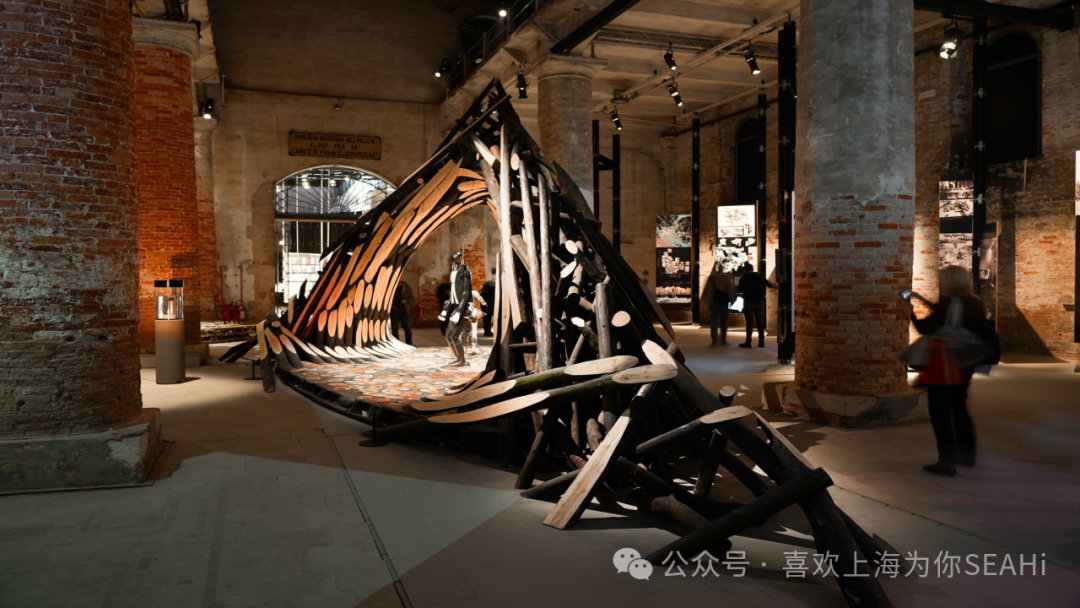
In the field of international exhibitions, the team participated in the 2024 “Micro Biennale” (one of the foundation’s special projects) with a work also born from Fuxing Island. The inspiration for this work comes from resource reuse in extreme environments: the strongest typhoon in Shanghai in 70 years in 2023 caused many trees to fall in Fuxing Island Park, and the 2024 Los Angeles wildfires also produced a lot of waste. Two doctoral students from the team collected four to five hundred fallen waste woods, completed sub-millimeter level digital modeling and database creation using FUSense software, and then used AI tools to reshape the wood structure and geometric dimensions into a spatial installation. To solve the problem of “prefabrication on Fuxing Island and assembly in Venice”, the team relied on years of accumulated irregular wood training sets to enhance the robots’ capabilities in grasping, recognizing, and milling wood, and collaborated with teams from MIT and ETH Zurich, introducing humanoid robots to the Venice Biennale site to create a training ground for humanoid robots, completing the matching training of embodied intelligence and spatial activities, allowing the innovative practices of Fuxing Island to shine on the international stage.
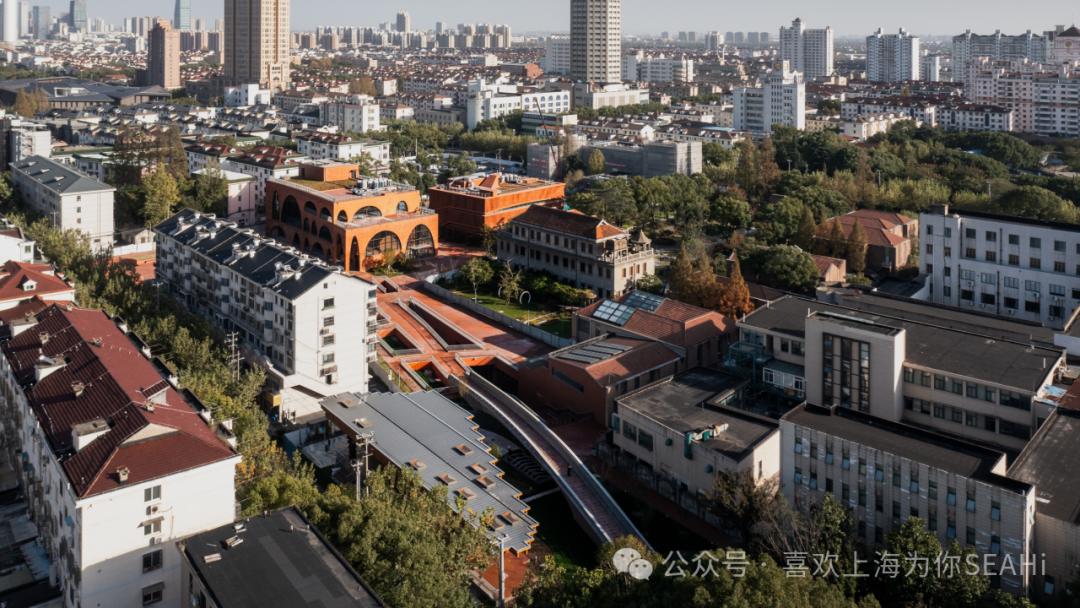
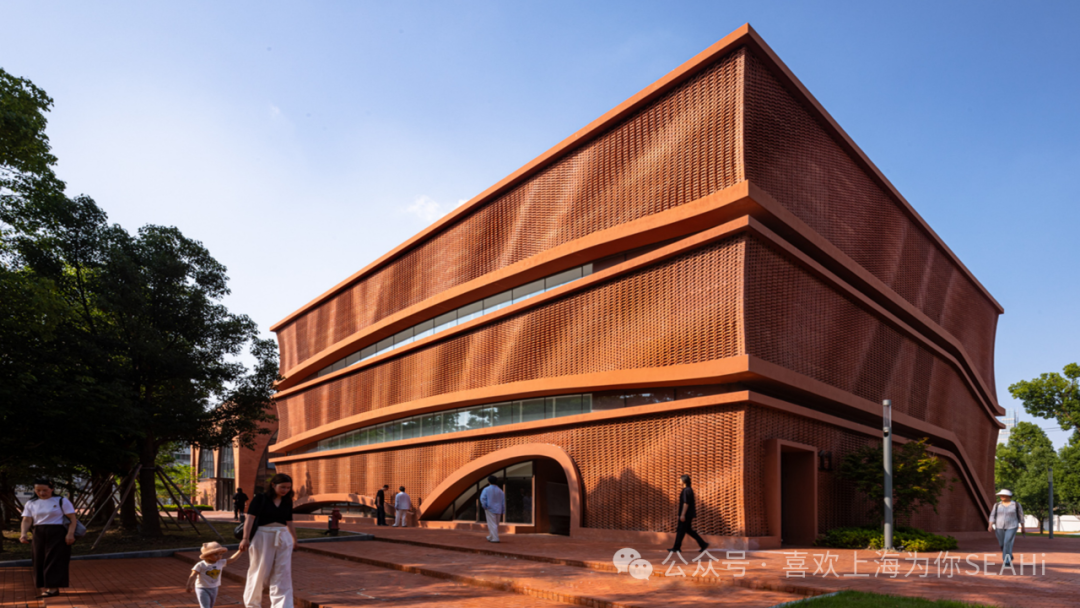
In the field of urban construction, the team has implemented the technological achievements of Fuxing Island in the renovation project of the old city of Nanjiao in Shanghai. As an old city, Nanjiao’s brick construction heritage holds significant value for protection and inheritance. Therefore, the team completed two core works on Fuxing Island: the world’s largest 3D printed bridge and the world’s largest robotic brick construction project. Each brick of the robotic brick construction project was prefabricated on Fuxing Island, with the curves at the corners precisely controlled by algorithms, achieving perfect connections of rotating and shifting bricks – such high precision craftsmanship is difficult to achieve manually and can only be realized through robots. During the scorching summer of 2024 in Shanghai, the team used two bricklaying robots for construction, with workers only needing to operate remotely from an air-conditioned control room, completing the renovation work in just two and a half months, achieving twice the efficiency of manual labor, preserving the cultural heritage of the old city while creating more industry opportunities for young people with new technologies.
Future Development Vision and Goals
Our team’s future vision: First, to support the development of new productive forces through speculative knowledge production, aiding in Chinese-style modernization; Second, to break away from extensive development models, promoting flexible construction with mass customization, making Fuxing Island a demo platform connecting universities, research, and industry; Third, to deepen industry-education integration, transforming Fuxing Island from a “tourist spot” into a core carrier for promoting the collaborative development of technology, industry, and education, constructing a prototype of future digital factories; Fourth, to focus on intelligent engineering research and development, reshaping the social production model of flexible construction, ultimately realizing the ideal of “Imagination Leads to Creation”, allowing the innovative practices of Fuxing Island to inject continuous momentum into the future of cities, industry development, and the growth of young people.
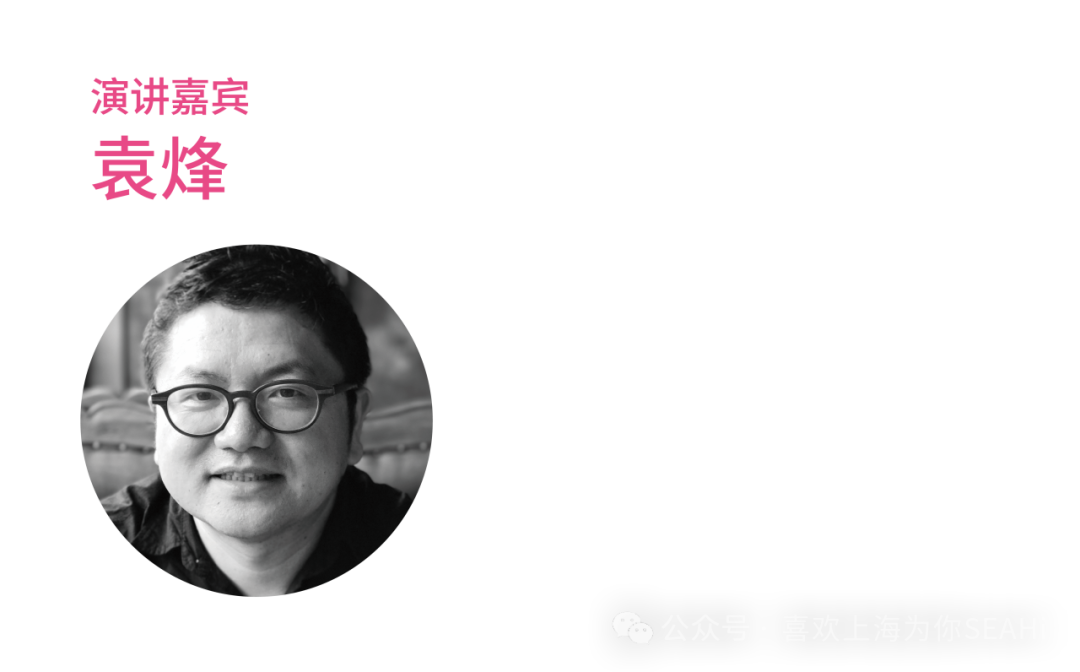
Professor at Tongji University, Honorary Fellow of the American Institute of Architects FAIA, Distinguished Professor of the “Changjiang Scholars” program of the Ministry of Education, Editor-in-Chief of the journal Architectural Intelligence. Visiting Professor at MIT, Thomas Jefferson Chair Professor at the University of Virginia. Recipient of the highest award for architectural technology from the UIA International Union of Architects – the Auguste Perret Prize, the highest award for academic innovation from the International Association for Computational Design – the ACADIA Academic Innovation Award, the Honorary Architectural Award from the American Institute of Architects AIA, and the Special Award for “Sustainable Development” from the Asian Architectural Association.

This article is organized based on the speech content and may not be reproduced without permission.
More exciting content will continue to be updated, please stay tuned.



Video collection of SEA-Hi! forum from issues 1-31