On August 29, domestic automotive chip manufacturer Xinch Semiconductor announced that as of now, the cumulative shipments of its entire product line, including smart cockpit and high-performance automotive MCU (Microcontroller Unit) chips, have exceeded 8 million units, covering over 100 mainstream models including the Zeekr T1, Li Auto i8, Dongfeng Nissan, and Wuling.
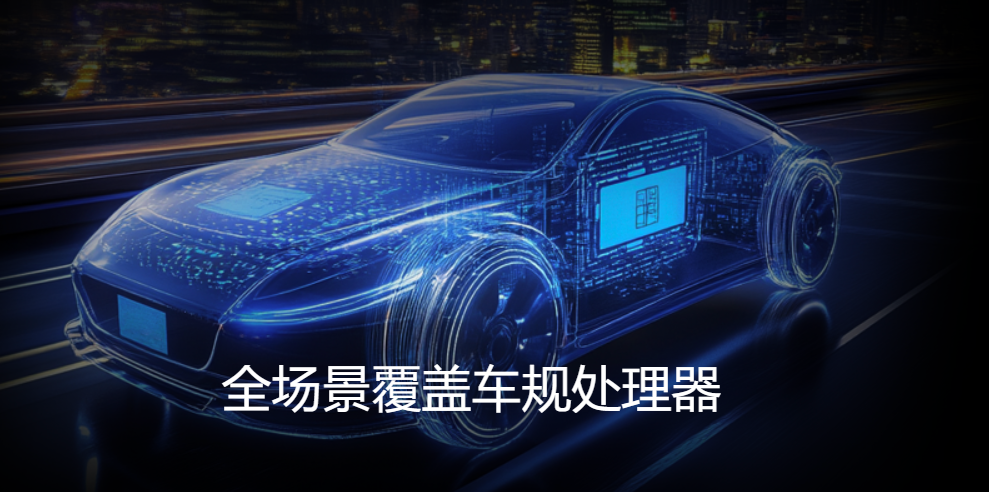
Image source: Xinch Semiconductor official website
Basic Knowledge of MCUs
MCU, or Microcontroller Unit, integrates CPU, ROM, and RAM to achieve processing and storage functions. The precise coordination of its internal components allows it to be widely used in various fields such as automotive electronics, industrial control, and computer networks. The CPU is responsible for computation and control, serving as the core component of the MCU. ROM acts as the program memory, storing pre-written programs by manufacturers to ensure the functionality of the MCU. RAM directly exchanges data with the CPU and serves as a temporary data storage medium.
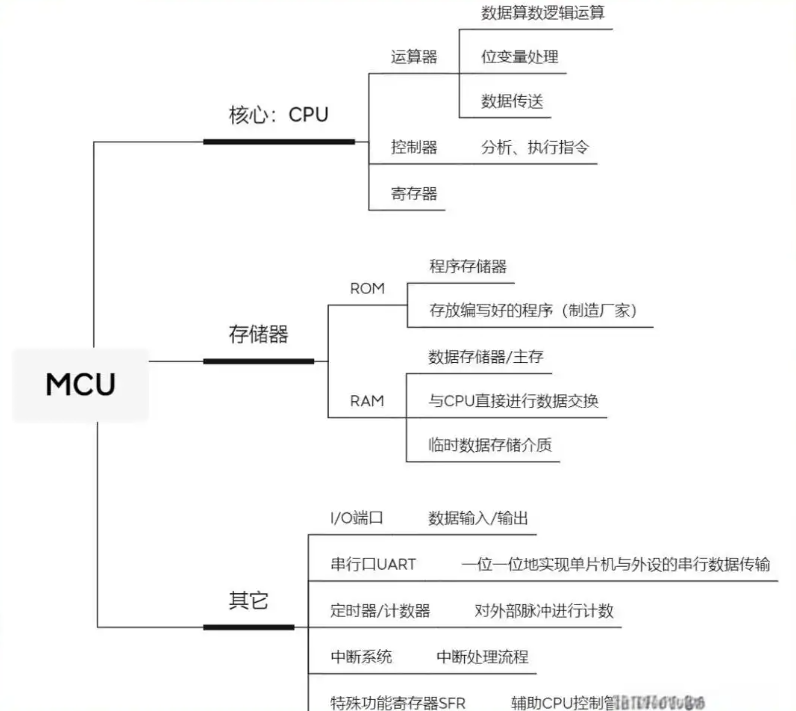
8-bit MCUs are commonly used for low-end control functions, such as lighting and wiper control, due to their low cost. However, when faced with more complex functions, such as instrument display and in-vehicle information systems, 32-bit MCUs have become the mainstream choice due to their stronger data processing capabilities. The products reported in this article focus on two major applications:
-
Smart cockpit chips: The core of the in-vehicle interaction system, achieving intelligent human-vehicle interaction by integrating various functional modules (such as voice recognition, navigation, entertainment, etc.).
-
High-performance automotive MCUs: Mainly used in key control areas such as body domain and chassis domain, characterized by high computing power and high reliability.
Introduction to Xinch Semiconductor
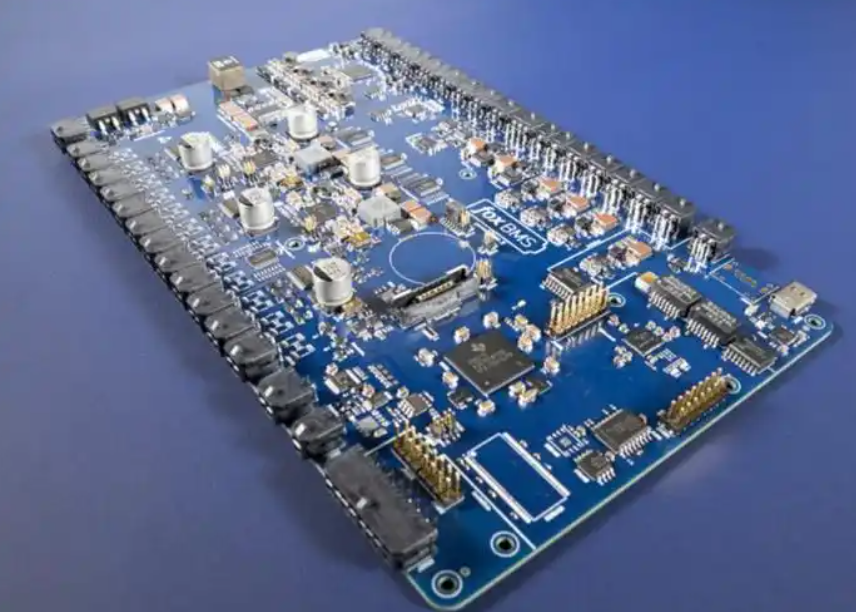
Beijing Xinch Semiconductor Technology Co., Ltd. (referred to as: Xinch Semiconductor) was established in 2018, headquartered in the Beijing Economic and Technological Development Zone, focusing on the research and production of automotive-grade chips, dedicated to providing high-performance and high-reliability chip solutions for smart vehicles.
Core Products
-
X10 series AI cockpit chips: Utilizing a 4nm process, equipped with 200K DMIPS computing performance, 1800 GFLOPS GPU, and 40 TOPS NPU, supporting 7B multimodal large model edge deployment, with a bandwidth of 154 GB/s, meeting the multi-task concurrency requirements of smart cockpits.
-
E3 series intelligent control MCUs: Including products like E3620P and E3650, covering scenarios such as area controllers and electric drive power systems, supporting various architectures such as single electric control and hybrid dual electric control, and have been designated for core projects by multiple automotive companies.
Domestic Market Share: In the first quarter of 2025, among models priced above 100,000 yuan, the installation volume of its X9 series cockpit chips ranked first among domestic products, with cumulative shipments exceeding 8 million units, covering over 100 mainstream models globally.
International Competitiveness: Among the top ten exporting automotive companies in 2023, half have mass production cooperation with Xinch, showing strong performance in overseas markets.
Technological Breakthrough: First to launch chip solutions based on the “central computing + regional control” architecture, driving the upgrade and reconstruction of the automotive MCU market, breaking the monopoly of overseas manufacturers.
Market Landscape of Smart Cockpit MCUs
In the smart cockpit SoC chip market, Qualcomm, Intel, and NVIDIA currently dominate the mid-to-high-end sectors, possessing significant advantages in process and computing power; the low-end market is primarily led by traditional automotive electronics companies such as Renesas, Texas Instruments, and NXP. Meanwhile, emerging forces represented by Huawei and Samsung are rapidly rising, with high-performance computing and in-vehicle operating systems becoming the core of competition:
-
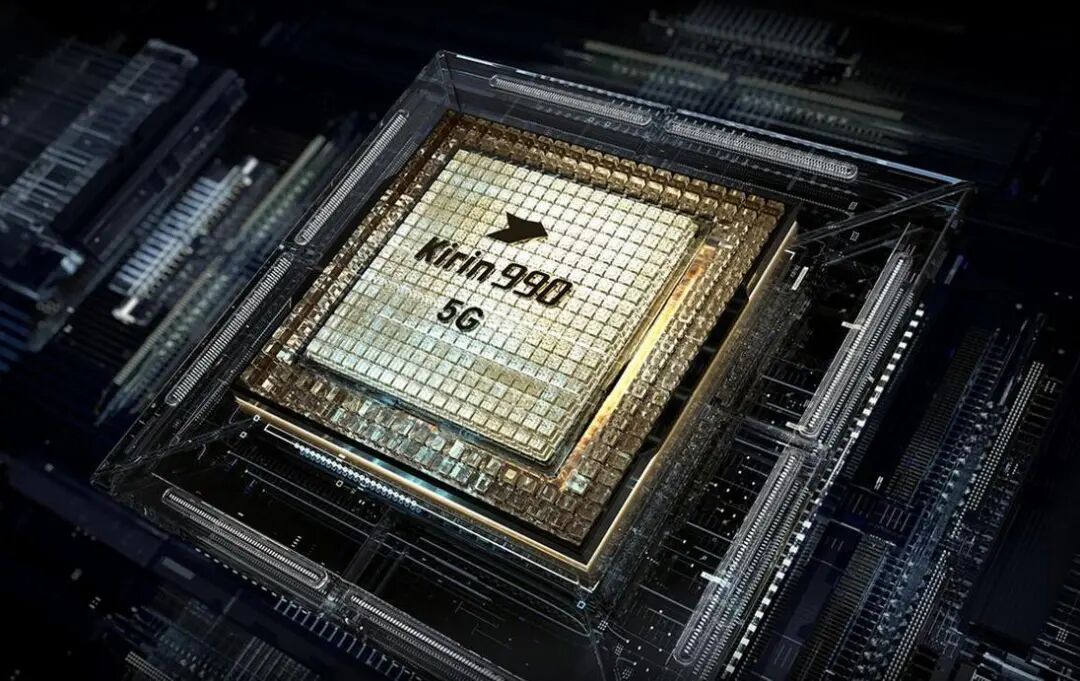
Huawei: With its Kirin chips and HarmonyOS ecosystem, the Kirin 990A has approached the performance of international mainstream chips, with outstanding AI computing power.
-
Jiefa Technology: Launched the AC8015 chip, targeting the entry-level market, supporting multi-screen and multi-system operation, and has achieved large-scale pre-installation applications.
-
Zhongke Chuangda: Significantly advantageous in software, maintaining a leading position in operating systems and middleware through cooperation with Qualcomm.
-
Horizon Robotics: Launched the Journey 2 chip, providing full-scene solutions from intelligent driving to smart cockpits, already applied in multiple domestic automotive companies.
In addition, local companies such as Desay SV, Rockchip, and Allwinner Technology continue to grow due to their localization advantages. In the future, smart cockpits will further integrate with technologies such as intelligent driving and vehicle-to-everything (V2X), jointly promoting the development of automotive intelligence.