LoRaWAN, as a widely used low-power wide-area network (LPWAN) technology in the Internet of Things (IoT) field, has become an important communication foundation in various industries such as smart cities, industrial automation, and environmental monitoring due to its advantages of long range, low power consumption, and wide coverage. In practical deployments, the dual NS (Network Server) architecture has gradually become a flexible and highly available solution.
So, what scenarios support dual NS in LoRaWAN gateways? Let’s take a look.
What is the Dual NS Architecture?
In a LoRaWAN network, the NS (Network Server) is responsible for core functions such as device onboarding, data parsing, deduplication, and issuing downlink commands. In a traditional LoRaWAN architecture, a gateway typically connects to only one NS. However, the dual NS architecture allows the gateway to simultaneously push uplink data to two different NS servers, enabling dual-channel data processing.
This architecture is typically used in scenarios requiring local processing + cloud management, data backup + high availability, especially suitable for industry applications with high demands for data security and system stability.
Typical Application Scenarios for Dual NS
1. Local Monitoring + Cloud Management
In some IoT projects, users wish to deploy an NS locally for quick response and real-time monitoring while also synchronizing data to a cloud NS for remote management, big data analysis, and long-term storage.
For example, in a factory automation scenario, the local NS can process device data in real-time and trigger control logic, while the cloud NS is used for centralized management of data from multiple plants, performing unified operations and report generation. At this point, the gateway needs to send data to both NSs simultaneously, but downlink commands can only be controlled by one NS to avoid downlink conflicts.
2. Data Backup and Network Recovery Transmission
In certain unstable network environments or scenarios with high demands for data integrity, the gateway needs to parse data and store it locally, and upon network recovery, transmit the data from the downtime back to the cloud NS.
In this scenario, a local NS is typically configured for data processing and storage, while another cloud NS is used for centralized management. When the network is interrupted, the local system continues to operate and cache data; once the network is restored, the cached data is uploaded through the cloud NS, achieving seamless data continuity.
3. Multi-Platform Access and System Migration
During system upgrades or platform migrations, users may need to run two NSs simultaneously to ensure a smooth transition between the old and new systems. With the dual NS capability of the gateway, it is possible to access two platforms in parallel, gradually validating the stability of the new system while maintaining the data integrity of the old system.
Technical Key Points of Dual NS Architecture
- Dual Uplink Data Transmission: The gateway sends the received uplink data to both NSs simultaneously.
- Single Downlink Command Transmission: To avoid conflicts, typically only one NS is allowed to have downlink control capability.
- Device Profile Synchronization: One NS must continuously update the device profiles to ensure both NSs maintain consistency regarding device status.
- Protocol Compatibility: Both NSs must support the same LoRaWAN version and protocol specifications; otherwise, data parsing failures may occur.
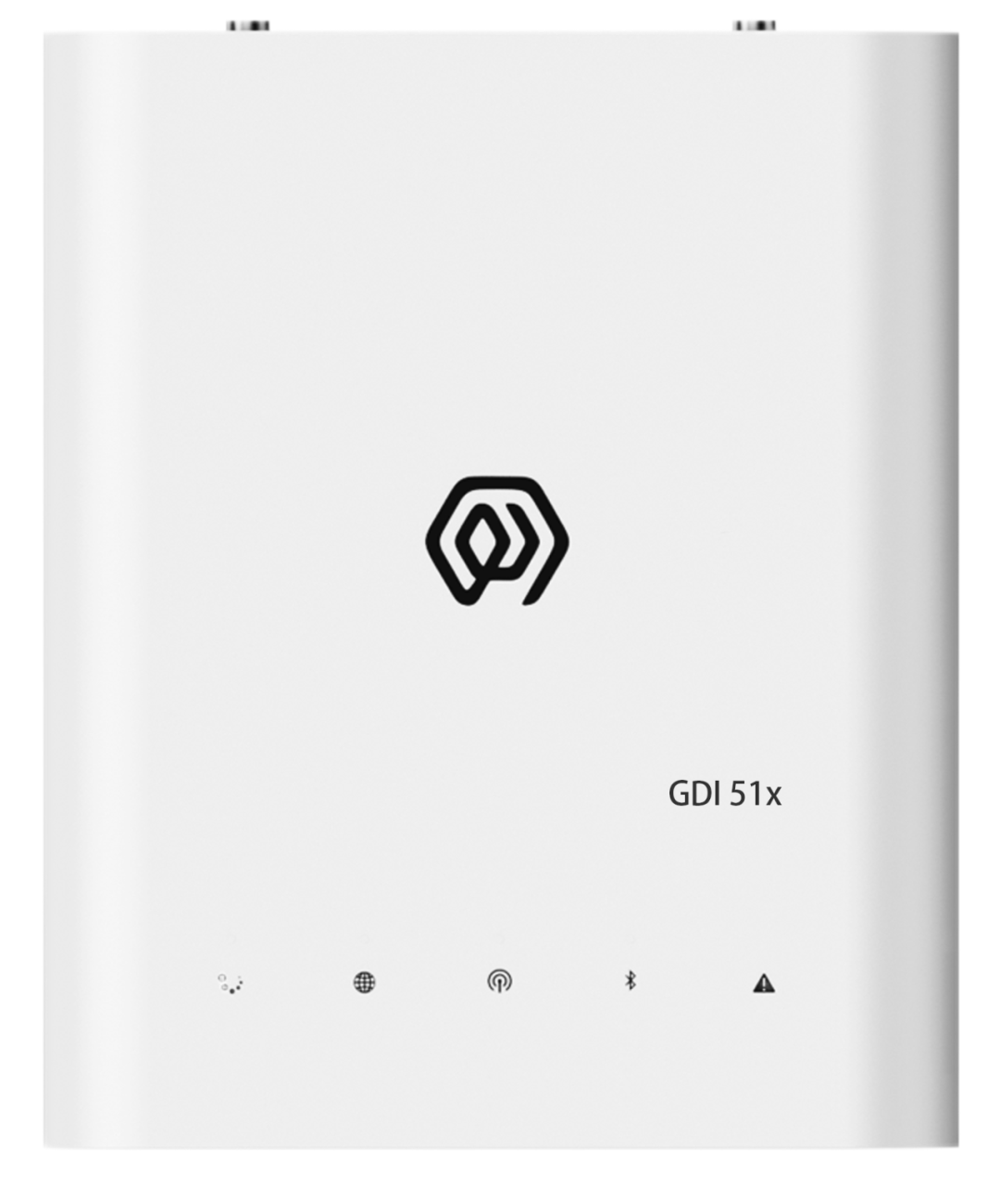
Manthink’s LoRaWAN Gateway and NS Support Dual NS Architecture
Manthink’s LoRaWAN gateway and NS (thinklink) system inherently support the dual NS architecture, suitable for the various complex scenarios mentioned above. Its gateway supports multiple protocol access (such as ChirpStack, Basic Station, TTN, thinklink, GWMP, etc.) and can flexibly configure dual NS forwarding strategies to ensure stable system operation.
Thinklink, as Manthink’s self-developed LoRaWAN network server platform, offers both cloud and edge deployment options, supports global LoRaWAN standards, and features capabilities such as rule engines, card displays, and multi-system integration, making it an ideal choice for implementing dual NS architecture.
Conclusion
The dual NS architecture provides greater flexibility and reliability for LoRaWAN networks, suitable for local + cloud collaborative management, data backup, system migration, and various other scenarios. As IoT applications continue to deepen, this architecture will receive increasing attention.
Thinklink: An open LoRaWAN application platform that accepts global standard LoRaWAN devices from any brand, supporting integration with BACnet, Home Assistant, and Thingsboard.
- Cloud Version: Free forever for 1000 devices https://thinklink.manthink.cn
- Edge Version: Low-cost independent deployment, supporting 1000 device access
- More Information: https://www.manthink.cn
- Contact Email: [email protected]
If you would like to learn more about Manthink’s LoRaWAN products and solutions, please visit our official website or contact our technical team.