In many emergency scenarios, wireless video transmission devices and broadband self-organizing network devices are frequently used. Both types of equipment operate on-site and utilize wireless network technology to achieve information transmission. Given the prevalence of video applications today, where the primary data transmitted is video, many people are unclear about the differences between these two devices.
In fact, wireless video transmission and broadband self-organizing network devices share some technical similarities and have overlapping applications; however, there are significant differences in their overall technical principles and application scenarios.
Wireless Video Transmission Devices
Wireless video transmission devices primarily address video transmission issues. They serve as a video transmission link that enables stable video transmission wirelessly. The typical architecture is point-to-point or point-to-multipoint.
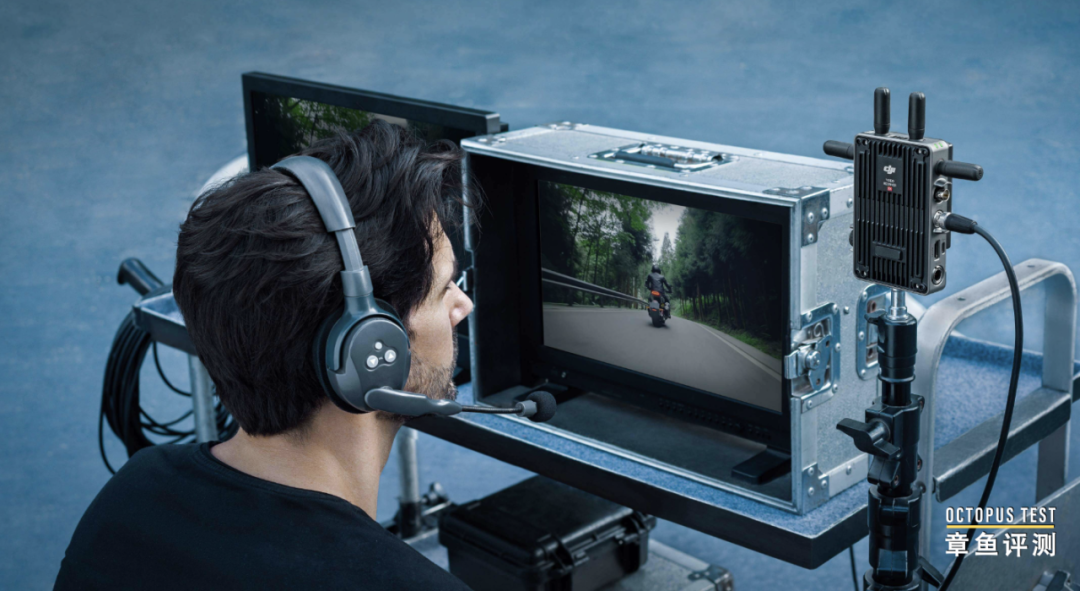
Wireless Video Transmission in Film and Television Shooting Applications
For example, in common wireless video transmission scenarios, I connect my computer to a wireless video transmission device in the office to achieve wireless screen projection.
In the drones we use, the video image link from the hollow to the handle also employs wireless video transmission devices.
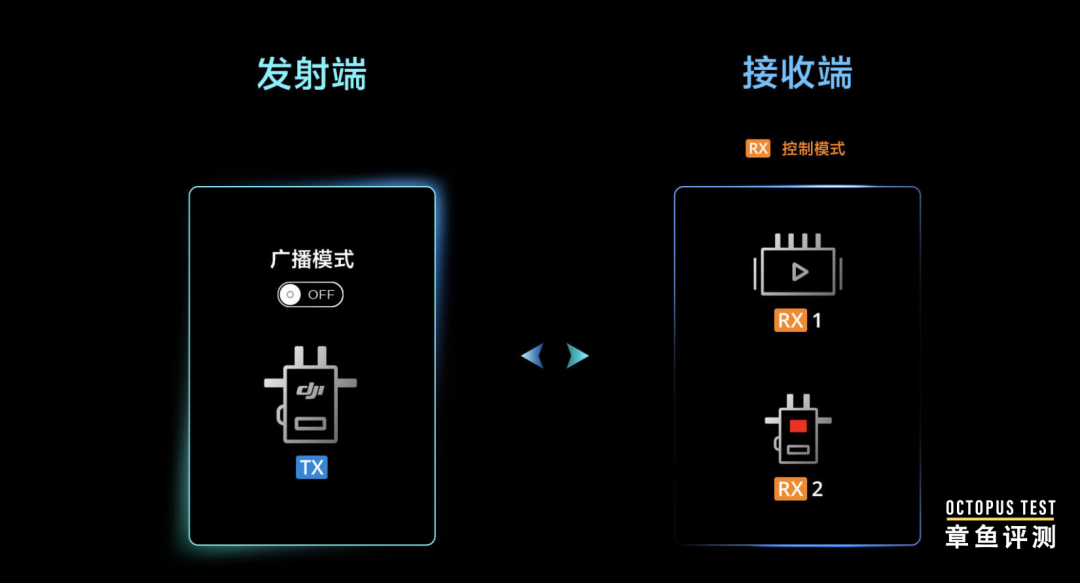
One Transmitter and Two Receivers Configuration
Typically, a set of wireless video transmission devices consists of a pair: one transmitter and one receiver. The transmitted content mainly includes video data, along with a small amount of data signals and telemetry signals.
Some wireless video transmission devices feature one transmitter and multiple receivers. For instance, in a film shooting scene, video footage can be wirelessly distributed to multiple monitoring personnel for display on monitors.
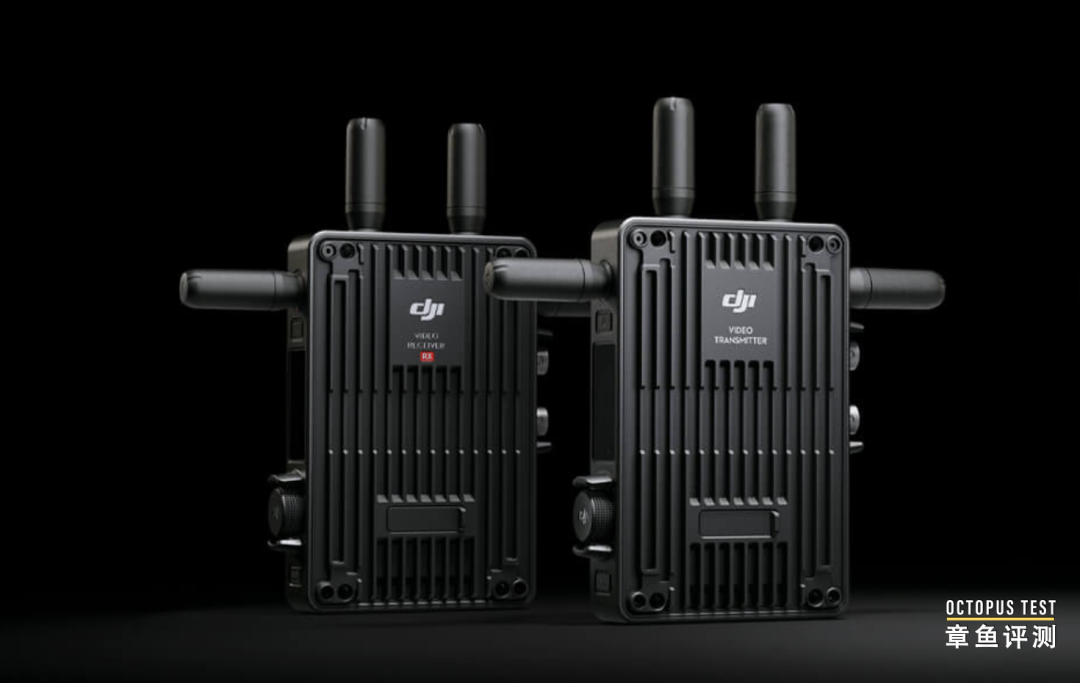
Wireless Video Transmission Devices
Generally, wireless video transmission devices are equipped with audio and video interfaces, such as HDMI and SDI, for capturing and outputting video sources, with the intermediate link utilizing wireless transmission. They require minimal configuration during use and can be operational immediately upon powering on.
Broadband Self-Organizing Network Devices
While broadband self-organizing networks can also be used for video transmission, they are significantly more complex than wireless video transmission. Although there are many technical similarities, broadband self-organizing networks provide a network environment that enables various devices to access the internet.
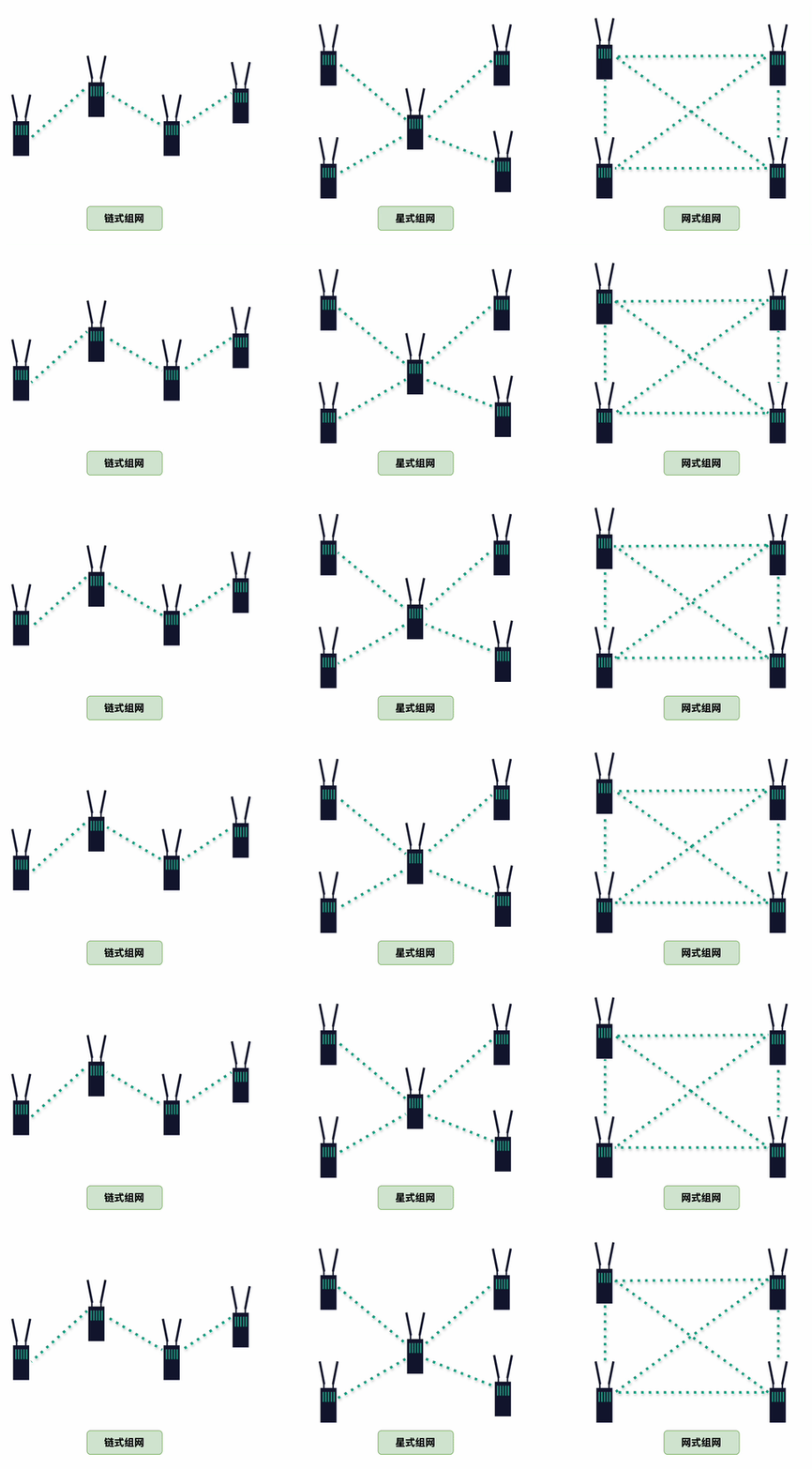
Self-Organizing Network Architecture
The networking method of broadband self-organizing networks is much more complex than that of wireless video transmission. It supports not only point-to-point transmission but also more complex star and chain networking, allowing for the establishment of broadband networks without a central hub.
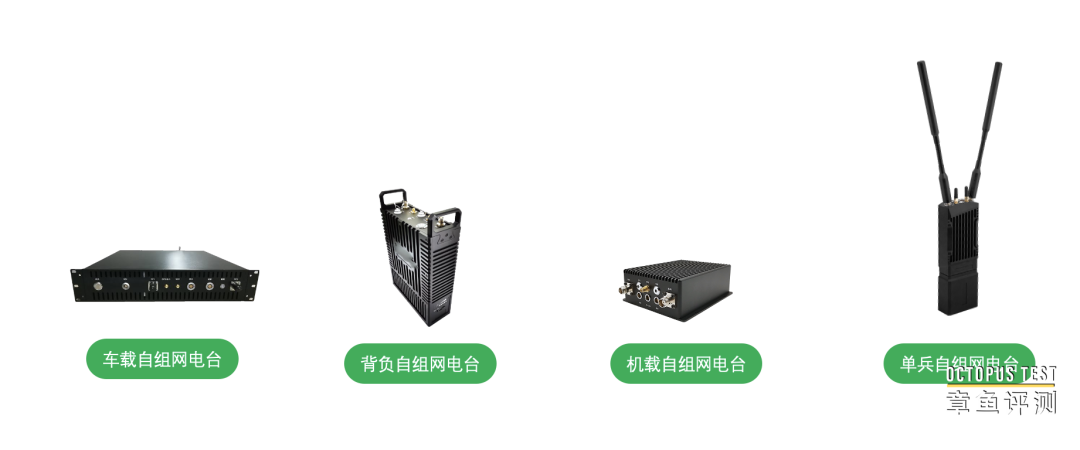
Self-Organizing Network Devices
Using broadband self-organizing networks not only allows for video transmission but also supports the transmission of various data, effectively creating a wireless network cable in the air that can connect various internet-enabled devices for network transmission. For example, computers, video surveillance, individual soldier helmets, and deployment balls can all connect to the broadband self-organizing network via wired and Wi-Fi methods, utilizing the capabilities of the broadband self-organizing network for transmission.
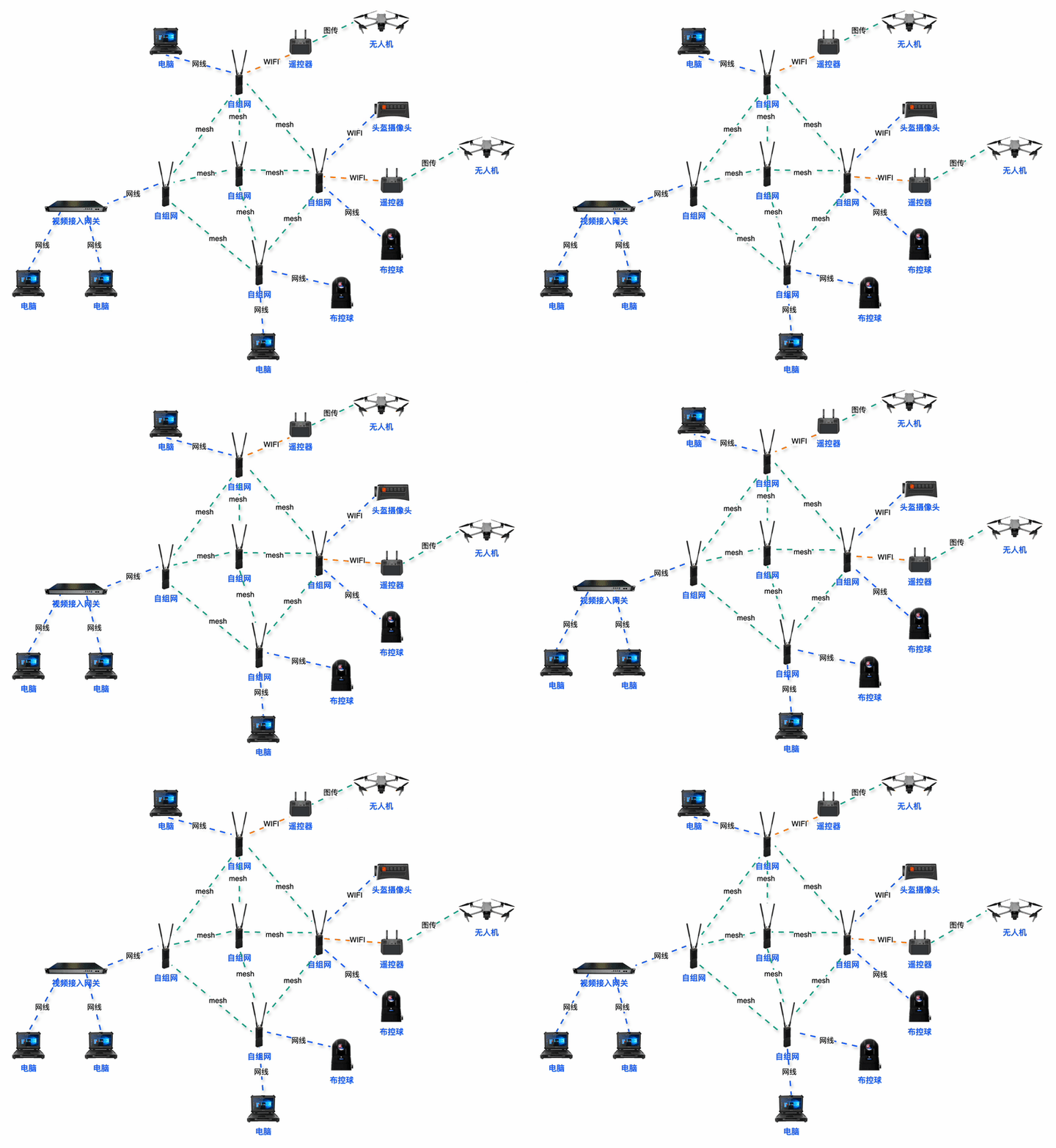
Applications of Self-Organizing Networks
The application scenarios of broadband self-organizing networks differ significantly from those of wireless video transmission. Broadband self-organizing networks are primarily used in emergency and military fields for rapidly establishing on-site network transmission. They support multi-hop transmission and are more robust in terms of network environment and anti-interference capabilities compared to wireless video transmission.
Although broadband self-organizing networks and some wireless video transmission devices may look similar, their applications are quite different. Wireless video transmission primarily serves as a point-to-point video link, where both the video source and output are physical video interfaces transmitting video through a wireless link. In contrast, broadband self-organizing networks can connect multiple devices for use, with video sources supporting direct access from network devices, primarily completing transmission through the network. Therefore, when selecting a project, it is essential to understand the specific application of your video transmission needs.
Previous Recommendations
A three-piece set of communication equipment for flood prevention and rescue, ensuring smoother video return in “three disconnections” scenarios.
Why drone projects require a drone live streaming server.
Creating an in-vehicle audio and video aggregation system for emergency command vehicles.
Several gateway devices that can reduce project integration difficulty in emergency command projects.
Octopus Review

Long press to add WeChat | jasonbeen
Looking forward to communicating with you!
Follow audio and video processing, drones, emergency communication, satellite communication, IoT, artificial intelligence, smart integration, and share industry-oriented products and solutions.