


Chemotherapy based on cytotoxic drugs has always been a primary method for treating malignant tumors. However, due to the lack of targeted killing of tumor cells, there are significant toxic reactions, and as the number of chemotherapy cycles increases, tumor resistance also enhances. The challenge of how to target tumor cells to deliver cytotoxic drugs while avoiding damage to normal human cells is a bottleneck in tumor drug therapy. Therefore, the development of new anticancer drugs with stronger targeting capabilities has become a new frontier hotspot.
Antibody-drug conjugates (ADCs) are a new type of anti-tumor drug formed by linking monoclonal antibodies that target specific antigens with small molecule cytotoxic drugs through linkers. In recent years, significant therapeutic effects have been achieved in the clinical treatment of hematological tumors and various solid tumors. Currently, ADC drugs have also made important progress in the treatment of recurrent and metastatic gynecological malignancies, with numerous clinical studies underway, and three ADC drugs have been approved globally for the treatment of gynecological tumors.
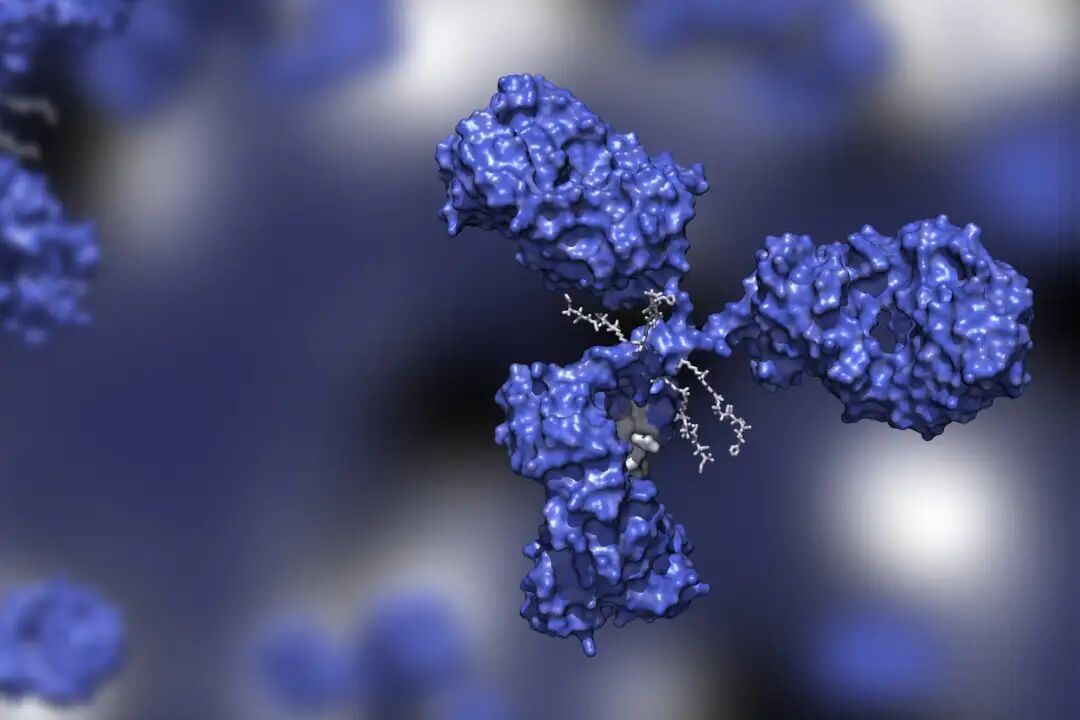
ADC drugs can specifically recognize tumor surface antigens, enter tumor cells, and release effective payloads to kill tumor cells. The effective payload (usually a cytotoxic drug) plays the main killing role, and additionally, antibody/complement-mediated toxicity and bystander effects are also important mechanisms of tumor cell killing for some ADC drugs..
Since the concept of antibody-drug conjugates was first proposed in 1910, after 90 years of research and development, the first ADC drug, gemtuzumab ozogamicin, was finally approved for clinical use in 2000. After several iterations, the latest generation of drugs has lower immunogenicity, more stable and cleavable linkers, and more efficient effective payloads, with a homogeneous and higher antibody-drug ratio, capable of causing damage to tumor cells through bystander effects.