Figures of InfluenceFigures of Influence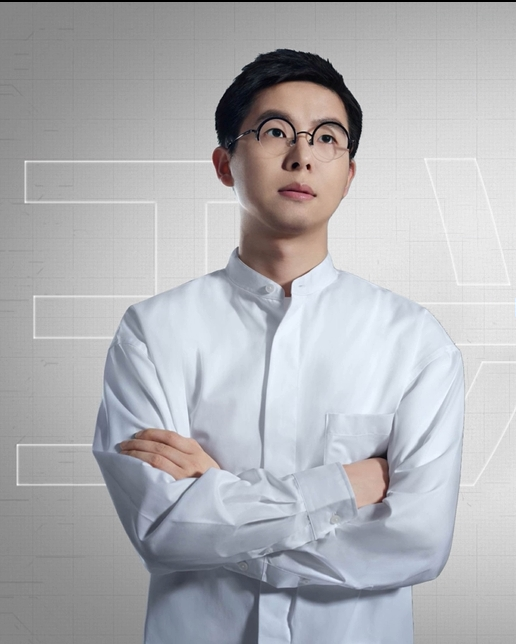
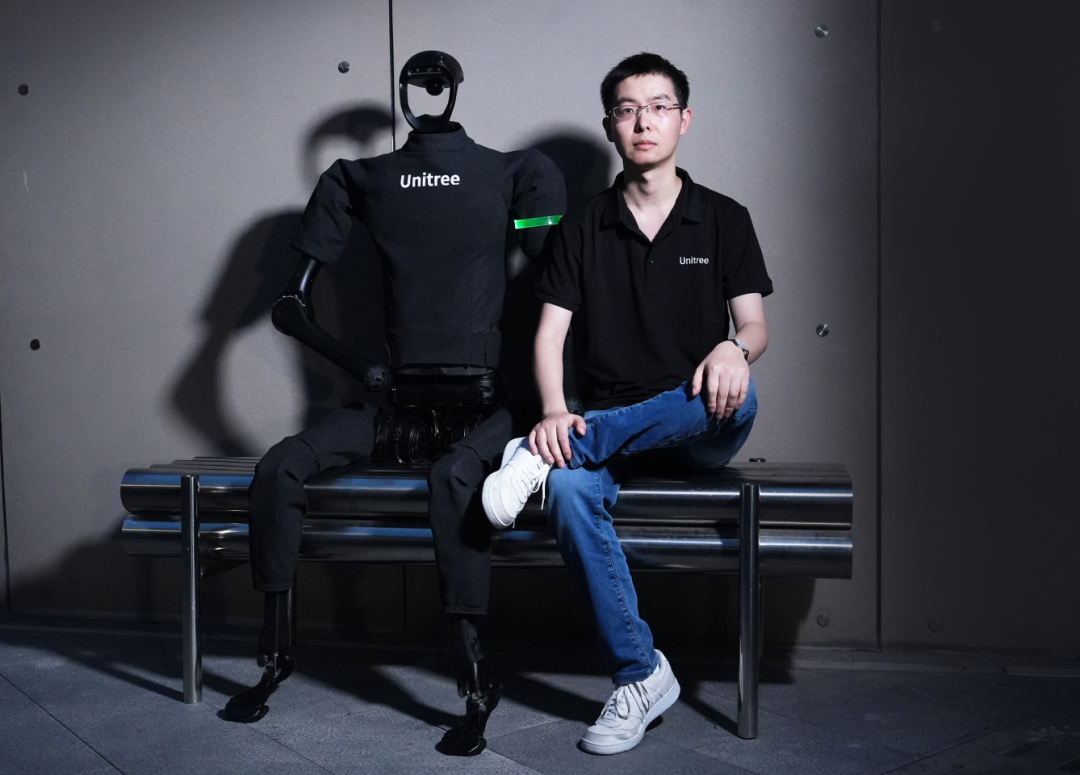
In February 2025, a name that many were not familiar with began to emerge. On the stage of the Spring Festival Gala, a group of humanoid robots dressed in Northeast floral cotton jackets performed a traditional dance, shocking the world—have robots evolved to this extent? In a flash, a young man born in the 90s, seated alongside Ren Zhengfei and Lei Jun at a private enterprise symposium, piqued public curiosity. Who is he? What qualifies him? He is Wang Xingxing.
 The ‘Specialized Life’ of a Small Town Boy:From Last Place to Tech Whiz
Born in 1990 in a common family in Yuyao, Ningbo, Zhejiang, Wang Xingxing showed an early obsession with mechanics: making wind-powered cars from scrap metal, disassembling and reassembling RC car motors, and even handcrafting DC motors using enameled wire and magnets. However, this ‘handicraft genius’ faced difficulties due to severe academic specialization—his English scores were consistently among the lowest, passing only three times in three years of high school, ultimately entering Zhejiang University of Technology to study electromechanical engineering, marking the beginning of his fate with robotics.
Starting Point of the “200 Yuan Biped Robot”
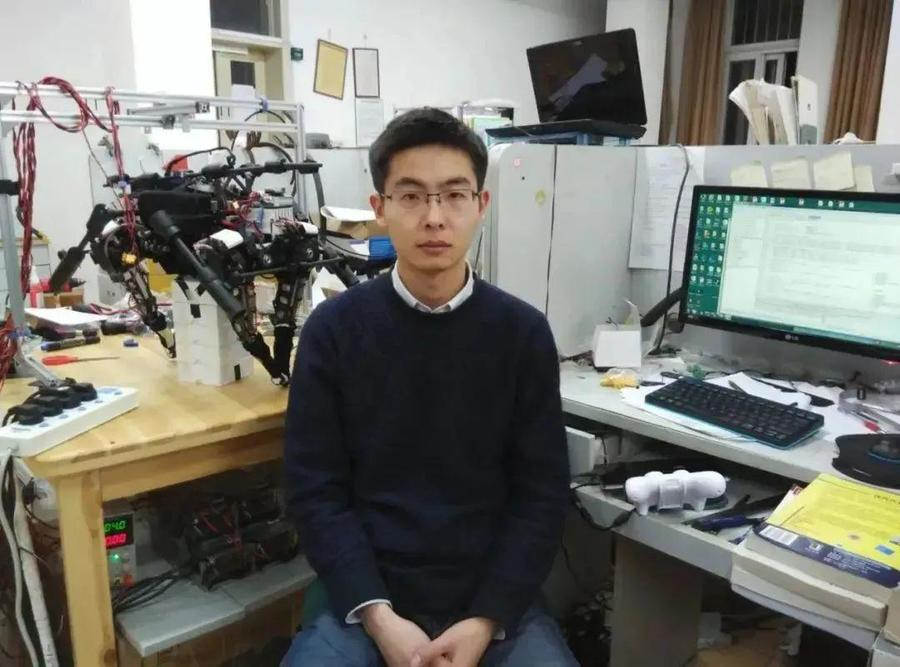
In 2009, just entering university, Wang Xingxing used his pocket money to purchase 14 9g servos and an Arduino development board, handcrafting a 14-degree-of-freedom biped robot. Although this robot “stumbled along,” it became the starting point of his technical exploration. He humorously referred to himself as “super stingy,” completing the project with a mere 200 yuan, but this experience made him realize that the traditional hydraulic drive route was prohibitively expensive, and electric drive was the future breakthrough.
Interest as the Best “Guide”
A fun little story: According to internal sources at Yushu, Wang Xingxing mentioned that when he first learned about AI, he became very fond of neural networks. Back in 2010, during his freshman year, he nearly read all the books related to neural networks in the school library, a time when neural network AI was a very niche field. In 2010, he wrote a small paper for a computer course, titled something like: “Increasing the scale of neural networks will enhance AI capabilities!”
English as a “Roadblock” and Technical Breakthrough
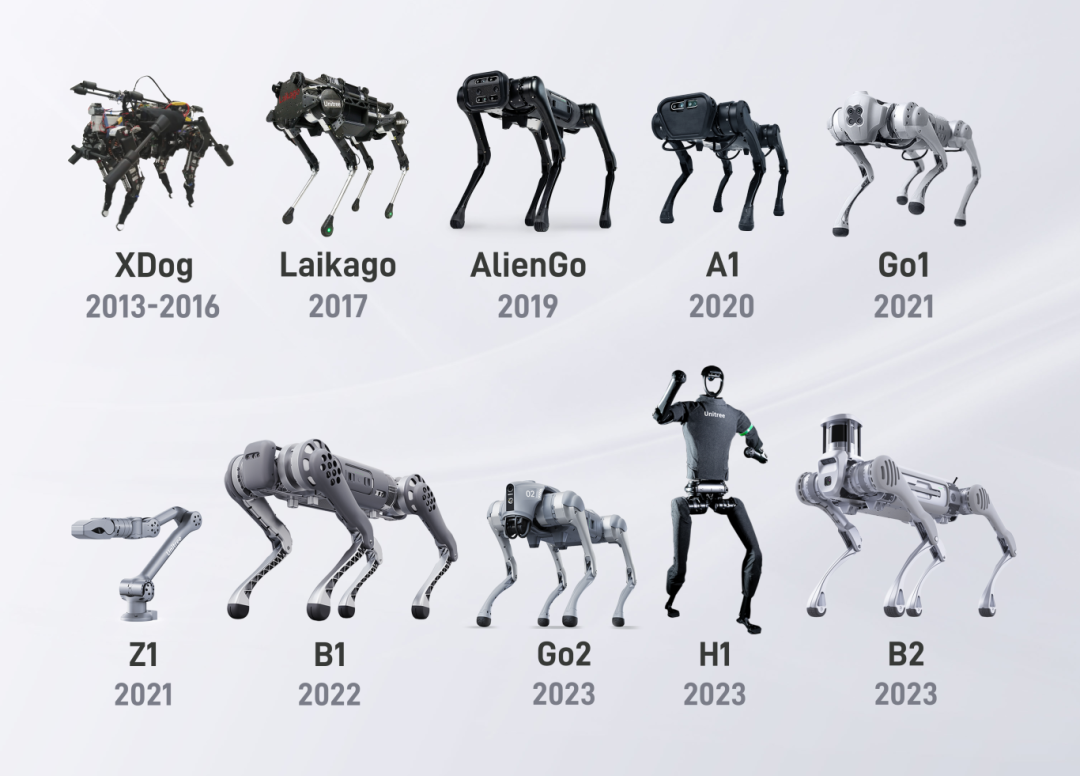
Due to his unsatisfactory English scores, Wang Xingxing was unable to enter his ideal Zhejiang University and instead pursued a master’s degree in mechanical engineering at Shanghai University. This “setback” unexpectedly propelled his career—at Shanghai University, he developed the world’s first small quadruped robot driven by an outer rotor brushless motor, the XDog, which won second place in the 2015 International Intelligent “Star Creator” competition. This technology was a year ahead of Boston Dynamics’ publicly available electric drive solution, becoming the prototype for the subsequent mainstream technology route in the industry.
Challenges of Entrepreneurship:From a 3-Person Team to a Global Leader
Quitting to Start a Business as a “Last Ditch Effort”
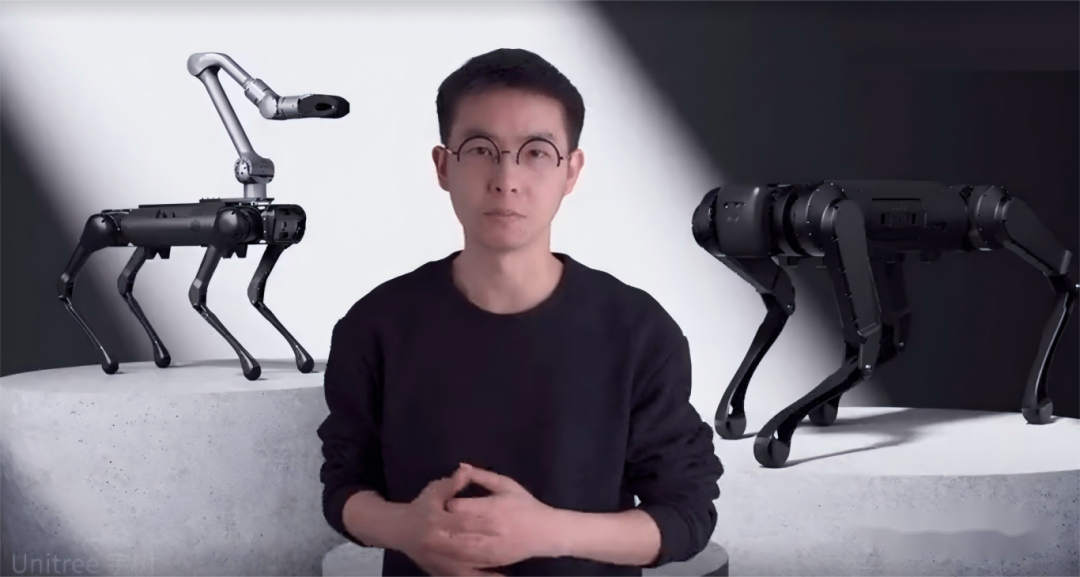
In 2016, Wang Xingxing participated in a startup competition with a test video of the XDog and unexpectedly secured 2 million yuan in angel investment. He resolutely resigned from his position at DJI and founded Yushu Technology Co., Ltd. (hereinafter referred to as “Yushu or Unitree”) in Hangzhou. The initial team consisted of only three people, crammed into a small office, repeatedly refining the product. In 2017, the first quadruped robot, “Laikago,” was born, but it fell into crisis due to a broken funding chain. Although at this time Wang Xingxing, as a newcomer in the entrepreneurial circle, had already appeared at high-end dinners during the World Internet Conference in Wuzhen, lack of funds remained the biggest challenge for every founder. Wang Xingxing stopped drawing a salary and used his own money to keep the team running until 2018 when he received investment from Geek Park Variable Capital.
However, today’s Yushu is a far cry from its past. Before the Spring Festival of 2024, Yushu Technology completed its B2 round of financing, raising nearly 1 billion yuan, with investors including Meituan, Jinshi Investment, and Source Code Capital, along with existing shareholders such as Shenzhen Capital Group, Zhongnan Investment, Rongyi, Dunhong, and Midajun Stone participating in the investment. The company stated that the funds will primarily be used for product research and development, business expansion, and team building.
Disruptive Innovation for Technological Inclusivity
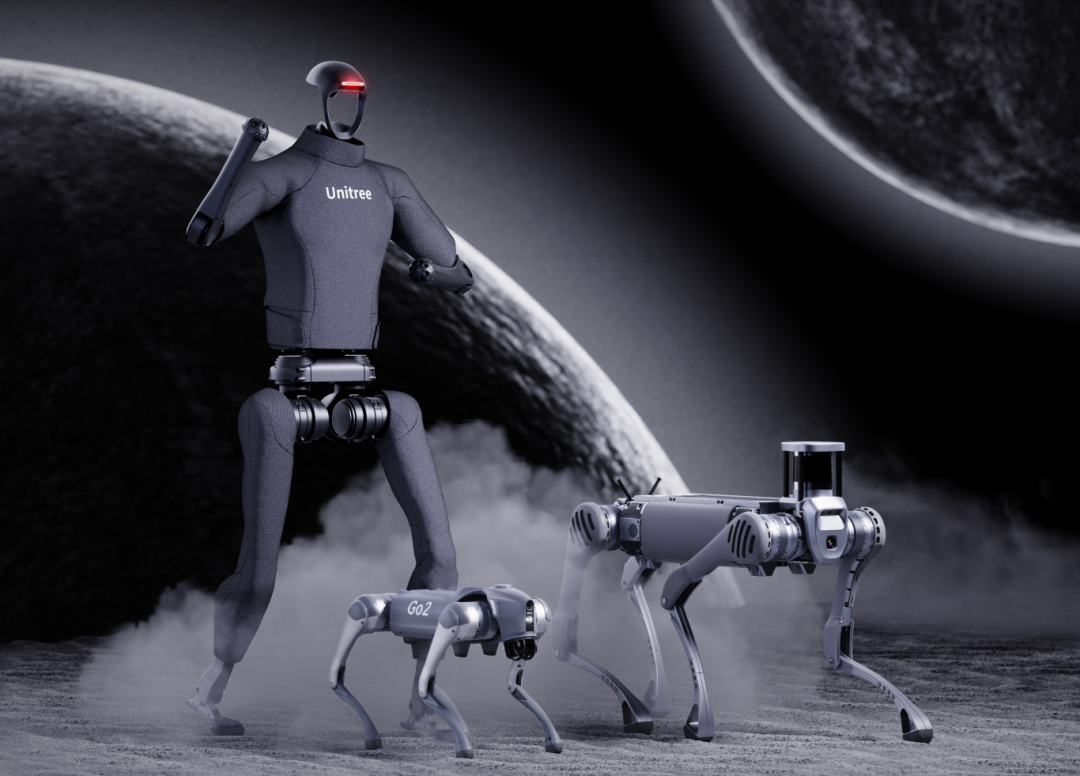
It is understood that traditional quadruped robots cost tens of thousands of dollars due to hydraulic drive systems, while Yushu Technology has found a breakthrough path. Electric drive technology revolution: highly integrating motors, reducers, and controllers, increasing power density by 40%, and reducing costs to 10% of traditional solutions; mass production: launching the consumer-grade robotic dog Go1 in 2019 at a price of only 16,000 yuan, bringing quadruped robots into households for the first time; performance breakthroughs: the G1 humanoid robot to be released in 2025 will achieve “the world’s most compliant walking” at a price of 99,000 yuan, with a single-arm load of 3 kg and a running speed of 5.2 meters per second.
From the Laboratory to the Spring Festival Gala Stage
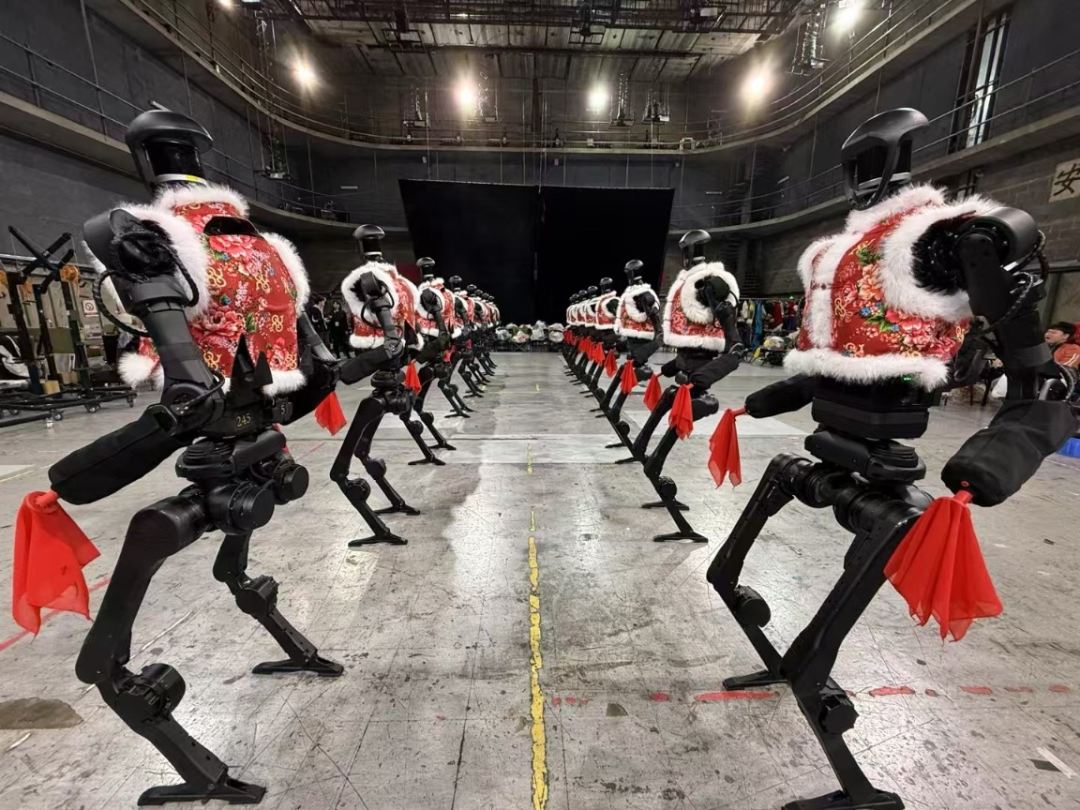
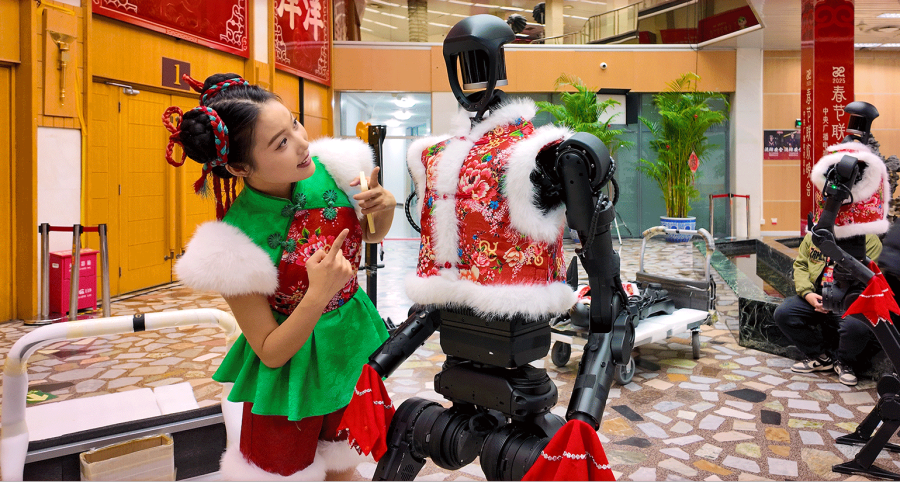
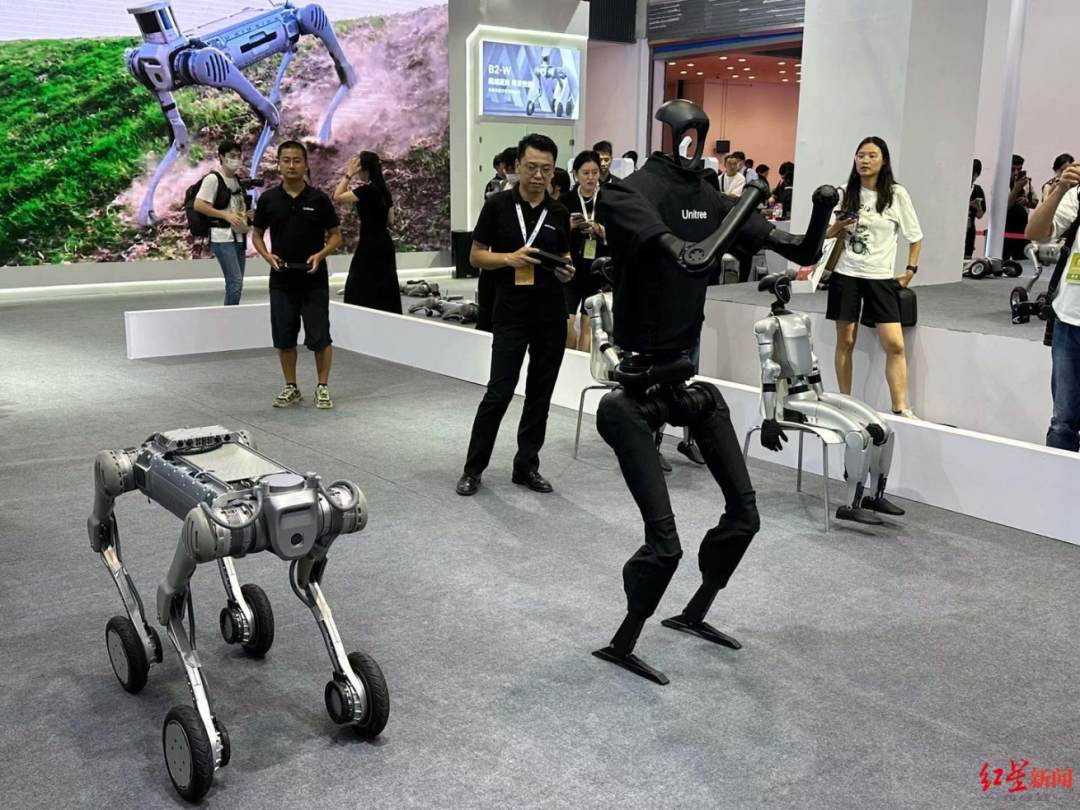
In 2021, Yushu’s quadruped robot “Benben” appeared on CCTV’s Spring Festival Gala; in 2025, 16 H1 humanoid robots performed a traditional Yangge dance, with a synchronization error of 0.1 seconds shocking the nation. The director team considered cutting some actions, but the engineers insisted: “These actions can only be performed by Chinese people!”
In fact, the H1 robot was developed by Yushu in just the first half of 2023, and small-scale production and delivery were achieved in the second half of the same year. Currently, the H1 is rapidly iterating based on AI-driven programs, with several major version upgrades released in just six months, reaching a level comparable to the best in the world in its category.
 Technical Hard Power:Rewriting the Global Robotics Industry Rules
The “Chinese Solution” for Quadruped Robots
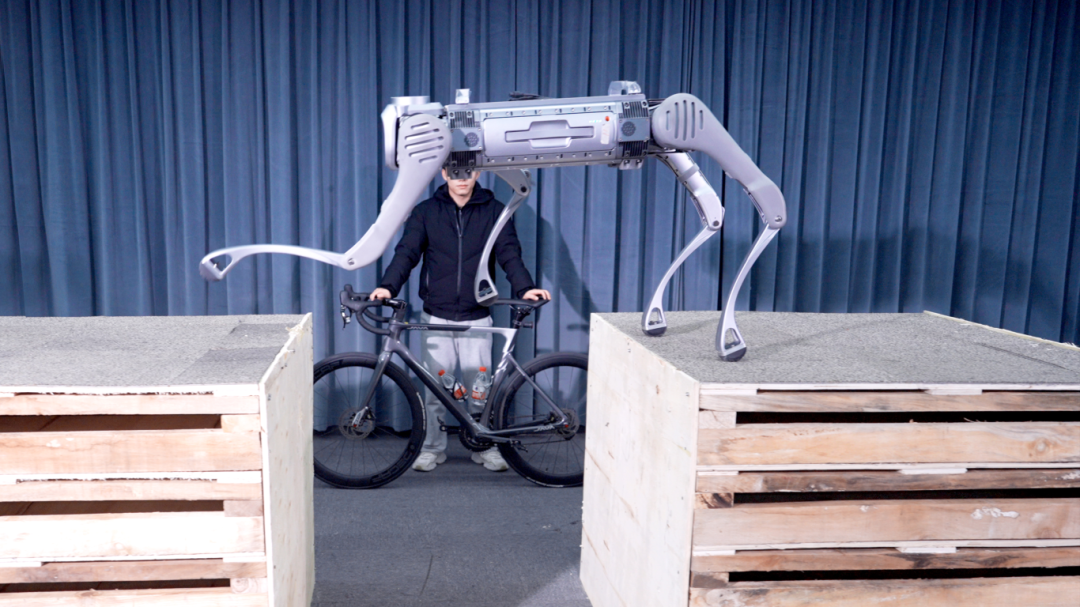
Yushu Technology, founded by Wang Xingxing, has disrupted the industry with four core technologies. High-density joint modules: integrating motors, reducers, and controllers, with a response speed of milliseconds; low-cost algorithm system: self-developed reinforcement learning algorithms allowing robots to learn human dance moves in real-time; all-terrain adaptability: robotic dogs can climb 45-degree slopes and carry 20 kg for power inspections; extreme environment testing: reliability verified in -40°C in Yakeshi and 70°C in the Taklamakan Desert.
The “Democratization” Breakthrough of Humanoid Robots
The G1 humanoid robot released by Yushu Technology in 2025 breaks the industry ceiling with three major innovations. Dynamic balance: achieving centimeter-level navigation accuracy through three independent flight control systems; action learning: the “learn any action” algorithm supports real-time imitation of human martial arts movements, even completing 720-degree spinning kicks; cost control: relying on the Chinese supply chain, compressing the cost of key components to one-fifth of international competitors.
Market Conquest:From a Small Town in China to the Global Stage
Data Witnessing Industry Dominance
In 2024, the global quadruped robot market share exceeded 70%, exporting to over 50 countries; completing over 1 billion yuan in B-round financing in 2024, with a valuation exceeding 10 billion; application scenarios covering power inspections, firefighting, education and research, with consumer-grade products entering tens of thousands of households.
Confrontation with International Giants
When Tesla CEO Elon Musk predicted that “the future of war belongs to drones,” Yushu’s quadruped robots were already participating in mine clearance missions in Afghanistan; its G1 humanoid robot is priced at only one-sixth of Tesla’s Optimus, yet achieves higher athletic performance. Forbes commented: “Chinese companies are redefining the robotics track with cost performance.” Wang Xingxing’s name is gradually gaining a foothold in the international entrepreneurial innovation field.
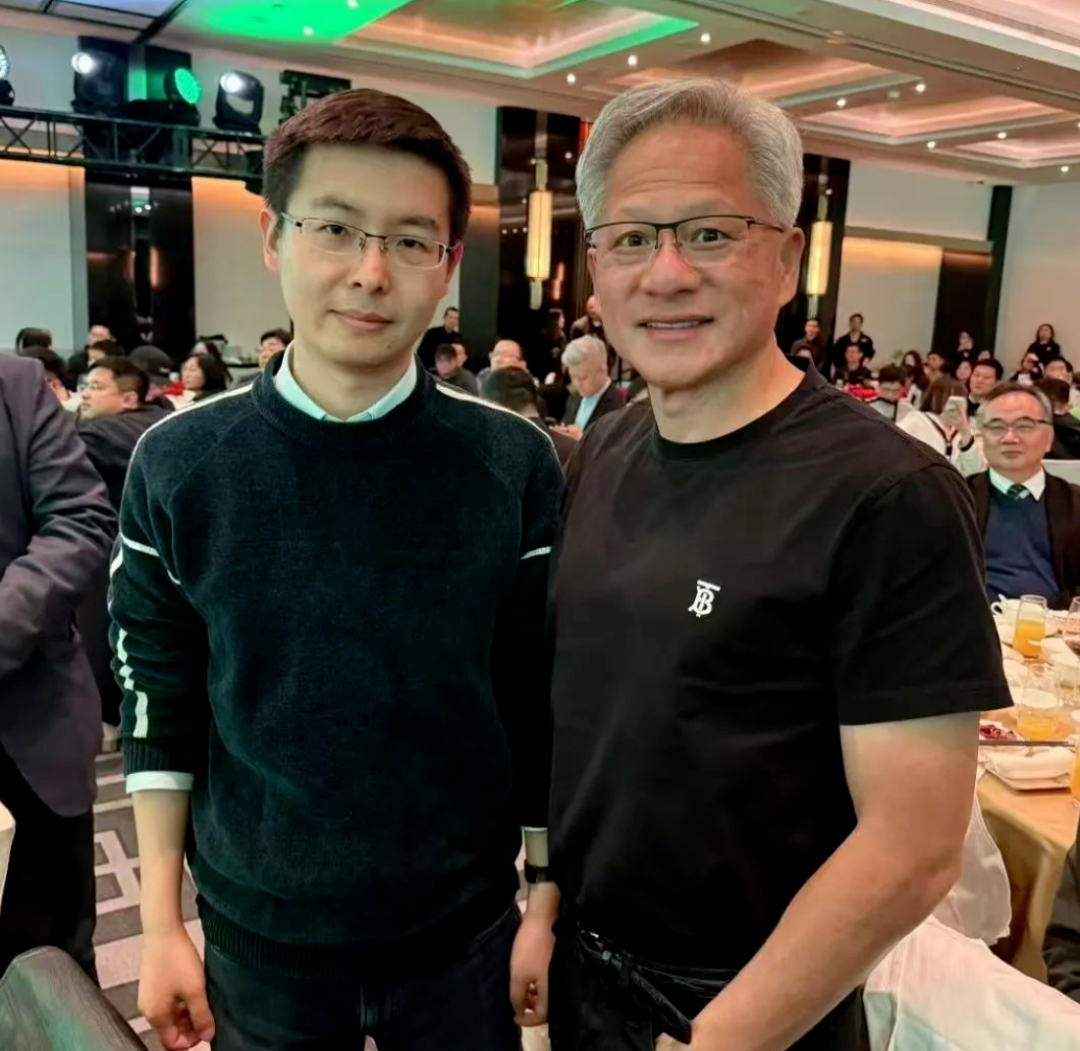 The Young Entrepreneur’s View on “New Productive Forces”
Generational Inheritance at the Private Enterprise Symposium
In February 2025, Wang Xingxing, as the youngest representative (34 years old), spoke alongside Ren Zhengfei and Lei Jun. He proposed three major initiatives: tackling fundamental materials—breaking through “bottleneck” technologies such as precision reducers and high-torque motors;
industry collaborative innovation—establishing a common technology platform for robots to avoid redundant research and development; standard system construction—leading the formulation of international standards for humanoid robot safety and interaction.
The Original Intention of Technological Inclusivity
“Robots should not be luxury items in laboratories.” Wang Xingxing insists on keeping the price of quadruped robots below 10,000 yuan and plans to launch consumer-grade products priced at three to four thousand yuan. He candidly stated: “Our goal is not to replace humans, but to let technology truly serve life.”
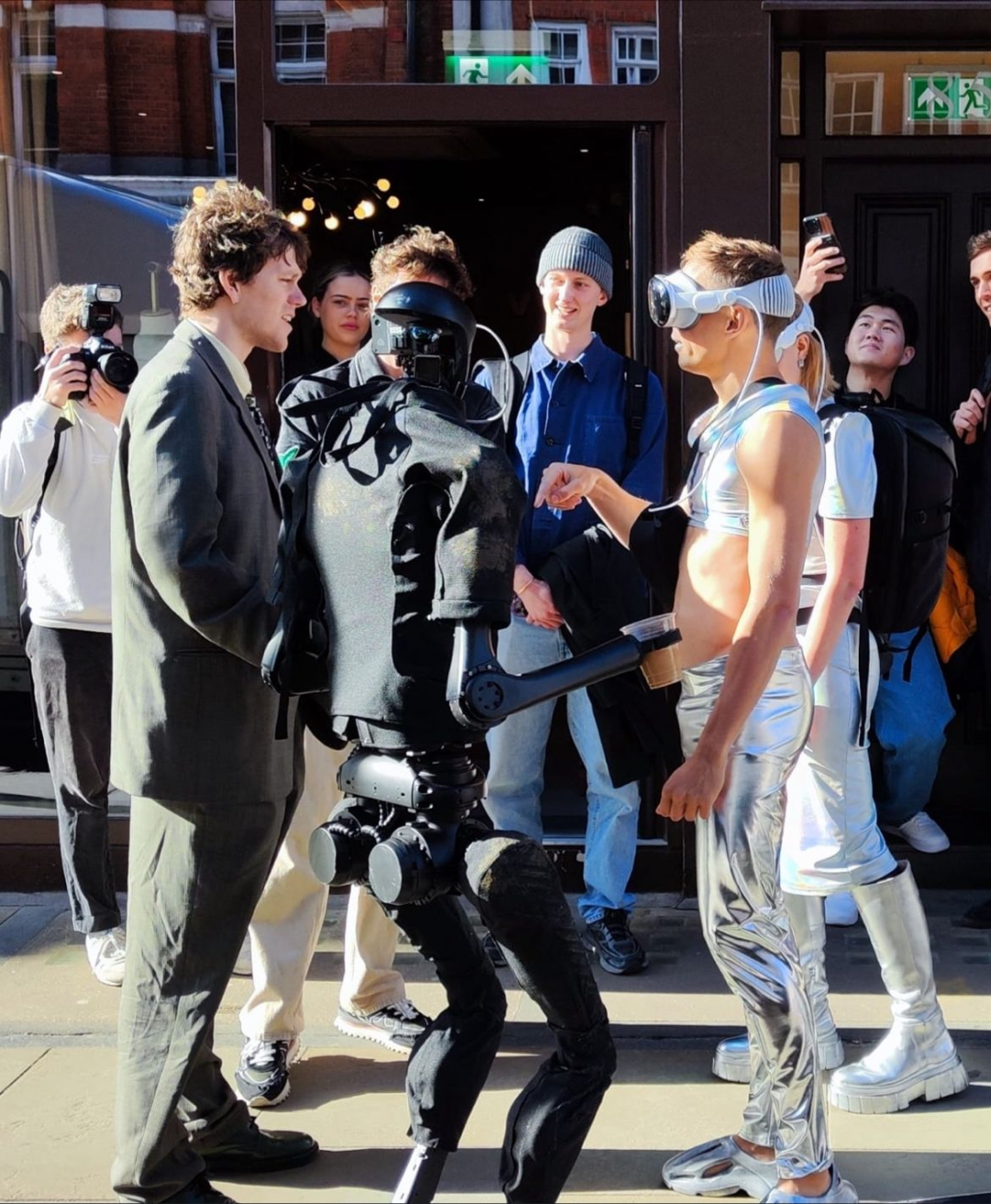 Future Blueprint:From Household Assistants to a “Robot Society”
Technology Evolution Roadmap
Wang Xingxing’s leadership at Yushu Technology has also revealed future development paths. AI integration: by 2026, integrating the self-developed Rrmind GPT model for natural language interaction; mechanical enhancement: improving grasping accuracy to millimeter level, supporting more complex object manipulation; energy breakthroughs: developing a hydrogen fuel cell version, extending range to 200 kilometers.
Building a Low-altitude Economic Ecosystem
In addition to the robotics field, Wang Xingxing is also making other arrangements. Yushu Technology is collaborating with the government to promote the “three-dimensional transportation network” plan: aiming to build 1,000 vertical take-off and landing airports in China by 2027; with a vision for 2030 where robot penetration exceeds 30%, forming a “ground + air” intelligent service network.
This is a technology equity movement led by a “specialized student.” From a “small town underachiever” with failing English to an industry leader alongside Ren Zhengfei; from a 200 yuan handmade robot to a global giant valued at 10 billion—Wang Xingxing’s comeback is not only a personal struggle legend but also reflects the underlying logic of China’s technological innovation: breaking the technological monopoly with extreme cost performance, allowing cutting-edge technology to fly from laboratories into the homes of ordinary people.
As he stated at the private enterprise symposium: “The future of the robotics industry does not belong to noble laboratories, but to every ordinary person who desires to change their life.” In this “technology equity” movement led by 90s engineers, China is redefining the global robotics industry’s game rules with hardcore innovation.
(Images from Yushu Technology’s official website and media reports)