
Click the above Computer Enthusiasts to follow us
We all know that NAND flash memory is a storage medium that is faster, safer, and more stable than the disks in mechanical hard drives. It has invaded devices with built-in storage space, including hard drives, flash drives, memory cards, smartphones, tablets, smart TVs, etc.
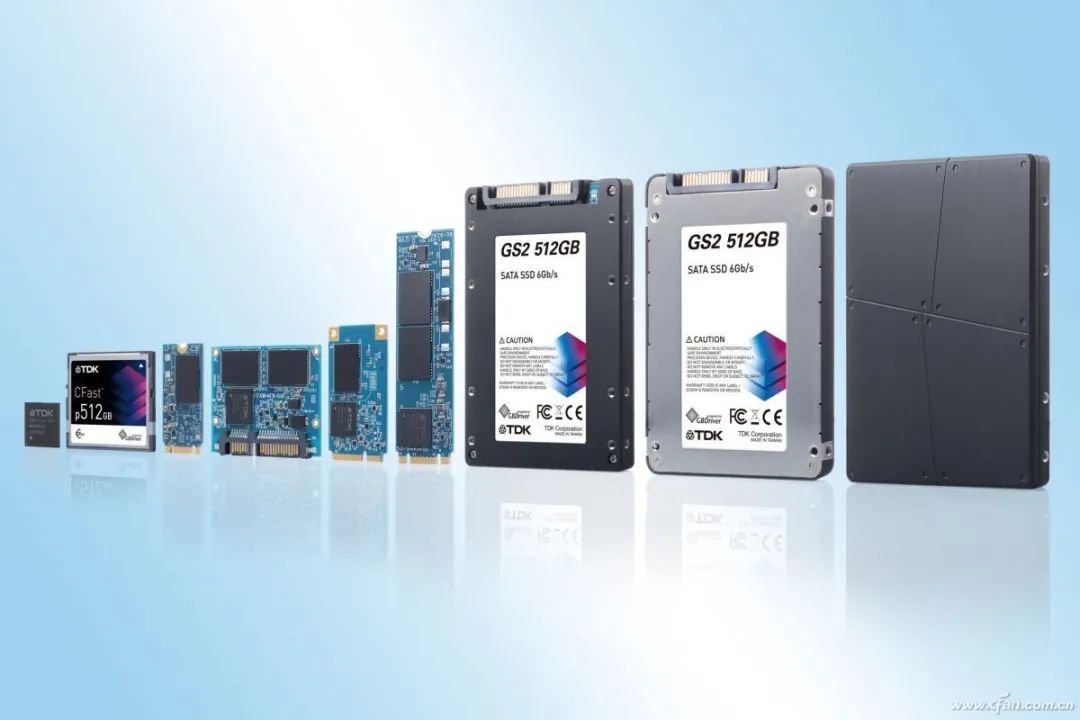
The question arises, since NAND is used as the storage unit, why is there such a significant difference in read and write performance between memory cards and SSDs?
In simple terms, the packaging standards of the flash memory chips built into memory cards, smartphones, and SSDs differ. For example, the surface area of the flash memory chips in SSDs is comparable to that of some flash drives, while the flash memory chips in memory cards are much smaller.
Generally speaking, flash memory chips with the same capacity but larger packaging size (thus SSDs have an inherent performance advantage) or larger single-chip capacity (which can form a dual-channel-like working mode internally) have better performance potential.
Moreover, NAND flash itself is continuously evolving. The mainstream flash memory in 2021 is certainly much stronger than the flash memory from a few years ago.
Many factors affect the performance of flash memory itself, such as process technology, flash architecture, and 3D stacking technology. Among them, the flash architecture refers to SLC, MLC, TLC, and QLC that we are familiar with. Currently, mid-to-high-end flash memory mainly uses TLC, while QLC, although with reduced performance, is gradually encroaching on the TLC flash market due to its cost advantages. Process technology and 3D stacking technology complement each other; the latest technology combined with 96-layer or 144-layer 3D NAND technology can package 1TB of capacity into a single NAND flash memory chip.
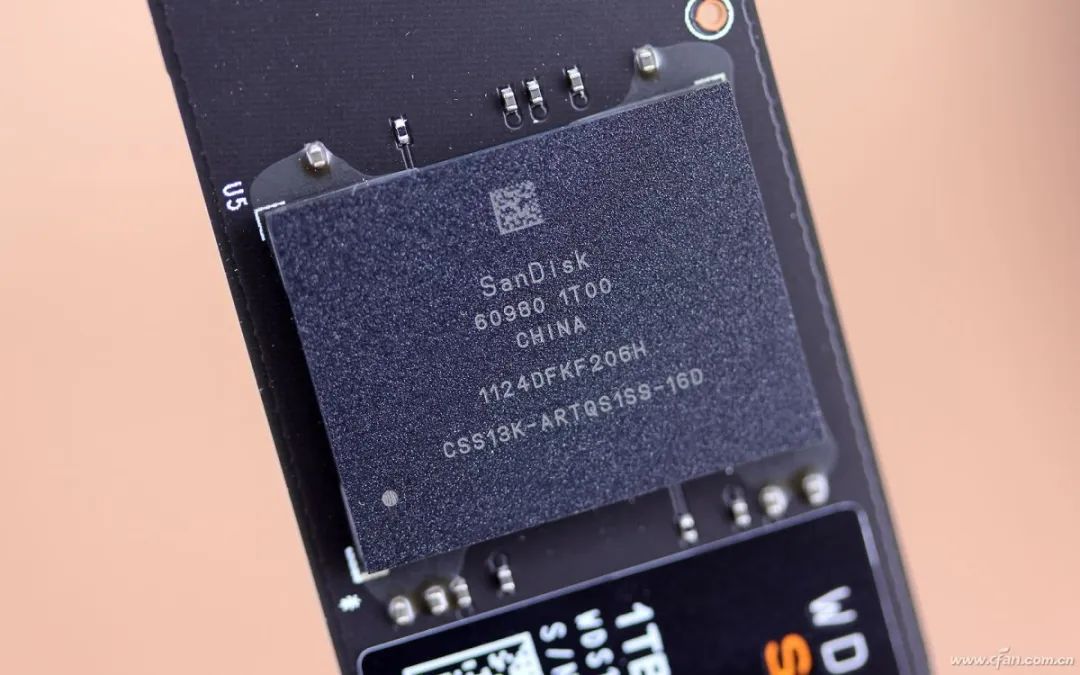
Nowadays, many 1TB SSDs only require one flash memory chip on their PCB motherboard
Next, let’s first understand the speed mystery of memory cards. If you are interested in flash drives, you can follow CFan’s subsequent reports.
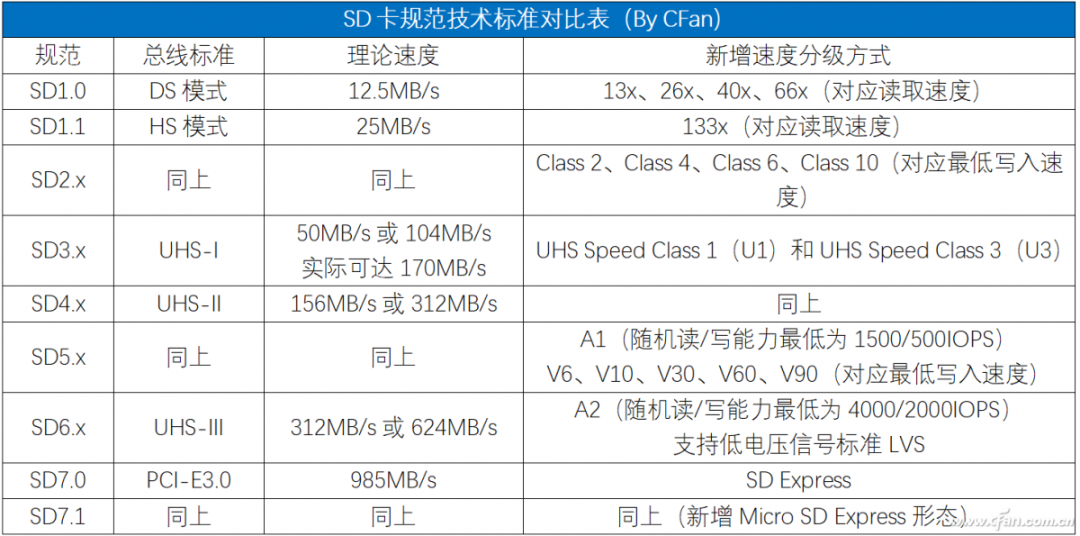
Memory cards include various forms such as Secure Digital Memory Card (SD), Micro SD Card (also known as TF), Compact Flash (CF), and Memory Stick (MS), but nowadays only SD and MicroSD (TF) remain popular, which have gradually evolved into the SDHC (SD2.0), SDXC (SD3.0), and SDUC (SD7.0) standards.
Although memory cards are lightweight and mini, they are also quite comprehensive. Apart from the exposed gold fingers, they also package the main control chip and flash memory chip internally.
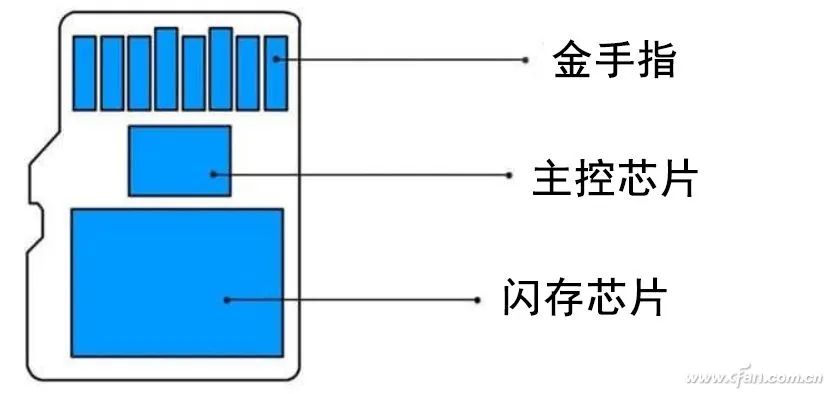
However, the main controller of the memory card only needs to achieve the most basic functions and does not require the read-write optimization, write strategy optimization, etc., for flash memory particles as SSDs do. Therefore, its size and power consumption are very low, with little presence.
The performance of a memory card mainly depends on the SD specification standard it adopts and the bus interface. Taking the most universal MicroSD memory card as an example, the market currently mainly uses SDXC + UHS-I, with read speeds generally between 100MB/s and 170MB/s.
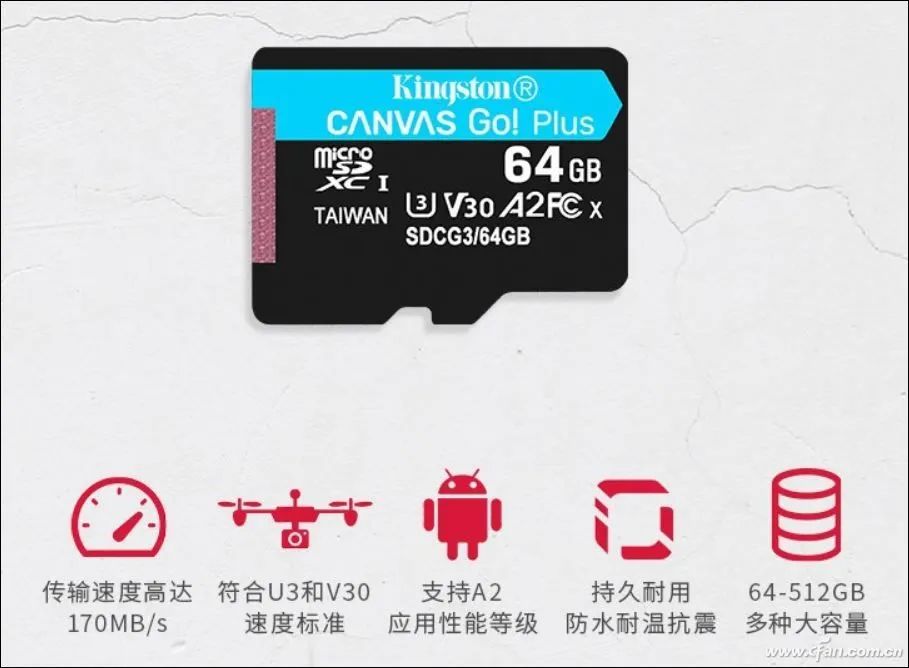
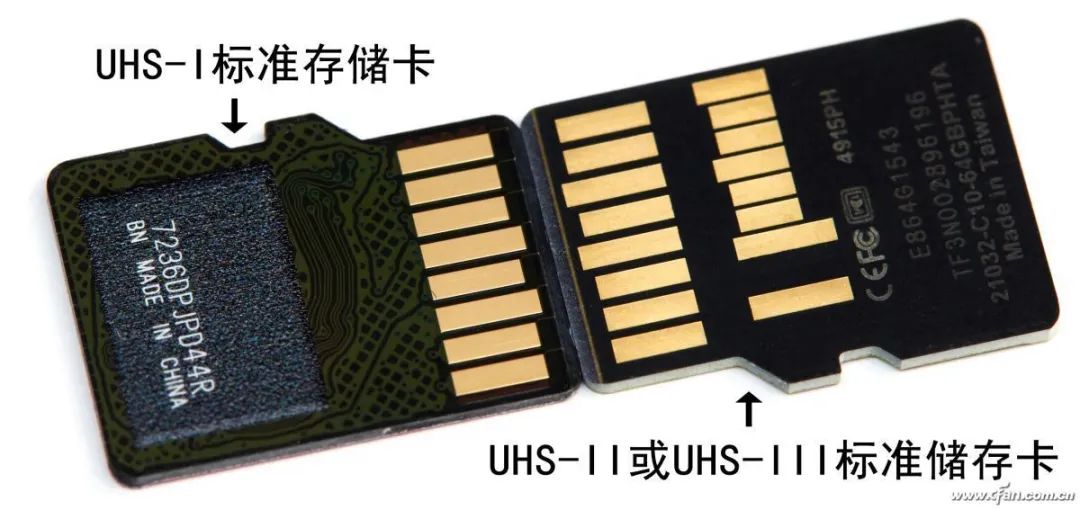
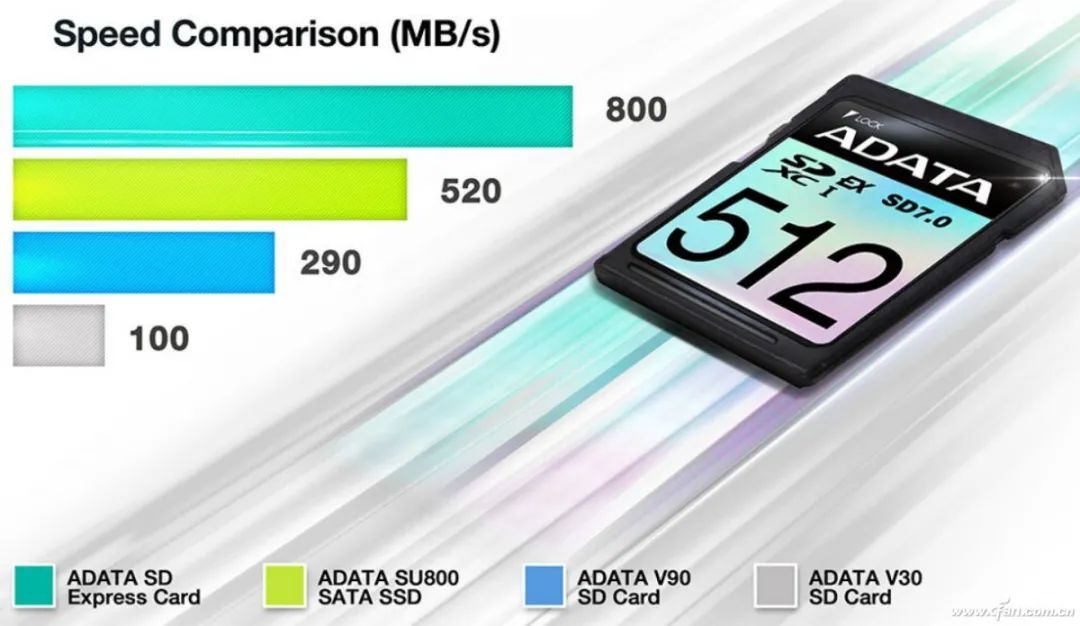
Memory cards using UHS-II or UHS-III bus standards can rival SATA SSD speeds, but they are expensive and use double-row gold fingers. Devices compatible with such memory cards are mainly professional DSLR cameras and camcorders.
SD7.x is the latest SD card specification standard, which introduces PCIe bus and NVMe protocol, with theoretical read speeds reaching 985MB/s. Currently, ADATA has launched the Premier Extreme SDXC SD Express memory card that meets this standard, but the price of SD7.x memory cards is staggering, and devices compatible with such memory cards are extremely rare.
In summary, memory cards are the slowest among NAND medium storage products (relatively), and their performance is more dependent on the card readers and control chips on the terminal devices (such as smartphones, cameras, laptops), while the related OEM manufacturers are unwilling to increase the budget in this regard. Therefore, even though memory cards have reached the ultra-fast SD7.x standard, UHS-II has not yet been widely adopted, making it very difficult for ordinary users to access.

Click “Read Original” to see more exciting content