Introduction
We aim to combine FPGA with the nursing discipline to form FPGA + Nursing, with the expectation of exploring the feasibility of FPGA in the development of nursing. We will continue to share some of our achievements in this area and hope to discuss feasible solutions with everyone.
Series Article Directory
FPGA + Nursing: An Exploration of Interdisciplinary Development (Part One)
FPGA + Nursing: An Exploration of Interdisciplinary Development (Part Two)
FPGA + Nursing: An Exploration of Interdisciplinary Development (Part Three)
5. Challenges and Strategies for FPGA Applications in Psychiatric Nursing
5.1 Technical Challenges
5.1.1 Difficulty and Complexity of FPGA Development
The main technical challenges faced in FPGA development include:
-
Hardware Description Language Barrier: FPGA development requires mastery of hardware description languages such as Verilog or VHDL, which presents a high barrier for most researchers and engineers in the field of psychiatric nursing.
-
High Design Complexity: As the scale and functionality of FPGAs increase, design complexity grows exponentially, requiring specialized design methods and tools.
-
Debugging Difficulty: Debugging FPGA designs is more complex than software debugging, requiring specialized debugging tools and techniques.
-
Strict Timing Constraints: FPGA designs must strictly consider timing issues to ensure circuits operate stably at specified frequencies.
Countermeasures:
-
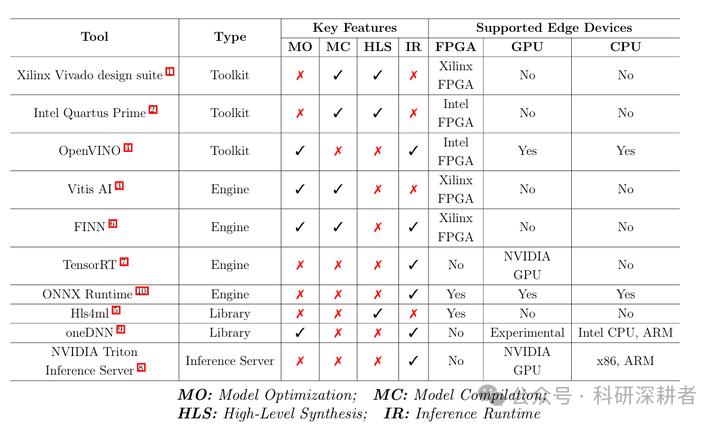
Use High-Level Synthesis Tools: Utilize high-level synthesis tools such as HLS and FINN, which allow developers to use high-level languages like C/C++ for FPGA design, lowering the learning barrier.
-
Modular Design Approach: Adopt a modular design approach to break complex systems into simpler modules for gradual implementation and verification.
-
Utilize Existing IP Cores: Leverage various IP cores provided by FPGA vendors (such as FFT IP, image processing IP, etc.) to reduce redundant development work.
-
Develop Visualization Tools: Create visualization FPGA design tools tailored for psychiatric nursing applications to reduce design complexity.
5.1.2 Compatibility Issues with Existing Nursing Systems
The compatibility challenges of FPGA systems with existing nursing systems include:
-
Non-Uniform Interface Standards: The existing nursing systems have diverse interface standards, making direct integration with FPGA systems difficult.
-
Data Format Differences: Different systems have inconsistent data formats and protocols, leading to difficulties in data exchange.
-
Architectural Differences: There are significant architectural differences between FPGA systems and existing nursing systems, complicating integration.
-
Safety Certification Requirements: Medical devices have strict safety certification requirements, and FPGA systems must meet relevant standards.
Countermeasures:
-
Establish Unified Interface Standards: Promote the unification of interface standards in the field of psychiatric nursing to enhance interoperability between systems.
-
Develop Middleware and Adapters: Create middleware and adapters to achieve seamless integration between FPGA systems and existing nursing systems.
-
Adopt Open Standards and Protocols: Use open standards and protocols such as HL7 and FHIR in FPGA system design to improve compatibility.
-
Establish Certification Testing Platforms: Create certification testing platforms for FPGA medical devices to assist developers in meeting safety certification requirements.
5.2 Cost Challenges
5.2.1 High Hardware Costs of FPGA
The challenges regarding FPGA hardware costs include:
-
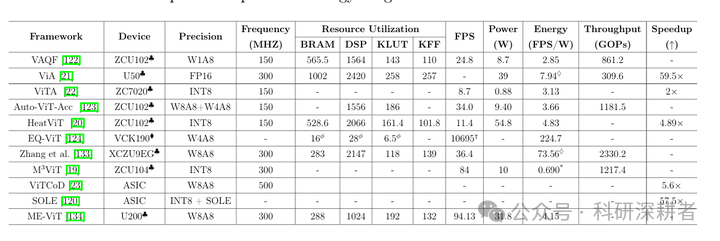
High Chip Costs: High-end FPGA chips are expensive, increasing overall system costs.
-
Development Tool Costs: The licensing fees for FPGA development tools (such as Xilinx Vivado, Intel Quartus Prime, etc.) are high.
-
Auxiliary Circuit Costs: FPGA systems require supporting circuits such as power supplies, clocks, and storage, which add to the overall cost.
-
High Mass Production Costs: The mass production costs of FPGAs are high, making it difficult to compete with ASICs.
Countermeasures:
-
Select Appropriate FPGA Models: Choose suitable FPGA models based on application requirements to avoid over-specification.
-
Utilize Open Source Tools: Use open-source FPGA development tools (such as OpenROAD, Yosys, etc.) to reduce development costs.
-
Optimize Circuit Design: Optimize circuit design to reduce the number of auxiliary circuit components and lower overall costs.
-
Adopt FPGA + MCU Hybrid Architecture: Use an FPGA + MCU hybrid architecture, utilizing the MCU to handle non-real-time tasks, reducing FPGA resource requirements.
5.2.2 Development and Maintenance Cost Considerations
The challenges regarding the development and maintenance costs of FPGA systems include:
-
Long Development Cycles: The development cycle for FPGA systems is typically long, increasing time costs.
-
Demand for Specialized Talent: FPGA development requires specialized talent, leading to high recruitment and training costs.
-
High Maintenance Difficulty: Maintaining and upgrading FPGA systems is more complex than software systems, resulting in high maintenance costs.
-
Complex Version Management: Version management and change control for FPGA designs are complex, increasing management costs.
Countermeasures:
-
Adopt Agile Development Methods: Use agile development methods to break large projects into smaller iterations for gradual delivery and validation.
-
Establish Talent Development Mechanisms: Create FPGA talent development mechanisms in collaboration with universities and research institutions to cultivate interdisciplinary talent.
-
Design Maintainable Architectures: Consider maintainability in system design by reserving test points and upgrade interfaces to reduce maintenance difficulty.
-
Use Configuration Management Tools: Employ specialized configuration management tools to manage various versions and changes in FPGA designs.
5.3 Regulatory and Safety Challenges
5.3.1 Medical Regulatory Compliance Requirements
The regulatory challenges faced by FPGA in psychiatric nursing applications include:
-
Medical Device Certification: FPGA systems must pass medical device certifications such as FDA and CE, which involve complex and lengthy processes.
-
Data Privacy Protection: Psychiatric nursing involves patient privacy data, requiring compliance with data protection regulations such as HIPAA and GDPR.
-
System Security Requirements: Medical devices must meet strict security requirements to prevent hacking and data breaches.
-
Software Update Management: The software updates for FPGA systems must follow strict management processes to ensure safety and effectiveness.
Countermeasures:
-
Early Regulatory Consultation: Consult regulatory experts early in the project to ensure designs comply with relevant regulatory requirements.
-
Establish Compliance Frameworks: Create compliance frameworks for FPGA medical devices to ensure that the system development and deployment processes meet regulatory requirements.
-
Implement Data Security Measures: Implement data security measures in FPGA systems, such as encryption, access control, and audit logs.
-
Develop Update Management Systems: Create update management systems for FPGA systems to ensure that the software update process is secure and controllable.
5.3.2 Data Security and Privacy Protection Issues
The challenges of data security and privacy protection in FPGA systems include:
-
Hardware Security Vulnerabilities: FPGA designs may have security vulnerabilities that can be exploited by attackers.
-
Data Transmission Security: Patient data may be intercepted or tampered with during transmission.
-
Data Storage Security: Patient data needs protection during storage to prevent unauthorized access.
-
User Authentication and Authorization: The system must ensure that only authorized users can access and operate sensitive data.
Countermeasures:
-
Hardware Security Design: Integrate hardware security mechanisms into FPGA designs, such as hardware encryption modules and anti-tampering designs.
-
Secure Communication Protocols: Use secure communication protocols (such as TLS, DTLS, etc.) to protect data transmission security.
-
Encrypted Storage Technologies: Employ encrypted storage technologies to protect patient data, ensuring that data remains secure even if the storage medium is lost or stolen.
-
Identity Authentication and Access Control: Implement strong identity authentication and fine-grained access control to ensure that only authorized users can access sensitive data.