TimeEar TEJ-99 IEM, TEA-99 Earbuds, BTE-8 & BTE-222 Bluetooth Receivers – TDS GLIMPSE
TimeEar TEJ-99 & TEA-99 Earbuds, BTE-8 & BTE-222 Bluetooth Receivers – TDS GLIMPSE
TDS REVIEW and TDS Insight are all based on TDS Studio rating standards and content description V202402.
https://zhuanlan.zhihu.com/p/683194111
KT MARK for the models discussed in this article:
TimeEar TEJ-99: IV (Recommend)
TimeEar BTE-8: V (Excellent)
TimeEar BTE-222: IV (Recommend)
TimeEar TEA-99: IV (Recommend)
This is the first, second, third, and fourth product from the TimeEar brand to officially appear in the TDS Hearroom, covering all models produced by TimeEar except for the TEU-99 up to May 2024. This article mainly discusses the BTE-8 and TEJ-99.
Regarding the new TimeEar brand, I personally did not delve deeply into its origins. Previously, I only saw some recommendations for Bluetooth module products in various groups. I have only been using their products for a few months, the opportunity being a stable supply of a flat-head earplug product. The TEA-99 is a metal-bodied flat-head earplug priced just over a hundred yuan, so as a flat-head enthusiast, I bought this earplug out of curiosity, along with the BTE-222 Bluetooth module that had been recommended in many groups. Initially, I thought all versions of the BTE-222 had LDAC support, but upon arrival, I discovered there were version differences—the currently sold version is based on the Qualcomm QCC3034 solution, with AK4377A handling decoding and ES9603 for amplification, supporting up to aptX HD codec. The earlier version with LDAC support used the QCC5125 solution.
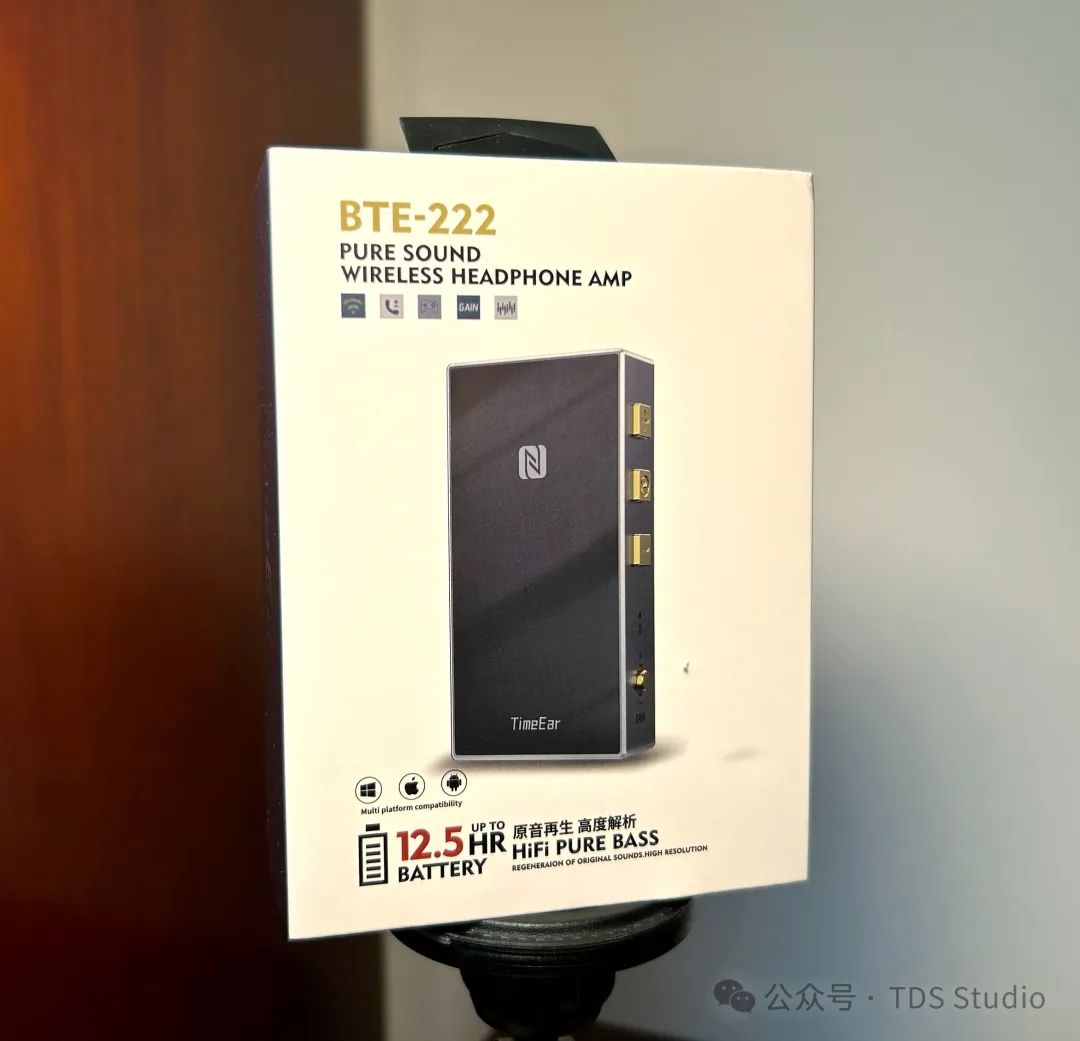
Well, for me who only realized this issue after receiving the product, I was a bit confused and could only blame myself for not checking the product details or asking clearly. However, it is fortunate that the BTE-222 is one of the better-sounding Bluetooth modules I have listened to based on the QCC3034 solution. As an LDAC fan, this discrepancy still left me somewhat speechless. The build quality is relatively refined, being a square aluminum block, and NFC pairing works quite smoothly.
Around this time, news of the impending launch of the BTE-8 began to spread in various groups, so based on my knowledge of the appearance, build quality, and basic sound tuning, I decided to wait a bit longer and started listening to the TEA-99 flat-head earplug that I purchased together.
<span>We have previously recommended several flat-head earplugs priced around a hundred yuan, but there haven't been many new products in the last year or two. The TEA-99, as one of the rarer independently molded models, indeed caught my attention early on. With several color options, the anodized finish is quite decent, leaving a good impression visually. In terms of sound, it performs well for a flat-head earplug in the hundred yuan range, though it doesn't stand out particularly. The quality of the TEA-99 is likely higher than that of products like B70 and unnamed brands, but it falls short of the quality of Monk SM and Pandas. It has a relatively light representation of mid-high frequencies, with natural lines that are not blurred, which is stronger than many low-priced flat-head earplugs. The texture of the mid frequencies feels slightly lacking compared to Pandas and Monk SM, giving a somewhat old flat-head impression. Overall, if someone is tired of the PK1 public model design but wants a reasonably comfortable flat-head earplug, the TEA-99 is worth considering, though I don't feel it has particularly unique features or is significantly superior to other excellent products in the hundred yuan range.</span>So, whether it’s the TEA-99 or the BTE-222, I can only give them a IV rating; they are good products, but I find them a bit conservative, lacking distinctive sound characteristics. After getting familiar with the sound of both products, the TimeEar interview program with the pilot was released, followed by the news of the BTE-8’s launch. I will put the program link here; after listening to this episode, I felt that at least I recognized the team’s attitude towards their products and was quite interested in the “99” series mentioned in the program, which is when I learned they actually have in-ear earplug products, but they were out of stock when I placed my order.
Next came the purchase of the BTE-8, and naturally, I also got the previously missed TEJ-99 in-ear earplug, while the BTE-222 and TEA-99 were sent off to circulate with some previous monster room competitors.
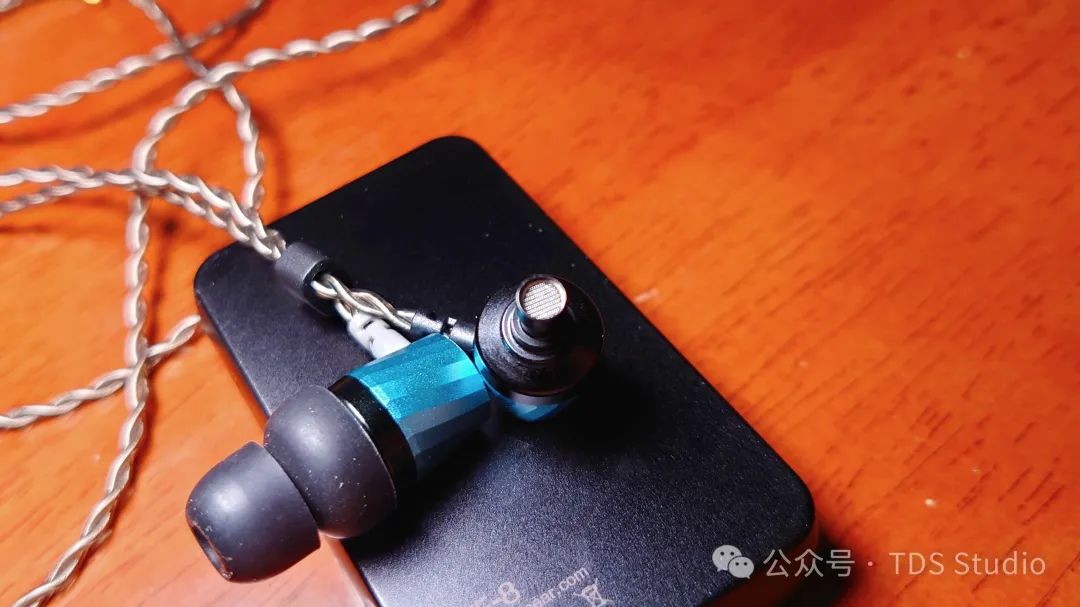
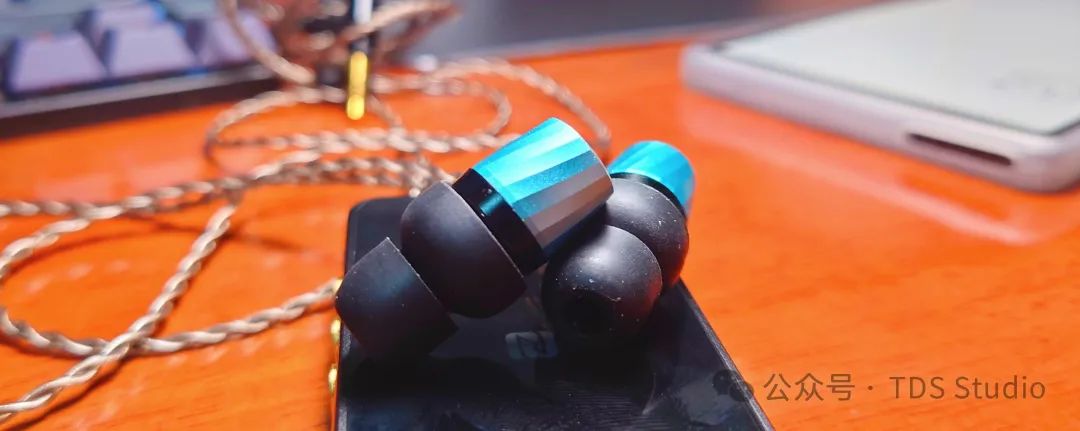
<span>First, let's talk about this earplug. The TEJ-99 is priced at 66 yuan, and it adopts the same design style and aluminum alloy body + anodized coloring as the previously mentioned TEA-99 flat-head earplug. Interestingly, as a straight-in earplug that looks structurally conventional, its sound tube is noticeably thinner than the common specifications, similar to Shure's sound tube thickness. Fortunately, the limit is prominent, allowing for compatibility with ear tips that are relatively not thick, such as AET08 and the like. The package includes three pairs of common small opening silicone tips and one pair of double-layer tips. The double-layer tip is already installed on the earphone body, so I initially didn't realize this was a thin sound tube earplug. This double-layer tip is very thick, and the size of a single layer is similar to that of a regular single-layer ear tip. There is no obvious special reflective structure inside, but the opening is slightly larger than the tail opening. After installation, it can help increase the depth of insertion. Due to the characteristics of this sound tube, the AET07 and various AZLA tips I usually use were clearly difficult to install securely, so I experimented with the compatible ear tips and ultimately found that the small opening silicone tips that came with the MH1C were the most suitable, balancing sound enhancement and wear stability.</span>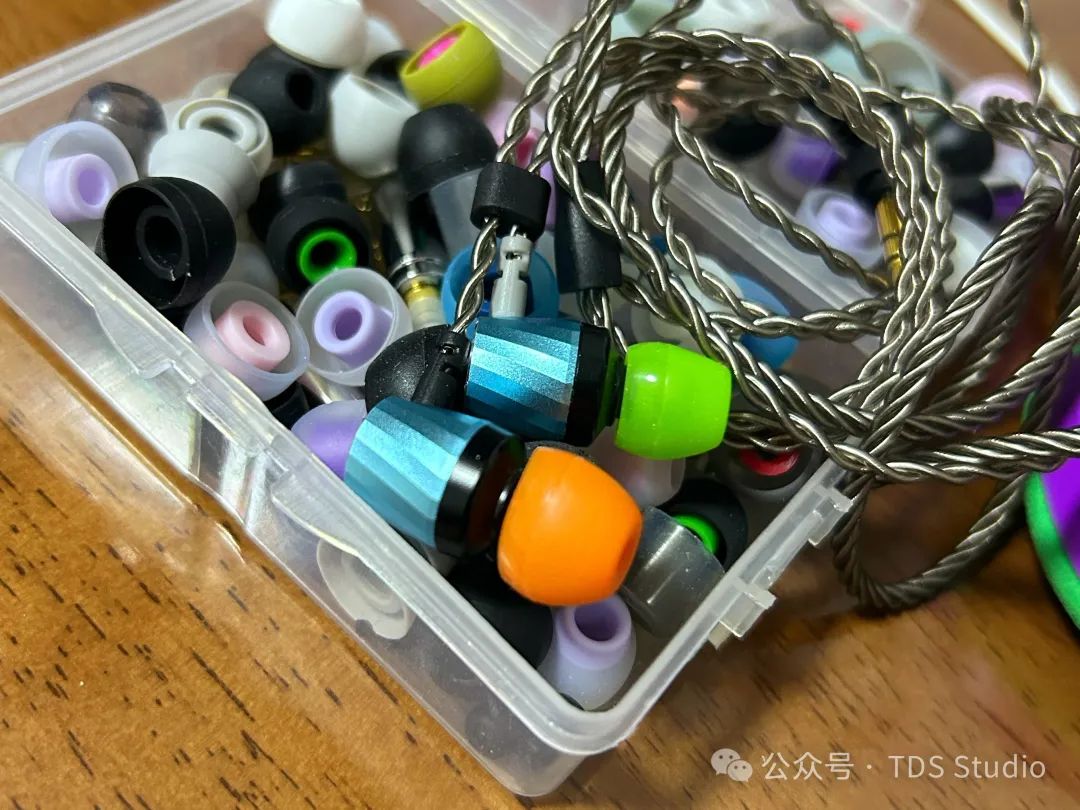
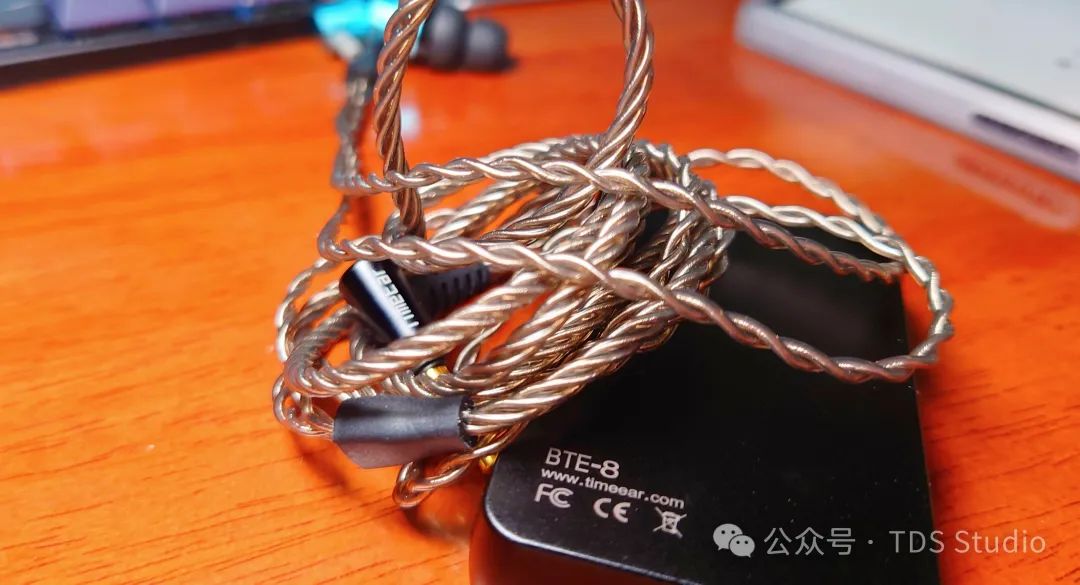
In terms of wire, both the TEJ-99 and TEA-99 use a 4N oxygen-free copper silver-plated wire, which is tightly woven and relatively soft, with no self-winding phenomenon, and there are color markings at the single unit connection points. The TEJ-99 has a dynamic driver unit diameter of 11mm, which is relatively large for this type of straight-in earplug. The impedance is 44Ω, and the sensitivity is 105dB (specific units unknown), relatively speaking, both the BTE-222 and BTE-8 can drive it to a good loudness and fullness.
So, what kind of sound style does the TEJ-99 have in its default double-layer tip state?
The low frequency has a moderate amount, but both thickness and fullness are quite prominent, and the descent is acceptable. The speed of release and capture is not fast, retaining a certain amount of resonance. The atmospheric rendering has a certain level of blurriness, slightly rich but not overwhelming, relatively still free-flowing. Its mid-low frequencies sound solid and natural, with a slightly fuzzy texture, not particularly cohesive or elastic, which aligns with some past dynamic earplug impressions.
In the mid frequencies, the thickness of the vocals is not high; in fact, its style is slightly V-shaped, but the clarity of vocal imaging is not poor. There is a slight sense of distance, and the mouth shape is slightly larger, with a level of refinement that is not very high. The texture performance is prioritized over line drawing. The bias between male and female vocals leans more towards male vocals, with good inclusiveness of voice lines, retaining a certain level of graininess. The color rendering degree is not too much, but it is clearly warmer, just without any sense of distortion in the tone. The position of throat sound is slightly lower than usual, with an appropriate ratio of breath sounds and not too much teeth sound. The vocals of the TEJ-99 sound pleasant, not overly tight, warm with texture, and have a high degree of listenability.
In terms of instruments, there is more emphasis on texture performance rather than prominent line drawing. Among string instruments, the violin, viola, and guitar have slightly thick lines, and the highlighting of string details is not very high. The cello has a solid sense of form. Brass instruments have a good sense of momentum, while trumpets that require brightness are not particularly bright. Woodwind instruments take a solid route, with average transparency. The overtones of the instruments are quite natural. The presence of percussion instruments is appropriate, with no obvious sense of irritation.
The brightness of the high frequencies is not prominent, and the overall smoothness is quite good. The extension of the extreme high frequencies at this price point is clearly acceptable, with a natural roll-off that is relatively fast and early.
The soundstage is not large, but fortunately, there is no sense of constriction laterally. The separation and resolution capabilities are quite good at the hundred yuan price point, and there is no overflow of “resolution sense” that affects naturalness. The dynamics are good, and the transients are average.
In summary, the TEJ-99 does not sound like a particularly modern dynamic earplug and gives a more old-fashioned impression. According to the tastes of many enthusiasts familiar with modern dynamics, the TEJ-99 does not meet their expectations. So why did the TEJ-99 receive a V rating? Considering the price of 66 yuan, there is indeed a lack of old-fashioned style earplugs in the hundred yuan range, and combined with its craftsmanship details, you will find it hard to find competing products with its style at a similar price. The low price range is not lacking in dull and bland sounds. It is precisely the stylization that gives the TEJ-99 a path where “old enthusiasts might casually enjoy it”.
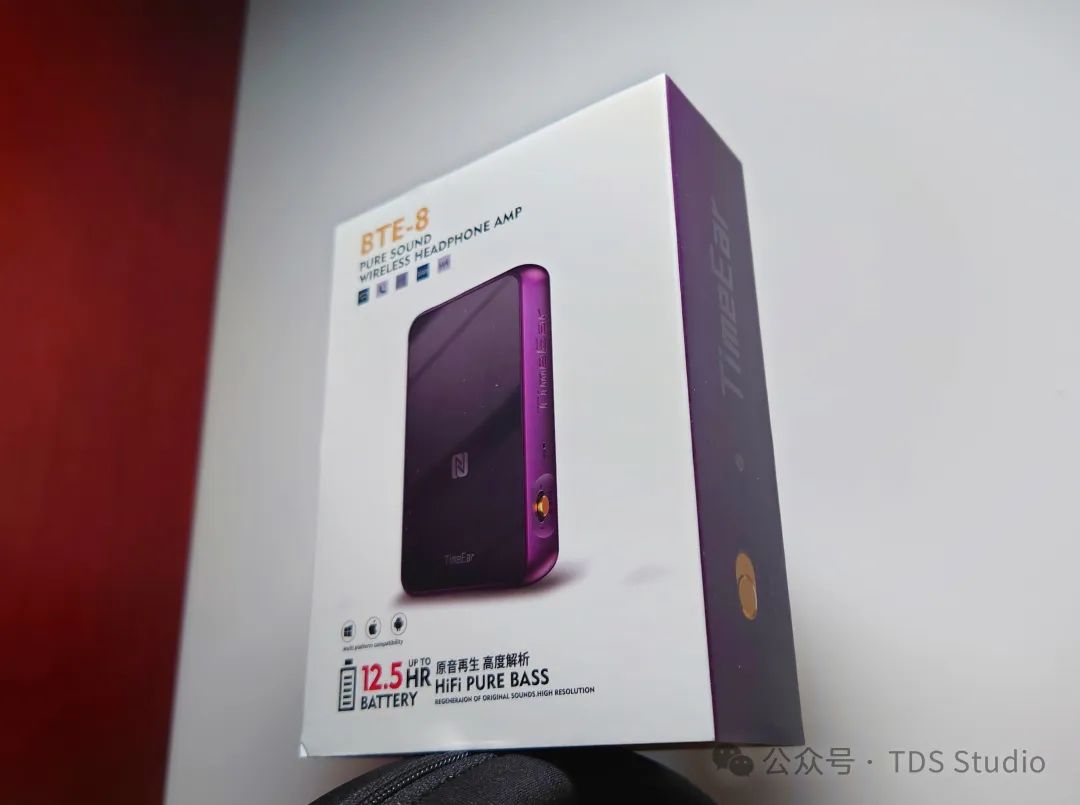
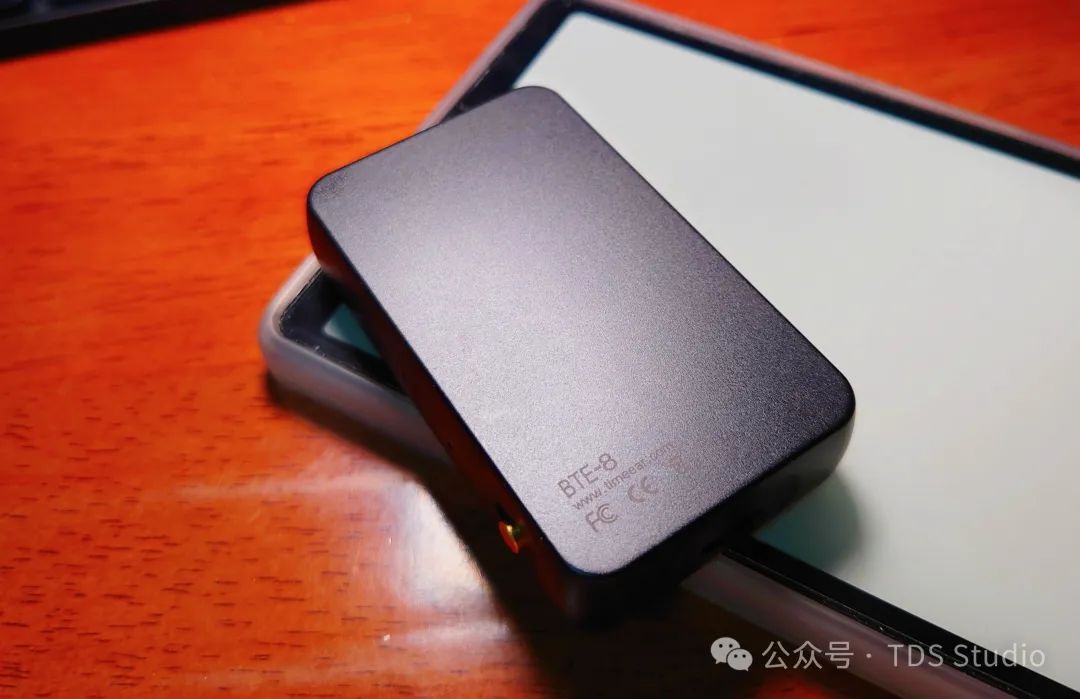
If the TEJ-99 relies on being cheap and stylized to win, the BTE-8 achieves its V rating through comprehensiveness. Compared to the BTE-222, it has obvious improvements in many aspects and has even become one of the most worthwhile purchases in this subcategory of Bluetooth modules. Continuing the simple packaging of the BTE-222 and the same anodized metal shell + delicate matte panel, the BTE-8 feels rounder in the hand, and the craftsmanship details remain excellent. Although the buttons and ports are not centered due to structural limitations, it does not feel cheap whether touched or actually used. NFC and USB DAC functions are retained, and a 4.4mm balanced port has also been added this time.
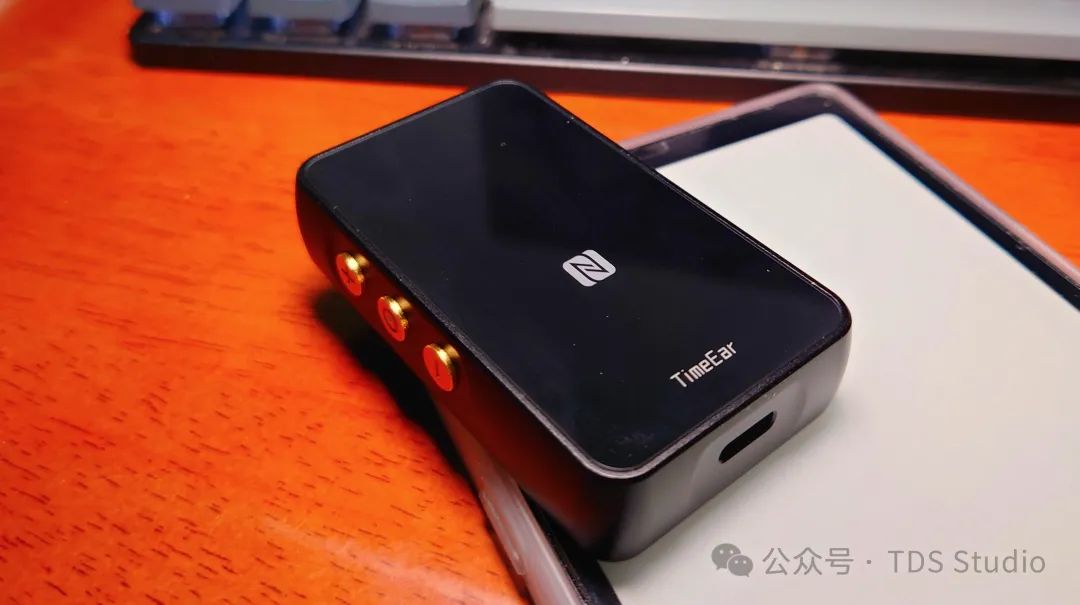
On the BTE-222 QCC3034 version, the missing LDAC has finally been added, and even LHDC support is quite complete. The BTE-8 uses the QCC5125 solution, along with dual CS43131 for decoding and dual independent oscillators. Although limited by Qualcomm’s solution in USB DAC mode, considering the need for call functionality, it is locked at 48kHz / 16bit, but among the USB dongles/Bluetooth modules with the same dual CS43131 architecture, the BTE-8’s sound overall performance is also above average and does not lag behind the level of dual-port dongles like BHD Pro, M1P, and Space. Compared to many dongles priced three to four hundred, its sound framework clarity is better, and the fullness of the sound base is also higher. Just a side note, the packaging indeed does not include a USB cable…
In terms of signal stability as a Bluetooth module, both the BTE-8 and BTE-222 do not have major issues. In LDAC sound priority mode, when connecting to standard testing devices like the Xperia 5 III, it can maintain a stable connection in various environments, with packet loss and stuttering rates controlled at very low levels, unless WLAN is turned on while squeezing signals in the subway station; it has not experienced any stuttering or packet loss that affects listening continuity in sound priority mode. Both modules also perform well under aptX HD. In terms of latency performance, using LDAC signal priority mode for testing, it can basically control the latency to about half a syllable in normal speech speed during streaming video and offline cached video scenarios.
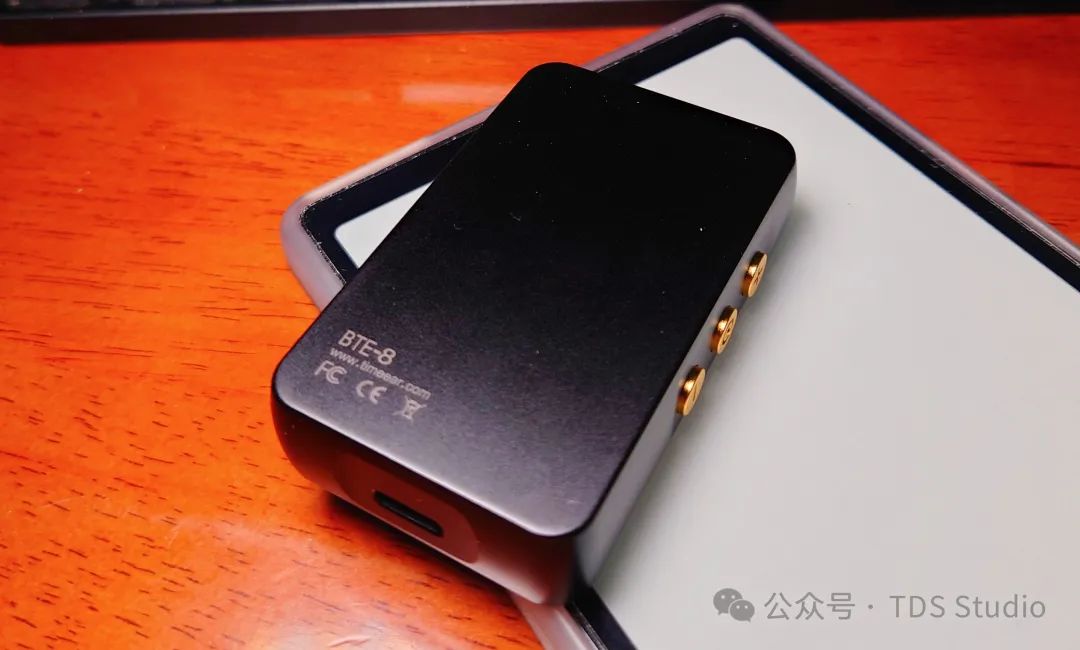
In terms of battery life, both the BTE-222 and BTE-8 have a nominal value of 12.5 hours of basic battery life. Due to the actual usage environment switching between Bluetooth and USB dual modes, and pairing with many headphones with different power requirements, it is challenging to quantify the actual battery life. According to official statements, under the latest firmware, the BTE-8 can achieve a battery life of 21 hours when driving easy-to-push headphones, so there is no need to worry about battery anxiety.
After receiving it for a while, I discovered that the BTE-8 actually has OTA upgrade functionality, but the app’s interface and upgrade method seem somewhat primitive. I wonder if more features will be introduced later; since an entry point has been left, theoretically, the expandability of the BTE-8 is not limited to this. Soon, software functions like equalizers and parameter sharing will arrive, making it quite playable.
It is worth mentioning that both the BTE-222 and BTE-8 have a dual-array microphone configuration, and the call noise reduction capability is quite good among Bluetooth modules.
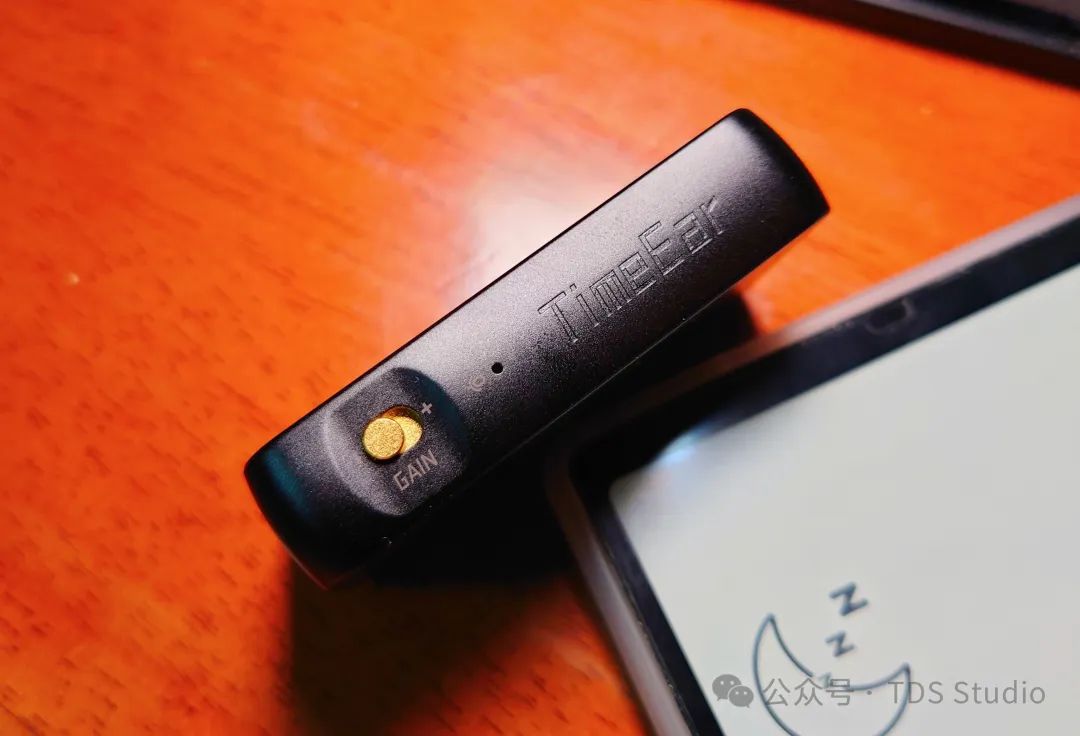
Other specific parameters will not be listed here. During this time, I have tried pairing with TimeEar’s two earphones, Sony MDR-EX1000, MDR-7506, MDR-MV1, ULT Wear, XBA-100, Beyerdynamic DT900 PRO X, SeeAudio Bravery, Dunu Luna, Alpha 3, UM M16, qdc Superior, Folk, Sennheiser HD25, HD400 PRO, Shuiyueyu Lan, Ningfan ND12, NA2 Metal, NE4, Astrotec Lyra Clover dual versions, and Sound Memory SM2 2023, SW2, and have not encountered any issues with driving them. In small Bluetooth modules, power is not its shortcoming.
Driving a Cella Balans V and Beyerdynamic DT150 through the balanced port can also provide relatively sufficient driving force comparable to small dongles in the 500 yuan range, but do not expect extraordinary driving capabilities beyond expectations.
Finally, let’s talk about the sound style of the BTE-8.
The BTE-8 generally has a neutral to slightly warm overall style. The texture, compared to many Bluetooth modules, is quite solid, with appropriate fullness. The low frequency has a moderate amount, and the energy is not overly prominent, descending not inferior to small dongles like BHD Pro and Space. The layering performance is among the best I’ve heard in small Bluetooth modules. The release and capture speed is not fast, but it is relatively clean. There is a mild atmospheric rendering, a certain level of blurriness but not overly rich. The fundamental tone of instruments in the mid-low range does not have a forward issue, and the imaging position is normal.
The texture of the vocals and the balance between lines are generally well-balanced, with appropriate distance, normal mouth shape, and no issues with overly large mouth shapes. There is also no particularly obvious bias between male and female vocals, and the color rendering is not heavy, only adjusted slightly in the mid-high range for a certain degree of pleasantness. The adaptability of voice lines focuses on the more solid parts, retaining a certain level of graininess to provide enough flavor in the performance of some thick male vocals. The position of throat sound is not problematic, and the proportion of breath sounds is not high, with the frequency range of teeth sounds being relatively smooth.
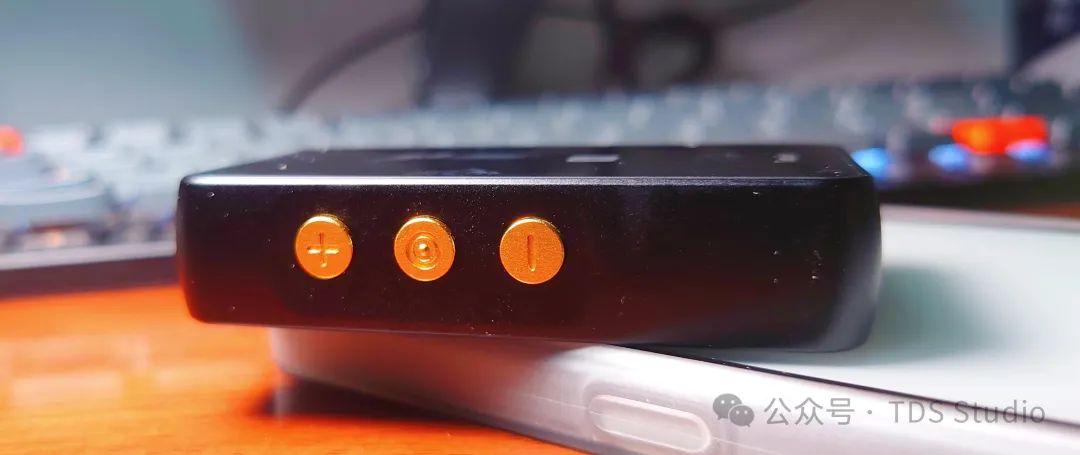
In terms of instruments, there is generally no obvious bias between texture and lines. String instruments are generally solid, with enough detail in the bowing of strings, appearing quite adequate among Bluetooth modules, but without particularly prominent feelings. The sense of momentum in brass instruments is moderate, and they do not lack brightness. The airiness of woodwind instruments may be slightly lacking, but their solidity is not a concern. The volume of overtones in instruments is relatively ample among Bluetooth modules. The presence of percussion instruments is appropriate, with no strong sense of stimulation.
The brightness of the high frequencies is moderate, and the overall smoothness is quite good, without particularly obvious peaks. The extension ability of extreme high frequencies is very close to that of mid-range small dongles rather than a Bluetooth module level.
The soundstage is not very large, and the sense of boundaries is not deliberately emphasized; compared to mid-range small dongles, the only issue in terms of spatiality is the lack of layering and “height sense”. The separation performance is good, and the resolution capability at this price point is without issues, with overall naturalness being good and no particularly obvious “resolution sense” elevation. The dynamics and transients are moderate.
Overall, the BTE-8 is a very surprising small device, with sound completeness and signal stability that are quite impressive. Priced at just over three hundred, it offers basic sound performance comparable to small dongles around five hundred yuan, which is not something that can be achieved simply by using an integrated solution without adjustments. Among the four products mentioned in this article from TimeEar, both the BTE-8 and TEJ-99 are highly recommended at their respective price points; they are not without shortcomings, but they have enough distinctive strengths. In comparison, the performance of the TEA-99 does not stand out as much as the first two, and the BTE-222 appears relatively “average” under the BTE-8. If you only need a single-ended option and think aptX HD is sufficient, you can also consider giving it a try.
KingTsui, TDS Studio.
May 2024
It’s a TDS production.
All content is independently created; please do not plagiarize content or copy the structure, retaining all rights.
TDS GLIMPSE is now available on Zhihu, Toutiao, Weibo, WeChat, SMZDM, and Bilibili.