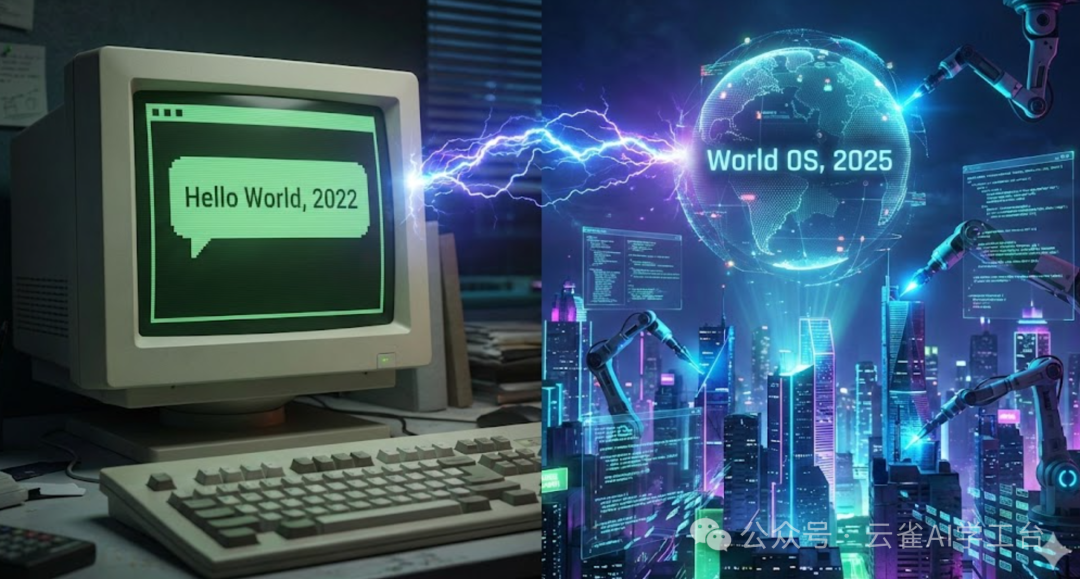
At the end of November 2022, ChatGPT quietly went online. At that time, people found it novel—wow, this machine can actually write limericks and even create a little story about a “candy-powered spaceship.” Many treated it as an advanced chatbot, quickly losing interest after a few days.
No one expected this was just the calm before the storm.
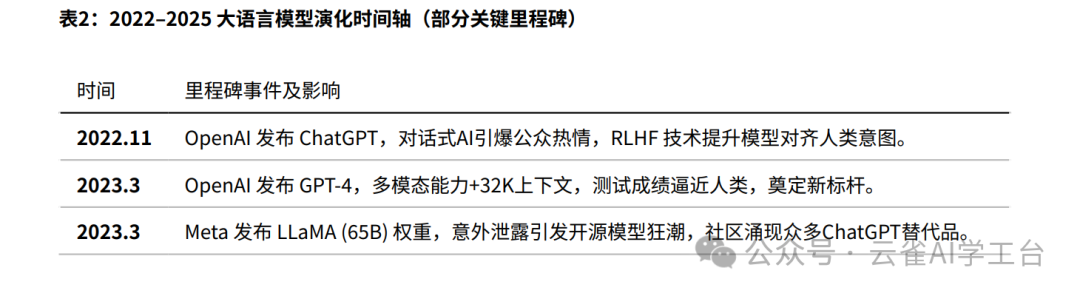
Looking back from the end of 2025, these three short years felt like a fast-forwarded sci-fi movie: AI transformed from a quirky toy in the lab to a digital entity capable of writing code, operating computers, and even beginning to think for itself. More critically, this technological revolution has long surpassed mere technical competition, evolving into a global intellectual arms race.
Act One: A Solo Performance in Silicon Valley (2022-2023)
The Moment That Left Everyone Stunned
At the end of 2022, when ChatGPT first came out, it was indeed quite foolish. It would seriously tell you that Columbus discovered the Americas in 2015 and concoct various non-existent academic papers. But this AI, full of nonsense, made the world realize for the first time: machines have finally learned to think in human language.
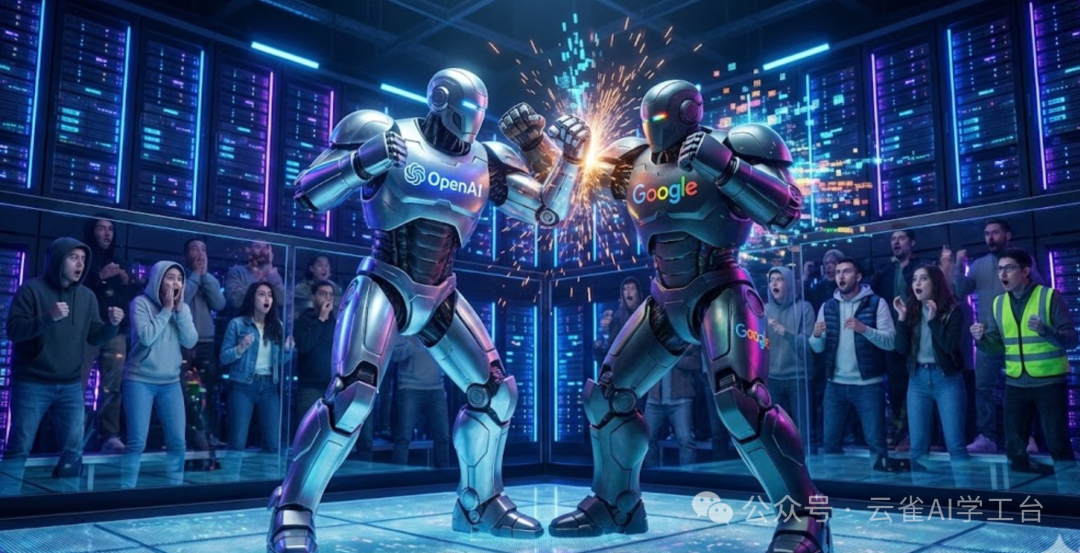
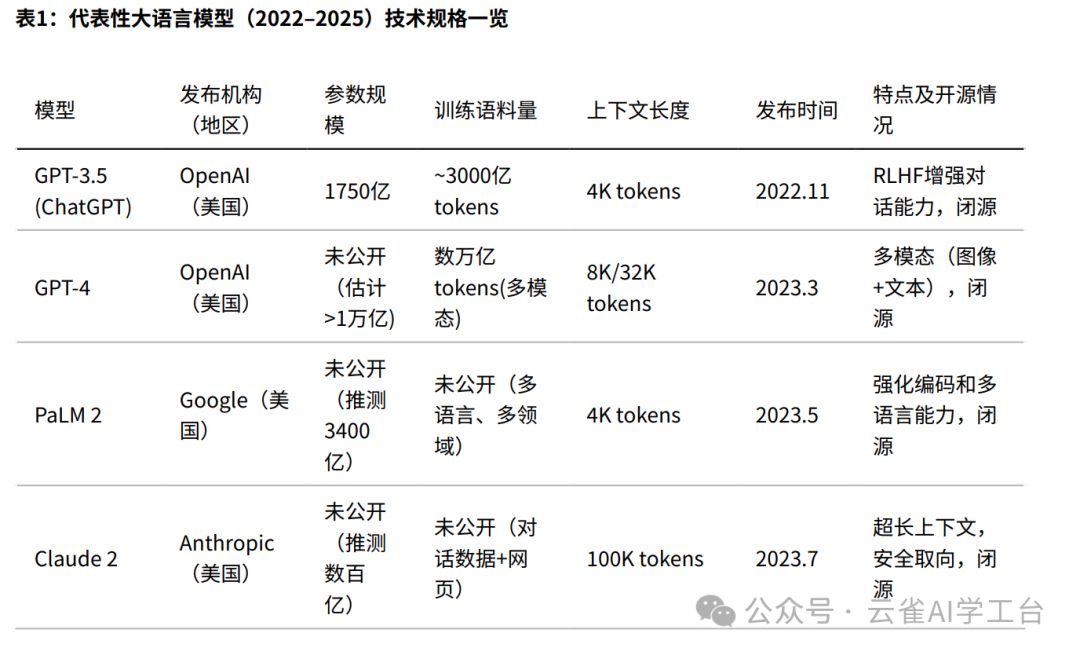
The real turning point was GPT-4 in March 2023. This model outperformed 90% of human candidates in the U.S. bar exam. Suddenly, AI was no longer just a clown playing word games; it began to demonstrate the ability to handle complex logic. During that time, Silicon Valley was filled with an almost frenzied atmosphere—OpenAI and Google were like two boxers in a ring, competing over who had the larger model, more parameters, and more massive datasets.
Europe’s Unconventional Approach
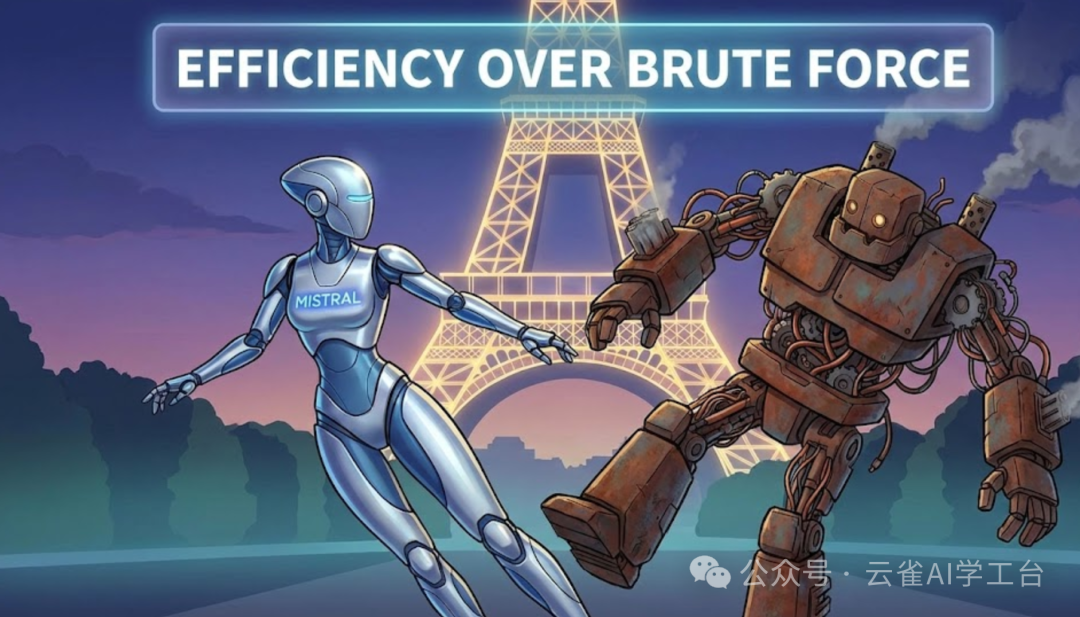
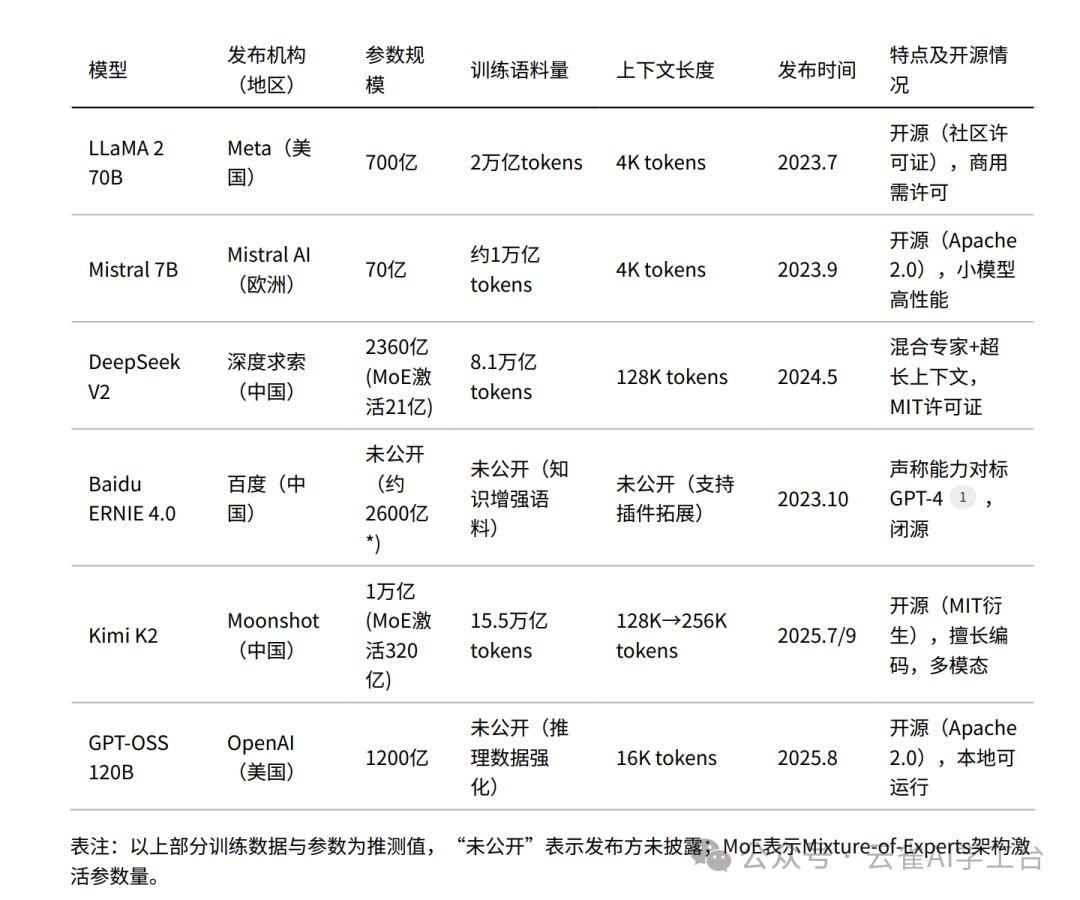
While American giants were still believing in brute force miracles, a group of former Google researchers in Paris created something called Mistral. Their logic was simple and straightforward: rather than piling on 7 billion parameters to make a bloated model, they focused on designing the architecture to maximize the effectiveness of each parameter.
The result was that the small Mistral 7B outperformed competitors with twice its parameter count. It was like a lightweight boxer knocking out a heavyweight—everyone suddenly understood that in the AI race, smart architecture is more important than brute force. This move allowed Europe to secure a place on the global AI map.
China’s Blitzkrieg
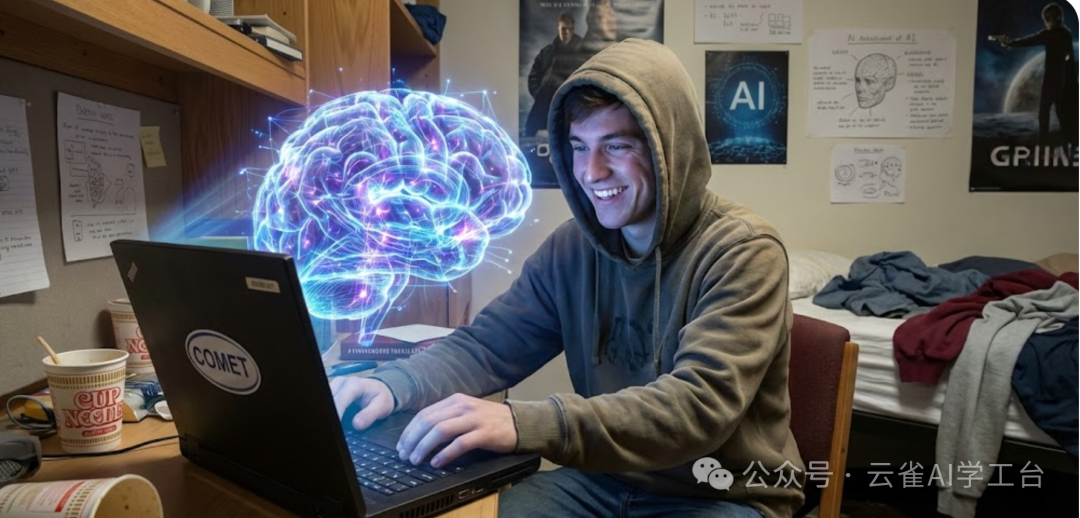
China’s response speed was astonishing. In 2023, new large models were released almost every week, with the media dubbing it the “Hundred Model War.” But the most impressive was the ChatGLM-6B developed by the Tsinghua team—they managed to fit a large model into a regular laptop.
This may not sound like much, but it is significant. Previously, using large models required renting expensive cloud servers; now, university students can run them on their own computers. This is akin to the Android moment in AI—technology has transformed from a luxury toy into a tool for the masses.
Act Two: Cost Wars and Memory Revolution (2023-2024)
AI Learned to Remember Everything
The biggest breakthrough in 2024 was not that models became smarter, but that their memory capacity skyrocketed.
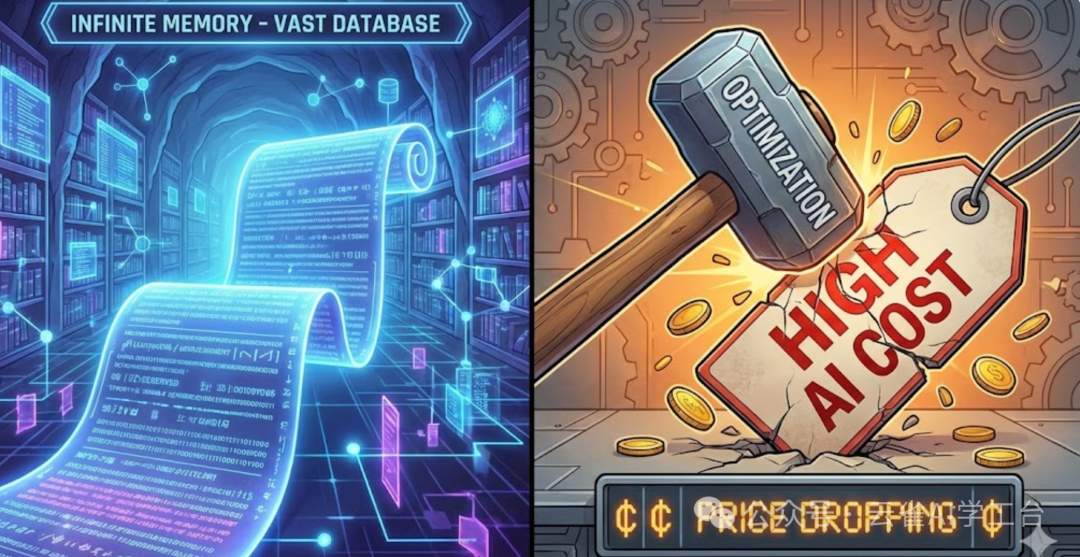
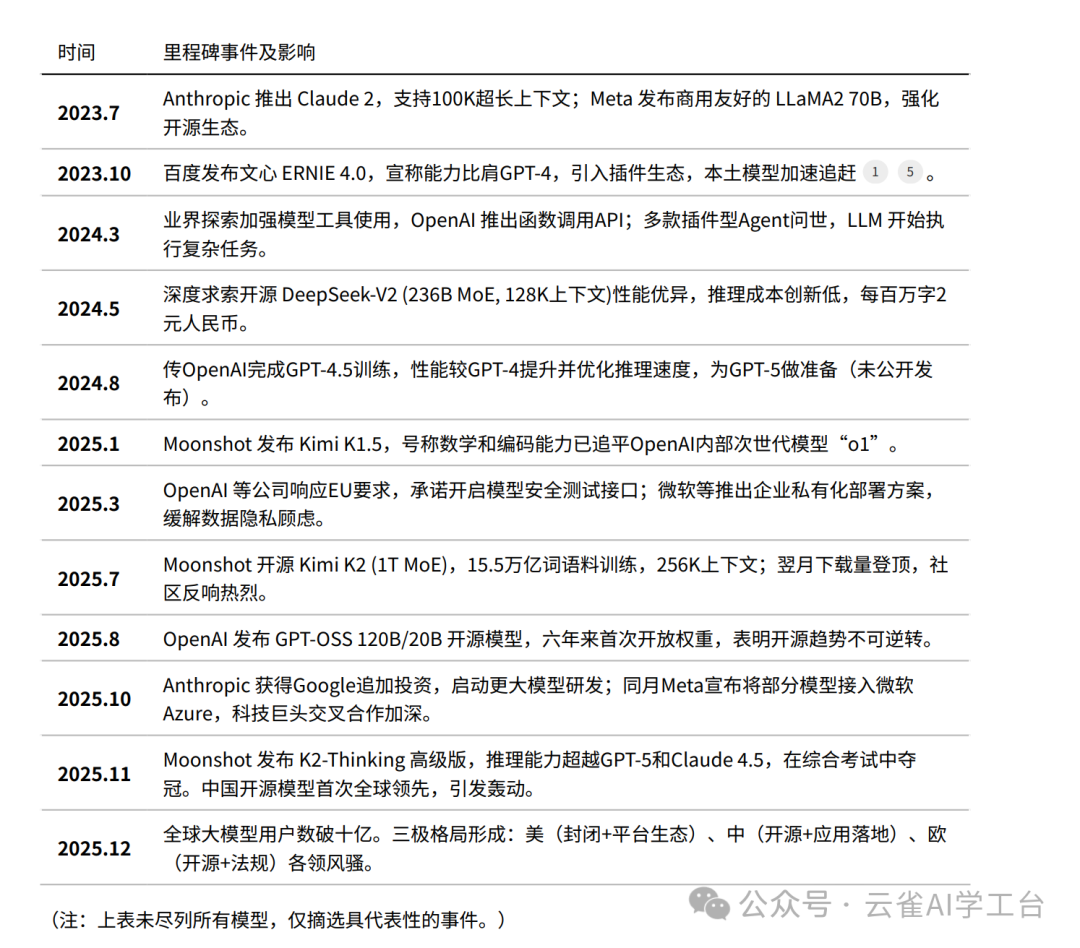
Google’s Gemini 1.5 Pro was the first to achieve the ability to read 1 million words at once. Soon after, China’s Moonshot AI announced that their Kimi could handle 2 million Chinese characters—equivalent to the length of three or four volumes of “Dream of the Red Chamber.”
What does this breakthrough mean? Previously, if you wanted AI to analyze a complex legal document, you had to spend a lot of effort breaking the document into pieces, indexing it, and building a database. Now, you can simply throw the entire case file at it, and it can find any relevant detail with the precision of a lawyer with photographic memory. Kimi quickly accumulated over 100 million users in China thanks to this capability.
The Emergence of Price Slayers
<spanif a="" about="" an="" breakthrough,="" brought="" deepseek="" earthquake.
In 2024, against the backdrop of U.S. chip restrictions, DeepSeek drastically optimized its technical architecture, reducing AI inference costs to one-thirtieth of GPT-4’s. One-thirtieth! This is not a minor price promotion; it shattered the entire industry’s pricing structure.
Silicon Valley investors panicked. They had originally thought that as long as they controlled advanced chips, they could maintain technological and cost advantages. DeepSeek proved that in the face of software optimization, hardware advantages can be significantly offset. AI has thus transformed from a luxury item into a commodity, completely breaking down the barriers to large-scale commercial deployment.
The New King of the Open Source World
Alibaba Cloud’s Qwen (Tongyi Qianwen) took a different path: open source. Their Qwen 2.5 series swept various open source rankings, especially Qwen 2.5-Coder, whose coding capabilities have nearly reached that of GPT-4. Countless developers worldwide began deploying Qwen locally, using it as a programming assistant that does not require internet access and is completely private.
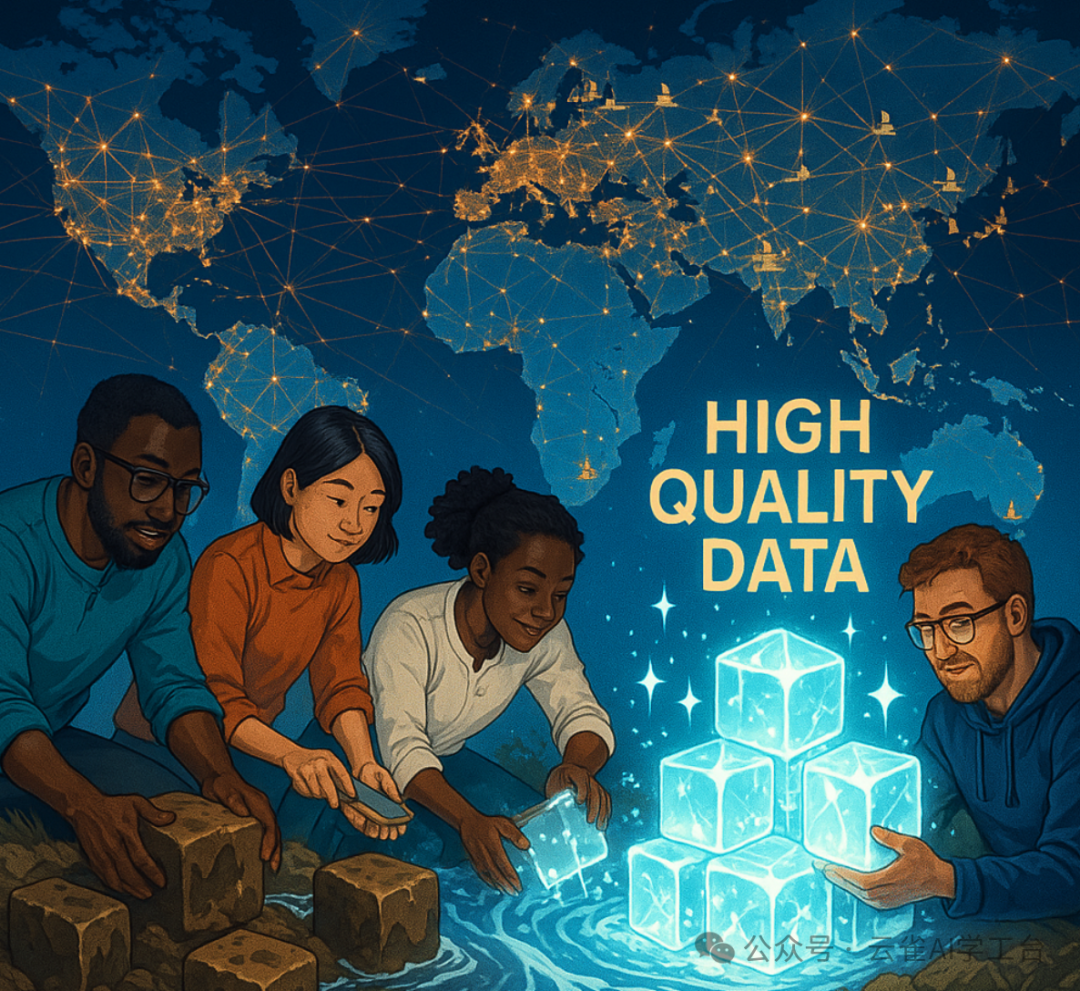
The success of Qwen reveals a harsh truth: the ceiling of AI capabilities is often not about how flashy the algorithms are, but about how clean and rich the training data is. The Qwen team cleaned 18 trillion tokens of data—this labor-intensive work is the real moat.
Act Three: AI Begins to Learn to Think and Act (2024-2025)
The Awakening of Slow Thinking
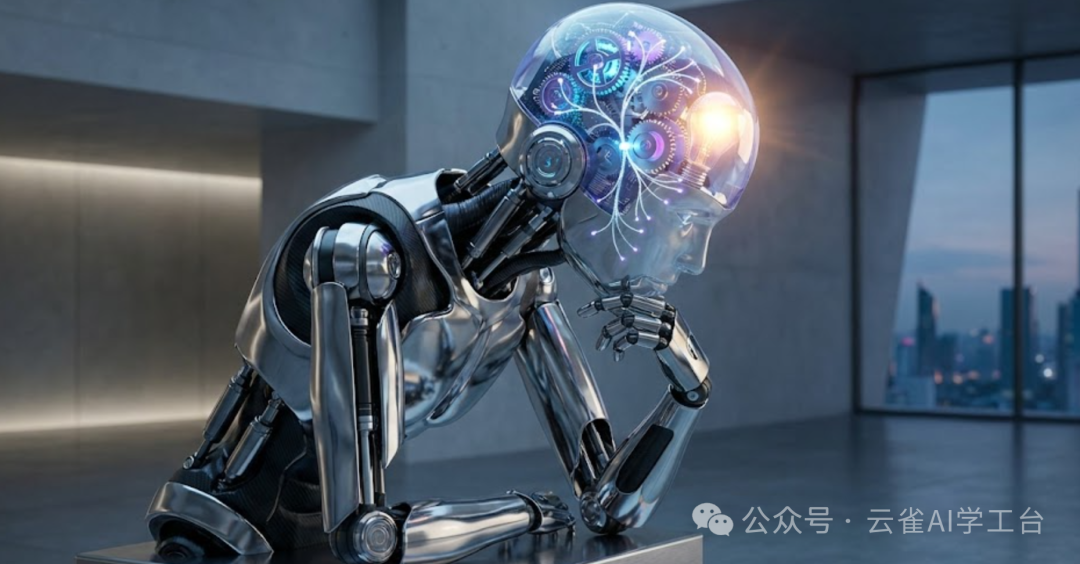
From late 2024 to early 2025, a seemingly insignificant yet profoundly meaningful event occurred in the AI world: AI learned to slow down and think.
Previous AIs were like contestants in a rapid-fire quiz, immediately jumping to answers upon hearing questions; they were fast but often made mistakes. OpenAI’s o1 and DeepSeek’s R1 changed this rule—they would first silently reason through dozens or even hundreds of steps in their minds, confirming the logic before answering.
This testing method sounds simple but has astonishing effects. o1 achieved a PhD-level performance in simulated tests of the International Physics Olympiad. Meanwhile, DeepSeek-R1, as the first open-source top reasoning model, tied with OpenAI in mathematics competitions but at a much lower cost.
Even more impressive is Moonshot AI’s Kimi k2 Thinking. It not only thinks but also pauses during the thought process—if it realizes it needs certain data, it will stop to search online or run a piece of code, obtaining results before continuing to think. This ability to think and act simultaneously allows it to perform exceptionally well in handling complex multi-step tasks.
From Chat Box to Operating System
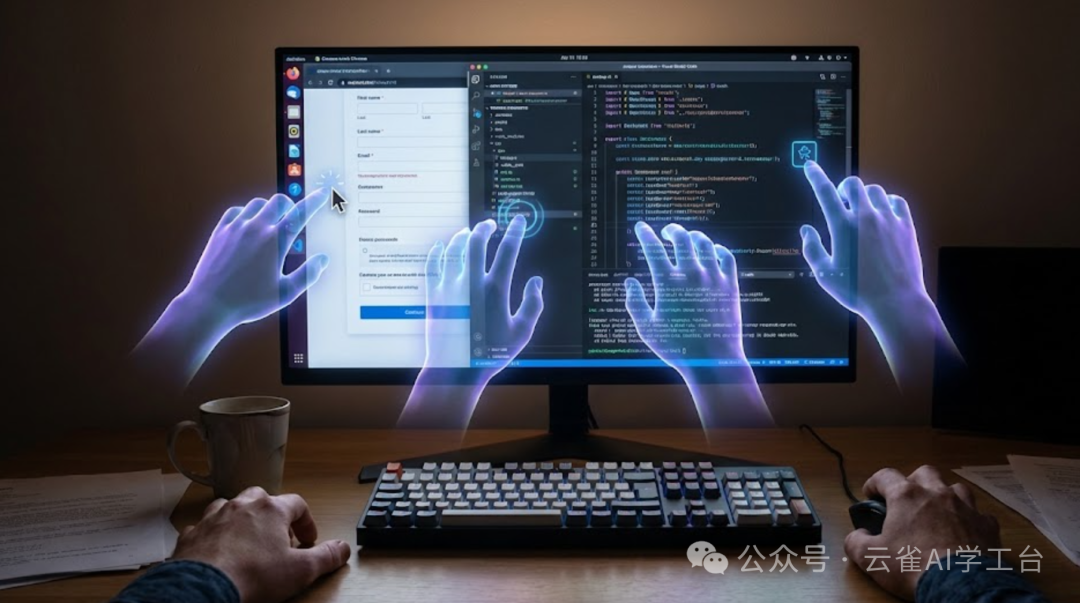
By 2025, AI had completely transformed its form. It was no longer satisfied with answering questions in a chat box; it began to take direct action.
Google’s Gemini 3 Pro, released in November, combined with the Antigravity platform, redefined what it means to write code. In Antigravity, you no longer need to type code yourself; instead, you direct a group of AI assistants to collaborate—one handles the backend, another writes test cases, and another fixes bugs; you only need to accept the results. The traditional way of working for programmers is being disrupted.
Anthropic’s Claude even directly controlled the computer. Its Computer Use feature allows AI to move the mouse, click icons, and fill out forms like a human. This means AI no longer needs dedicated API interfaces; it can use any software that a human can.
A New Triumvirate Structure
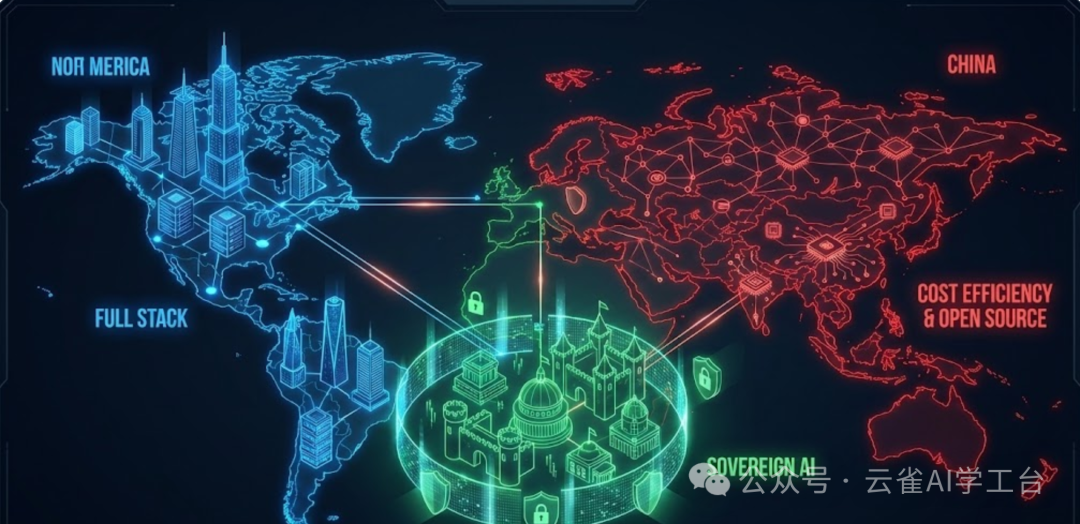
By the end of 2025, a subtle balance formed in the global AI landscape:
The United States still holds the strongest overall strength. OpenAI’s GPT series, Google’s Gemini, and Anthropic’s Claude are unmatched in the completeness of their ecosystems. Their advantage lies in full-stack integration—from models to applications to commercialization, everything is seamlessly connected.
China has established deep moats in several other dimensions: cost advantage (DeepSeek’s extreme cost-performance ratio), open-source ecosystem (Qwen’s global developer community), and long-text long-process applications (Kimi’s ultra-long memory). In fact, the mid-to-low-end market and open-source field have become the domain of Chinese models.
Europe has carved out a unique path. Mistral’s deep collaboration with European giant SAP provides sovereign AI solutions that comply with strict privacy regulations and keep data from leaving the country. In the B2B market, this trustworthy localized solution has become a powerful selling point.
The Future is Here: Predictions for 2026-2030
Programmers Will Become Vibe Coders
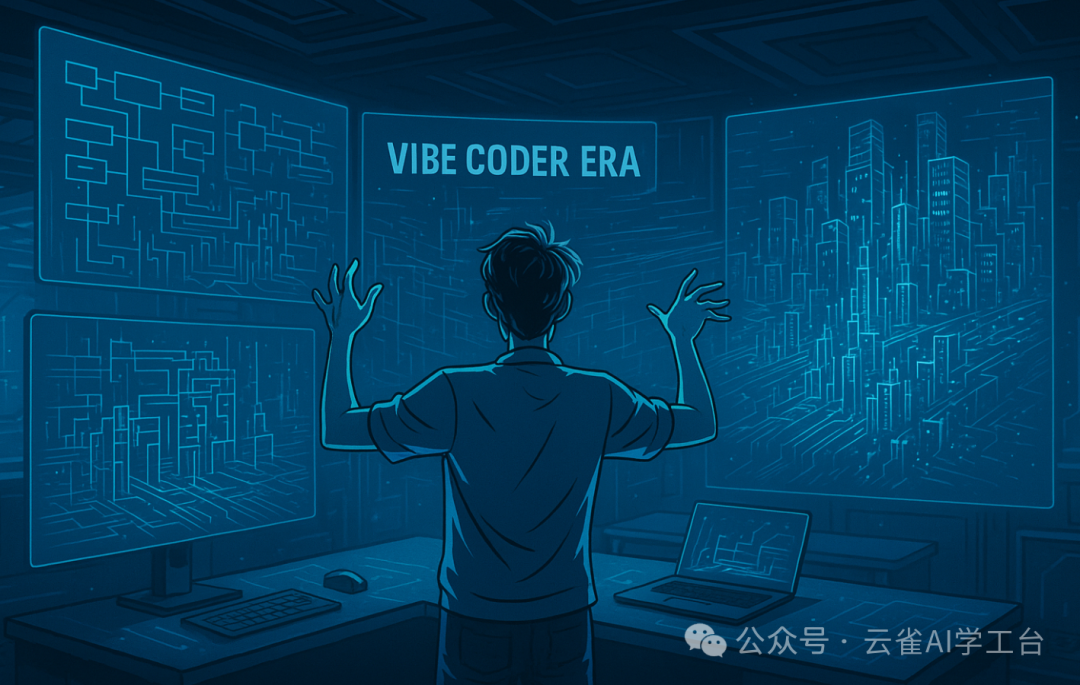
In the coming years, traditional programmers will become increasingly rare. Instead, a new profession will emerge—some jokingly call it Vibe Coders. They will no longer write code but will describe ideas in natural language and oversee architectural direction, leaving the specific implementation entirely to AI. GitHub Copilot will evolve into GitHub Autopilot.
This is not the end of programmers but an elevation of their roles. Just as the invention of the automobile did not eliminate carriage drivers but transformed them into drivers and driving experience designers.
Intelligent Agents Will Establish Their Own Internet
An even crazier prediction is that by around 2027, more than half of internet traffic may come from AI agents rather than humans.
Your shopping assistant AI will automatically negotiate prices with the merchant’s sales AI, compare terms, and arrange logistics. Your financial AI will negotiate loan rates with the bank’s AI. These AIs will form a new protocol language among themselves, similar to today’s internet’s TCP/IP protocol. Humans will only need to set goals and bottom lines, leaving the specific processes to the agents to negotiate.
The Iron Curtain of Data Will Grow Thicker
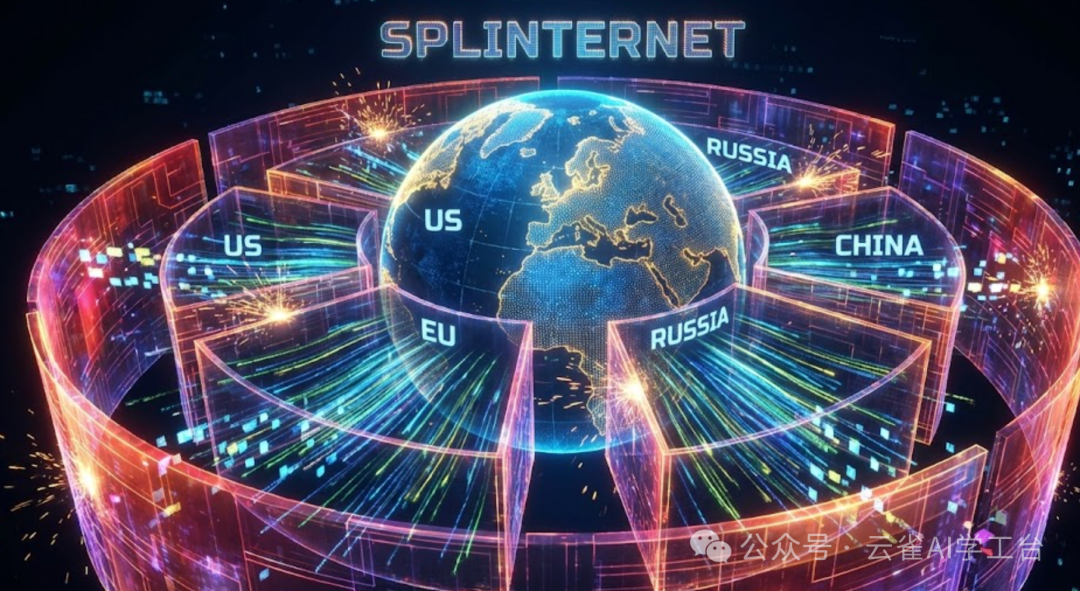
Geopolitics will not spare AI. The EU’s AI Act, U.S. chip controls, and various countries’ data sovereignty demands are slicing the global internet into different segments. American AI, European sovereign AI, and Chinese AI will face increasingly restricted data flows.
This will spur a massive explosion of Edge AI—because models running locally do not require data to leave the country, allowing them to bypass regulatory barriers. Your phone, your car, and your smart home will all be equipped with increasingly powerful local AI.
The Emergence of AI Scientists
The most exciting prospect is that AI will shift from organizing known knowledge to creating new knowledge.
Reasoning models like DeepSeek R1 and GPT-6 will be used to tackle human scientific challenges—molecular design of new materials, precise control of nuclear fusion, and drug development for rare diseases. AI will no longer be just a tool for humans but will become a research partner and even a mentor.
By 2030, we may witness the first truly Nobel-level achievements led by AI, with human assistance.
In Conclusion
From the ChatGPT that could only write limericks in 2022 to the Gemini 3 Pro that can independently develop complete software by 2025, AI has undergone a transformation from a parrot mimicking speech to a digital craftsman in just three years.
This period has also shattered many myths. We discovered that computational power advantages can be offset by clever architectural design; we found that general large models are not the only answer, and vertically optimized small models also have a place; we realized that AI competition is no longer merely an IQ contest but a struggle for ecological niches.
Humanity stands at a historical turning point. Our role is shifting from teaching machines how to do things to telling machines what to do. Previously, we wrote code for machines to execute; now we describe goals for machines to figure out how to achieve.
This may be the greatest liberation in human history—we can finally break free from repetitive cognitive labor to engage in tasks that truly require creativity and judgment. But it may also pose the most severe challenge—when machines can perform most human jobs, where do human value and meaning lie?
The answer may lie within the transformation itself: human value has never been about the efficiency of task execution but about the ability to ask questions, set goals, and make choices. The more powerful AI becomes, the more precious this uniquely human wisdom becomes.
The future is here, though unevenly distributed. Those who embrace change first will become the builders of the new world.
