On June 13 at 20:00, we conducted a 160-minute live stream in Douyu Live Room 2148619, rigorously validating and testing Huawei’s GPU Turbo technology on the Honor Play.
Below is our complete testing process and conclusions.
What did we do last night?
We mainly compared several models including Huawei Honor Play, Xiaomi 8, iPhone X, and OnePlus 6, focusing on testing the frame rates of the tested phones while running games such as PlayerUnknown’s Battlegrounds: Stimulus Battlefield, Honor of Kings, and Crossfire. We also answered questions from users and the audience.
Phase One Testing:
Actual Test Three Matches of Stimulus Battlefield
Basic settings for all tested phones:
Maximum system brightness, automatic brightness function turned off. Sound turned off. Battery charged to 100%.
Turn off the 4D vibration function:
During the test, we turned off the “4D vibration” function for the Huawei Honor Play.
Game graphics settings for PlayerUnknown’s Battlegrounds: Stimulus Battlefield:
Graphics Quality (HDR High) | Frame Rate Setting (Ultra High) | Graphics Style (Classic)
Anti-aliasing (On) | Smooth Adaptive (Off)
Game scenarios:
Including indoor looting, outdoor running, outdoor scope usage, water surface observation, off-road driving observation, and various other scenarios, aiming to closely match the actual user experience.
First test of Phase One
Duration: approx. 21m 21s
Test game: PlayerUnknown’s Battlegrounds: Stimulus Battlefield
Test models: Huawei Honor Play, Xiaomi 8, iPhone X (all in spectator mode)
iPhone X:
Xiaomi 8:
Huawei Honor Play:
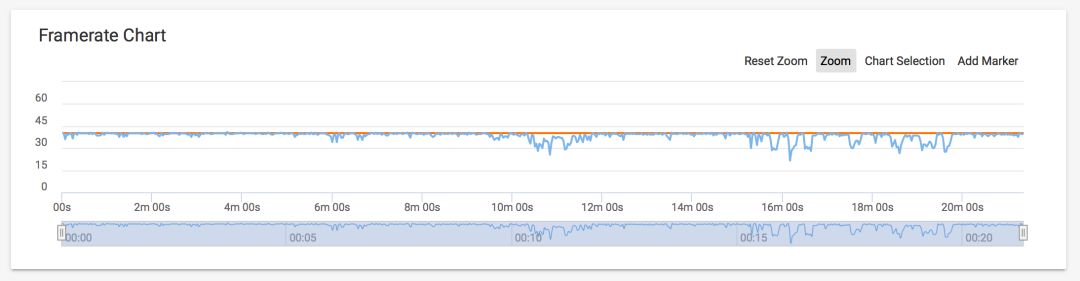
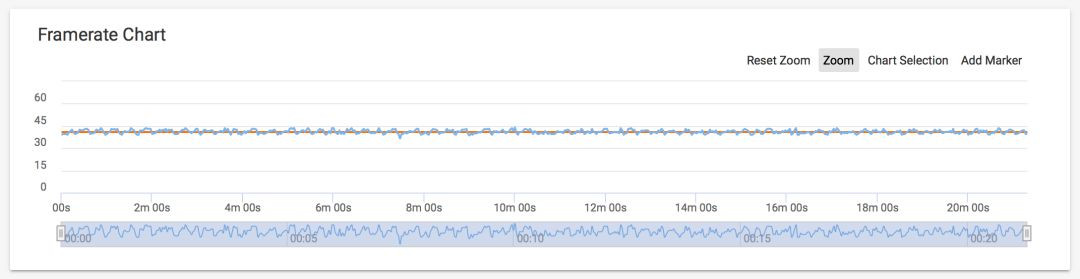
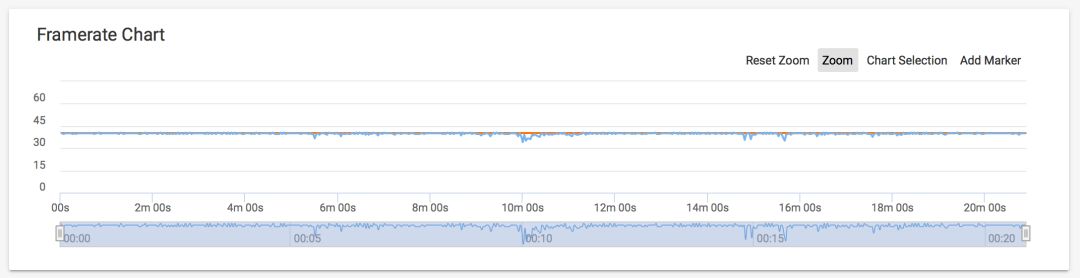
Test Results: iPhone X maintained around 40 frames throughout (fluctuating even above 43 frames), with virtually no frame drops; Xiaomi 8 dropped to around 34 frames at 10m 00s and 15m 40s; Huawei Honor Play dropped to 34 frames at 6m 6s, and experienced significant drops at around 10m 50s, fluctuating around 28 frames, and dropped to around 30 frames multiple times after 15 minutes.
Second test of Phase One
Duration: approx. 13m 44s
Test game: PlayerUnknown’s Battlegrounds: Stimulus Battlefield
Test models: OnePlus 6 (operated as requested by netizens); Huawei Honor Play and Xiaomi 8 (in spectator mode)
OnePlus 6:
Xiaomi 8:
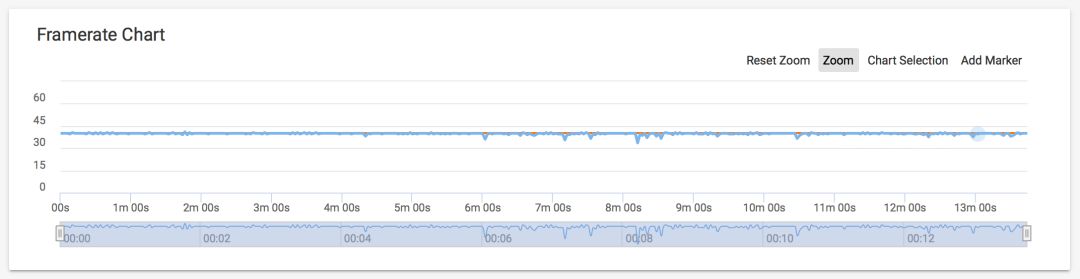
Huawei Honor Play:
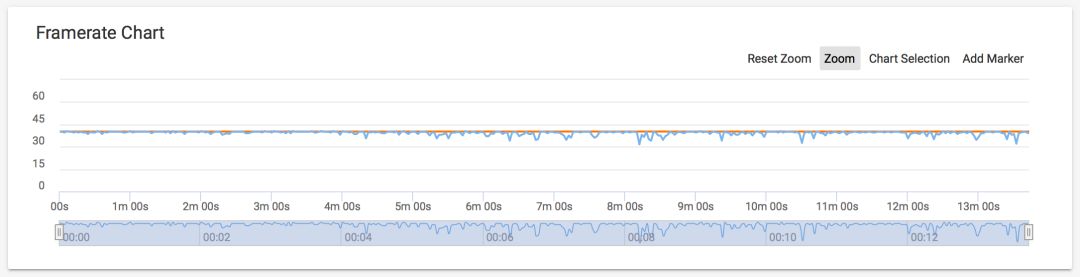
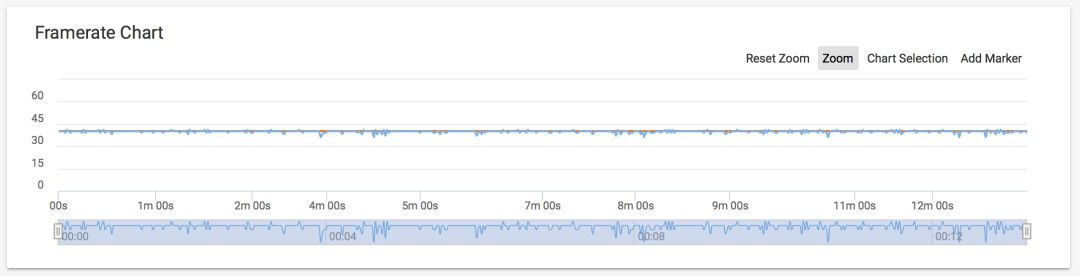
Test Results: OnePlus 6 and Xiaomi 8 remained stable above 35 frames overall; Huawei Honor Play occasionally dropped to around 32 frames at 8m 12s, 9m 22s, 10m 30s, and 13m 32s, but remained stable above 30 frames throughout.
Third test of Phase One
Duration: approx. 15m 29s
Test game: PlayerUnknown’s Battlegrounds: Stimulus Battlefield
Test models: Huawei Honor Play (operated as requested by netizens); Xiaomi 8 and iPhone X (in spectator mode)
iPhone X:
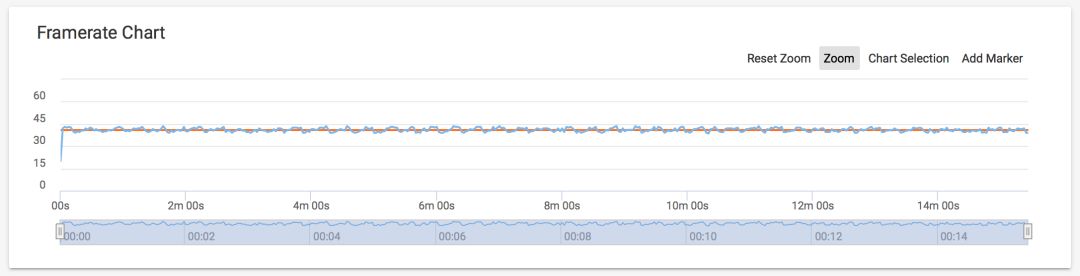
Xiaomi 8:
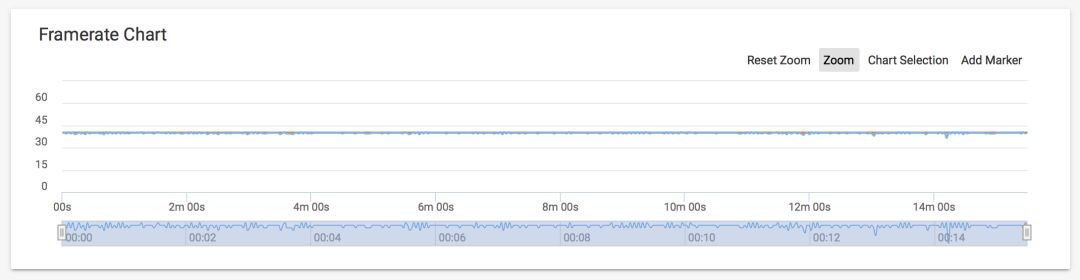
Huawei Honor Play:
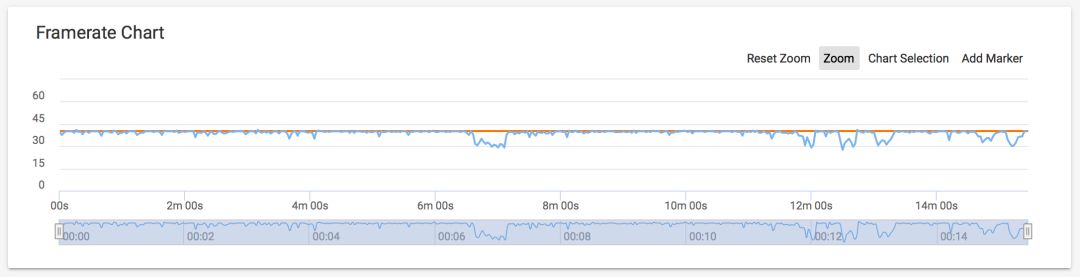
Test Results: iPhone X remained stable around 40 frames; Xiaomi 8 dropped to 37 frames at 14m 12s, but remained stable at 40 frames at other times; Huawei Honor Play dropped to around 32 frames at 6m 38s and maintained that for about 20 seconds, and dropped to around 30 frames three times between 12 and 14 minutes.
Phase One Testing Conclusion: In games like PlayerUnknown’s Battlegrounds: Stimulus Battlefield, which are graphically detailed and put significant pressure on the GPU, Huawei Honor Play performed similarly to Xiaomi 8 in most scenarios, remaining stable at full frame rates. However, in scenes with higher rendering pressure (high-speed driving, high zooming, etc.), there is a noticeable difference in performance between Huawei Honor Play and Xiaomi 8. If playing a normal game, the difference is not significant.
Phase Two Testing:
Comparison Test with Huawei Honor V10 (Results Announced)
Duration: approx. 16m 53s
Test game: PlayerUnknown’s Battlegrounds: Stimulus Battlefield
Test models: Huawei Honor Play, Huawei Honor V10, Xiaomi 8 (all in spectator mode)
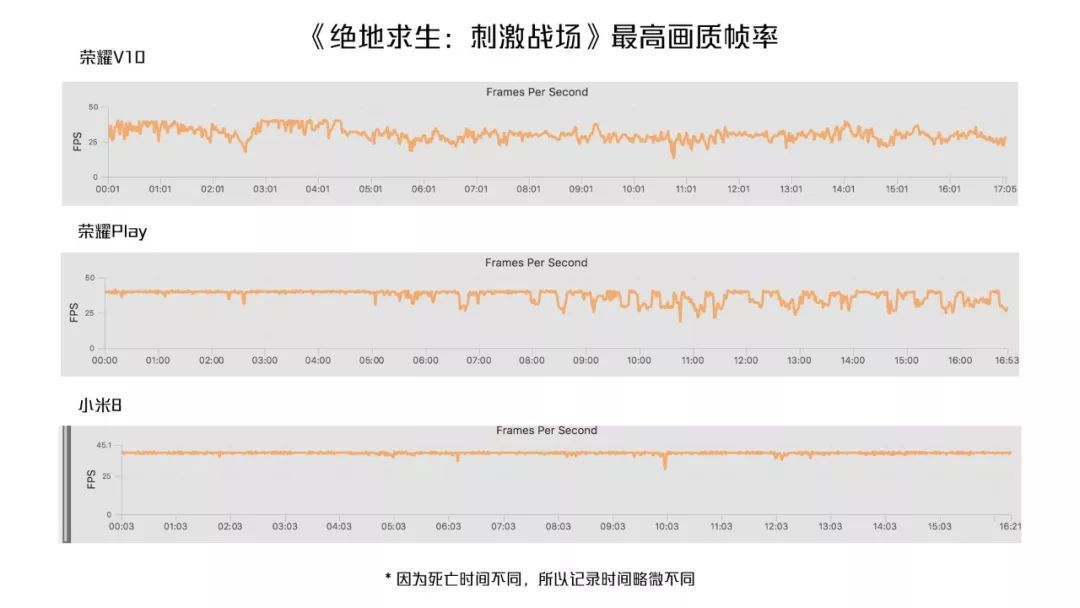
Test Results: The Huawei Honor Play with GPU Turbo showed significantly better frame rate performance than the Honor V10 without GPU Turbo.
Phase Two Testing Conclusion: The comparison test between Huawei Honor Play and Huawei Honor V10 demonstrated that under the same Kirin 970 architecture, the GPU Turbo technology provides a significant improvement in display performance.
Considering the recent phenomenon of exaggeration in manufacturer press conferences, it can be considered a “relatively scary technology”.
Phase Three Testing:
Running Five Matches of Honor of Kings (Results Announced)
Duration: approx. 1 hour
Test models: Huawei Honor Play, Xiaomi 8, iPhone X
Testing Method: ① All tested phones teamed up and started the game, saving the “spectator” file after the game ended. ② Entered spectator mode separately for a unified viewing perspective to begin testing.
Additional Note: The four obvious and consistent troughs in the graph are caused by switching scenes and reloading after the game ends.
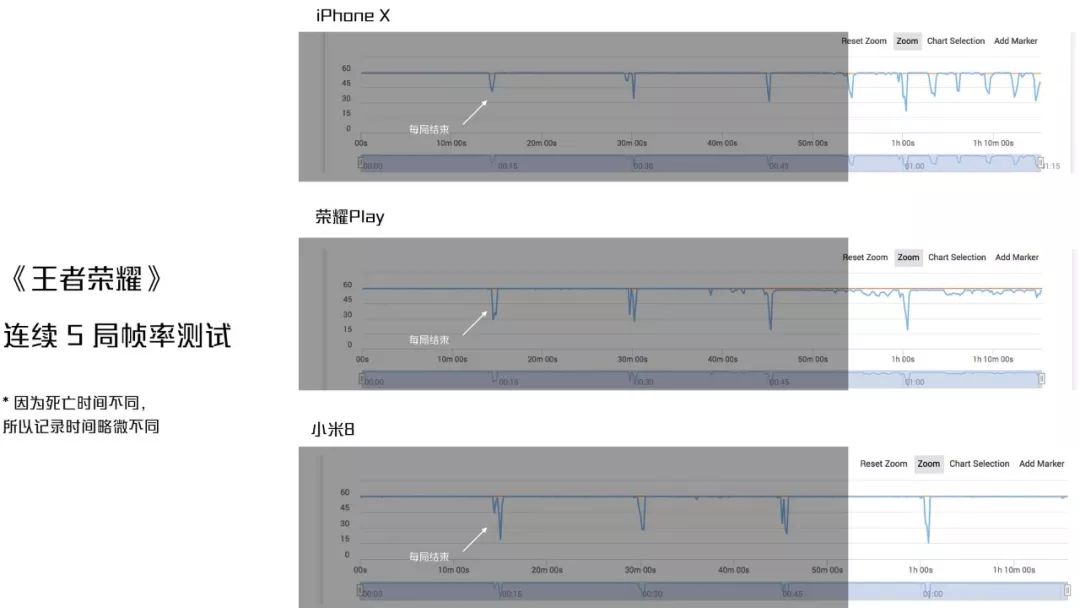
In the first spectator replay, all three tested phones maintained 60 frames throughout;
In the second spectator replay, all three tested phones still maintained 60 frames throughout;
In the third spectator replay, all three tested phones continued to maintain 60 frames throughout;
In the fourth spectator replay, iPhone X, due to high temperature, took throttling measures, and the frame rate began to show obvious fluctuations and drops; the other two phones maintained 60 frames throughout;
In the fifth spectator replay, iPhone X showed very noticeable frame drops and stuttering, while Huawei Honor Play’s frame rate dropped to around 50 frames; Xiaomi 8 still maintained 60 frames throughout.
Phase Three Testing Conclusion:
For games like Honor of Kings, which balance GPU and CPU loads, running the game continuously for long periods tests the throttling strategies of the tested phones under high temperatures.
In the tests, the gaming performance of iPhone X was significantly impacted, with noticeable decreases in frame rates, while the Huawei Honor Play with GPU Turbo and Xiaomi 8 with Qualcomm 845 both maintained very stable frame rates. Thus, it corroborates the claim made during the press conference that “the frame rate of Huawei Honor Play is more stable than iPhone X under heavy gaming conditions.”
Phase Four Testing:
Frame Rate Testing for Crossfire (Results Announced)
Graphics Quality: High
Duration: approx. 15m 29s
Test models: Huawei Honor Play, Huawei Honor V10 (no GPU Turbo), Xiaomi 8
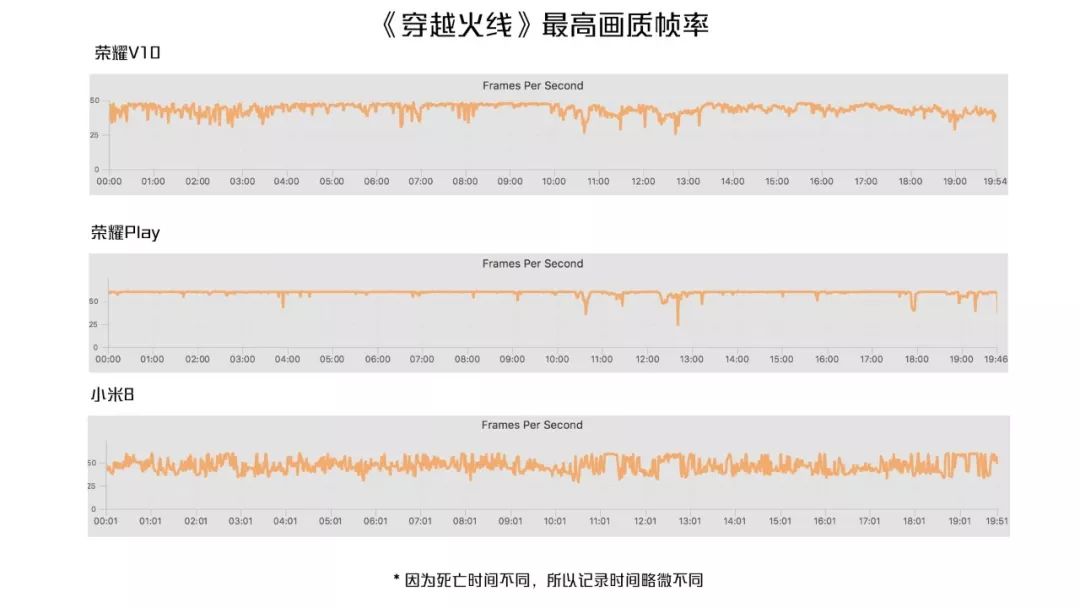
In the Crossfire game test, Xiaomi 8 performed the worst with an average frame rate below 50 frames; while the Huawei Honor V10 with Kirin 970 performed well, there were some fluctuations in frame rates; the Huawei Honor Play, also equipped with Kirin 970, had the smoothest frame rate, which clearly indicates the important role of GPU Turbo in frame rates.
Phase Four Testing Conclusion:
In games like Crossfire, which put significant pressure on the CPU but less on the GPU, the Huawei Honor Play with GPU Turbo shows a very noticeable improvement in frame rates compared to the Huawei Honor V10 without GPU Turbo.
The claim made during the press conference that “the average frame rate of chicken dinner games is five to six frames higher than that of 845 phones” was successfully validated. However, it is important to note that the “chicken dinner game” mentioned during the press conference refers to the Crossfire chicken dinner mode, not PlayerUnknown’s Battlegrounds: Stimulus Battlefield, which could be misleading.
Phase Five Testing:
Huawei Honor Play Graphics Quality Testing (Results Announced)
Game graphics settings:
Graphics Quality (HDR High) | Frame Rate (Ultra High) | Graphics Style (Classic)
Anti-aliasing (On) | Smooth Adaptive (Off)
Test models: Huawei Honor Play, Huawei Honor V10 (no GPU Turbo), Xiaomi 8
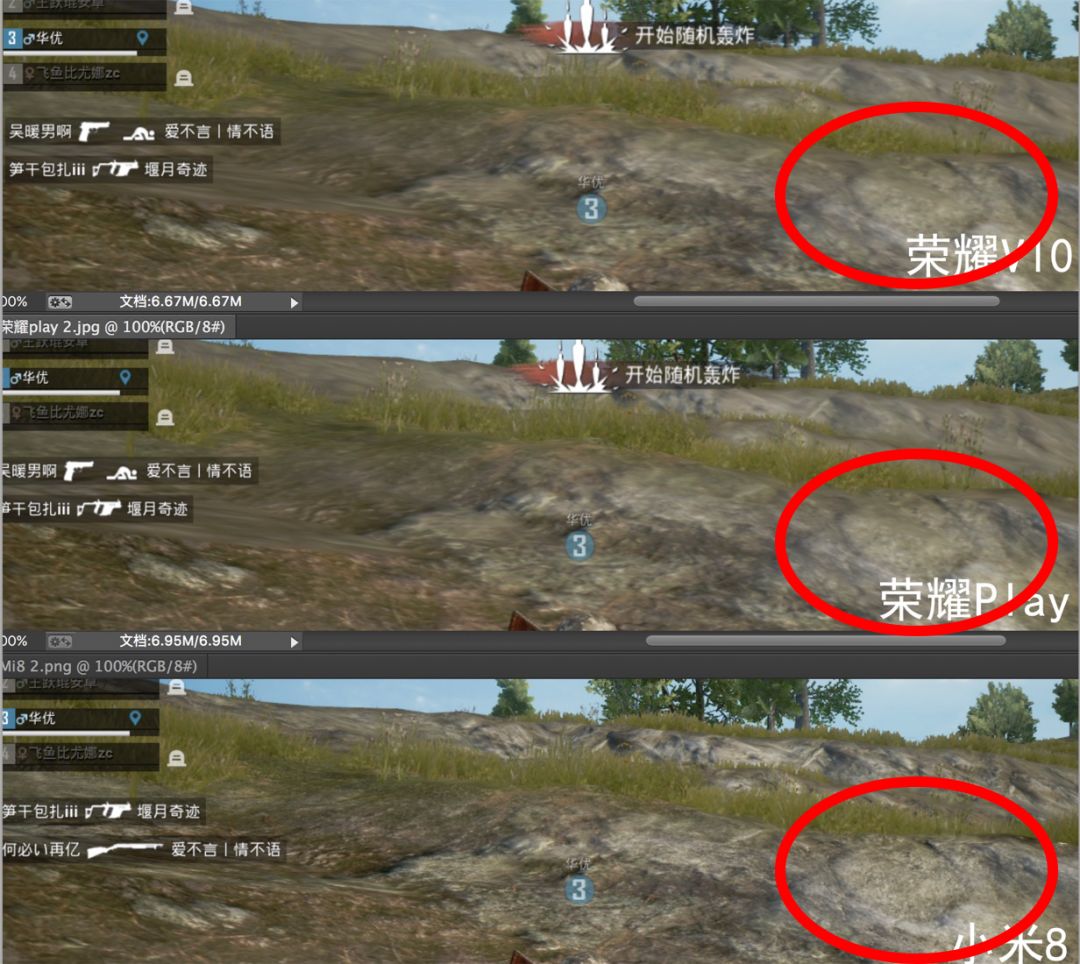
In the graphics comparison of PlayerUnknown’s Battlegrounds: Stimulus Battlefield, both Huawei Honor Play and Huawei Honor V10 equipped with Kirin 970 had graphics quality slightly inferior to that of Xiaomi 8.
On the other hand, the graphics quality of Huawei Honor Play was identical to that of Huawei Honor V10, indicating that GPU Turbo technology does not achieve performance through “deterioration” of graphics quality.
Phase Five Testing Conclusion:
GPU Turbo technology does not achieve performance through “deterioration” of graphics quality.
As for why the graphics of Huawei Honor Play and Honor V10 equipped with Kirin 970 are slightly inferior to that of Xiaomi 8, it is due to the inability of the Mali-GPU to call the “anisotropic filtering” extension function in Open GL, resulting in some textures (especially distant ones) not being displayed clearly.
Final Testing Conclusions About GPU Turbo:
-
Huawei’s GPU Turbo technology is clearly effective and has a very significant impact on the frame rate performance of games running on Huawei Honor Play.
-
Huawei’s GPU Turbo technology does not work by “deteriorating graphics quality”.
-
When running PlayerUnknown’s Battlegrounds: Stimulus Battlefield, the Huawei Honor Play using Kirin 970 performs very similarly to the Xiaomi 8 in scenes with many close-ups; however, in more open scenes with higher GPU rendering pressure, it still has a gap compared to Xiaomi 8. When running games like Crossfire and QQ Speed, it performs slightly better than Xiaomi 8 and iPhone X.
-
The Keynote during Huawei’s press conference claimed that GPU Turbo enhances performance, stating “Goodbye stuttering, smooth chicken dinner”, claiming that Huawei Honor Play’s frame rate performance is better than that of Xiaomi 8; however, the images used in the promotional material were from Crossfire chicken dinner mode. This promotional material aligns with our testing results for Crossfire, but this chicken dinner is not the same as the other.
-
Through our verification, although Huawei’s presentation at the press conference contained some misleading elements, they did not tell any outright lies.
Addressing Some
Less Important Questions
● How many games did we test before the live stream?
Before the live stream, we conducted a total of 98 valid tests using GameBench. These tests included 1 person operating with 3 people spectating; 4 people operating; each model being operated individually (with other models spectating); as well as attempts with teammates spectating, friends spectating, etc.
● Is it reliable to use spectator mode for testing? Yes. Because in spectator mode, all tested phones need to render almost identical images in real-time.
Since June 6, the day Huawei Honor Play was officially released, we have been using “spectator mode” for testing, continuously verifying issues of concern to netizens.
Does spectator mode lead to core locking? No. Observations from GameBench indicate that Huawei Honor Play maintains all cores operational in spectator mode.
Does spectator mode lead to frame locking? Similarly, it does not. In our tests, the maximum frame rates during spectator and hands-on modes were both 40 frames.
Additionally, to our current knowledge, some mobile device manufacturers’ testing methods are consistent with ours.
● Why were some models’ Y-axis different during the live testing?
During live testing, some Y-axes ranged from 0 to 46.2 (frames), while others ranged from 0 to 50 (frames).
Honestly, we are not clear on the reason for this; the Y-axis during testing was automatically determined by GameBench. Theoretically, this does not affect any values or conclusions, but we would like to add:
Actually, the Y-axis of the “test results” is consistent across the board. So you can scroll back up to view our testing results graph.
If interested,
Please watch the full replay video.
Scroll to the bottom and click “Read the original text” to watch the full unedited replay video on bilibili.
Below are the timestamps provided by the command center. You can drag the video progress bar to jump directly to the parts you are most interested in.
● 7m 11s
Announce the testing environment and details of this live stream.
● 21m 32s
Introduction of testing rules.
● 23m 01s
Phase one testing officially begins.
● 1h 50m 30s
Announce the frame rate comparison test results of Huawei Honor Play and Huawei Honor V10.
● 1h 53m 50s
Announce the results of the continuous five-game frame rate test for Honor of Kings.
● 1h 58m 38s
Announce the frame rate test results for Crossfire.
● 2h 02m 45s
Review Huawei Honor Play’s promotional claims during the press conference.
● 2h 15m 35s
Measure the body temperature of Huawei Honor Play, Xiaomi 8, and iPhone X after gaming.
● 2h 24m 55s
Announce the test results and reasons regarding whether GPU Turbo deteriorates graphics quality.
Closing Remarks / @彭林FView
We all hope that the ideal product does not focus solely on parameters, but rather centers on actual user experience, rather than simply stacking hardware and building like Lego blocks. However, as simple as it sounds, it is not easy to achieve. This requires manufacturers to have a very strong combination of software and hardware, and globally only Apple, Samsung, and Huawei can achieve this. The technological advancements are substantial, and the future possibilities are vast.
GPU Turbo is a culmination of four years of technological accumulation by Huawei, enhancing the overall user experience through a combination of software and hardware. The specific technical principles behind this technology are not elaborated here due to patent protection considerations. However, regardless, the focus of GPU Turbo is crucial for domestic manufacturers to master core technological capabilities.
While we optimistically see this as “a very scary technology”, we must remain rational and calm. Huawei has fully utilized the capabilities of Mali-G72, but there is still a certain gap compared to Adreno’s strength. The excitement of some domestic media and Huawei fans is understandable, but it should not create the impression that GPU Turbo can easily surpass Qualcomm 845. If users buy Huawei phones with such expectations and find that the performance in extreme conditions does not match Qualcomm 845, it will lead to completely opposite complaints. This is not just a failure to protect domestic innovation, but also a danger to the nurturing of emerging seedlings.
GPU Turbo’s improvements are significant, altering our previous impression of Mali-G72’s weakness. However, in games like PlayerUnknown’s Battlegrounds: Stimulus Battlefield, which put significant pressure on the GPU, there is still room for further improvement. This is the correct understanding of GPU Turbo technology.
I hope that the improvement of domestic phones relies on their own strength, rather than being opportunistic, and I hope we treat domestic progress rationally rather than with endless praise that leads to pitfalls. Knowing our own strengths and weaknesses, I am confident that the future Kirin 980, under the support of GPU Turbo technology, will stand out in the market.

▼ Click to read the original text to watch the unedited full replay video