The Revolution of Unmanned Delivery: Is Liu Qiangdong’s “Robot Utopia” a Blessing or a Curse?
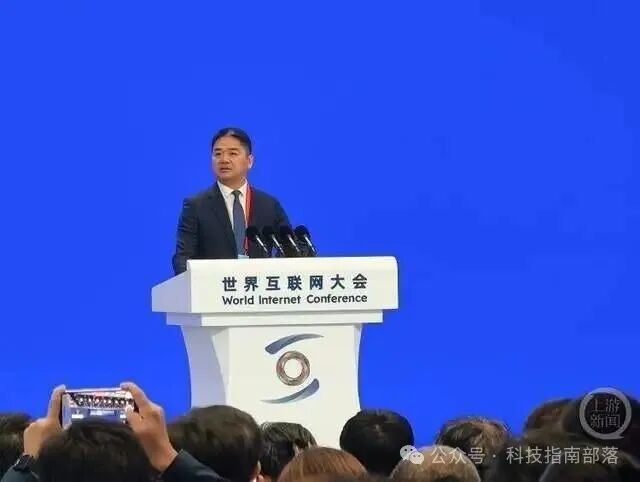
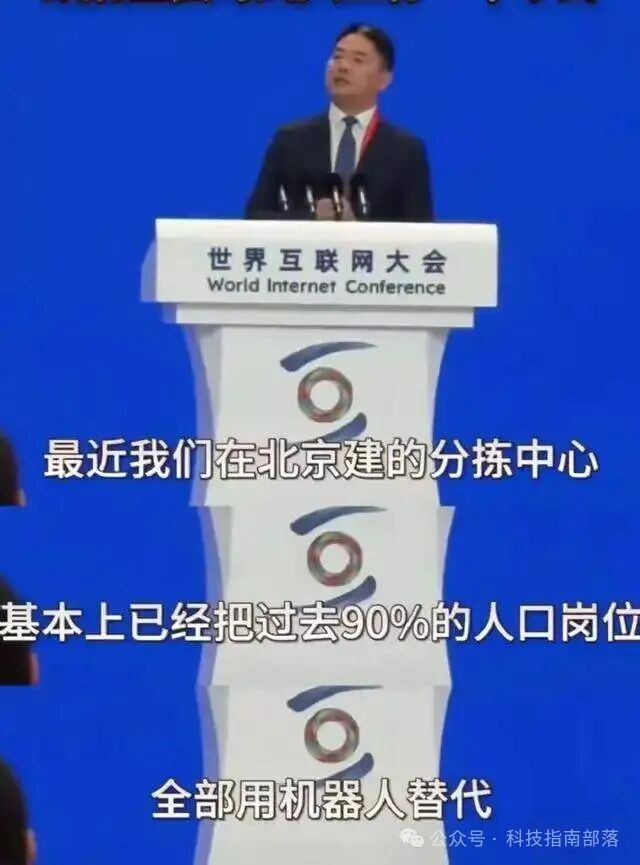
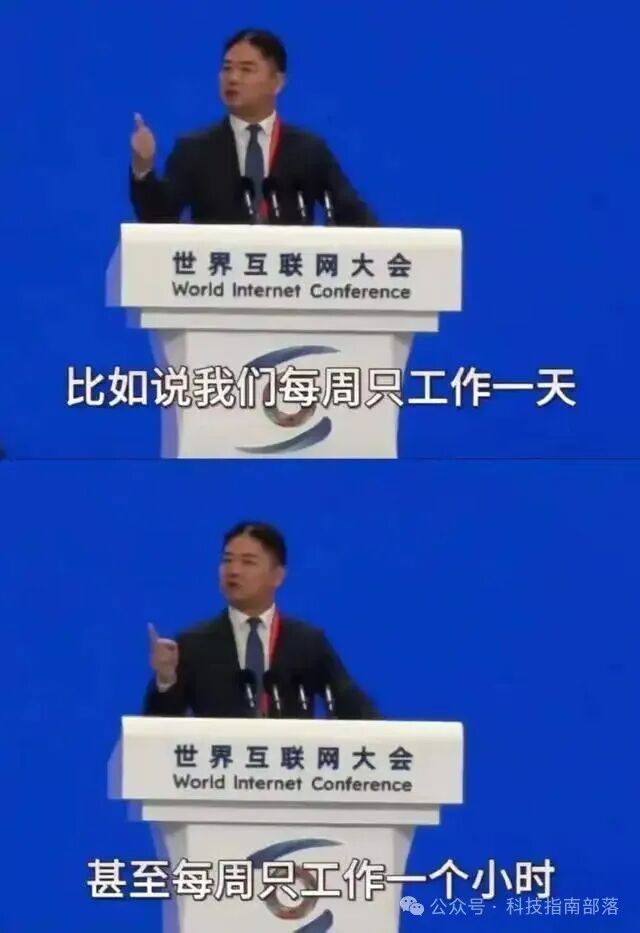
On November 7, at the World Internet Conference in Wuzhen, Liu Qiangdong, Chairman of JD Group, made a prediction that sent ripples through public discourse: JD Logistics will establish the world’s first fully unmanned delivery station by April next year, completely disrupting traditional logistics models through fully automated operations involving drones, unmanned vehicles, and robotic arms. He boldly stated that in the next five years, JD will purchase over 4 million smart devices, reducing logistics costs from 14.1% to 6%, and proposed a future scenario where “employees may only need to work one hour a week.” This statement has sparked a wave of discussions about “technological unemployment”—will couriers really lose their jobs? Is it safe for robots to deliver goods to our doors? Is this unmanned delivery revolution a boon for efficiency or a challenge for employment?
Technical Closed Loop: How Drones, Unmanned Vehicles, and Robotic Arms Restructure Logistics?
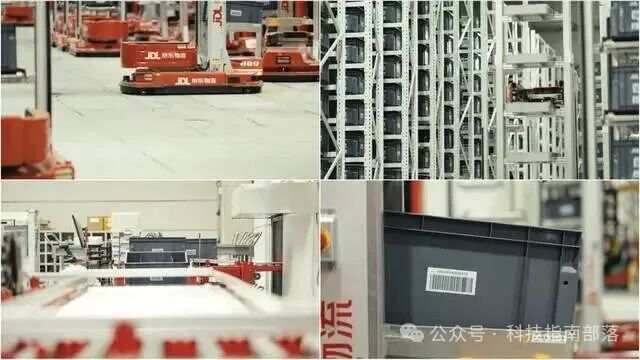
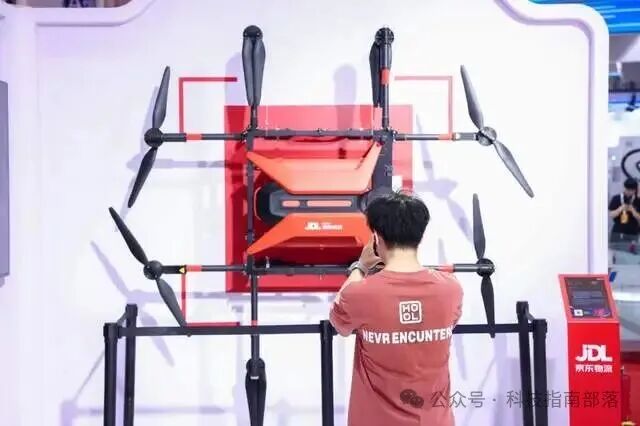
The fully unmanned delivery station planned by JD is essentially an intelligent closed loop composed of three core components: drones responsible for trunk or branch transportation, especially suitable for remote areas with inconvenient traffic, delivering goods from distribution centers to urban delivery stations; unmanned vehicles that undertake the “last mile” task, with JD’s L4 level unmanned delivery vehicles already tested in multiple locations, capable of autonomously planning routes, avoiding obstacles, recognizing traffic signals, and even accessing designated floors via elevators; robotic arms that complete the entire sorting and loading process within the delivery station, replacing traditional manual repetitive labor. The three components collaborate through an intelligent system: once the goods arrive at the delivery station, the robotic arm quickly sorts and loads them onto the unmanned vehicle, and after the unmanned vehicle departs, the system monitors its location and status in real-time, ultimately completing “door-to-door” delivery through smart lock authorization.
This model is not unique to JD. Amazon’s Prime Air drones, Google’s Wing drone delivery, and Tesla’s Optimus robots are all exploring automated logistics, but JD’s uniqueness lies in its “full-process closed loop”—seamlessly integrating trunk, branch, and last-mile delivery to form a replicable scalable network.

Employment Shockwave: Is it a “Wave of Unemployment” or a “Transformation Opportunity”?
Liu Qiangdong’s prediction of “working one hour a week” directly strikes at the public’s anxiety over “technological unemployment.” A report from the McKinsey Global Institute predicts that by 2030, up to 800 million jobs worldwide may be replaced by automation, with low-skilled jobs at the highest risk. Specifically in the logistics industry, repetitive physical labor such as sorting, handling, and trunk transportation is most at risk, while roles involving complex interpersonal interactions (such as home services and special item deliveries) will still require human involvement in the short term.
JD has already seen transformation cases internally: a courier who worked for 12 years obtained an electrician’s certificate and equipment operation certificate through internal training, transitioning to a role as an equipment maintenance engineer, responsible for the operation and maintenance of unmanned vehicles and delivery stations, with both income and job stability improved. Liu Qiangdong emphasized that technology will create new jobs—robot coaches, equipment maintenance, drone pilots, etc.—but the key lies in whether companies can provide retraining and whether society can build a lifelong learning system.
Human resources experts point out that this is not a simple “replacement” but rather “transformation pain.” Just as the coachman was replaced by the automobile driver during the industrial revolution, it gave rise to a much larger transportation industry. Under the wave of automation, workers need to shift from “execution-type” to “management-type” skills.
Safety and Trust Issues: Would You Open the Door for Robot Deliveries?
“Unmanned delivery to the home” is the most controversial aspect. JD’s designed smart lock authorization scheme attempts to solve this problem: after the unmanned vehicle arrives, the system sends a facial recognition or dynamic password verification request through the user app, and upon successful verification, sends a one-time unlocking command, allowing the robotic arm to retrieve the goods and place them in the designated location, all encrypted and authorized for a limited time.
In comparison to traditional models: traditional delivery faces challenges in verifying identity authenticity and risks of violent sorting; smart delivery lockers are secure but cannot achieve “door-to-door” delivery; unmanned delivery reduces human risks through technology but introduces cybersecurity challenges. Tests show that any connected device is susceptible to attacks, and JD must excel in data encryption and identity authentication. To this end, JD Logistics has a corresponding insurance compensation mechanism; if user losses occur due to system vulnerabilities, the insurance will cover them. Initial feedback from pilot users indicates that while most people find “robot delivery” novel, they remain cautious about the security of home entry authorization.
Expert Perspective: Societal Responses to Technological Change
A professor from Tsinghua University’s School of Economics and Management pointed out that technological unemployment is a painful transition period. The wealth generated by productivity improvements could theoretically benefit everyone through better distribution mechanisms (such as shorter working hours and improved welfare), but in the short term, structural unemployment and skill mismatches will be very prominent.
Internationally, countries like Finland have initiated pilot programs for “Universal Basic Income (UBI)” to explore providing unconditional cash support to all citizens to address employment uncertainties. For ordinary workers, experts offer five practical suggestions: cultivate “T-shaped” skills (deep expertise + interdisciplinary expansion), enhance digital literacy, strengthen interpersonal communication and creativity, maintain lifelong learning, and pay attention to industry trends for early transformation.
The Future Depends on How We Guide Technology
Liu Qiangdong’s prediction of “unmanned delivery” is an inevitable trend of technological advancement and a pressure test for social structure. It may bring benefits of efficiency and cost reduction, but it may also trigger employment pain and social anxiety. However, the future is not solely determined by technology—JD’s transformation cases prove that technology can collaborate with humans; international response solutions show that social policies can buffer impacts. Rather than worrying about “robots taking jobs,” we should actively embrace change and become drivers of technology rather than being replaced. After all, the true “utopia” has never been a one-sided victory of technology, but a symbiosis and mutual prosperity of humans and technology.