Click the blue text to follow us

Turbines, as widely used rotating machinery, play a critical role in various fields such as power generation, aerospace, and shipping. The stability and reliability of their operation directly relate to the safety and efficiency of the entire production system. The introduction of vibration sensors provides strong technical support for the condition monitoring and fault diagnosis of turbines.

The Importance of Vibration Monitoring in Turbines
During operation, turbines are affected by various factors such as imbalance, misalignment, bearing wear, and blade damage, which can cause varying degrees of vibration. If these vibrations are not monitored and addressed in a timely manner, they may lead to equipment damage or even serious safety incidents. For example, fatigue failure of the blades due to vibration can cause rotor imbalance, leading to severe vibrations throughout the unit, ultimately resulting in equipment destruction and downtime. Therefore, real-time monitoring of turbine vibrations is a key aspect of ensuring safe operation.
Principle of Vibration Sensors
A vibration sensor is a device that converts mechanical vibrations into electrical signals, primarily used to monitor the vibration of bearing housings, casings, or mechanical structures. For rotors supported by rolling bearings, the vibrations are transmitted to the bearing housing, and sensors installed on the base or near the casing can measure the vibrations of rotating or reciprocating machinery (i.e., absolute vibrations relative to free space) and transmit the signals to detection instruments for predicting and warning of mechanical faults.
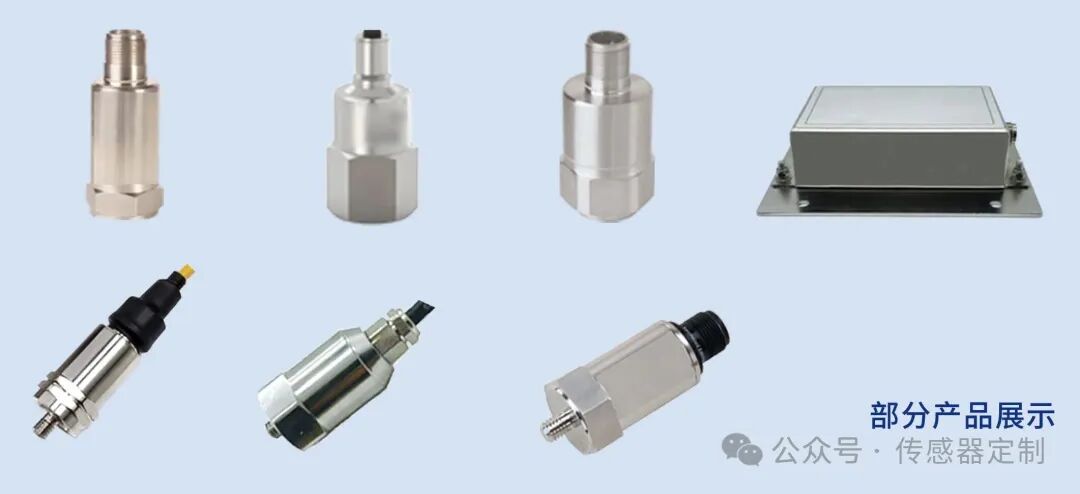
Source vibration sensors
Installation Locations of Vibration Sensors in Turbines
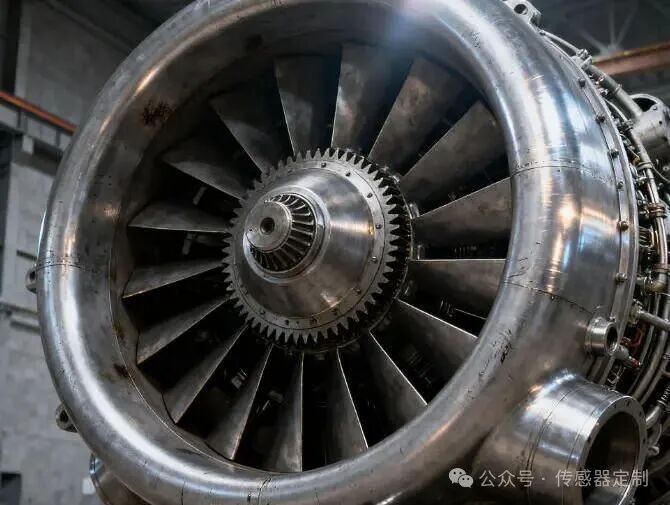
To comprehensively monitor the vibration of turbines, vibration sensors need to be installed at critical locations. Generally, the installation locations include the rotor’s bearing housing, casing, and blades. Installing sensors at the bearing housing can effectively monitor the radial and axial vibrations of the rotor, allowing for timely detection of bearing wear and misalignment issues; installing sensors on the casing can monitor the vibration of the casing, providing insight into the overall operational status of the equipment; for some large turbines, miniature sensors can also be installed on the blades to directly monitor their vibration, enabling timely detection of blade damage and looseness. By installing vibration sensors at these critical locations, comprehensive monitoring of turbine vibrations can be achieved.
The Role of Vibration Sensors in Turbine Maintenance
The introduction of vibration sensors has brought many conveniences to turbine maintenance. By real-time monitoring and analyzing vibration data, maintenance personnel can promptly understand the operational status of the equipment, identify potential fault risks in advance, and develop reasonable maintenance plans to avoid sudden equipment failures and downtime. For example, when a vibration sensor detects abnormal vibration signals from a bearing, maintenance personnel can arrange for the repair or replacement of the bearing in advance, reducing maintenance costs and downtime. Additionally, vibration sensors can also be used for performance evaluation and optimization of the equipment. Through long-term monitoring and analysis of vibration data, insights into the equipment’s performance under different operating conditions can be gained, providing a basis for optimizing design and adjusting operational parameters.

Vibration sensors in turbines not only effectively monitor the vibration conditions of the turbines and timely detect potential equipment faults but also provide strong support for equipment maintenance and optimization. With the continuous development of sensor technology and the improvement of data analysis methods, the application of vibration sensors in turbines will become more widespread and in-depth, playing a greater role in ensuring the safe, stable, and efficient operation of turbines.

Some images are sourced from the internet; please contact us for removal if there is any infringement!
—END—
Previous · Recommendations
Exhibition Invitation | Source Magnetic Electric invites you to the 10th Shanghai International Sensor Technology and Application Exhibition
The Application of Eddy Current Sensors in High-Speed Detection of Suspended Rotors
The Application of IADS Tilt Sensors in Material Handling
The Application of Eddy Current Sensors in Precise Positioning of Metal Parts
The Application of Vibration Sensors in Renewable Green Energy