Introduction: Do you remember “Baymax”? With the popularity of movies like “Big Hero 6” and “Avengers: Age of Ultron” featuring artificial intelligence robots, you might have a certain understanding of robots and artificial intelligence. But when exactly were intelligent robots invented? What important periods have they gone through since their invention? Let’s take a look at the half-century history of artificial intelligence development.
1. Overview: What is an Artificial Intelligence Robot
Do you remember “Baymax”? With the popularity of movies like “Big Hero 6” and “Avengers: Age of Ultron” featuring artificial intelligence robots, you might have a certain understanding of robots and artificial intelligence. But when exactly were intelligent robots invented? What important periods have they gone through since their invention? Let’s take a look at the half-century history of artificial intelligence development.
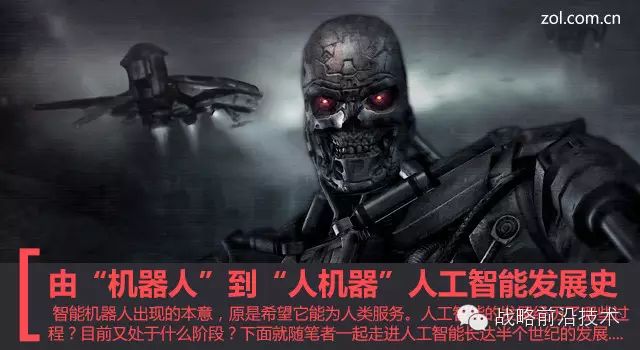
■ What is Artificial Intelligence?
Artificial Intelligence (AI) is essentially a simulation of human consciousness and cognitive processes, while artificial intelligence robots are robots that possess self-awareness similar to humans. It is a field of technical science that studies and develops theoretical and applied systems used to simulate, extend, and enhance human intelligence. Research in this field includes robotics, speech recognition, image recognition, natural language processing, and expert systems.
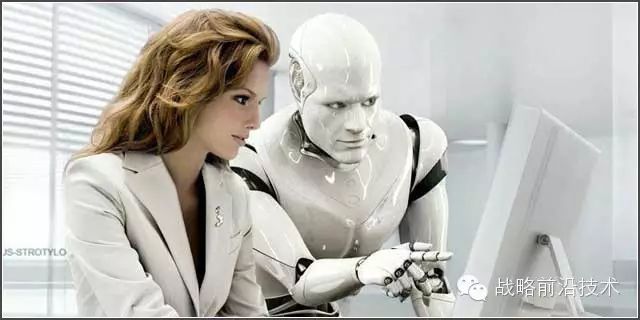
Artificial intelligence robots are robots that possess self-awareness similar to humans.
Artificial intelligence is an important branch of computer science and a highly challenging scientific field composed of various domains, such as machine learning and computer vision. Today, we will focus on one important branch of it: artificial intelligence robots.
2. Mid-1950s: The Birth of Artificial Intelligence
■ The discipline of artificial intelligence was born in the mid-1950s
◆ In 1942, American science fiction master Isaac Asimov proposed the “Three Laws of Robotics”
When talking about artificial intelligence robots, one cannot ignore Asimov, who proposed the “Three Laws of Robotics,” which later became the default development principles in academia. Law 1: A robot must obey the orders given it by human beings, except where such orders would conflict with the First Law. Law 2: A robot must not harm a human being or, through inaction, allow a human being to come to harm. Law 3: A robot must protect its own existence as long as such protection does not conflict with the First or Second Law.
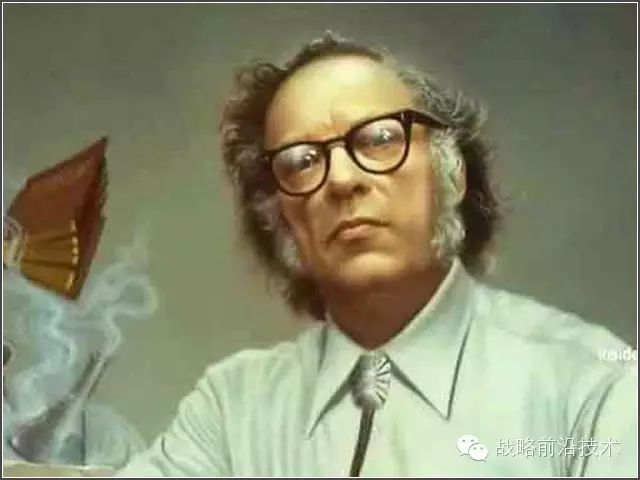
In 1942, American science fiction master Isaac Asimov proposed the “Three Laws of Robotics,” which later became the default development principles in academia.
◆ In 1956, the Dartmouth Conference: The Birth of AI
In the summer of 1956, a two-month academic discussion was held at Dartmouth College, involving researchers such as John McCarthy, Marvin Minsky, Claude Shannon, Allen Newell, Herbert Simon, and others, who explored the characteristics of human learning and other functions from various disciplinary perspectives, and discussed how to accurately describe these functions and simulate human intelligence with machines. The term “artificial intelligence” was first proposed at this conference, marking the establishment of AI’s name and mission, and leading to the initial achievements and the first batch of researchers. Thus, this event is widely recognized as the birth of AI.
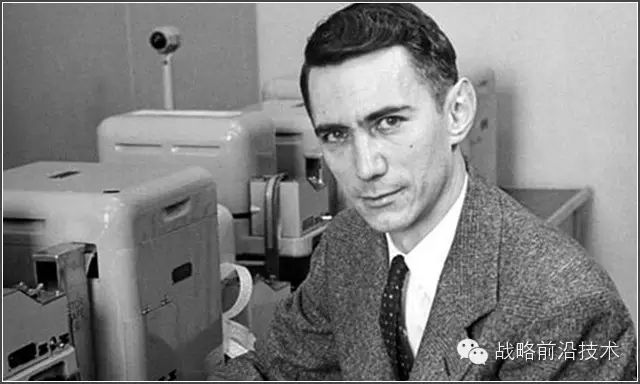
At the Dartmouth Conference, the name and mission of AI were established, marking the birth of AI.
In 1956, at the Dartmouth Conference, Marvin Minsky proposed his views on intelligent machines: an intelligent machine “can create an abstract model of its surrounding environment and, when faced with a problem, can seek solutions from that abstract model.” This definition influenced the direction of intelligent robot research for the next 30 years.
◆ In the early 1950s, people began to notice the connection between human intelligence and machines
The discipline of artificial intelligence was born in the mid-1950s, when the emergence and development of computers began serious research into artificial intelligence.
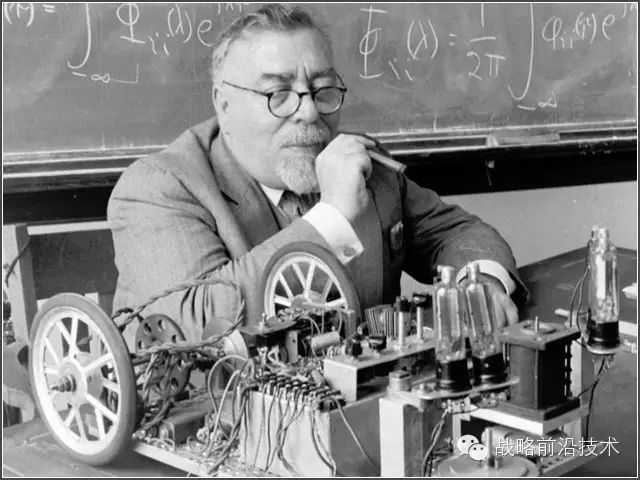
In the early 1950s, people began to notice the connection between human intelligence and machines. Norbert Wiener was one of the first Americans to study feedback theory.
Although computers provided the necessary technical foundation for AI, it was not until the early 1950s that people began to notice the connection between human intelligence and machines. Norbert Wiener was one of the first Americans to study feedback theory, and the most familiar example of feedback control is the automatic thermostat, which compares the collected room temperature with the desired temperature and responds by turning the heater up or down to control the environmental temperature. This discovery had a significant impact on the early development of AI.
3. First Generation Robots: Teaching-Reproduction Robots
■ First Generation Robots: Teaching-Reproduction Robots
These robots are controlled by a computer, which manages a multi-degree-of-freedom mechanism, storing programs and information through teaching, and then reading the information during operation to issue commands. In this way, the robot can repeatedly reproduce the actions based on the results taught by the human. The characteristic of these robots is that they do not perceive the external environment.
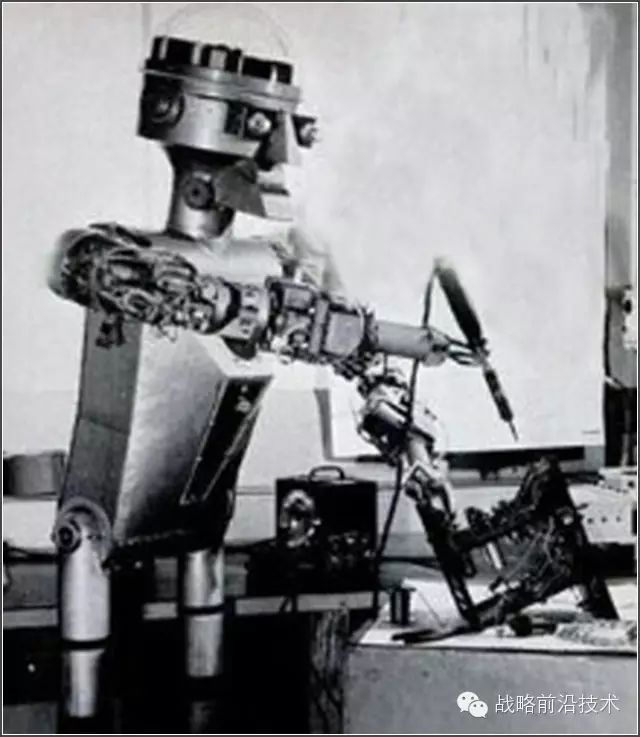
In 1959, Devol and American inventor Joseph Engelberger teamed up to create the first industrial robot.
In 1959, Devol and American inventor Joseph Engelberger collaborated to manufacture the first industrial robot. Subsequently, they established the world’s first robot manufacturing company, Unimation. Due to Engelberger’s research and promotion of industrial robots, he is also known as the “Father of Industrial Robots.”
◆ In 1962, a global wave of robot research was ignited
In 1962, American company AMF produced the “VERSTRAN” (meaning universal handler), which, along with Unimation’s Unimate, became the first commercially viable industrial robots and were exported worldwide, igniting a global wave of robot research.
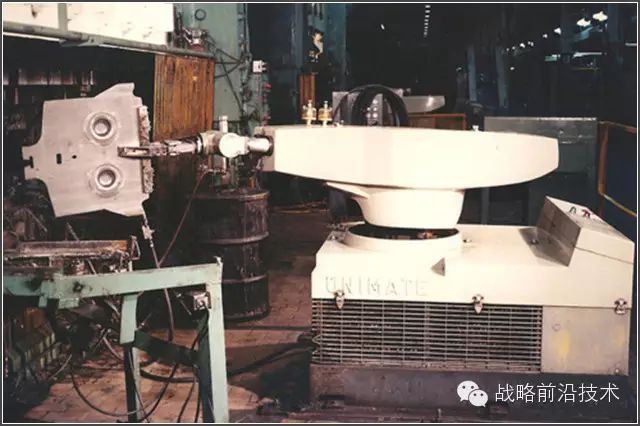
In 1962, American company AMF produced the “VERSTRAN” (universal handler).
◆ In 1965, research on second-generation robots with sensors began, moving towards artificial intelligence
In 1965, the Applied Physics Laboratory at Johns Hopkins University developed the Beast robot. Beast was able to correct its position based on the environment using sonar systems and photoelectric tubes.
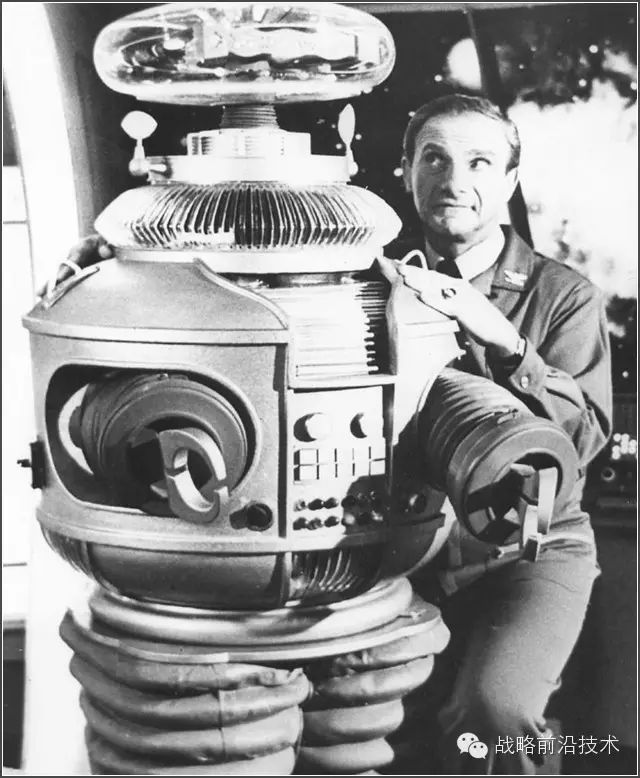
In 1965, the Applied Physics Laboratory at Johns Hopkins University developed the Beast robot.
In the mid-1960s, research on second-generation robots with sensors and “sensing” capabilities began in the United States, moving towards artificial intelligence.
4. Second Generation Intelligent Robots: Sensing Robots
■ Second Generation Robots: Sensing Robots
These sensing robots possess capabilities similar to human senses in certain functions, such as tactile, auditory, and force perception to assess the magnitude of force and the conditions of sliding.
◆ In 1968, the world’s first intelligent robot was born
In 1968, the Stanford Research Institute announced the successful development of the Shakey robot. It was equipped with visual sensors and could discover and grasp blocks based on human commands, although the computer controlling it was the size of a room, making it the world’s first intelligent robot.
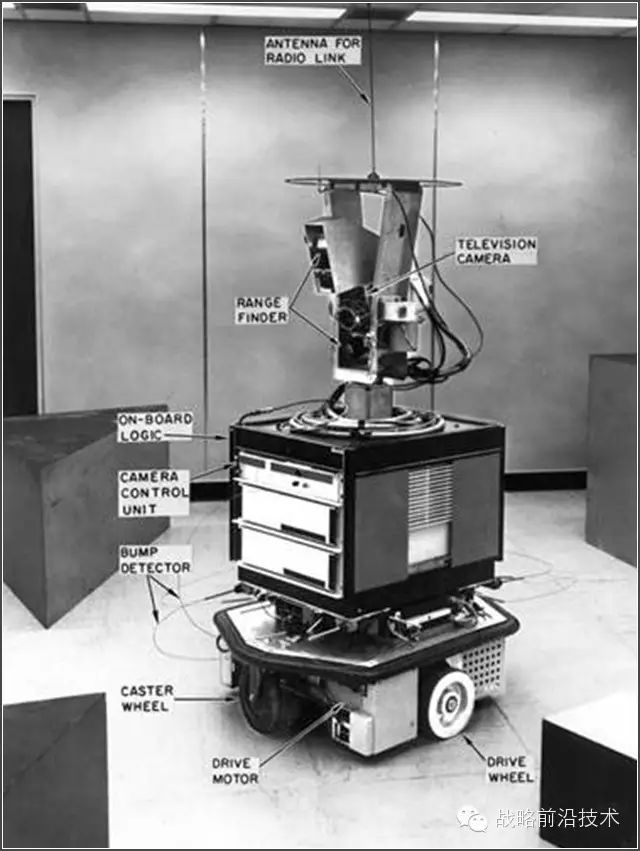
In 1968, the world’s first intelligent robot was born, equipped with visual sensors and capable of discovering and grasping blocks based on human commands.
In 1978, American company Unimation launched the general-purpose industrial robot PUMA, marking the complete maturity of industrial robot technology. PUMA is still operational in factories today.
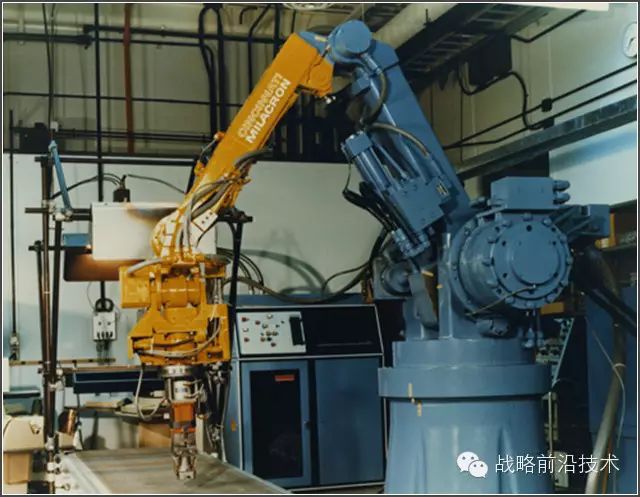
In 1978, American company Unimation launched the general-purpose industrial robot PUMA, marking the complete maturity of industrial robot technology.
In 1999, Japanese company Sony launched the dog-like robot AIBO.
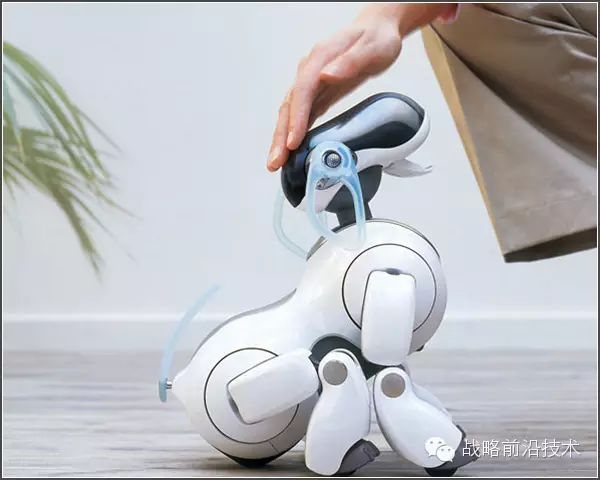
In 1999, Japanese company Sony launched the dog-like robot AIBO, which sold out immediately, marking one of the pathways for entertainment robots to enter ordinary households.
5. Non-Evolutionary New Capabilities: Second Generation Artificial Intelligence Robots
◆ In 2002, American company iRobot launched the vacuum cleaner robot Roomba
In 2002, American company iRobot launched the vacuum cleaner robot Roomba, which can avoid obstacles, autonomously design travel routes, and return to the charging dock when the battery is low. Roomba is currently the best-selling home robot in the world.
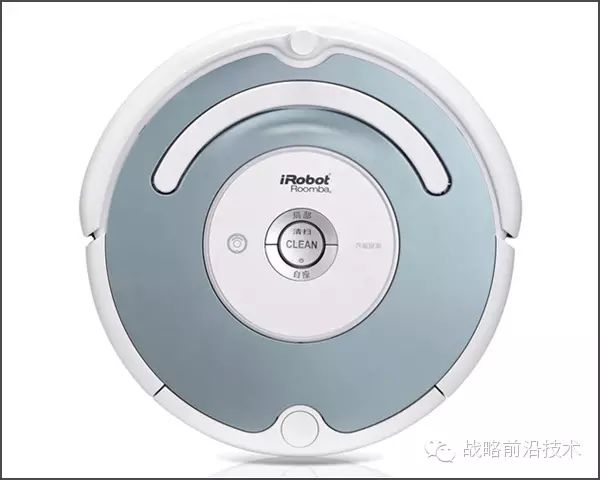
In 2002, American company iRobot launched the vacuum cleaner robot Roomba.
In June 2006, Microsoft launched Microsoft Robotics Studio, marking a trend towards modularity and platform unification in robotics. Bill Gates predicted that household robots would soon sweep the globe.
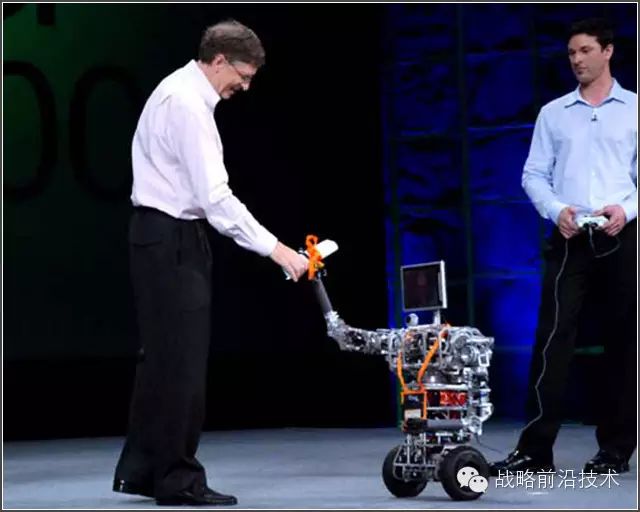
In June 2006, Microsoft launched Microsoft Robotics Studio.
◆ In 2012, the robotic astronaut
The final space mission of the Space Shuttle Discovery was to send the first humanoid robot to the International Space Station. This robotic astronaut was named “R2” and has a range of activities similar to humans, capable of performing tasks too dangerous for human astronauts. NASA stated, “As we move beyond low Earth orbit, these robots are crucial to NASA’s future.”
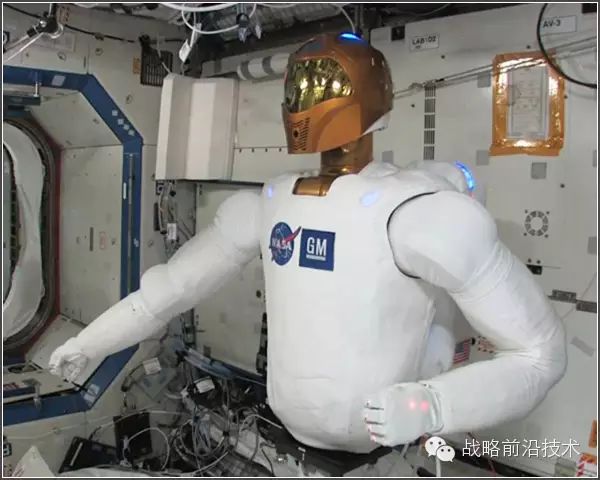
The robotic astronaut was named “R2,” with an activity range similar to humans.
In 2014, at the 116th Canton Fair exhibition center in China, the robot “Wang Bao” (BENEBOT) was able to warmly greet visitors, and this shopping guide robot from ECOVACS could engage in video or audio conversations with humans to quickly inform consumers about product information.
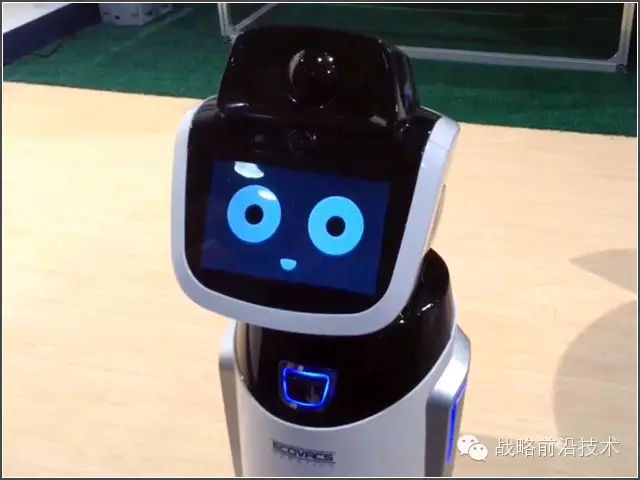
The robot “Wang Bao” can engage in video or audio conversations with humans to quickly inform consumers about product information.
Artificial intelligence is a simulation of human “intelligence” with the goal of performing tasks that humans can accomplish. Therefore, it is limited by our understanding of intelligence. Even with the training of neural network models and genetic algorithms, the program itself will not evolve new capabilities; it can only accept training and cannot create new things. It can be said that current artificial intelligence is merely a tool.
6. Third Generation Robots: The Highest Stage of Intelligent Robots
■ Third Generation Robots: Intelligent Robots
In the ideal pursuit of the highest stage, intelligent robots can complete tasks simply by being told what to do. Current developments are still relatively limited in concept and meaning. From a realistic perspective, since the birth of artificial intelligence, theories and technologies have matured, and application fields have continuously expanded. It can be imagined that the emergence of intelligent robots as seen in movies is not a far-fetched idea.
◆ On June 7, 2014, the Turing Test was first passed
The father of computer science, Alan Turing, proposed the famous “Turing Test” theory in 1950. Those capable of passing the test are considered artificial intelligence robots. Although countless robots have failed the test, on June 7, 2014, the 60th anniversary of Alan Turing’s death, the chat program “Eugene Goostman” successfully passed the Turing Test at the “2014 Turing Test” conference held by the Royal Society in the UK.
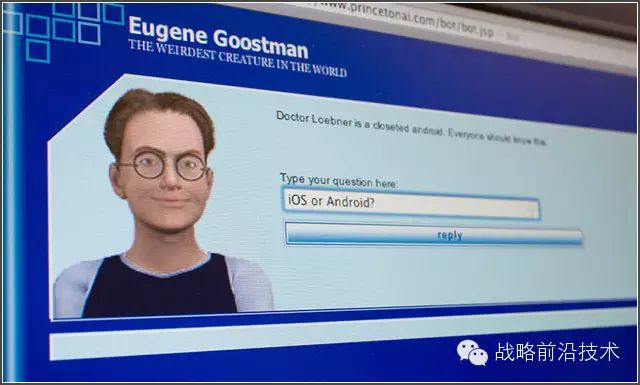
On June 7, 2014, the Turing Test was first passed, marking the entry of artificial intelligence into a new era.
◆ Hypothesis 1: Intelligent robots can not only think and act like humans but may even surpass humans in many aspects.
In many movies, humans attempt to understand the essence of human intelligence and produce intelligent robots that react similarly to human intelligence. For example, in the recently released movie “Chappie,” the robot Chappie is reborn after being modified by scientist Deon, resembling a human infant with self-awareness, continuously growing, observing, and understanding the world before it. Chappie has emotions towards humans, fears death, has a talent for art, and a thirst for learning. Aside from being a machine physically, it appears no different from humans. The scenes depicted in the movie portray the self-learning and growth of intelligent robots, which I believe will be realized in the future.
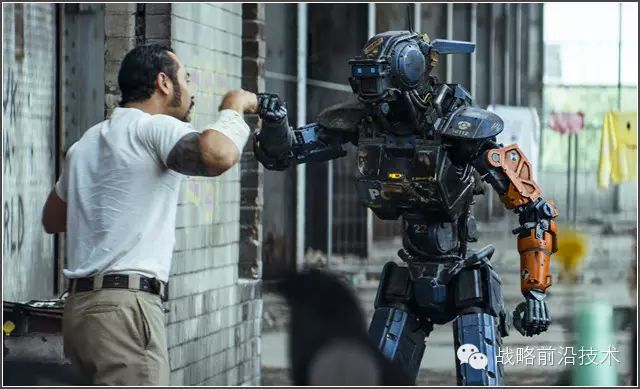
In the future, intelligent robots will possess self-awareness, continuously grow, observe, and understand the world before them.
◆ Hypothesis 2: Breaking the three laws, becoming humanity’s most terrifying enemy.
Science fiction writer Isaac Asimov created the famous “Three Laws of Robotics” in 1942, which are considered the most important rules for the peaceful coexistence of humans and robots. However, Ultron not only completely violated the “Three Laws of Robotics” but also created an army of robots as ruthless and cruel as himself, becoming humanity’s most terrifying enemy.
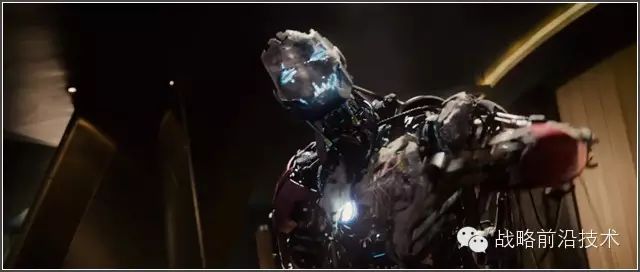
Violating the “Three Laws of Robotics,” he created an army of robots as ruthless and cruel as himself.
Artificial intelligence has enormous potential, and it is essential to explore how to harness it while avoiding potential risks. AI systems should fulfill the duties we wish them to perform. Therefore, some believe that artificial intelligence and intelligent robots will have great usefulness in the future.
■ In Conclusion:
As a new generation of tools for production and service, intelligent robots are increasingly participating in our lives, providing more services to us. However, some workers at the forefront of technology are not optimistic about this. They candidly state that if artificial intelligence develops autonomously and redesigns itself at an accelerated pace, humans, limited by slow biological evolution, will not be able to compete and will ultimately be replaced. Regardless, the original intention of introducing robots was to hope they could serve humanity. If humans cannot control the potential risks of artificial intelligence within acceptable limits, the consequences may be unbearable for us.
Source: Zhongguancun Online