Bangkok, September 3, 2025 — Driven by global supply chain restructuring and the wave of AI, Thailand is rapidly becoming an emerging hub for the printed circuit board (PCB) industry. Nearly 60 PCB manufacturers from China and Taiwan are accelerating the establishment of factories in Thailand, aiming to make Thailand the “global PCB center” after China.
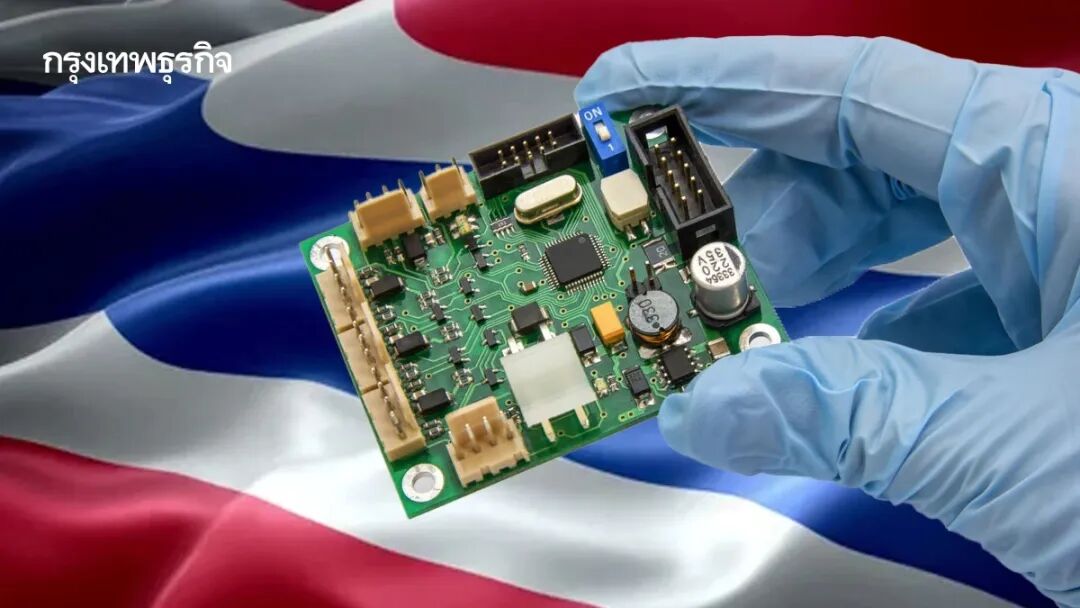
Investment Surge: International Giants Increase Their Presence
According to Nikkei Asia, Ayutthaya Province in Thailand has become a hotbed for PCB manufacturing investment.
The large Chinese PCB manufacturer Victory Giant Technology (VGT) has established its second factory in Thailand and has become an important supplier for Nvidia.
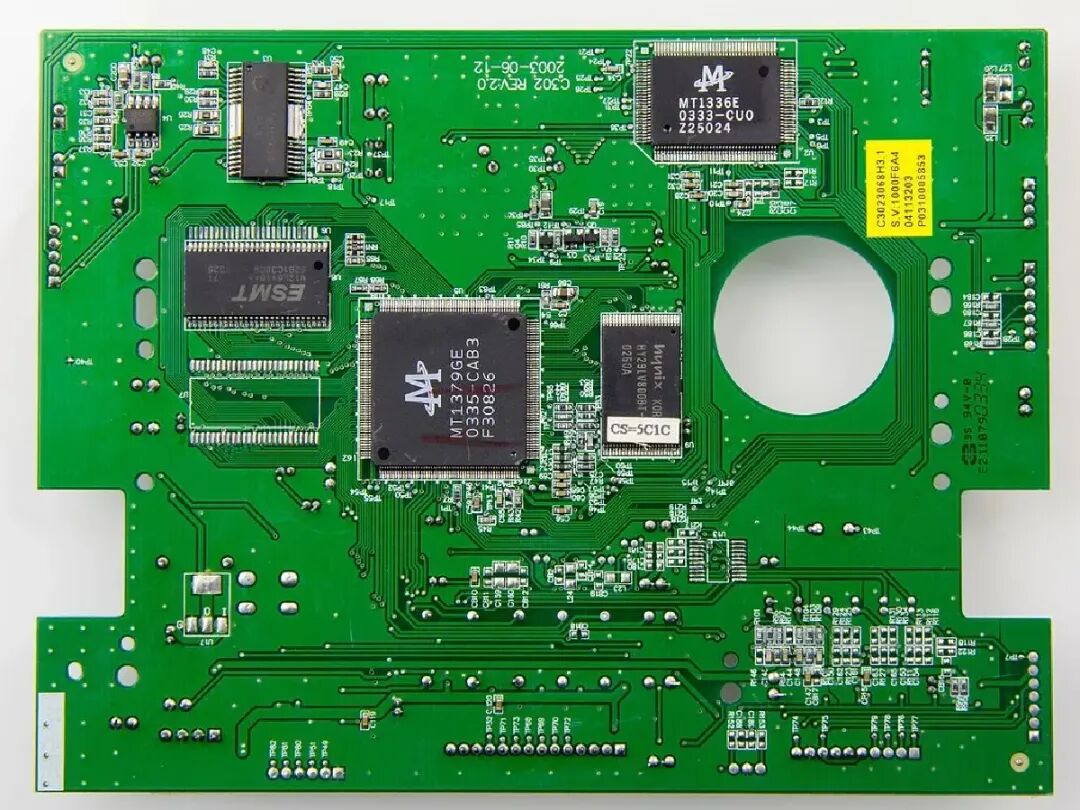
The Taiwanese company GCE has fully commenced production in Thailand, providing PCBs for network devices for Nvidia.
The two global PCB giants, Zhen Ding Tech and Unimicron, are also actively expanding their production capacity, with plans to relocate some product lines to Thailand, including PCBs for satellites and gaming consoles.
Industry insiders point out that the demand related to AI is a significant reason driving investors to choose Thailand. VGT has rapidly grown relying on the AI industry chain, with a market value exceeding $32.6 billion, far surpassing Zhen Ding Tech, the largest PCB company in global revenue.
Thailand’s Market: Potential and Challenges
The Taiwan International Technology Strategy Center predicts that Thailand’s PCB output value will grow from $3.5 billion in 2024 to $5.62 billion by 2030, with an average annual compound growth rate of 7.6%, higher than the global average.
However, rapid growth also brings challenges:
Talent Shortage: Although Thailand has a large number of automotive industry engineers, there is a lack of PCB professionals, especially engineers and managers who understand Chinese, leading to a “talent war” and a significant increase in salary levels in the short term.
Cultural Differences: Chinese and Taiwanese companies emphasize high intensity and quick response, which contrasts with the “rebalanced” work rhythm of the Thai workforce, requiring cross-cultural adaptation.
High Production Costs: Industry insiders state that labor costs in Thailand’s manufacturing sector are about three times higher than in China, and with equipment and raw materials still needing to be imported in large quantities, the overall supply chain ecosystem is not yet complete.
Geopolitical Drivers of Relocation
Experts believe that the tensions between China and the U.S. and the situation in the Taiwan Strait are significant drivers of capital outflow. Since high-level visits between the U.S. and Taiwan in 2022, companies have generally adopted a “Taiwan +1” strategy, dispersing production capacity to Southeast Asia to avoid potential risks. Thailand, with its stable political environment and industrial support, has become one of the main receiving locations.
Outlook: Can Thailand Become the “Third Pole” of Global PCB Production?
Currently, the Thai government hopes to leverage the influx of foreign investment to establish the country as the second-largest PCB manufacturing center in the world, after China. Analysts point out that if breakthroughs can be made in talent development, supply chain improvement, and cost control, Thailand is expected to become the “third pole” of global PCB production after China and Taiwan. However, global economic fluctuations, U.S. tariff policies, and local infrastructure constraints remain key uncertainties for future development.

Reprint with source indicated for more Sino-Thai business information
Please log in to the official website of the Thai Chinese Enterprises Association
Supervised by: Secretariat of the AssociationWritten by: Publicity Department of the AssociationEdited by: Deng Ying, Thai Net Editorial DepartmentSource: Thai Chinese Enterprises AssociationDisclaimer:1. All works marked “Article Type: Original” in this public account and its sub-stations are copyrighted by the Thai Chinese Enterprises Association and its sub-stations. Other media, websites, or individuals must indicate: “Source: Thai Chinese Enterprises Association” when reprinting or using.2. All works marked “Article Type: Reprint”, “Article Type: Translation”, or “Article Type: Excerpt” in this public account and its sub-stations are reprinted, translated, or excerpted from other media, and the purpose of reprinting, translating, or excerpting is to convey more information, and does not represent that this site and its sub-stations agree with their views or are responsible for their authenticity. Other media, websites, or individuals must retain the source indicated by this site when reprinting, translating, or excerpting, and bear legal responsibility.
Thai Chinese Enterprises Association
Introduction
The Thai Chinese Enterprises Association (English name: Chinese Enterprises Association in Thailand) was established in 2001. The association is under the leadership of the Chinese Embassy in Thailand, and its member companies are mainly Chinese-funded enterprises in Thailand.
The founding purpose of the Thai Chinese Enterprises Association is “unity, mutual assistance, guidance, and service”. By fulfilling six major functions: “rights protection, research, information, promotion, coordination, and networking”, it strives to serve member enterprises in Thailand, safeguard the legal rights and interests of Chinese enterprises in Thailand, and play a bridging role in promoting economic and trade cooperation and exchanges between China and Thailand. As of now, the Thai Chinese Enterprises Association has 343 member enterprises, including 45 Fortune Global 500 companies and 74 China 500 companies.
The highest authority of the Thai Chinese Enterprises Association is the General Assembly of all members, and the Board of Directors is a permanent institution of the General Assembly, authorized by the General Assembly to exercise the rights of the General Assembly during its recess and to decide and handle the daily affairs of the association. The Secretariat of the association has administrative, cultural and sports, external liaison, and legal departments, responsible for the daily affairs and liaison work of the association. The association also has 14 industry branches, including manufacturing, Rayong, rubber, engineering contracting, finance, transportation, high-tech, resource development, service trade, new energy, automotive, real estate and related services, media, and legal consulting, each responsible for communication and cooperation among member enterprises in their respective industries.
As the economic and trade cooperation relationship between China and Thailand continues to strengthen, the Thai Chinese Enterprises Association will continue to play a platform role, actively engage in extensive exchanges with the Thai government and major business associations, promote member enterprises’ integration into the Thai economic society, operate in compliance with laws and regulations, safeguard legal rights and interests, broaden cooperation channels, and enhance cohesion and influence, contributing to the construction of a Sino-Thai community of shared future.