
 1Research Highlights
The prediction of traction motor temperature plays a crucial role in the state assessment and daily maintenance of EMU traction motors. To address the issue of insufficient feature extraction from the time series data of traction motors in existing predictive models, which leads to low prediction accuracy, we propose a temperature prediction model based on MultiCNN-GRU-ITA. This model aims to predict the temperature of traction motors by extracting spatiotemporal features from the data at a deeper level. The model introduces a spatial feature extraction module using a Multi-Channel Convolutional Neural Network (MultiCNN) to obtain spatial features of traction motor data at multiple scales, enhancing the representational capability of the features; it also designs a time feature extraction module stacked with GRU to capture the long-term dependencies of the data and extract the temporal features of traction motor data, allowing for more accurate predictions of temperature dynamics; an improved Temporal Attention Mechanism module (ITA) is introduced to focus on key information within the spatiotemporal features, further enhancing the model’s ability to identify important features. A dataset was created using actual operational data from EMUs, and experimental tests were conducted under various prediction scenarios.
2Research Plan2.1 Temperature Prediction Model for Traction Motors Based on MultiCNN-GRU-ITA Figure 1 Structure of CR300BF EMU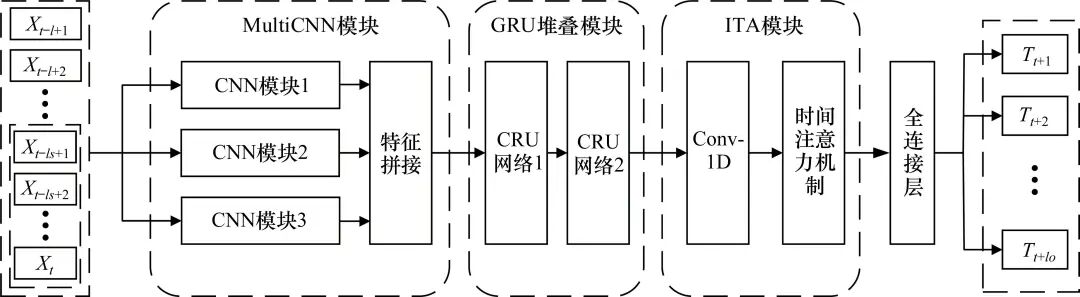
Figure 2 Structure of the Temperature Prediction Model
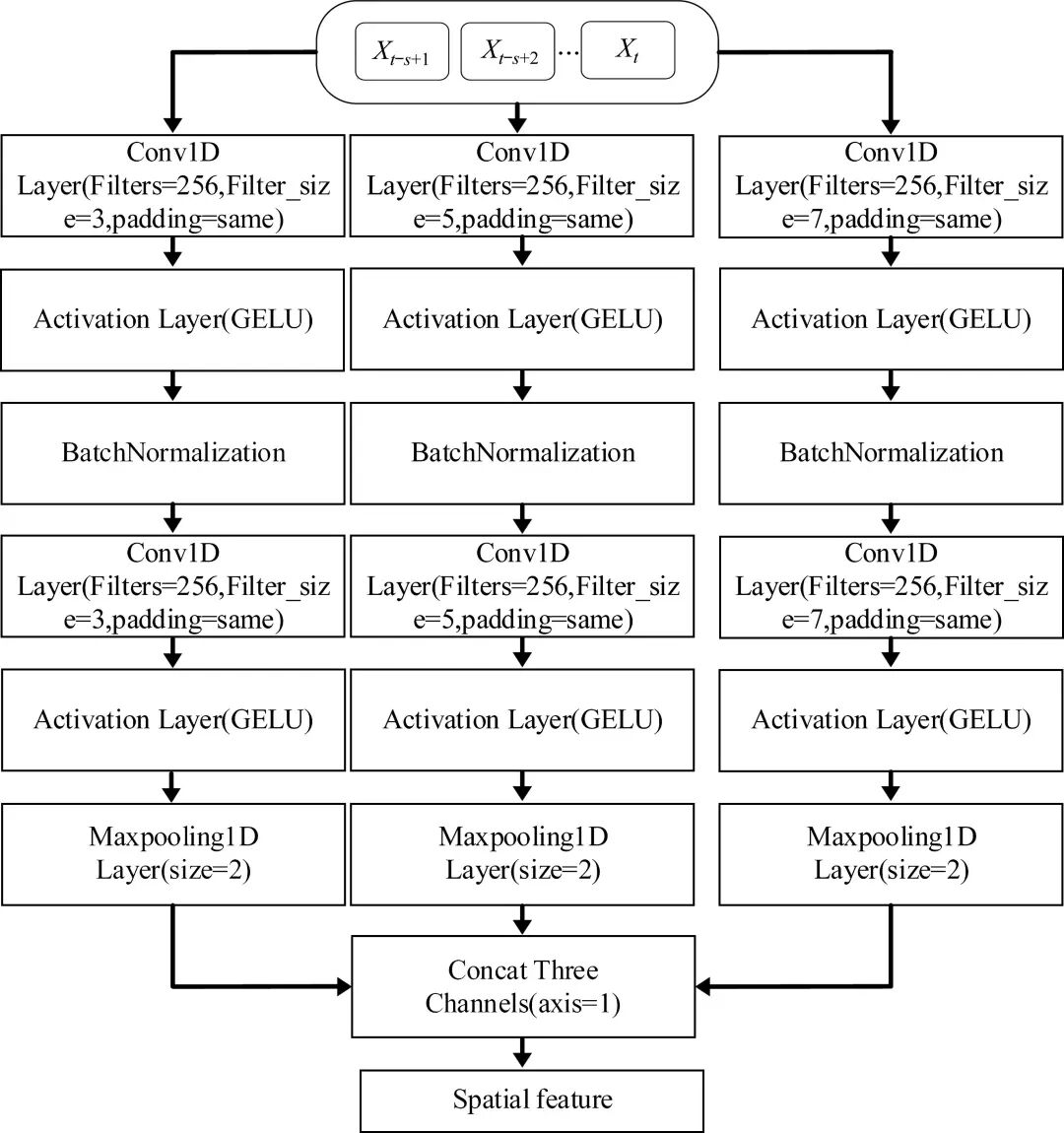
Figure 3 Structure of MultiCNN
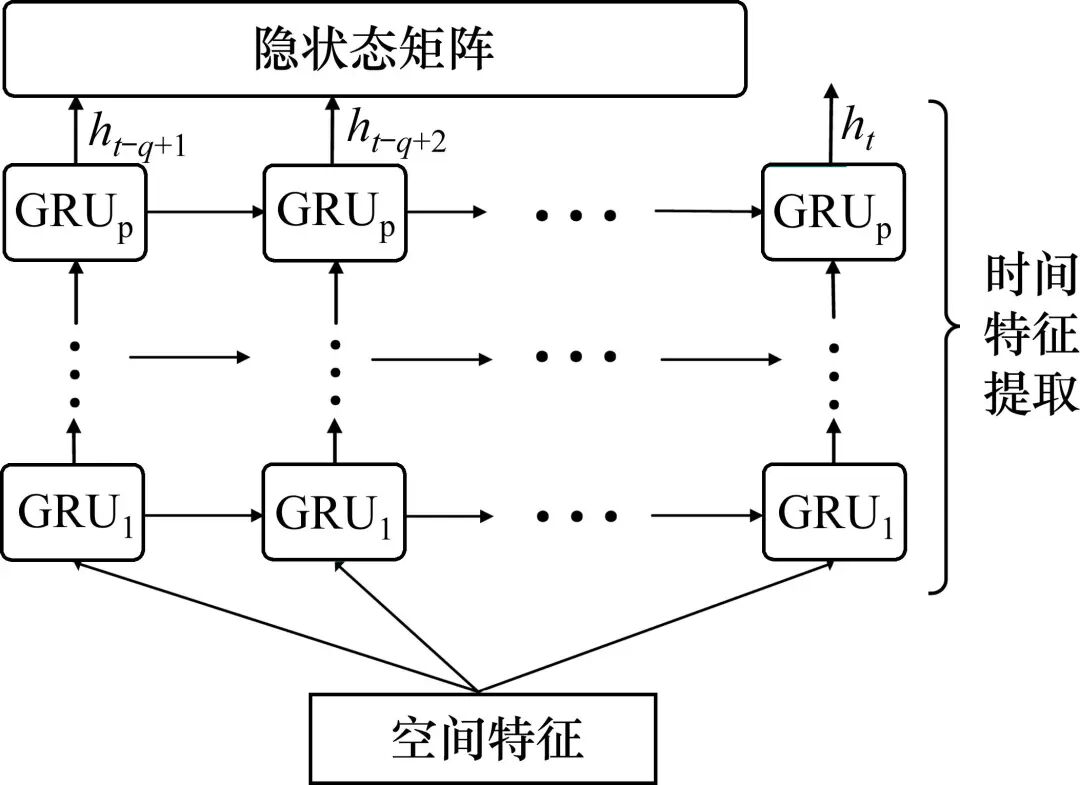
Figure 4 Structure of Stacked GRU Figure 5 Structure of ITA2.2 Experimental Testing and Analysis
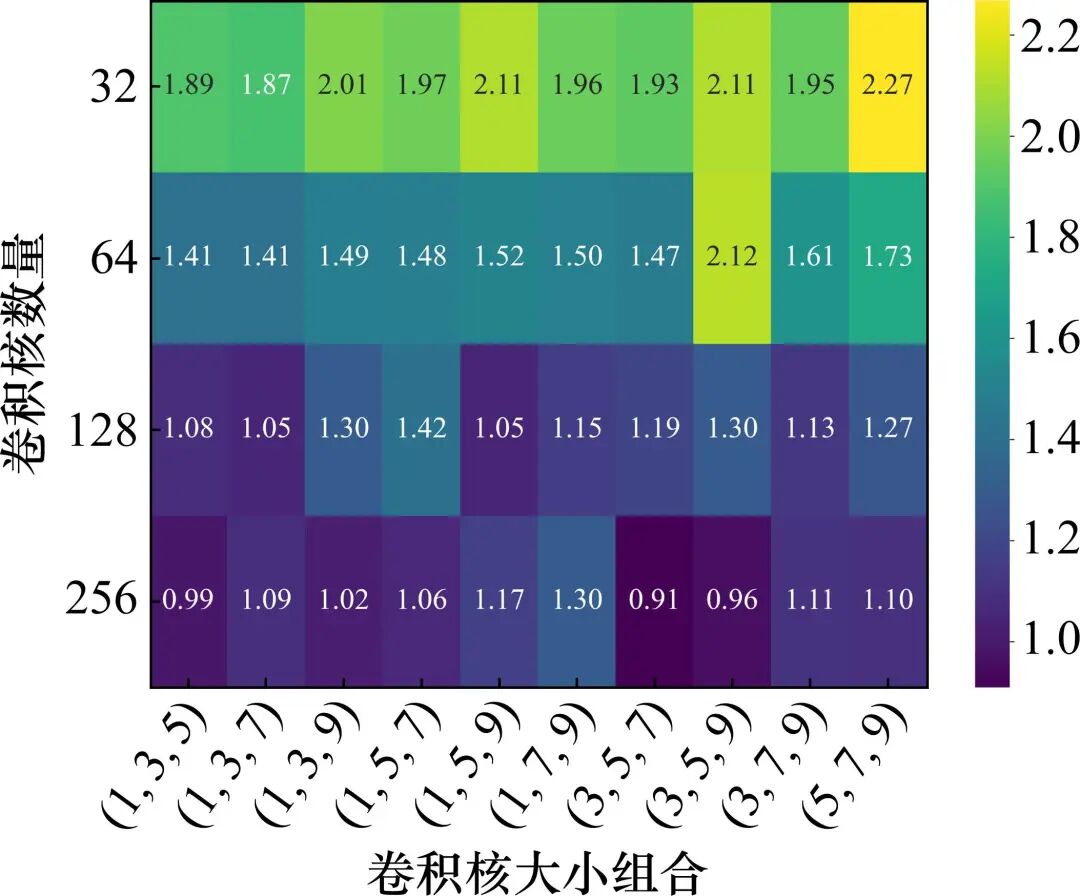 Figure 6 Impact of Convolution Kernel Size and Number on Prediction Accuracy
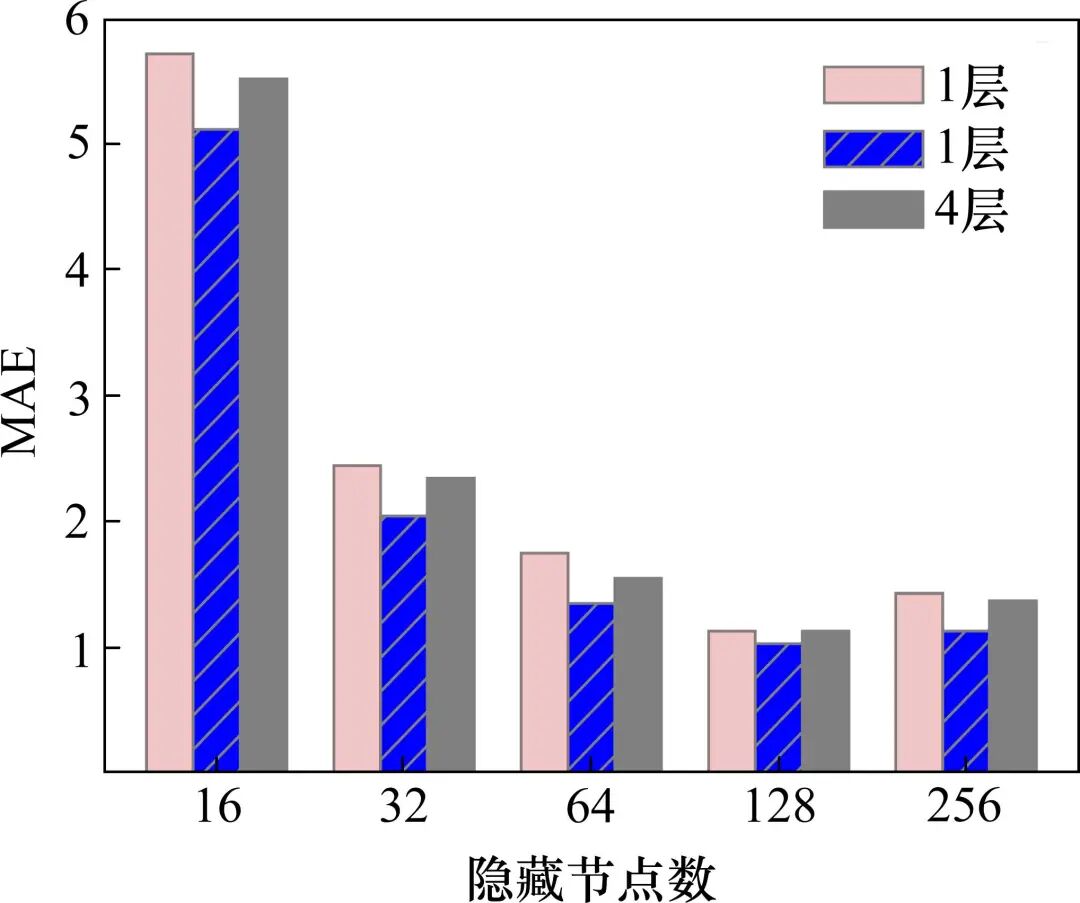 Figure 7 Impact of Stacked GRU Module Layer Count and Hidden Node Count on Prediction Accuracy
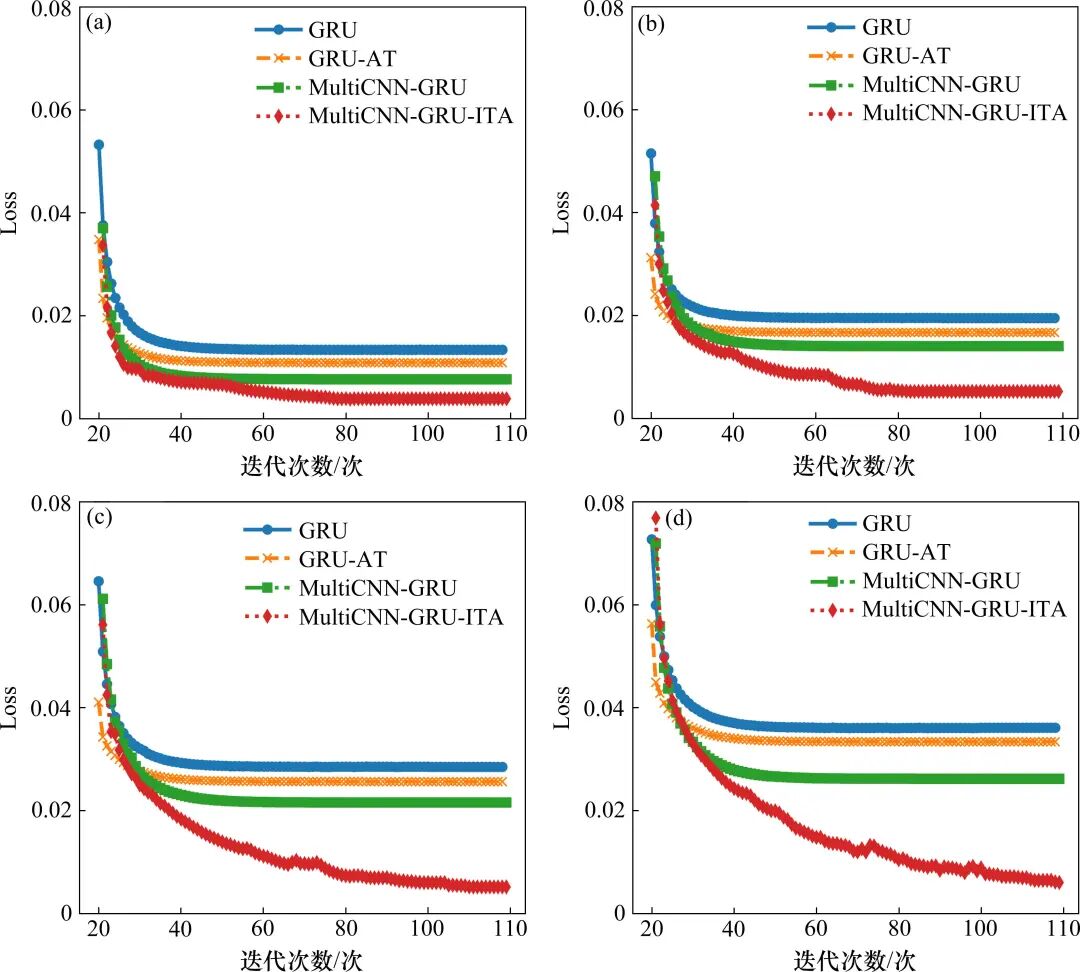 (a) Prediction step 5 min; (b) Prediction step 10 min; (c) Prediction step 15 min; (d) Prediction step 20 minFigure 8 Comparison of Loss Reduction for Each Model at Different Prediction Steps
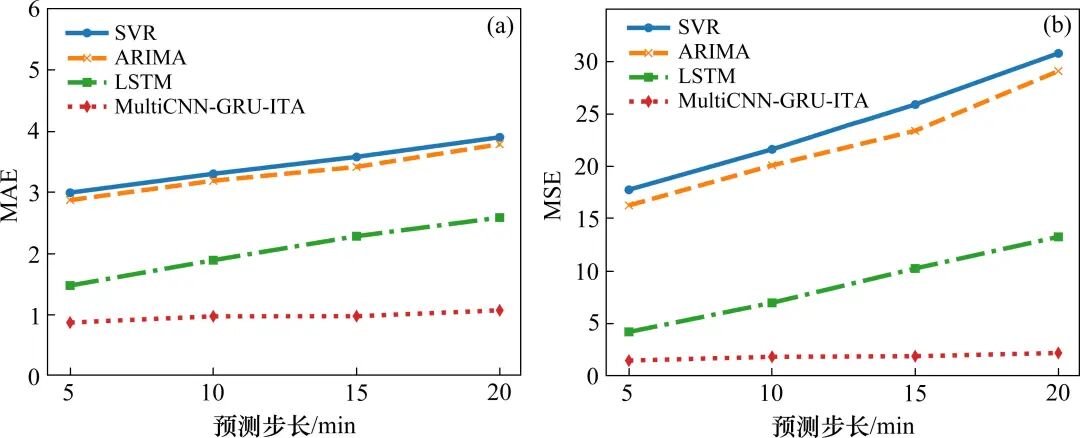 (a) Cumulative MAE results; (b) Cumulative MSE resultsFigure 9 Impact of Different Prediction Steps on Model Prediction Accuracy
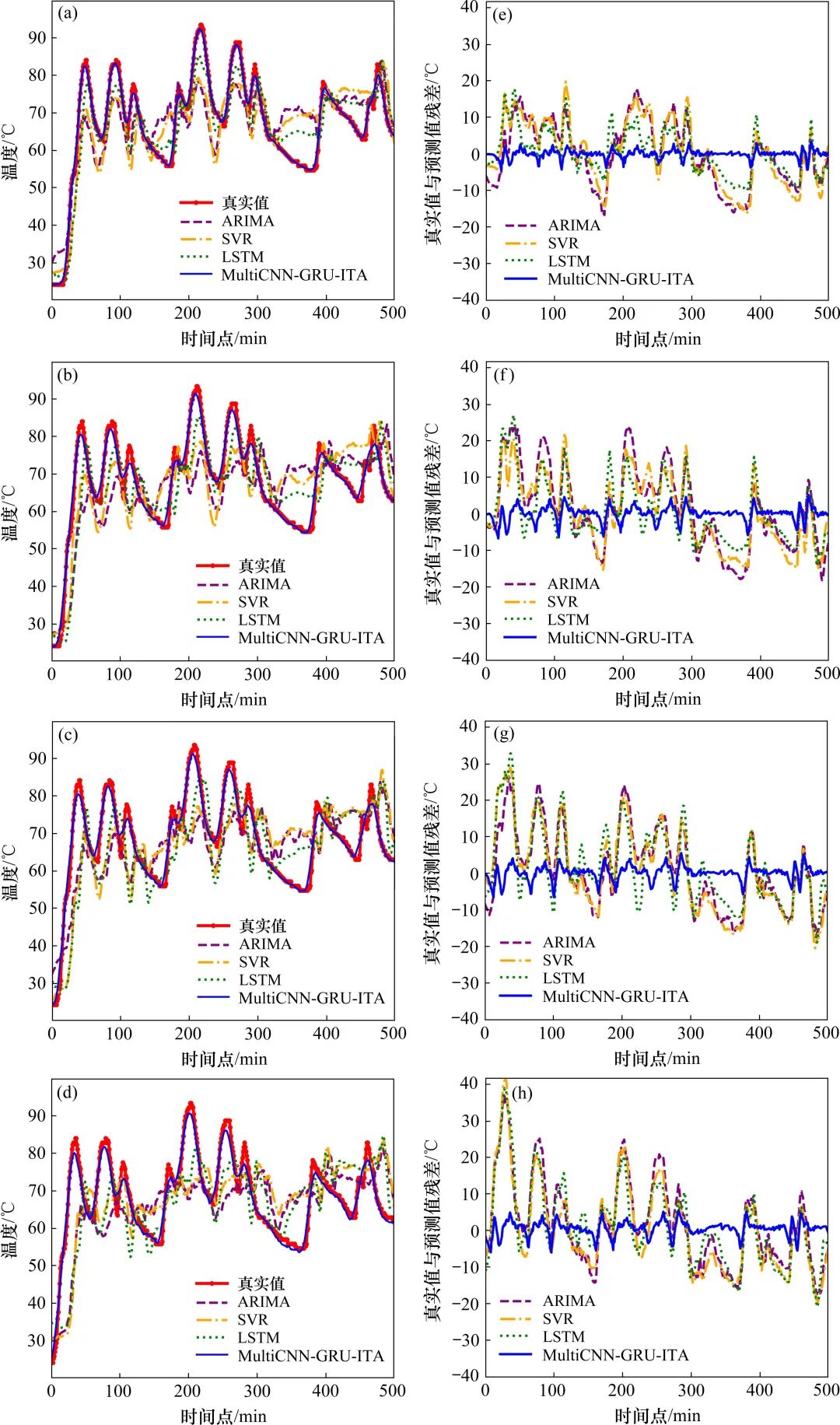 (a) 5 min temperature prediction results; (b) 10 min temperature prediction results; (c) 15 min temperature prediction results; (d) 20 min temperature prediction results; (e) 5 min temperature prediction residuals; (f) 10 min temperature prediction residuals; (g) 15 min temperature prediction residuals; (h) 20 min temperature prediction residualsFigure 10 Temperature Prediction Results of Each Model Under Normal Conditions of Traction Motors
 (a) 5 min temperature prediction results; (b) 10 min temperature prediction results; (c) 15 min temperature prediction results; (d) 20 min temperature prediction results; (e) 5 min temperature prediction residuals; (f) 10 min temperature prediction residuals; (g) 15 min temperature prediction residuals; (h) 20 min temperature prediction residualsFigure 11 Prediction Results of Each Model Under Fault Conditions of Traction Motors3Research Conclusions
1)To address the issue of insufficient feature extraction from the time series data of traction motors in existing predictive models, which leads to low prediction accuracy, we proposed a temperature prediction model based on MultiCNN-GRU-ITA by analyzing the spatial and temporal correlations present in the actual data of EMUs, allowing for deeper extraction of spatiotemporal features to predict the temperature of traction motors..
2)We established a three-channel CNN feature extraction module to obtain spatial features of the data at multiple scales, designed a stacked GRU module to capture long-term dependencies of the data, and proposed an improved attention mechanism module to enhance the extraction capability of key information within the spatiotemporal features..
3)Compared to LSTM, GRU, SVR, and ARIMA models, the MultiCNN-GRU-ITA model effectively improves the accuracy and stability of traction motor temperature predictions, providing a new solution for temperature prediction of EMU traction motors and supporting the construction of a high-accuracy fault prediction and health assessment system for traction motors..
4Author Information

Corresponding Author:Chen Menghua, PhD, Associate Professor at the School of Automation and Electrical Engineering, Dalian Jiaotong University. Engaged in research in the fields of networked control systems, complex system analysis and control, intelligent control, etc.Research work.E-mail:[email protected]
 Previous
Xiong Xiaohui, Chen Guang et al.: Study on the Aerodynamic Characteristics of Lift Wings on High-Speed Trains at 400 km/h
Recommended
Li Maoqing, Wang Yuan et al.: Automatic Driving Tracking Control of EMUs Considering Complete Loss of Power in a Unit
Recommended
Wang Beikun, Lu Yaohui et al.: Analysis of the Impact of Tunnel Intersections on the Vibration Characteristics of High-Speed Trains
Recommended
Zou Yunfeng, Liu Lulu et al.: Impact of Wind Barriers on the Aerodynamic Characteristics of Dual-Track Bridges for Rail and Road
 Online First
Online First | May 2025
Online First | April 2025
Online First | March 2025
Online First | February 2025
Latest Directory
Journal of Railway Science and Engineering, Issue 05, 2025
Journal of Railway Science and Engineering, Issue 04, 2025
Journal of Railway Science and Engineering, Issue 03, 2025
Journal of Railway Science and Engineering, Issue 02, 2025
 END
END
First Review: Yang Bifeng
Second Review: Tu Peng
Third Review: Jiang Xuedong
Click “Read the Original” to get the full text