
Programmer Headquarters 🔰
Founded by Byte’s big shots, a well-known blogger in the IT industry, gathering 200,000 programmers. Click to follow, and let’s progress together ▶▶
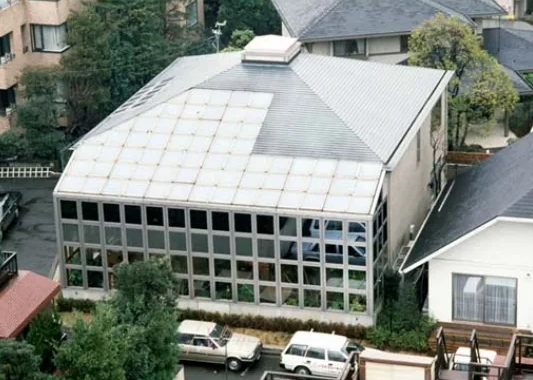
In 1989, a “thinking” house appeared on the streets of Tokyo. This house was equipped with thousands of sensors, capable of automatically adjusting lights, opening and closing windows, watering plants, and even analyzing urine to record health data. This is not a sci-fi movie, but a real demonstration of Japan’s TRON project—a black technology that was born 30 years before today’s smart homes.
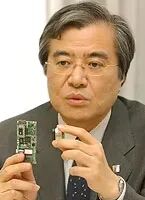
At that time, Japanese electronics were dominating the global market, with Sony Walkman and Panasonic TVs taking over Europe and America. However, the Japanese were not satisfied with just hardware; they wanted to use the TRON operating system to overturn the U.S. in the software field. When Professor Ken Sakamura of the University of Tokyo proposed this concept in 1984, Microsoft Windows had not yet been born, and Intel’s processors were just starting out.
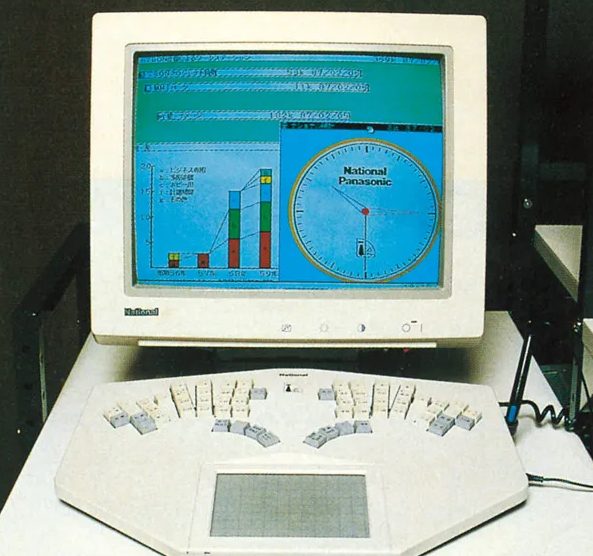
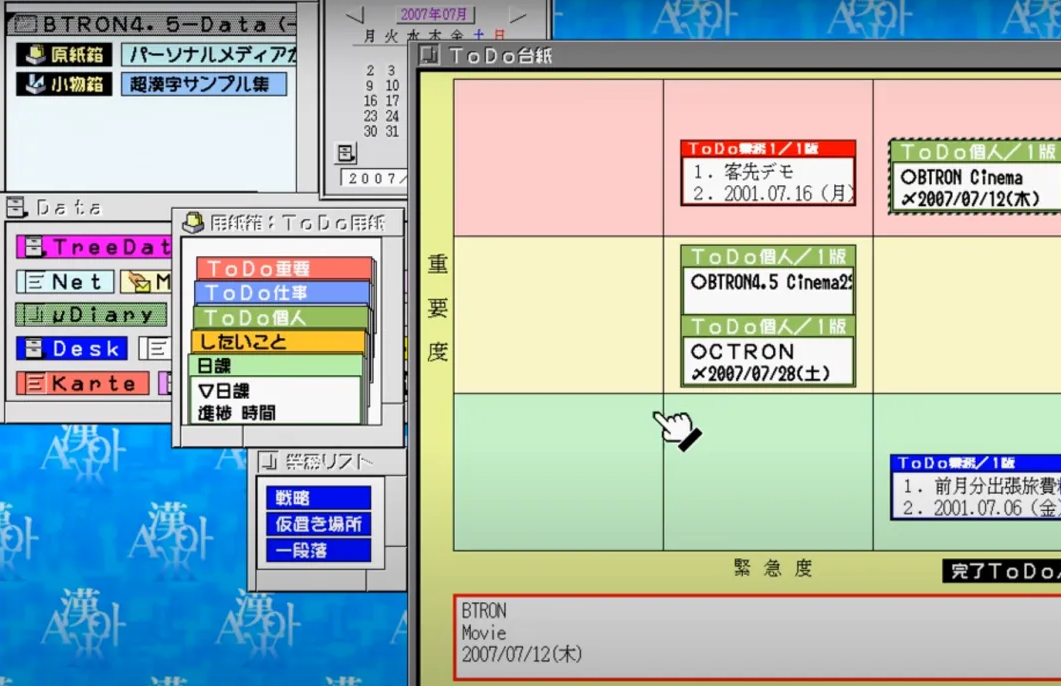
TRON had grand ambitions. It divided computers into three categories: ITRON for factory machines, BTRON for personal computers, and CTRON for network devices. According to this design, the same set of technical standards could be used from coffee machines to supercomputers. The BTRON computer launched by Panasonic in 1989, although it only had 2MB of memory, was already capable of playing multiple color videos simultaneously—a feature that Windows did not achieve until 1995.
The Japanese were serious about this. Major companies like Hitachi and Fujitsu each sent over 100 engineers to prepare to capture 25% of the 32-bit processor market by the year 2000. The most critical move was that the Japanese Ministry of Education ordered that all 700,000 schools in the country must install the TRON system. This was equivalent to directly moving Microsoft’s cheese.
The American response was quicker than expected. Microsoft immediately lobbied the U.S. government, claiming this was “economic nationalism.” At that time, the U.S.-Japan trade war was at its peak, with Detroit workers smashing Japanese cars with hammers, and Congress was filled with calls to boycott Japanese goods. The ADAPSO software association released a report directly labeling TRON as a “trade barrier.”


Under pressure, Japan withdrew its order for schools to change systems. Without government support, companies like Panasonic abandoned the TRON computer. This operating system, which could have changed the IT landscape, ultimately survived only in the embedded systems of Japanese home appliances. Many of the printers and digital cameras you use today still run on ITRON code at their core.
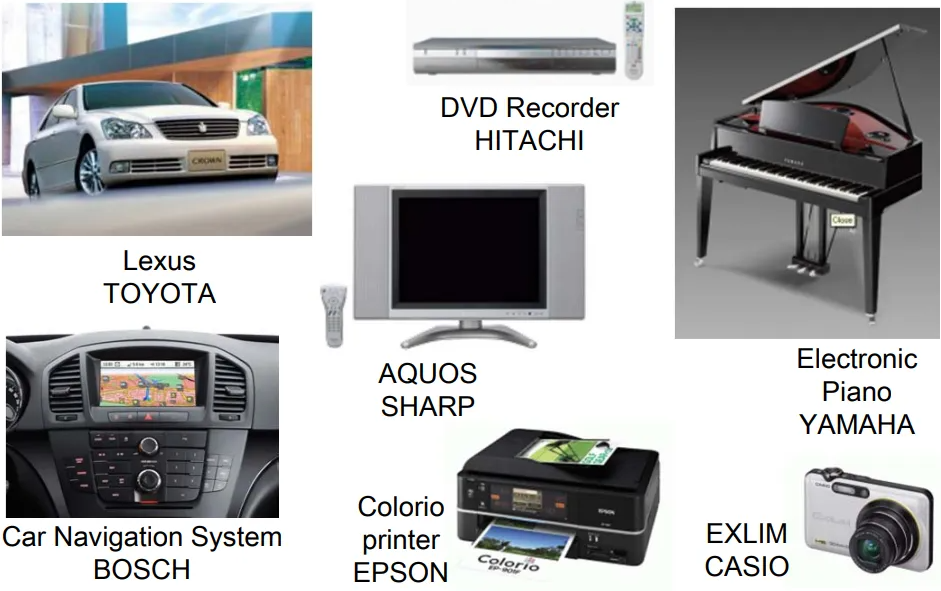
Looking back at this history is quite interesting. Japan had Sony and Panasonic in hardware, TRON in software, and Toshiba and Hitachi in chips, almost building a complete IT ecosystem. However, the Americans used the stick of “free trade” to forcibly interrupt this process. Now, when Huawei is sanctioned, many people bring up the story of TRON.

The concept of “everything is a computer” proposed by TRON back then is now called the Internet of Things. The smart home envisioned by Ken Sakamura is now a business for Xiaomi and Google. History does not repeat itself, but it always rhymes. The opportunities missed by Japan are now being seized by more players.
The story of TRON serves as a reminder for future generations: in the face of the two mountains of operating systems and chips, having technology alone is not enough; one must also have the ability to withstand pressure. Currently, among the top ten technology companies by market value globally, the U.S. has seven, China has three, and Japan has none. The competition from thirty years ago continues to influence today.

Headquarters Previous Original
Program
Layoff rates as high as 95%, will DeepSeek bring a wave of layoffs?
Preface
Hot TOP10 DeepSeek prompt words! (Practical templates)
Employee
After being optimized, can I prohibit the company from continuing to use the tools I wrote?
Summary
Shocking! OpenAI finally lifted the restrictions on adult content, PO18 can be output freely, it feels like they are really anxious.
Department
Taking a shower caused me to lose my offer…


Like

Share

View