In the summer
we set off.
Steel City of the Grassland

0803

0810

Teaching Support
08/03
Bao Tou
08/10

<Encountering the Steel City>
In the classroom of Baotou No. 9 Middle School, Tsinghua students build a bridge of knowledge.
With Mind+ graphical interface, microcontroller commands leap onto the screen.
LED lights flicker with logic, sensors capture the physical phenomena.
This summer, code flows at our fingertips, and the future sprouts from practice.
Overview of Practice


The “Xilinx Lucheng” microcontroller teaching support team went to Baotou as part of the Electronics Department’s “Together Towards the Future” brand project. The team conducted a 7-day social practice activity from August 3 to August 10, 2025, carrying out microcontroller teaching support activities at Baotou No. 9 Middle School. The activities focused on core skills of microcontrollers, fully considering the cognitive realities of high school students, and were conducted in a step-by-step manner, achieving good results. The students created their own projects and provided positive feedback on the teaching support activities.
Some photos from the teaching support
Content of Teaching Support
Passing on knowledge, igniting the stars


The team conducted microcontroller teaching support at Baotou No. 9 Middle School, with a rich and comprehensive curriculum, specifically including:
3 introductory courses on hardware programming
1 introduction to C++ language
2 comprehensive design guidance sessions
10+ comprehensive design examples
4 practical skills
Methodology exchange and sharing
…….
The teaching support achieved remarkable results and received unanimous praise from the students
Course System
The overall course design follows the Electronics Department’s concept of “combining competition and teaching”, centered around the final comprehensive design, building the course content from the ground up, making it easy to understand and accessible. At the same time, considering the situation of high school students, we did not directly use the Arduino platform for programming, but instead utilized Mind+’s modular approach to bypass syntax details. Additionally, to accommodate more students’ experiences, we also added C++ courses, providing advanced entry points.
In terms of specific course arrangements, the goal is to explain the basic knowledge of microcontrollers, help students master fundamental skills and methods, enhance their overall quality, and cultivate professional interests. Considering the actual situation of high school students, the course starts from simple concepts and gradually transitions to more abstract and complex parts.
The objectives of each course are as follows:
3 introductory courses using Mind+ graphical programming for beginners
The C++ introduction course clearly explains the origins of Arduino
Comprehensive design guidance helps students understand the overall design thinking
Comprehensive design examples provide specific practical implementations
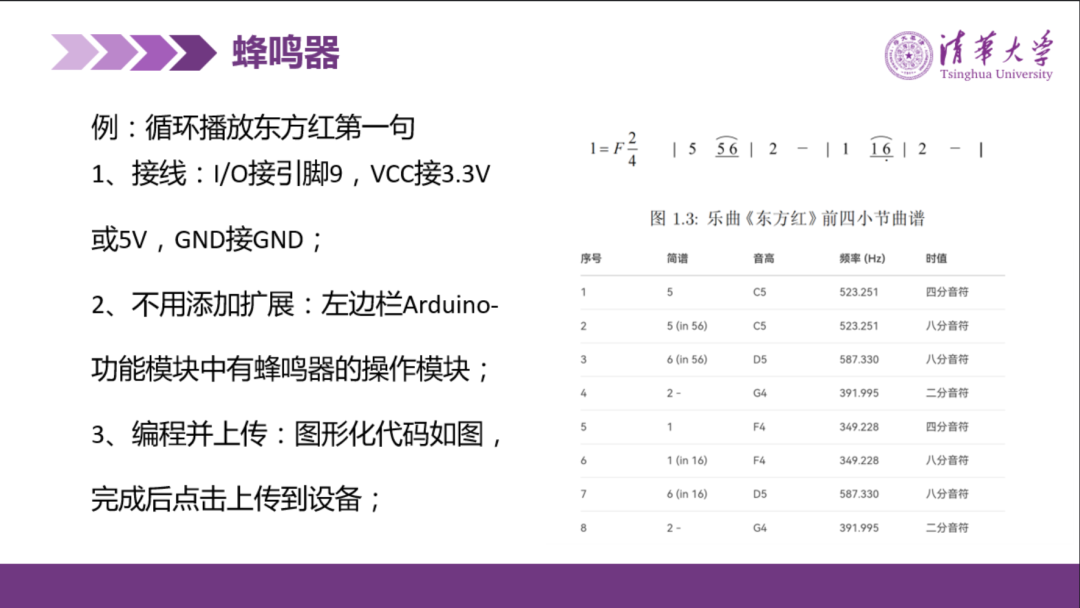
Screenshot of the introductory course materials
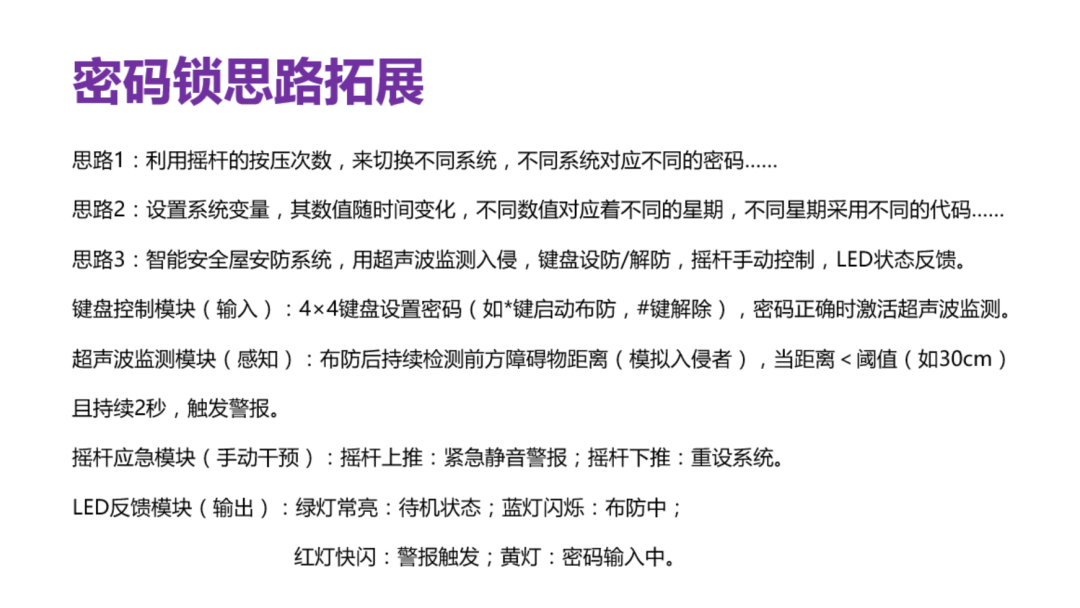
Comprehensive design example

Teaching Schedule
The teaching support began with an opening ceremony, followed by several days of teaching and exchanges, and concluded with a project showcase and closing ceremony.
[Opening Ceremony]
On the first morning of the teaching support, we held an opening ceremony, where school leaders, student representatives, and team leaders spoke, introducing the general situation of the teaching support and expressing expectations. The students responded enthusiastically and were full of anticipation for the teaching support.
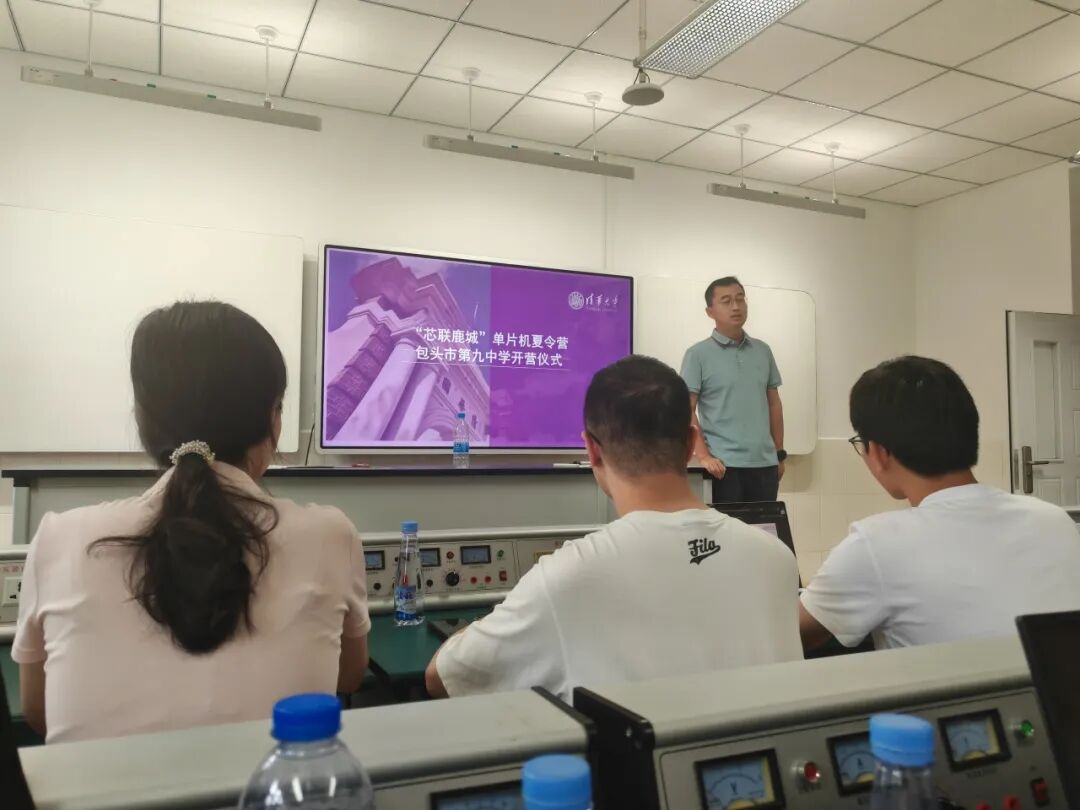
School leaders speaking at the opening ceremony
After the opening ceremony, we held a simple ice-breaking activity, designed by student Yao Yao, which cleverly utilized the students’ curiosity about university life, using a quiz format to liven up the atmosphere.
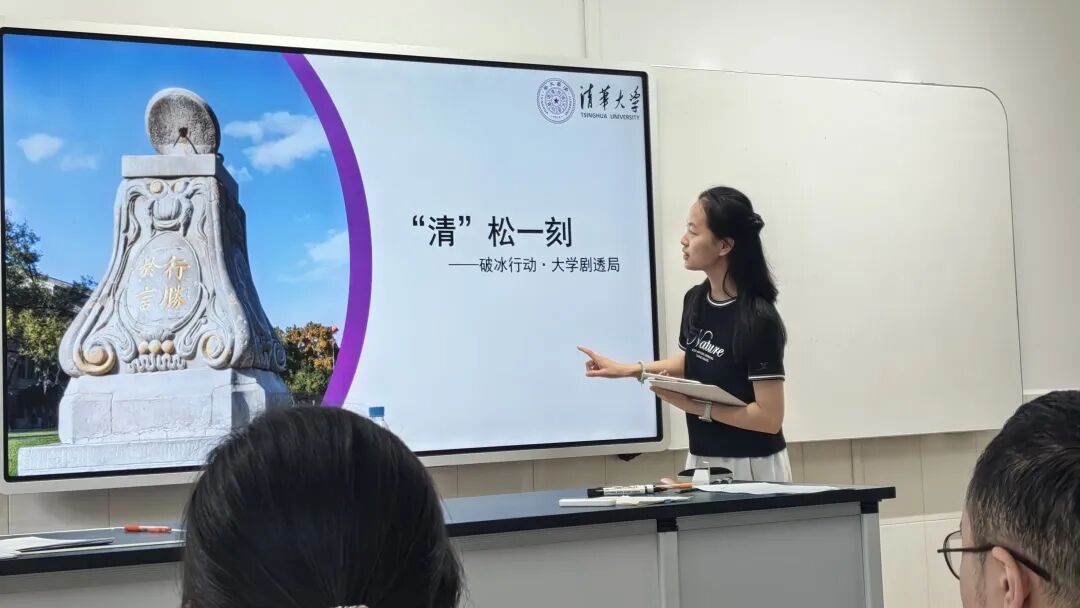
Conducting ice-breaking activities
[Teaching]
During the teaching sessions, the instructors were divided into multiple course groups, teaching as units. Each class consisted of a lecture and a practical component, during which the responsible instructors circulated to answer questions, ensuring the quality of learning.
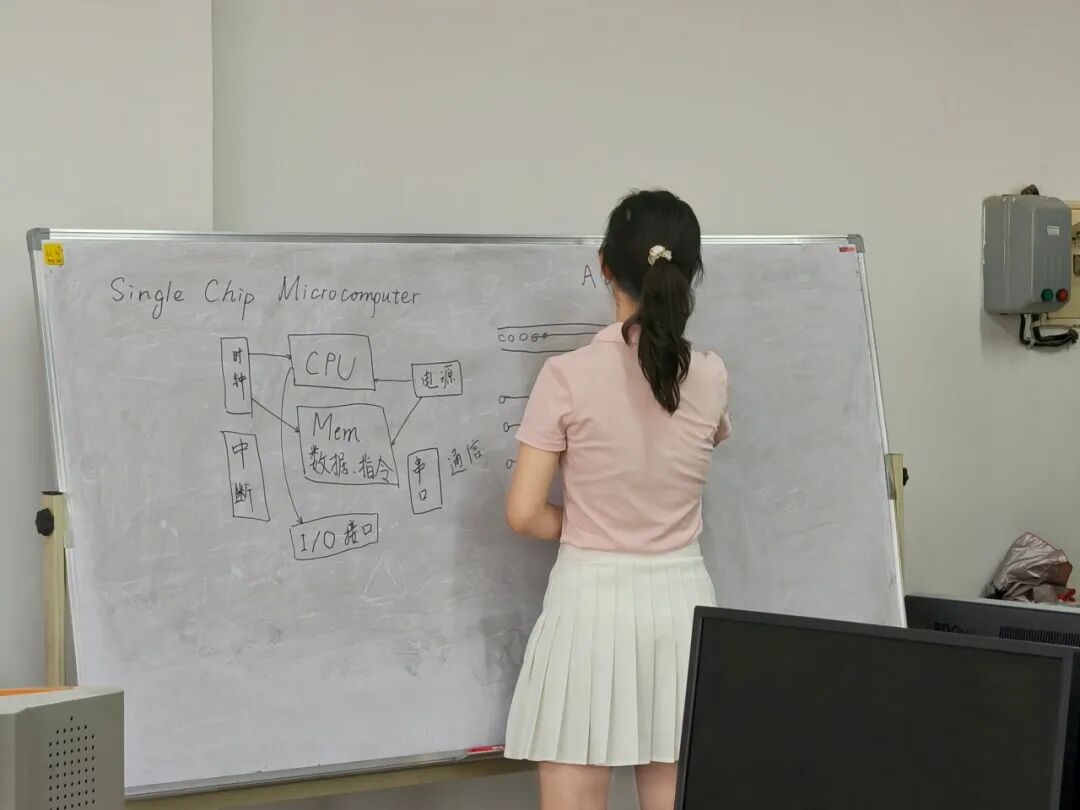
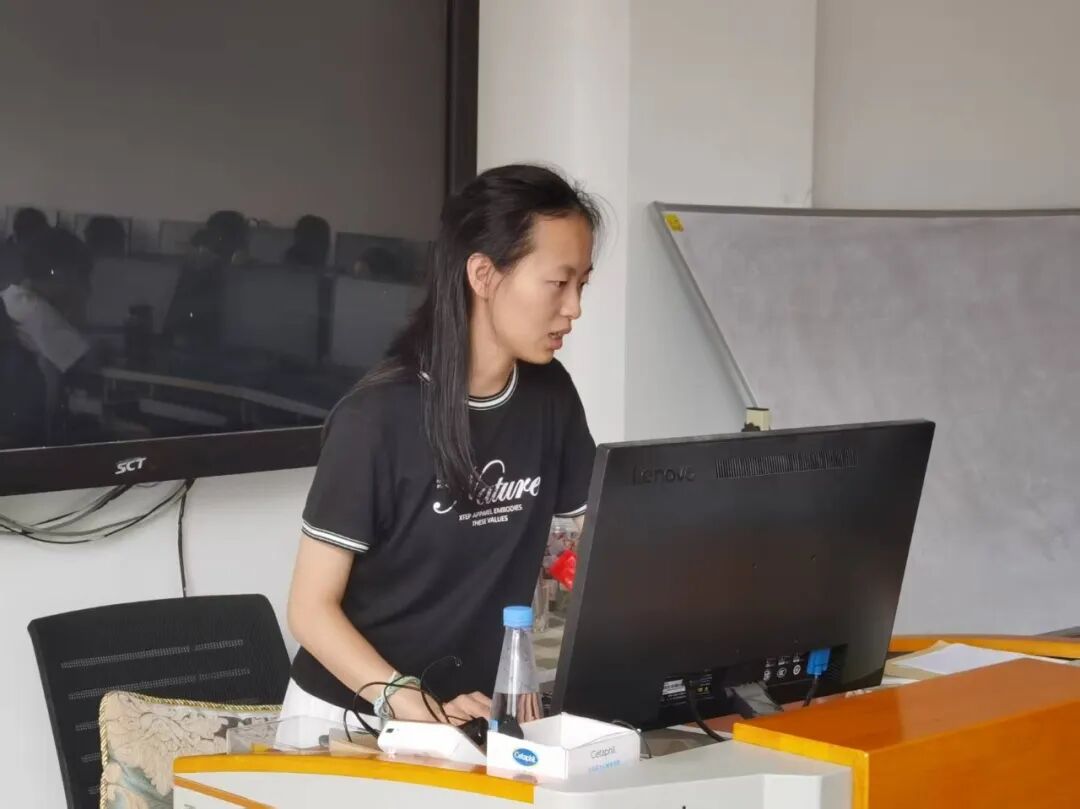
Instructors conducting lectures
[Results Showcase and Closing Ceremony]
After the course, students had basically mastered the basic knowledge of microcontrollers and had initially developed the ability to create small microcontroller projects. Through specialized comprehensive design courses and guidance from instructors, each group produced comprehensive design projects. The directions were diverse, and the categories were numerous. Here is one example:
Password Lock

“This is a password lock. After the program starts, it will display a correct password, then output ‘Please enter the password’. After entering the password, press the joystick to confirm. If the password is correct, the green light will turn on.”
This was the introduction during the student’s demonstration of the completed password lock. Using a 4×4 matrix keyboard as input and an LED as output, the student implemented a complete password lock logic and successfully programmed it on the Arduino board, perfectly fulfilling the project requirements.
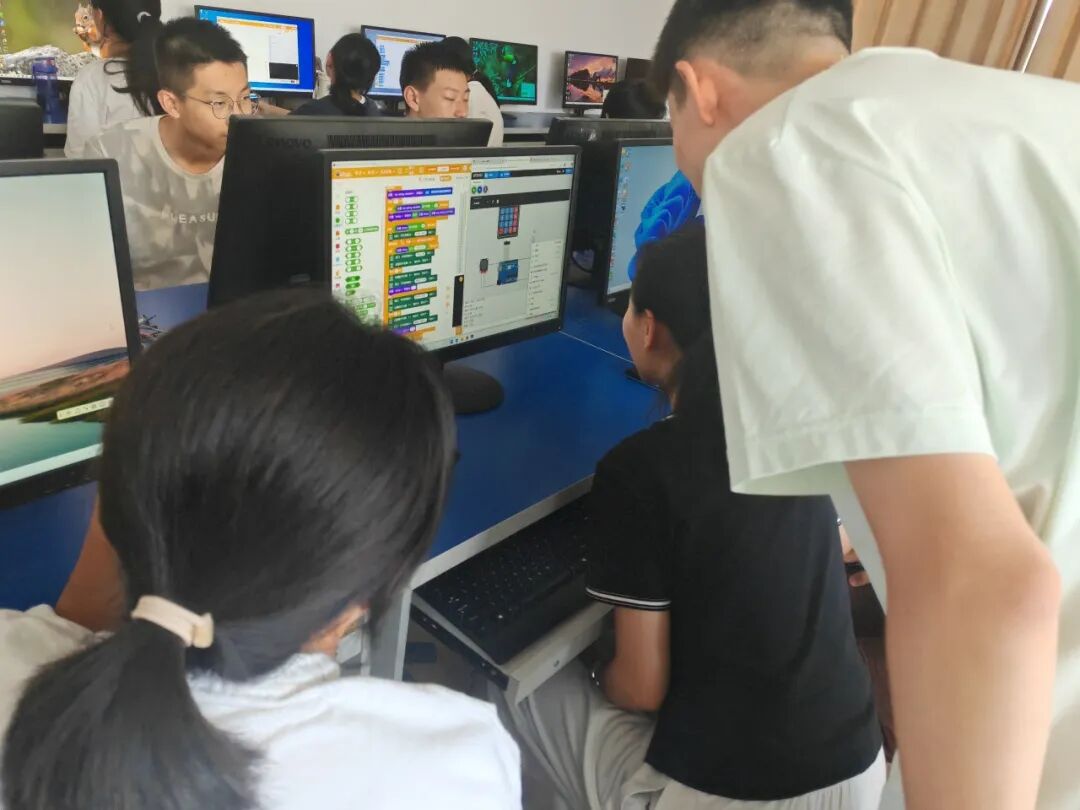
Yao Yao and Yang Boyao checking the software logic of the password lock with the students
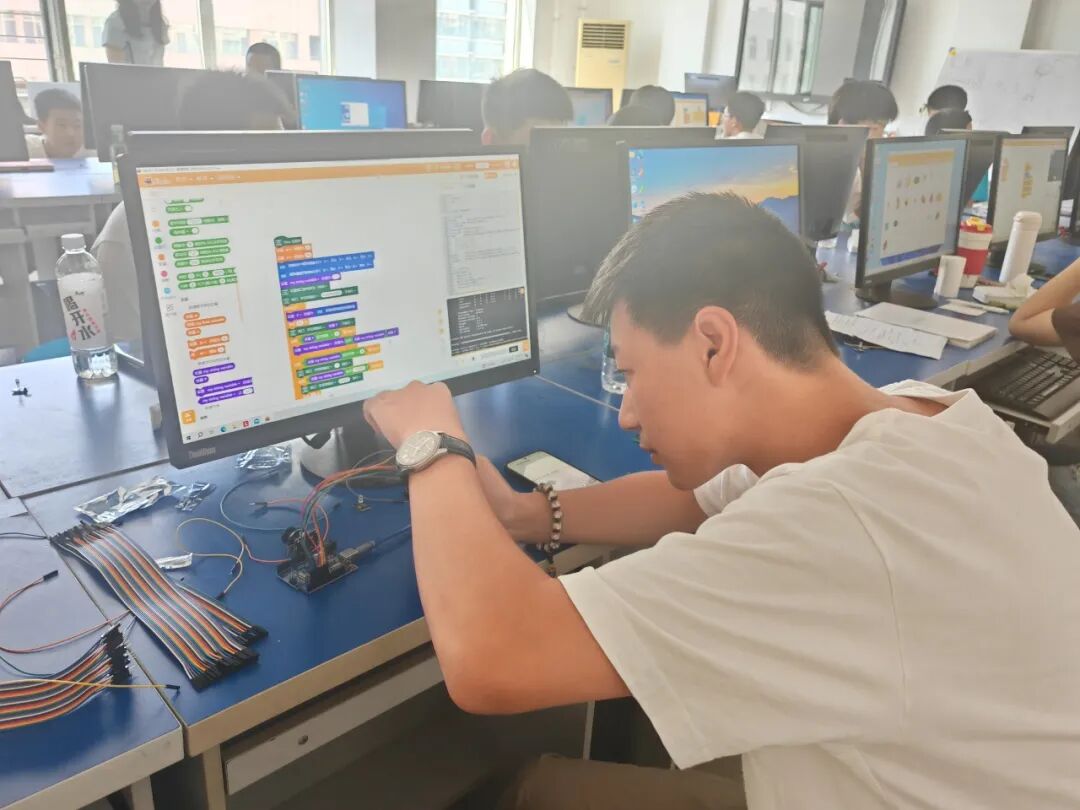
Students connecting circuits for programming
The closing ceremony followed the results showcase, where instructors presented certificates to the students. Subsequently, team leader Ding Boyao delivered a summary speech, reflecting on the gains and losses of the teaching support activities and expressing expectations for the students.

Ding Boyao delivering the summary speech
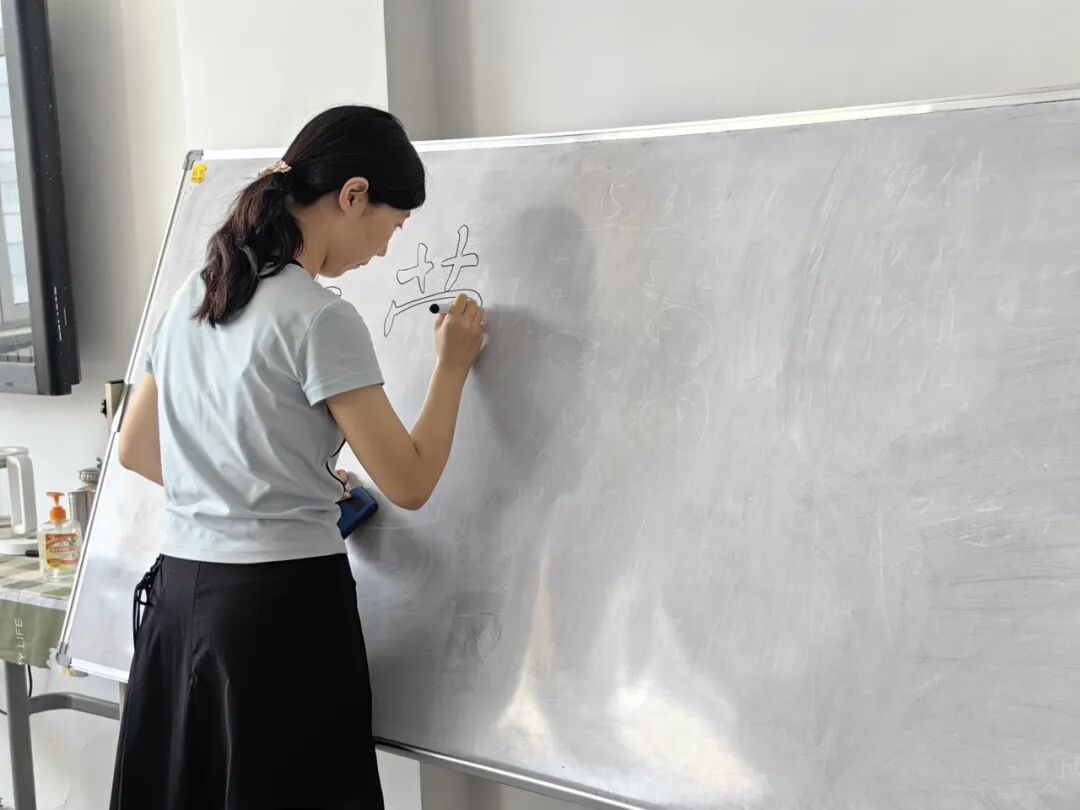
Wang Yifan setting up the background for the closing ceremony
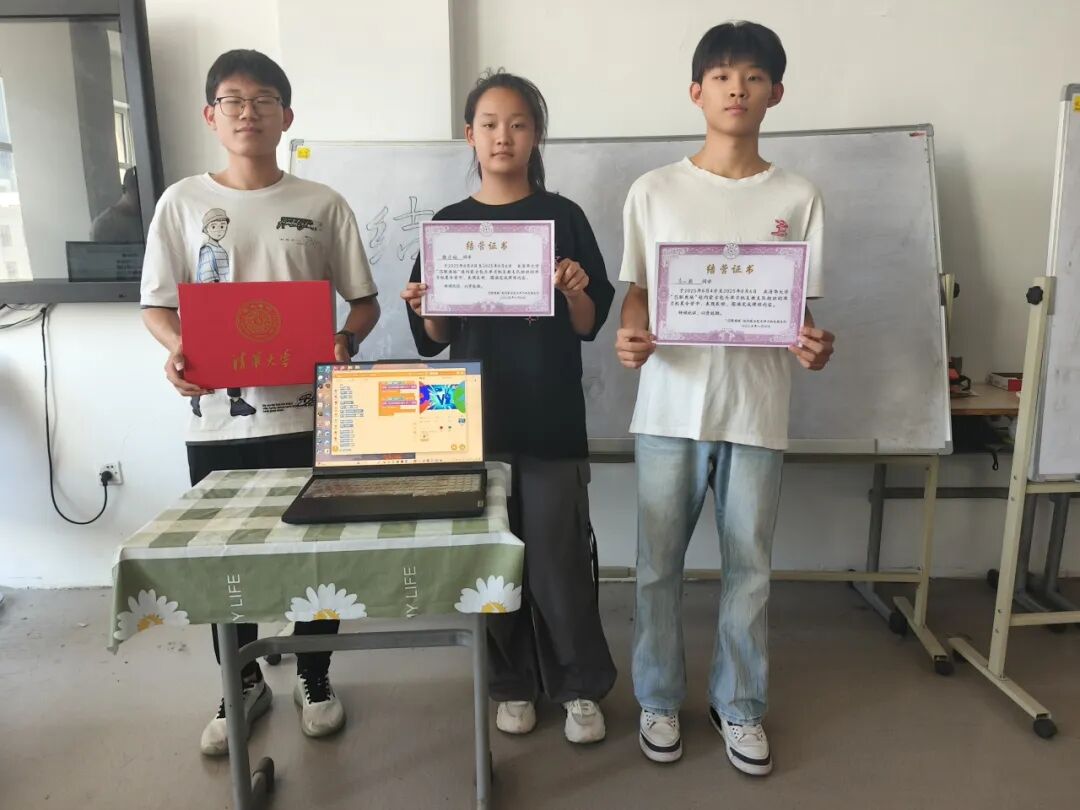
Peng Baixiang presenting certificates to the students
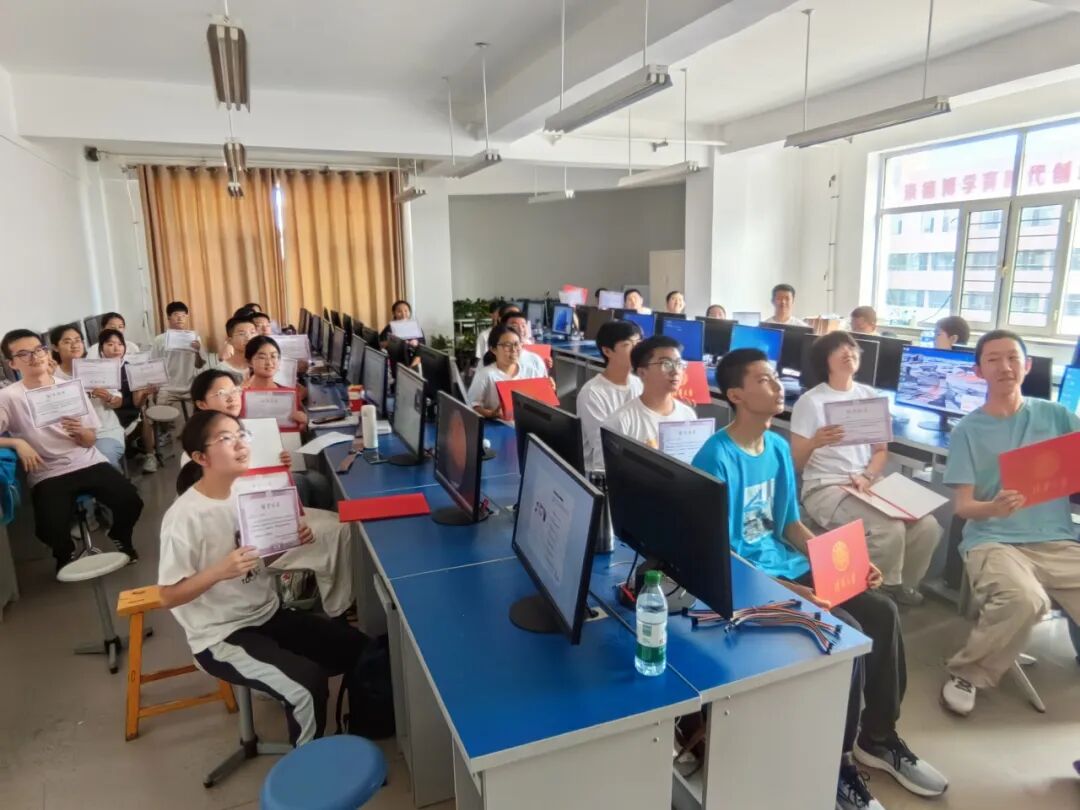
Students holding up their certificates for a group photo
Results of the Teaching Support
Dedicated to learning, diligent in practice


Before the teaching support, the team prepared thoroughly, paying close attention to student feedback during the teaching, and flexibly adjusting course arrangements and difficulty levels; after the teaching support, they collected student feedback to prepare for future teaching support. Through the joint efforts of the team members, the following results were achieved:
1 online microcontroller course platform
300+ pages of PPT
2000+ words of interviews
33 feedback questionnaires
Online Microcontroller Course Platform
During the preparation for the teaching support, the number of students interested in signing up far exceeded the number the team could accommodate, so they had to accept only a portion of the students. To make up for this shortcoming, an online microcontroller course platform was developed, integrating all course materials and accompanying exercises.
This platform includes all the course materials used during the teaching support and most of the exercises. Currently, it contains6 lectures, exercises6 sets, and a total of over300 pages of PPT, with detailed content. It includes an introduction to Mind+, hardware programming with Mind+, an introduction to C++, comprehensive design concepts and examples, sufficient to support students with no background in microcontrollers to gain a basic understanding.
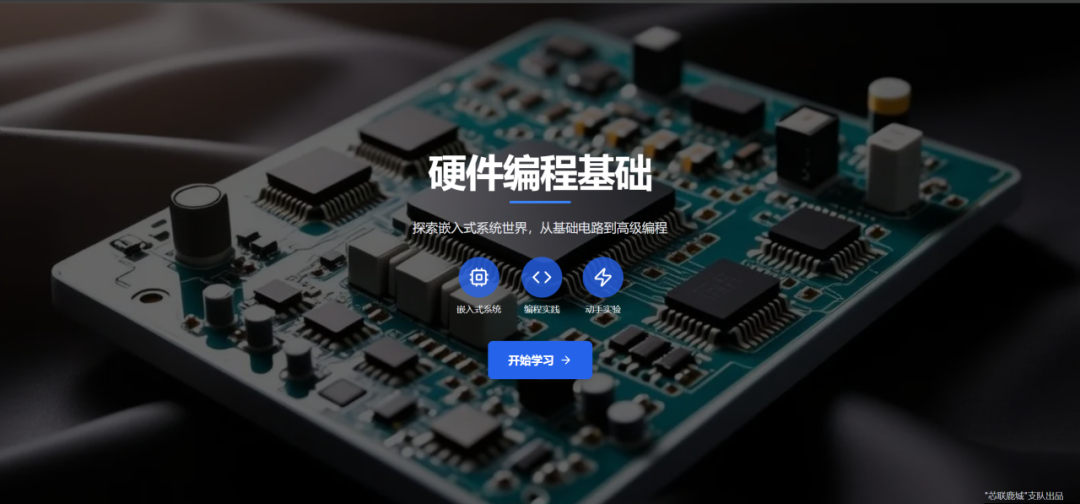
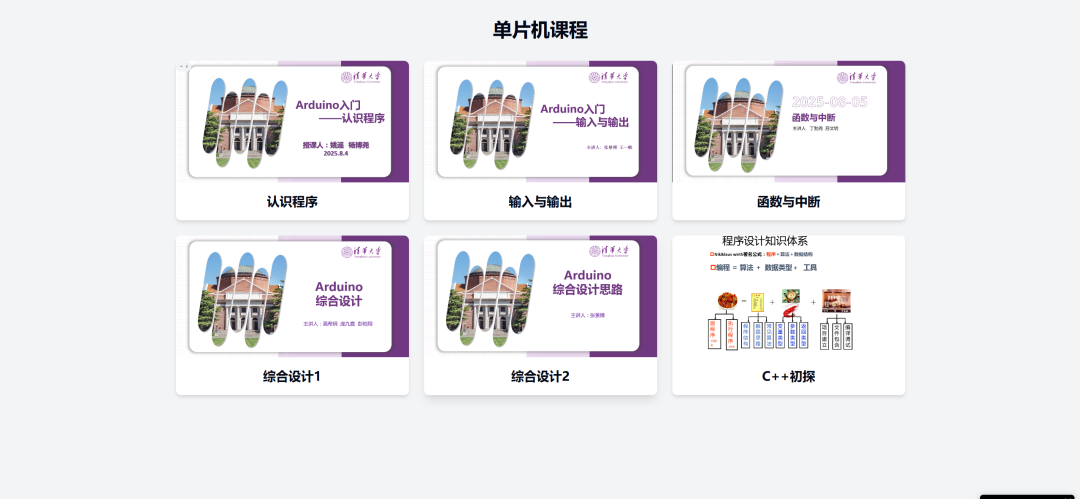
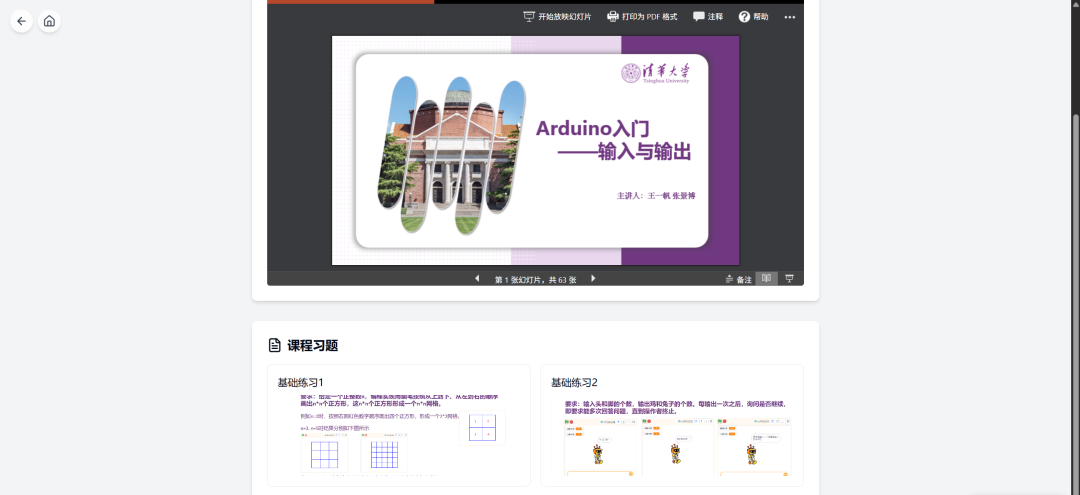
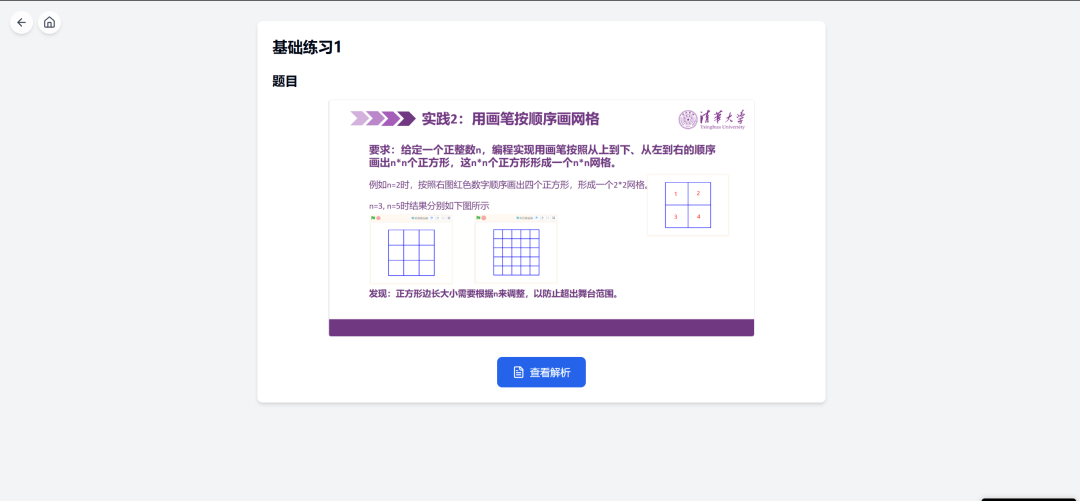
Web display
Course Feedback
Teaching support is not just a one-sided output; it is an equal dialogue between hearts. On the podium, we are the teachers delivering the course, but off the podium, we can also be friends who communicate at any time. From methodology exchanges to daily life, from university life to high school experiences, our communication with the students never ceased.
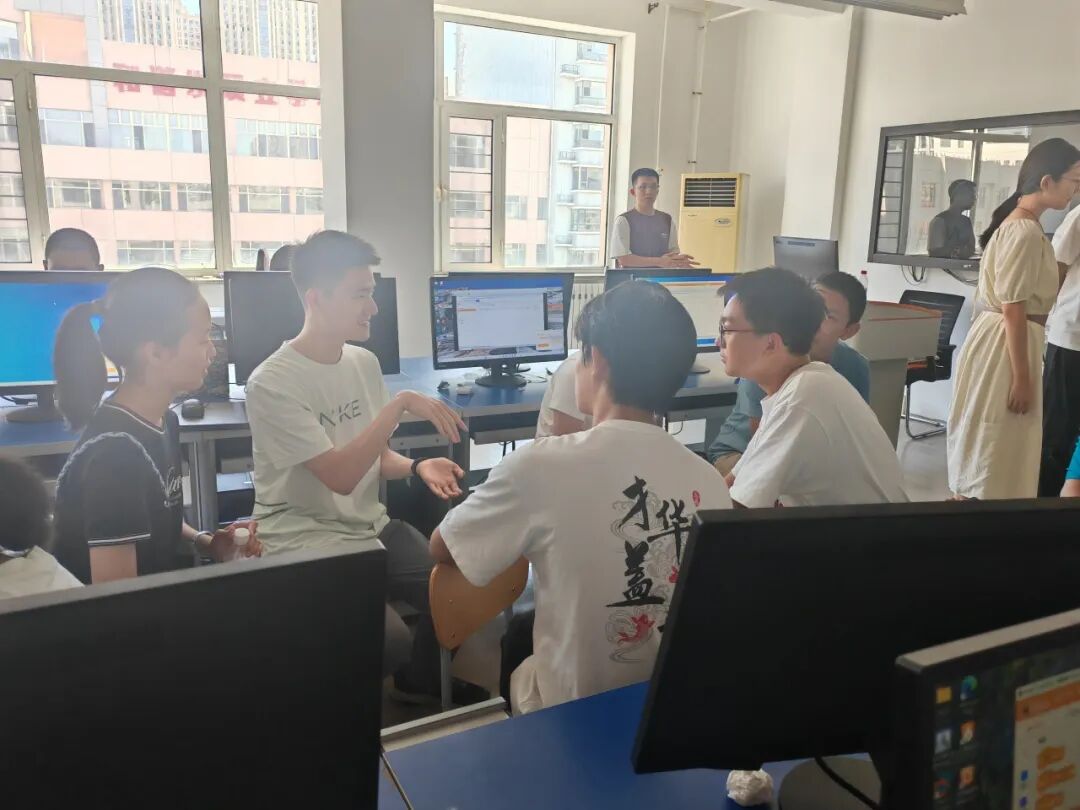
Communicating with students
We always pay attention to student feedback, flexibly adjusting course arrangements and difficulty levels. After the course, we distributed questionnaires to the students and received positive responses:
97% of students felt the course was “of moderate difficulty” or “a bit challenging but manageable”
75% of students believed the theoretical explanations were “very clear”
88% of students felt the practical operation guidance was “very sufficient”
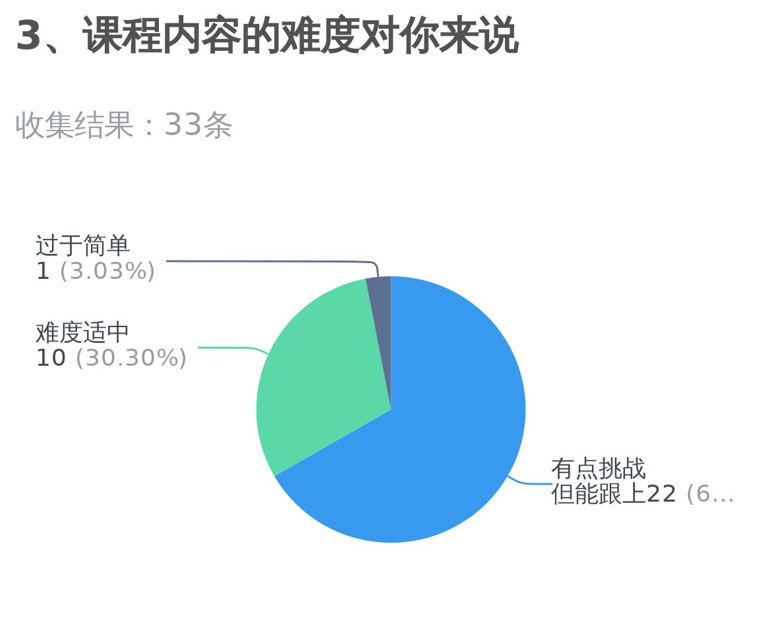
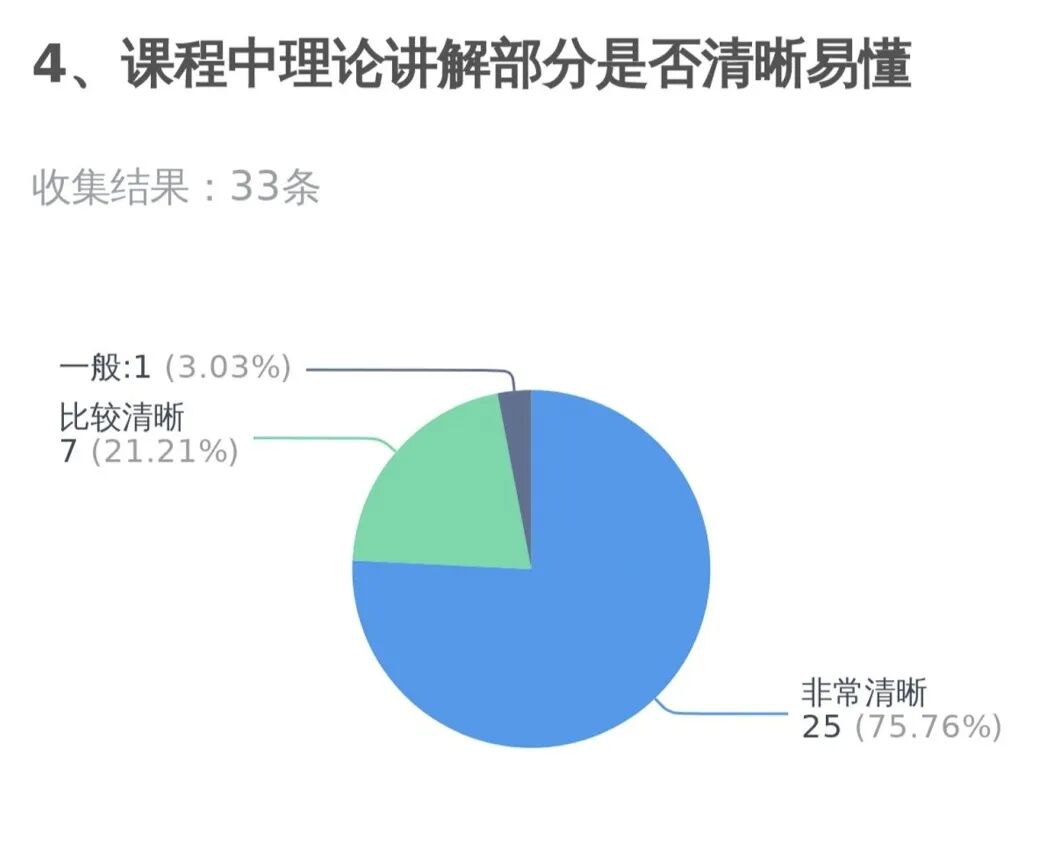
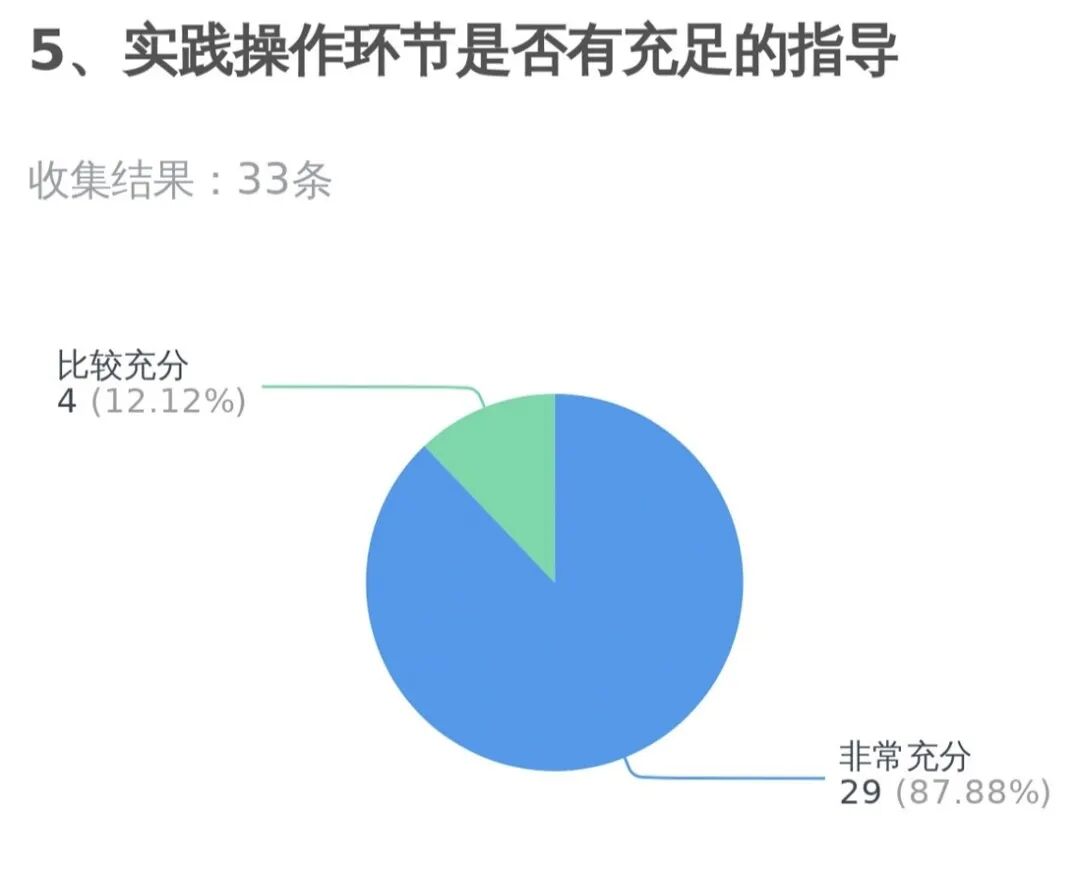
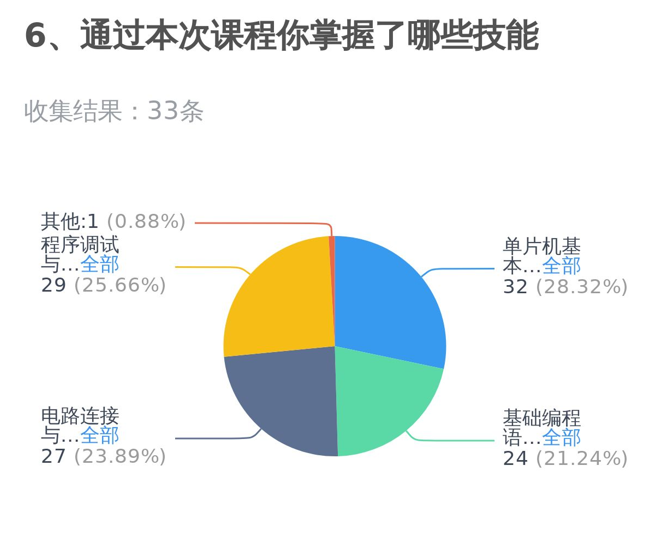
Some questionnaire results
Additionally, we conducted interviews with students participating in this microcontroller summer camp to gain a more nuanced understanding of their experiences. Through these interviews, we enhanced our understanding of the students.
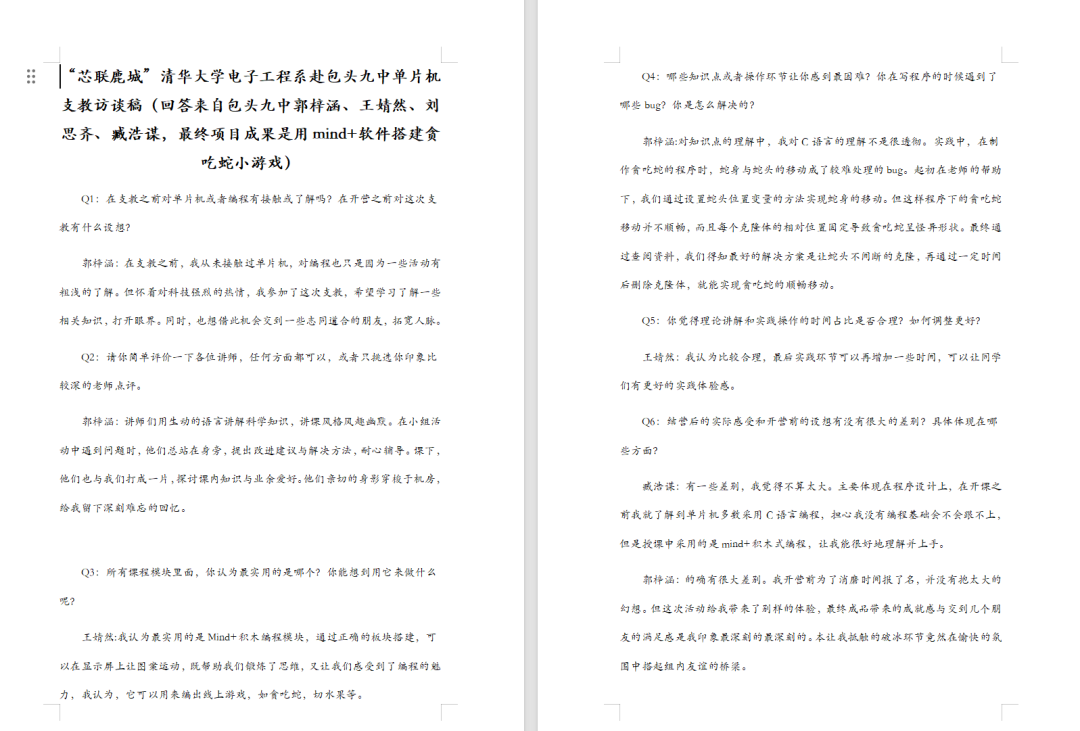
Some interview transcripts
Reflections
The flow of teaching is profound, and the path of understanding is far-reaching


Teaching support is most touching, and communication with high school students always evokes new sentiments and emotions. The transition from student to “teacher” also always brings forth reflections. Below are some thoughts from team members who participated in the teaching support.
During the three days of teaching support at Baotou No. 9 Middle School, my task was to teach high school students the basic principles and applications of microcontrollers. Contrary to my previous expectations, the students’ thirst for knowledge was much stronger than I anticipated. Although their foundation in electronics and programming was shallow, every time I demonstrated a small experiment, such as lighting an LED or controlling a button, the classroom would erupt with excited discussions and gasps of amazement. In that moment, I deeply felt the charm of technology education: it not only transmits knowledge but also ignites the curiosity for exploration.
At the same time, teaching support made me realize that teaching is a two-way communication and inspiration. To help students truly understand, I need to constantly shift perspectives, using relatable life analogies to explain abstract circuit logic; I also need to learn to guide through questions and interactions, rather than simply imparting knowledge. Although the three days of teaching were short, I saw students gradually able to write simple programs and debug small circuits, and that moment when their “eyes lit up” brought me the joy of being a “light-bringer”.
——Wang Yifan
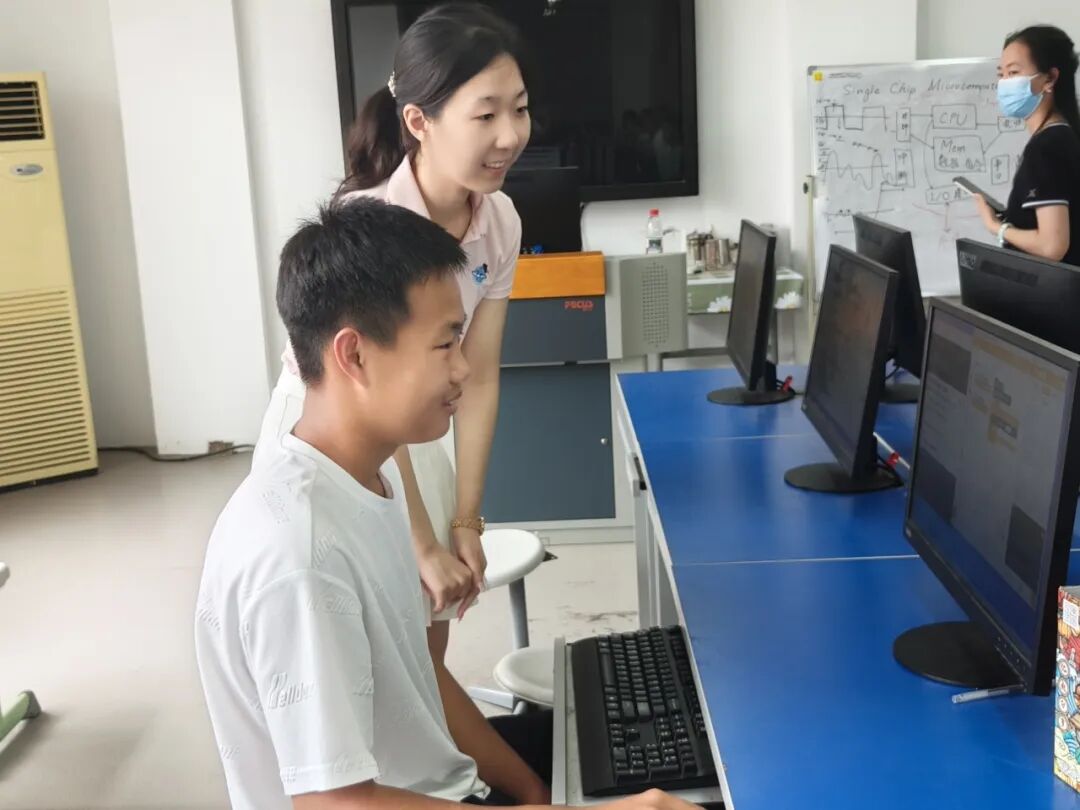
Wang Yifan answering questions
On the day we left Baotou, as the train started moving, I took one last look at the factories outside the window. During these eight days, the laughter in the classroom, the roar of the factories, and the breeze on the grassland all became unforgettable memories. I not only taught the children some knowledge about microcontrollers but also clarified my own direction during this journey: whether in teaching or in the technical field, it requires focus and dedication. The lessons this city taught me—respect for knowledge, a sense of responsibility, and the value of inheritance—will always remain in my heart, reminding me that no matter which path I take in the future, I must carry this understanding and move forward steadily.
——Yang Boyao
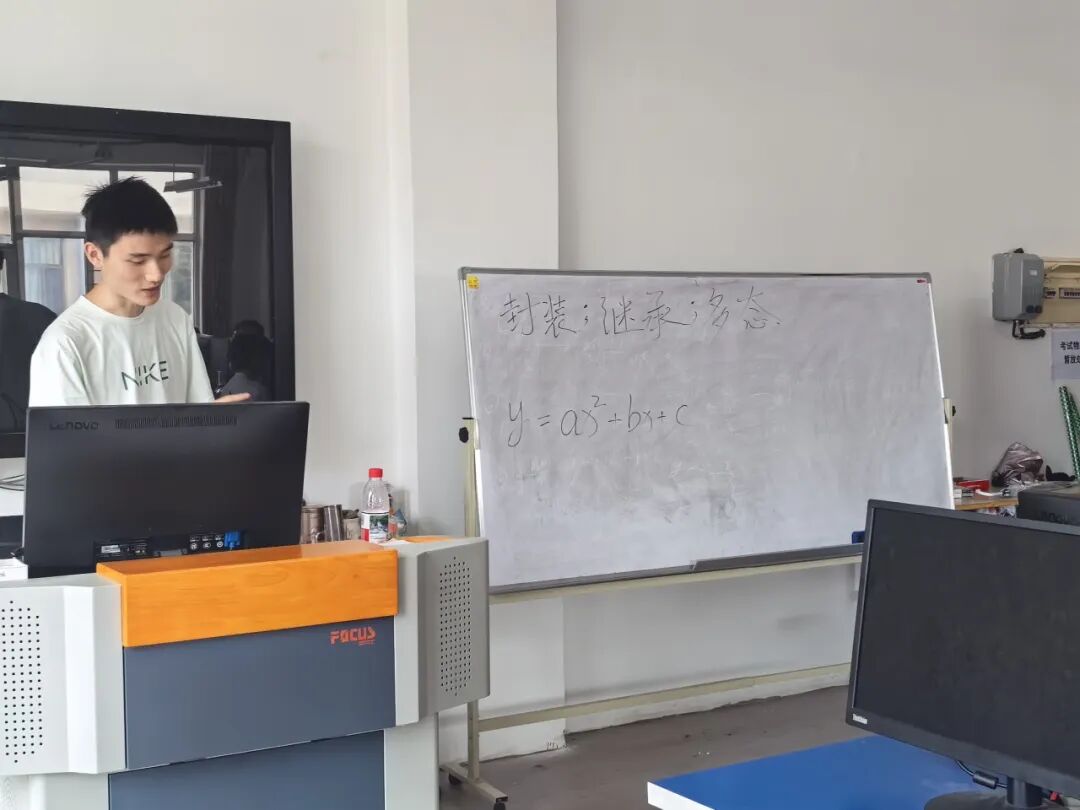
Yang Boyao conducting a lecture
Conclusion
RUSH TO BaoTou
Teaching with sincerity
On this journey through mountains and rivers, we use knowledge as a vessel to guide others and ourselves; in the future, across the vast galaxy, may the seeds of education nourish the hearts of children, and may time not betray our sincere intentions.
END.
Contributed by丨Electronics Department Youth League Volunteer Group
Reviewed by丨Hao Dazhong, Yan Xuan
Edited by丨Lin Yang