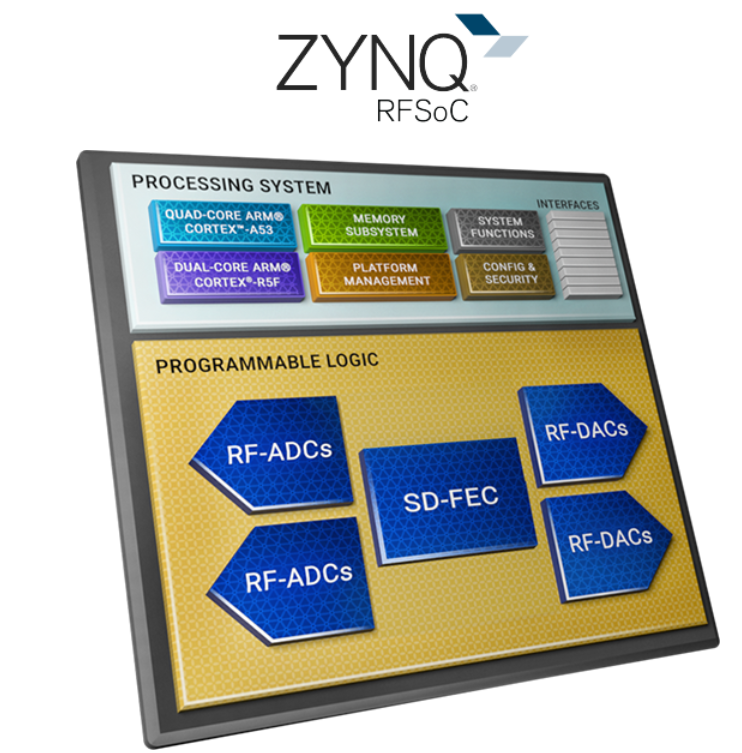
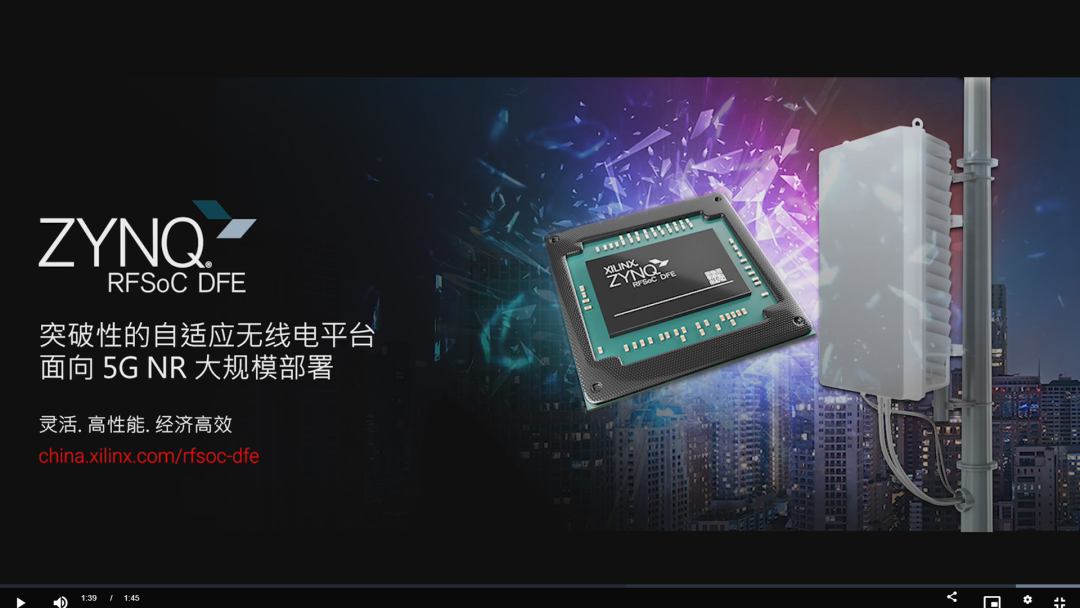
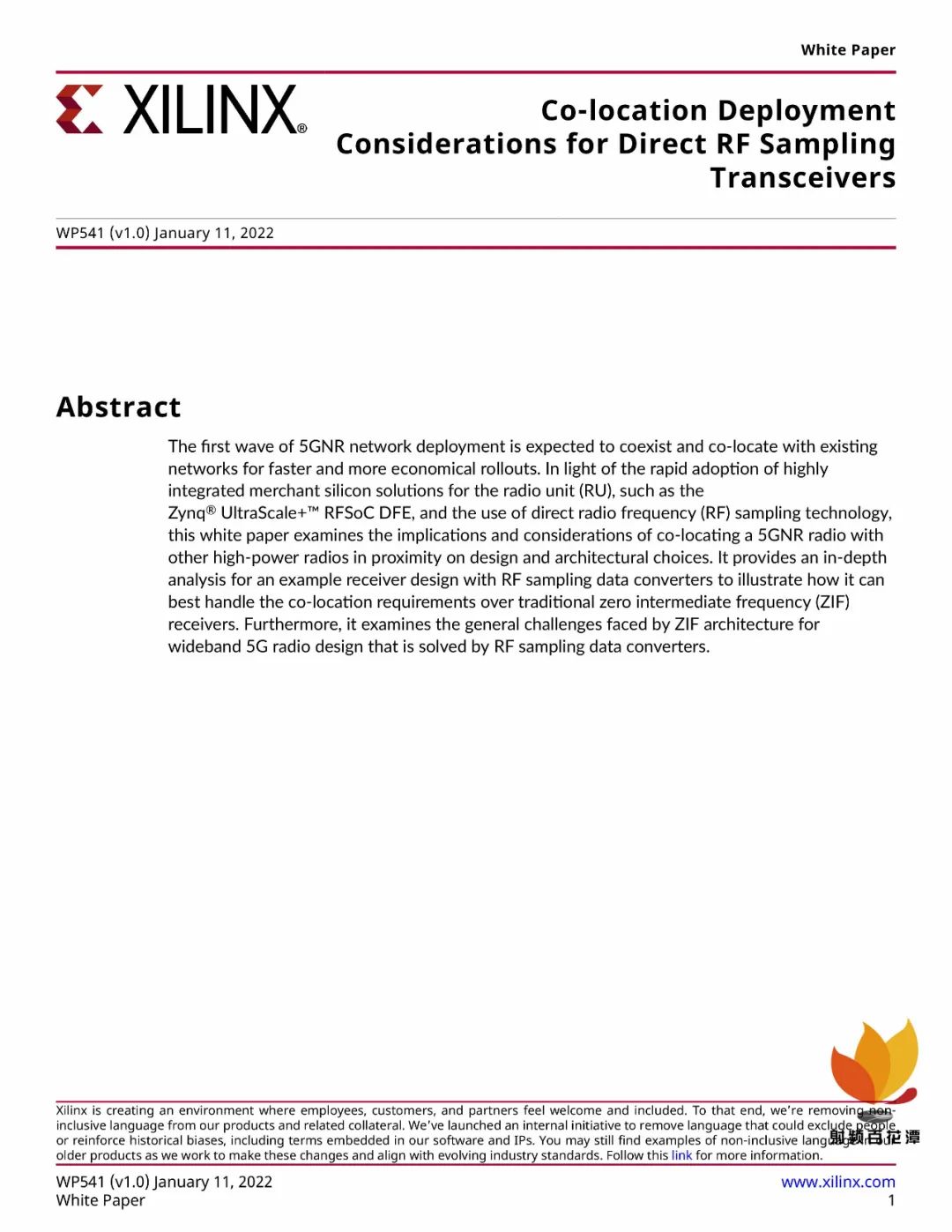
The first wave of 5G NR network deployment is expected to coexist with existing networks, allowing for quicker and more economical rollouts. Given the rapid adoption of highly integrated Radio Units (RUs) commercial silicon solutions, such as the Zynq® UltraScale+™ RFSoC DFE, and the use of direct radio frequency (RF) sampling technology,

This white paper explores the implications and considerations of co-locating 5G NR RF with other devices. Other high-power transceivers are very close in design and architectural choices. It provides an in-depth analysis of a receiver design example with RF sampling data converters to illustrate how to best meet the requirements of co-location compared to traditional zero-IF (ZIF) solutions. Furthermore, this article analyzes the general challenges faced by ZIF architectures in the coming years and how broadband 5G radio designs can be addressed through RF sampling data converters.
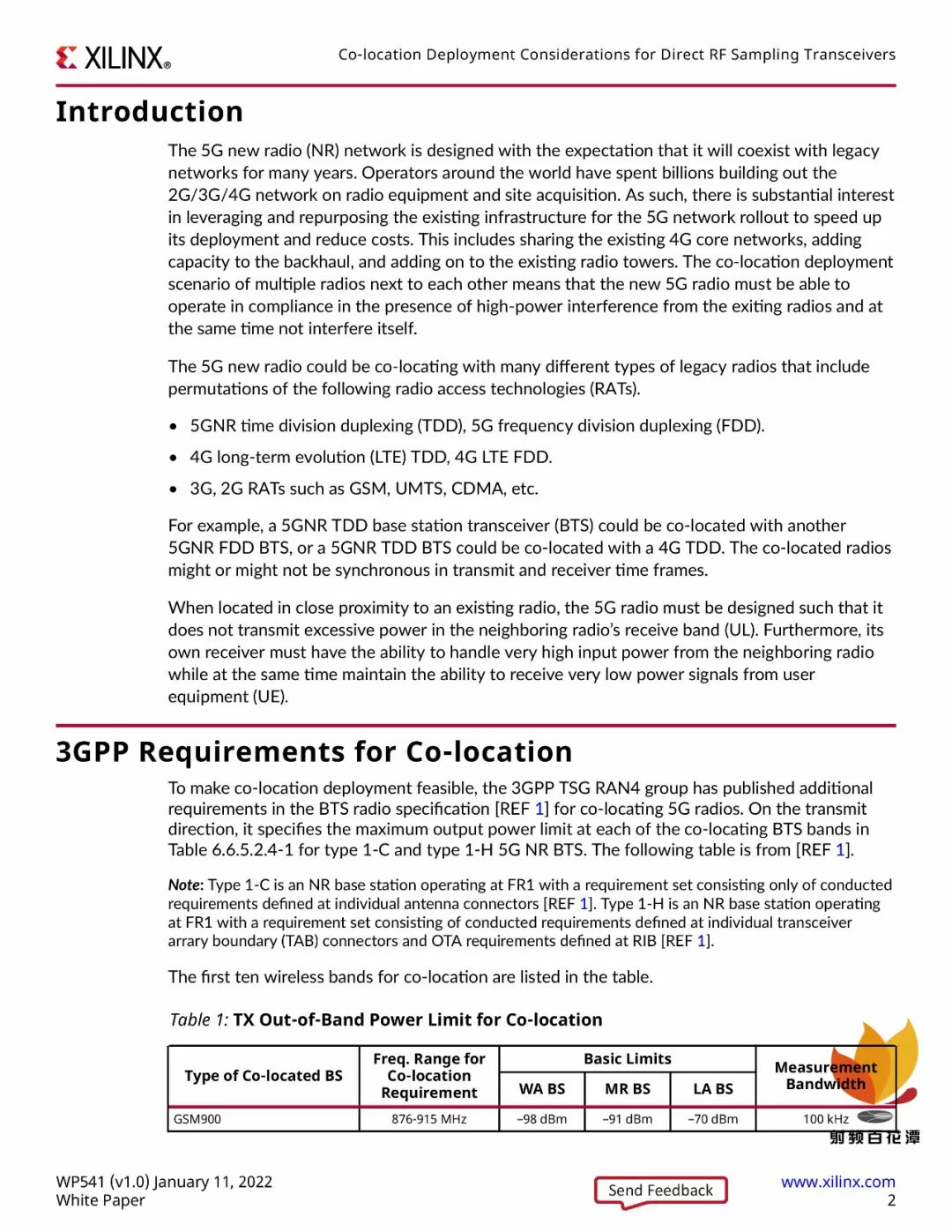
The design expectations for 5G New Radio (NR) networks are to coexist with traditional wireless networks that have been built over many years.Operators worldwide have spent billions of dollars building this urban 2G/3G/4G wireless equipment and base station network. Therefore, there is significant interest in leveraging existing infrastructure and repurposing it to expedite the rollout of 5G networks, reducing its deployment costs.This includes sharing existing 4G core networks to increase backhaul capacity and augmenting the capacity of existing radio transmission towers. Deploying multiple transceivers at the same location in adjacent scenarios means that new 5G radios must be able tooperate in the presence of high-power interference from existing radios while not interfering with themselves.
5G new transceivers can share operation with many different types of traditional radios, including:
The following arrangements of Radio Access Technologies (RAT):
• 5G NR Time Division Duplex (TDD), 5G Frequency Division Duplex (FDD).
• 4G Long Term Evolution (LTE) TDD, 4G LTE FDD.
• 3G, 2G RATs such as GSM, UMTS, CDMA, etc.
For example, a 5G NR TDD base station transceiver (BTS) can share the same location with another base station transceiver (BTS), while a 5G NR FDD BTS or 5G NR TDD BTS can coexist with a 4G TDD BTS.
Co-located radios may be synchronized in their transmission and reception time frames, or they may not be synchronized.
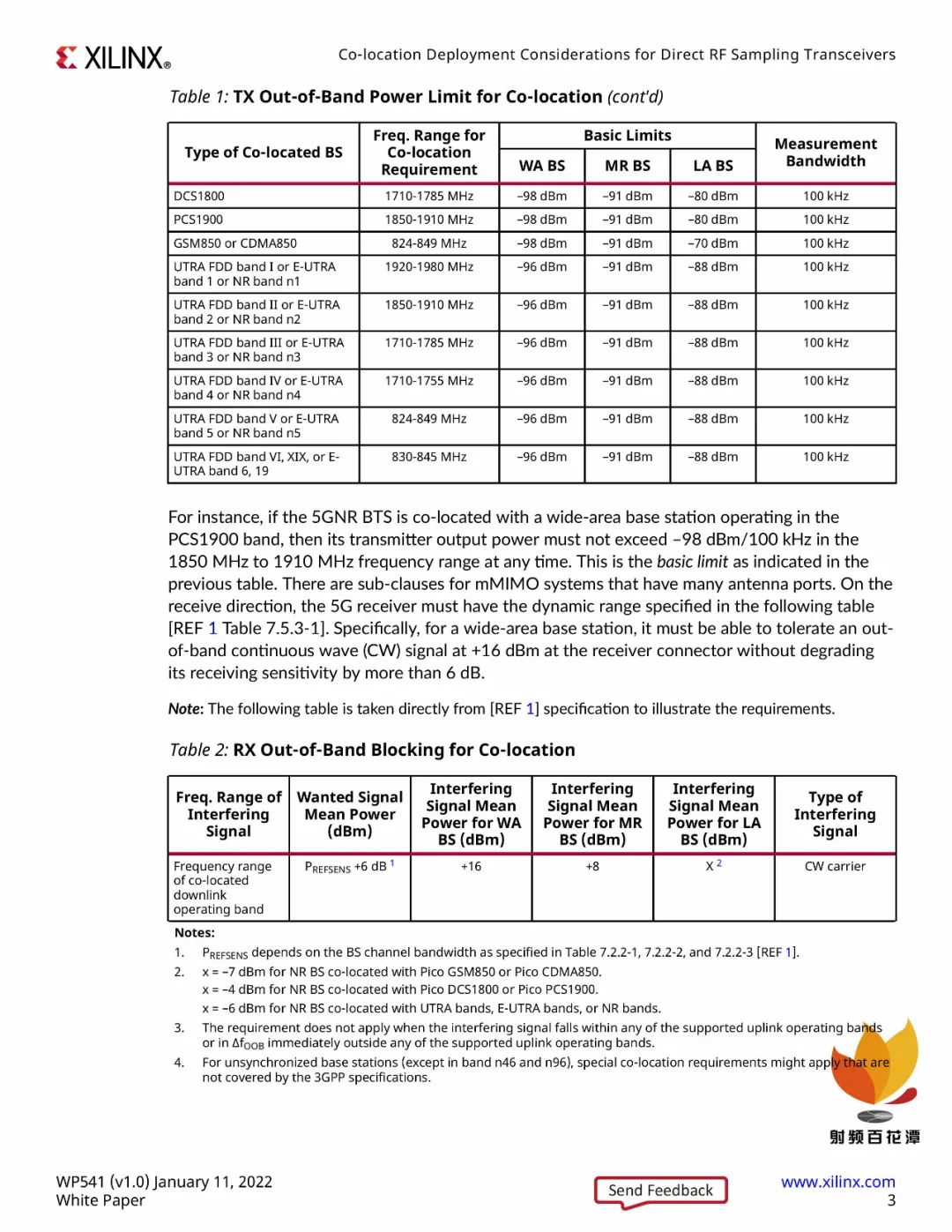
When 5G transceivers are close to existing transceivers, their design must ensure that they do not transmit excessive power into the adjacent radios’ receiving bands (UL). Additionally, their own receivers must be capable of handling very high input power from adjacent radios while maintaining the ability to receive extremely low-power signals from user equipment (UE).
Disclaimer:
This account maintains neutrality regarding all original and reprinted articles’ statements and viewpoints, and the articles pushed are for readers’ learning and communication purposes only. The copyright of the articles, images, etc., belongs to the original authors.
For submissions/recruitment/promotion/advertising, please add WeChat: 15989459034