
Research Team: Hu Jia, Simone Baldi
Corresponding Institution: Southeast University
Article Status: Latest accepted by IEEE TVT
Article Link:
https://ieeexplore.ieee.org/abstract/document/11084957
A Multi-Scale Spatial-Temporal Interactive Attention Network for Traffic Forecasting
1
Research Significance
Traffic state prediction can support decision-making for travelers and traffic managers. However, the complex spatial-temporal correlations in traffic data make prediction challenging. Most advanced methods adopt a point-to-point modeling paradigm, often neglecting the dependencies between multiple time scales and multiple spatial scales. Moreover, although various attention-based mechanisms have been developed to characterize complex spatial-temporal dependencies, the quadratic time complexity of these mechanisms severely impacts their scalability in large road networks. To address these issues, we propose a novel Multi-Scale Spatial-Temporal Attention Network (MSSTAN). This method aggregates traffic data into sub-sequence patches and captures comprehensive spatial-temporal correlations that point-to-point methods cannot cover through a patch-to-patch approach. MSSTAN also incorporates a new attention mechanism that effectively models spatial-temporal correlations while reducing the quadratic complexity of existing attention mechanisms. Extensive comparisons with over ten state-of-the-art methods on five traffic datasets demonstrate that the proposed MSSTAN outperforms existing models in both short-term and long-term predictions.
2
Work of This Paper
The traffic road network exhibits strong non-Euclidean and dynamic characteristics, making it difficult for standard GCNs to fully capture its spatial correlations; directly stacking attention mechanisms onto complex GCNs leads to computational and hardware bottlenecks due to the quadratic growth of attention complexity with the number of nodes. Therefore, this paper proposes the Multi-Scale Spatial-Temporal Attention Network (MSSTAN). The core idea is to aggregate the original sequence into sub-sequence patches and perform “patch-to-patch” modeling at multiple scales to compensate for the cross-scale spatial-temporal dependencies that traditional point-to-point methods struggle to cover. Furthermore, this paper designs a patch-level spatial-temporal attention mechanism: in the temporal dimension, attention is calculated through sub-sequence patches to mitigate the influence of outliers; in the spatial dimension, the matching degree between target nodes and regions is measured using representative points/cluster centers, significantly reducing the quadratic complexity of traditional attention.
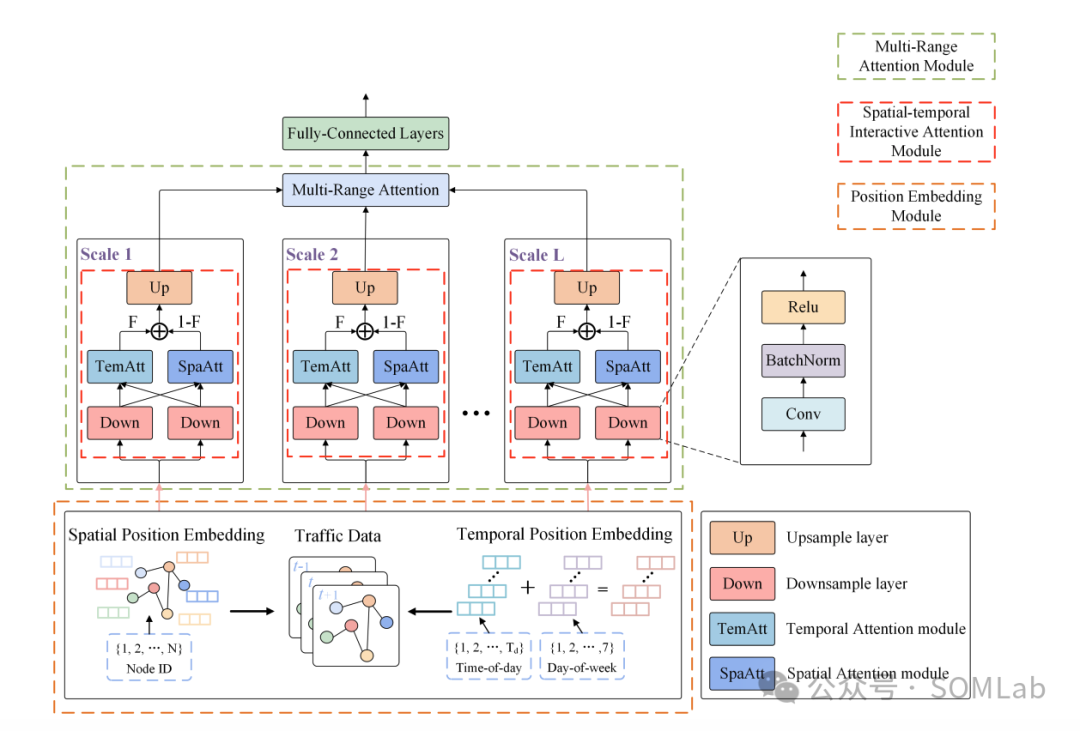
Figure 1. Overall architecture of the proposed MSSTAN model
Experimental Results
1. Long-term Prediction Performance Experiment
To validate long-term prediction performance, we extended the time span to 2 hours and provided prediction results for 30 minutes, 60 minutes, 90 minutes, and 120 minutes. This section selects four well-performing baseline models: ASTGCN, STSGCN, GMAN, and DSTAGNN for comparison with the proposed MSSTAN. The comparison results based on PEMS04 and PEMS08 are shown in Tables 1 and 2. The results indicate that, except for the 120-minute prediction on PEMS08 where GMAN achieved the best performance, MSSTAN outperformed existing models in most prediction spans. This indicates that MSSTAN possesses consistent advantages and long-range generalization capabilities across datasets and multiple time domains, demonstrating greater robustness and practical value in long-term prediction scenarios.
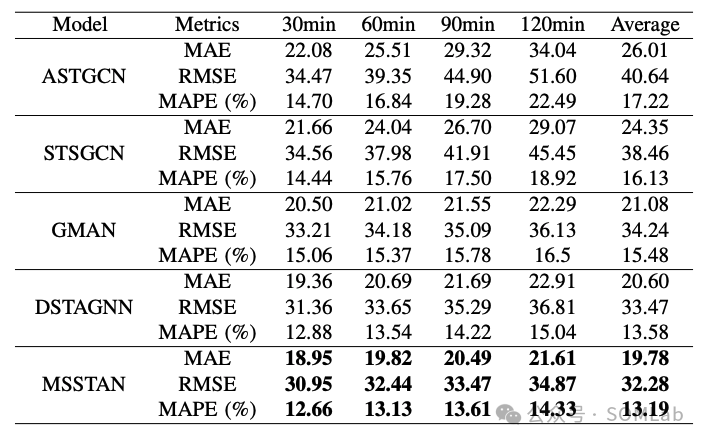
Table 1. Long-term prediction results on the PEMS04 dataset
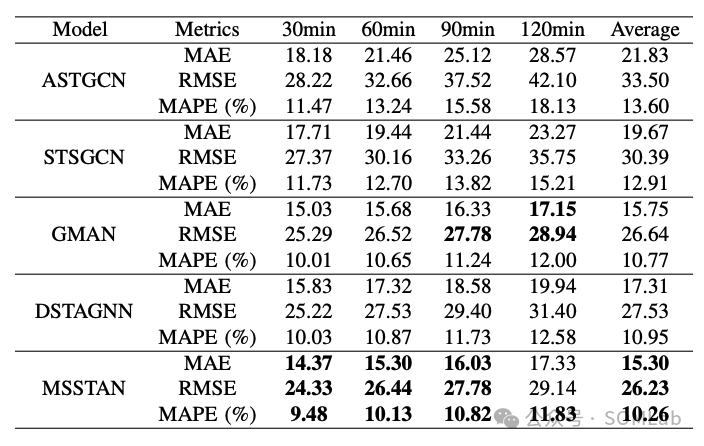
Table 2. Long-term prediction results on the PEMS08 dataset
2. Prediction Performance Comparison on Subway Crowd Flow Dataset
We further validated the performance of MSSTAN on the Hangzhou subway passenger flow dataset. This dataset includes 80 subway stations, with a time range from January 1, 2019, to January 26, 2019. The original passenger flow data is aggregated at 5-minute intervals, including both entry and exit metrics. Table 3 presents the comparison results of MSSTAN with other advanced models. Notably, MSSTAN achieved the best performance in MAE, RMSE, and MAPE metrics. Models like DCRNN and STSGCN performed poorly primarily due to the weak spatial correlations in this dataset. Among existing methods, GMAN is the second-best, attributed to its simultaneous modeling of historical time steps and “future history” dependencies through temporal and transformation attention. However, MSSTAN’s performance still leads GMAN by several decimal places, indicating its stronger ability to characterize multi-scale temporal correlations in this dataset.
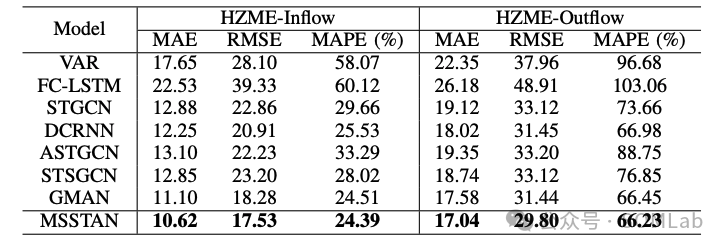
Table 3. Long-term prediction results on the HZME dataset
3. Computational Efficiency Research Analysis
To comprehensively evaluate the performance of MSSTAN, we compared its computational overhead with three models (STSGCN, GMAN, DSTAGNN) on PEMS04 and PEMS08. The computational study includes training/inference time and GPU memory usage. From Table 4, we conclude that MSSTAN has a parameter count of 0.52M on PEMS04 and 0.51M on PEMS08, which is relatively small among the methods, second only to GMAN (0.21M) with the fewest parameters. In contrast, MSSTAN’s parameter count is an order of magnitude lower than STSGCN and DSTAGNN. Compared to other models (especially attention models like DSTAGNN), MSSTAN has significantly shorter training times; its inference time is only second to STSGCN. During the training phase, MSSTAN is slightly slower than STSGCN; however, in the inference phase, MSSTAN is the fastest. It should be noted that STSGCN only models local spatial-temporal dependencies and does not cover global spatial-temporal correlations between nodes, hence its faster speed. Compared to GMAN and DSTAGNN, which include standard attention, MSSTAN’s regional representation strategy significantly reduces the computational complexity of standard attention. In terms of GPU memory usage, MSSTAN occupies 27% on PEMS04 and 20% on PEMS08, making it the least memory-intensive among all methods. The smaller memory and computational overhead indicate lower hardware requirements. In summary, MSSTAN demonstrates advantages in parameter scale, inference time, training time, memory usage, and computational complexity, indicating its good engineering usability and reproducibility across different hardware platforms.
4. Visualization Analysis Experiment
Finally, we visualized the prediction results of MSSTAN on PEMS04 and PEMS08 in Figures 2-5. It can be observed that there are multiple outliers and even missing data in the real-time series; nevertheless, MSSTAN can still accurately predict traffic values by smoothing the impact of anomalies and missing data, further emphasizing the importance of capturing multi-scale behaviors. To gain a more comprehensive understanding of the model’s performance across the entire prediction range, the curve showing error variation over time indicates overall small fluctuations, demonstrating the model’s robustness in handling outliers and responding to traffic flow changes. The relationship between error and flow also indicates that MSSTAN maintains stability when dealing with different flow levels (high, normal, low). Overall, these visualization results validate the stability and robustness of MSSTAN.
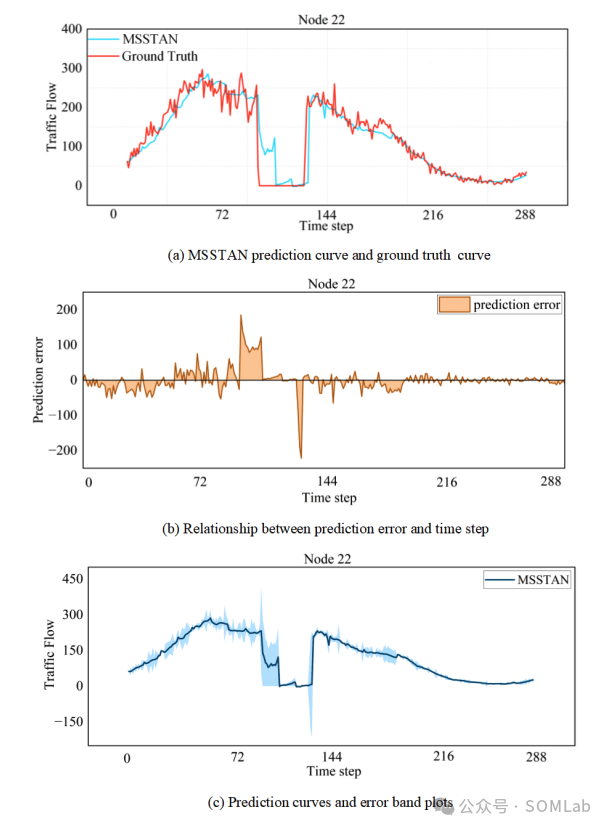
Figure 2. Visualization results for node 22 on the PEMS04 dataset
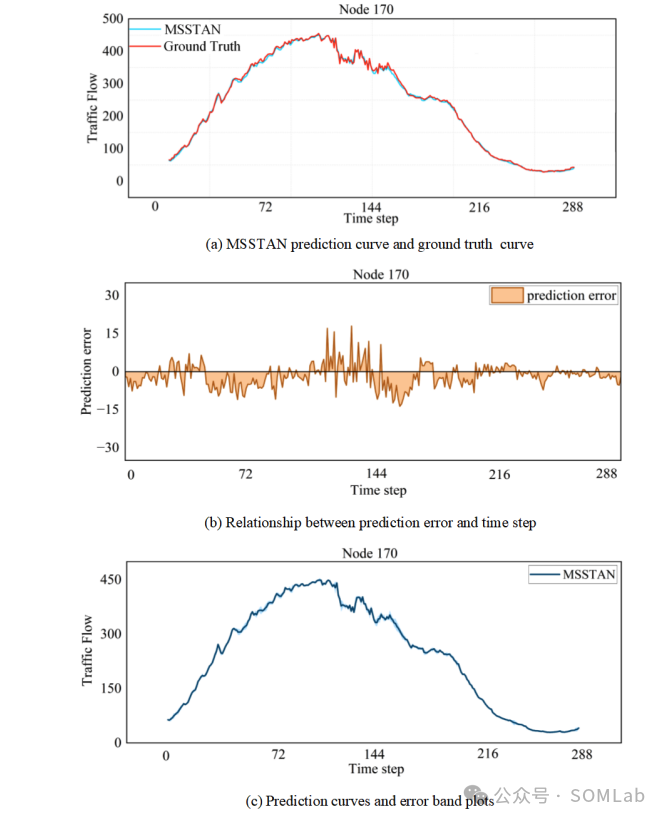
Figure 3. Visualization results for node 170 on the PEMS04 dataset
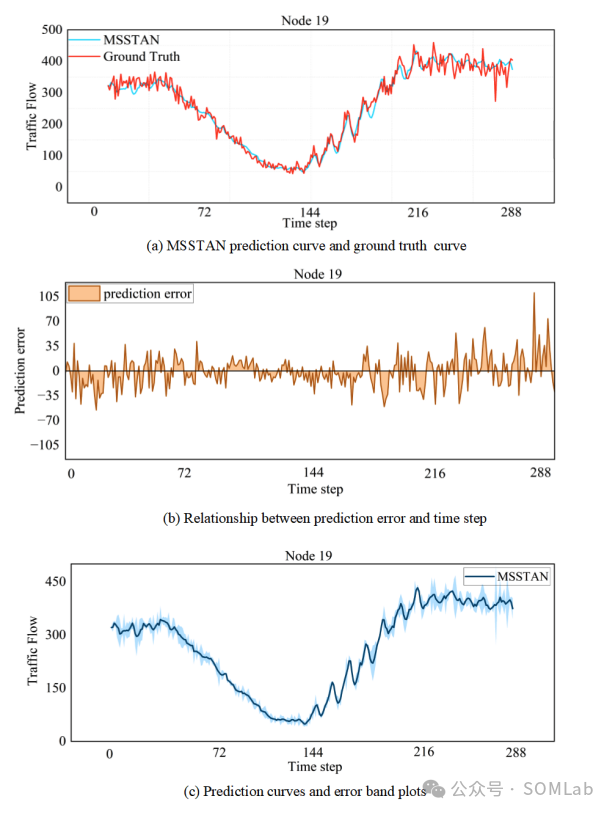
Figure 4. Visualization results for node 19 on the PEMS08 dataset
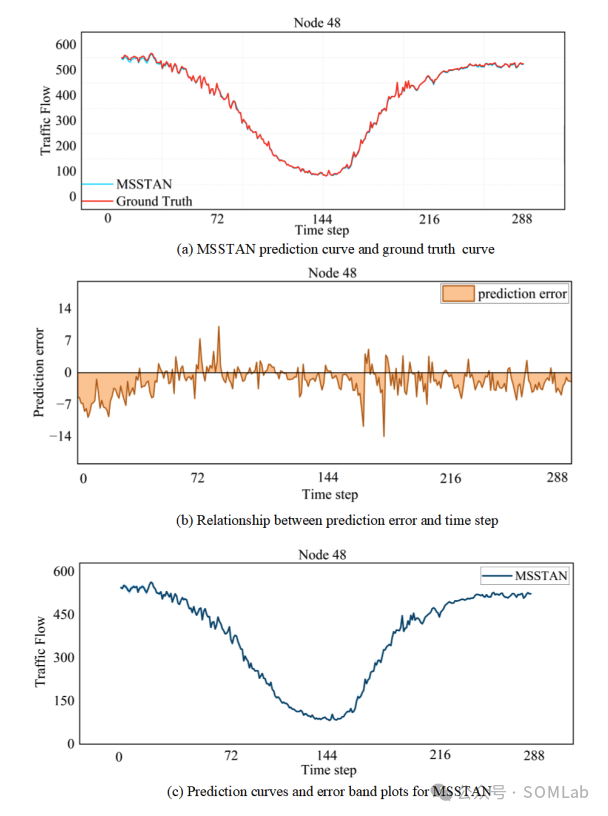
Figure 5. Visualization results for node 48 on the PEMS08 dataset
Text by|Hu Jia
Layout by|Su Dongdong
Reviewed by|Liu Di