Click the blue text above to follow us

📋📋📋 The content of this article is as follows: 🎁🎁🎁
Directory
⛳️ Gift to readers
💥1 Overview
📚2 Operating Results
🎉3 References
🌈4 Matlab Code and Data



Gift to readers

👨💻 Conducting research involves a profound system of thought, requiring researchers to be logical, meticulous, and serious. However, effort alone is not enough; leveraging resources is often more important. Additionally, one must have innovative ideas and inspirations. When a philosophy teacher asks what science is or what electricity is, do not find these questions amusing. Philosophy is the mother of science, pursuing ultimate questions and seeking those self-evident questions that only children would ask but you cannot answer. It is recommended that readers browse in the order of the directory to avoid suddenly falling into a dark maze without finding their way back. This may not reveal all the answers to your questions, but if it can raise clouds of doubt in your mind, it may create a beautiful sunset. If it brings you a spiritual downpour, take the opportunity to brush off the dust that has settled on your ‘lying flat’ state. Perhaps, after the rain, the world will be clearer…🔎🔎🔎



1 Overview

Currently, with the rapid development of clean energy and the continuous advancement of smart grid technology, energy storage technology plays an increasingly important role in power systems. Energy storage systems can provide flexible power regulation capabilities under conditions of large fluctuations in grid load and clean energy, supporting the safe and stable operation of power systems. Among them, the spot electricity and frequency regulation auxiliary service market is one of the important ways for energy storage to participate in the electricity market. In the spot electricity and frequency regulation auxiliary service market, energy storage systems can provide frequency regulation auxiliary services through dual-layer trading. In the first layer of trading, energy storage systems can acquire electricity through market transactions to meet their own energy needs; in the second layer of trading, energy storage systems can provide frequency regulation auxiliary services by participating in the frequency regulation market, supporting the frequency stability of the power system. The dual-layer trading decision problem for energy storage participation in the spot electricity and frequency regulation auxiliary service market requires in-depth research and analysis. First, an optimization model that comprehensively considers the energy scheduling of energy storage systems and the provision of frequency regulation auxiliary services needs to be established to maximize the economic benefits and frequency regulation service quality of the energy storage system. Second, factors such as market rules, market prices, and market demand must be considered to influence the decision-making of energy storage systems and develop effective trading strategies. When conducting research, the following aspects can be considered: 1. Energy scheduling model of energy storage systems: Establish an energy scheduling model for energy storage systems, considering the charging and discharging behavior, storage capacity, and charging/discharging efficiency, so that the energy storage system can effectively acquire electricity in the first layer of trading. 2. Frequency regulation auxiliary service provision model: Establish a model for providing frequency regulation auxiliary services by energy storage systems, considering the power characteristics, response speed, and frequency regulation capability of the energy storage system, so that it can effectively provide frequency regulation auxiliary services in the second layer of trading. 3. Market rules and pricing mechanisms: Analyze the market rules and pricing mechanisms of the spot electricity and frequency regulation auxiliary service market, understand market demand and competition, and develop reasonable trading strategies. 4. System simulation and emulation: Through system simulation and emulation analysis, evaluate the trading decision effects of energy storage systems in the spot electricity and frequency regulation auxiliary service market to guide practical applications. Through in-depth research on the dual-layer trading decision for energy storage participation in the spot electricity and frequency regulation auxiliary service market, the economic benefits and frequency regulation service quality of energy storage systems can be effectively improved, promoting the large-scale application of clean energy and the construction of smart grids. This research aims to construct a dual-layer market trading decision model, maximizing the revenue of energy storage stations as the upper-level goal, and developing appropriate bidding strategies; at the same time, achieving joint clearing in the electricity and frequency regulation auxiliary service market at the lower level. We used the KKT conditions to transform the dual-layer model into a single-layer optimization problem for solving. In this process, we referred to relevant literature and used traditional KKT transformation methods for solving. For beginners, we provide two reference articles to help understand and reproduce the solution process of the dual-layer model. In the upper layer of the model, we focus on the revenue maximization problem of energy storage stations, which involves developing reasonable bidding strategies. We will fully consider the operating costs, market demand, and competition of energy storage stations to ensure maximum economic benefits in market transactions. In the lower layer of the model, we focus on how to achieve joint clearing in the electricity and frequency regulation auxiliary service market to ensure the frequency stability and safe operation of the power system. We will comprehensively consider the power characteristics and response speed of energy storage stations to develop corresponding frequency regulation auxiliary service strategies to meet market demand and provide high-quality frequency regulation services. Through the in-depth discussion and analysis of this research, we aim to provide theoretical support and practical guidance for the dual-layer trading decision problem of energy storage participation in the spot electricity and frequency regulation auxiliary service market. At the same time, our work also provides a clear and understandable method for beginners to help them understand and apply the basic principles and techniques of solving dual-layer models.


2 Operating Results

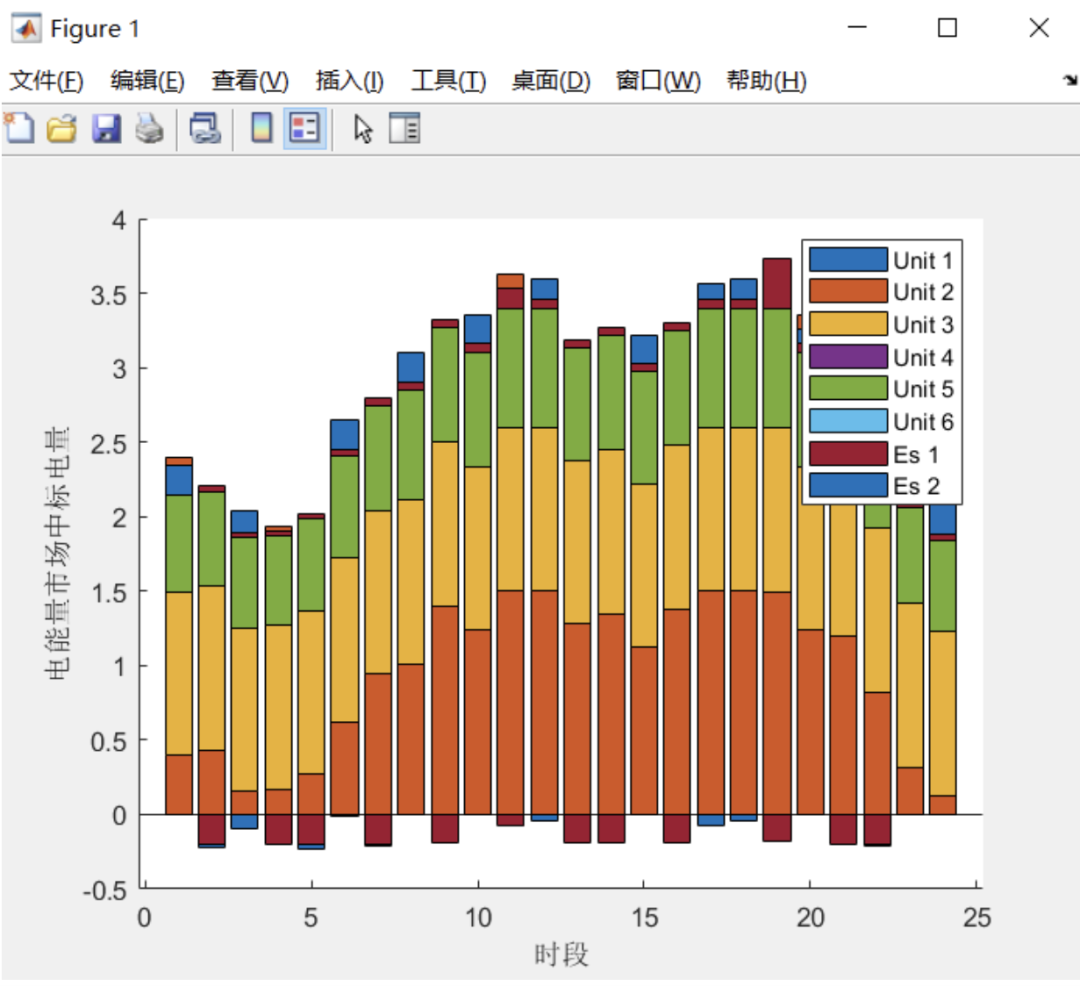
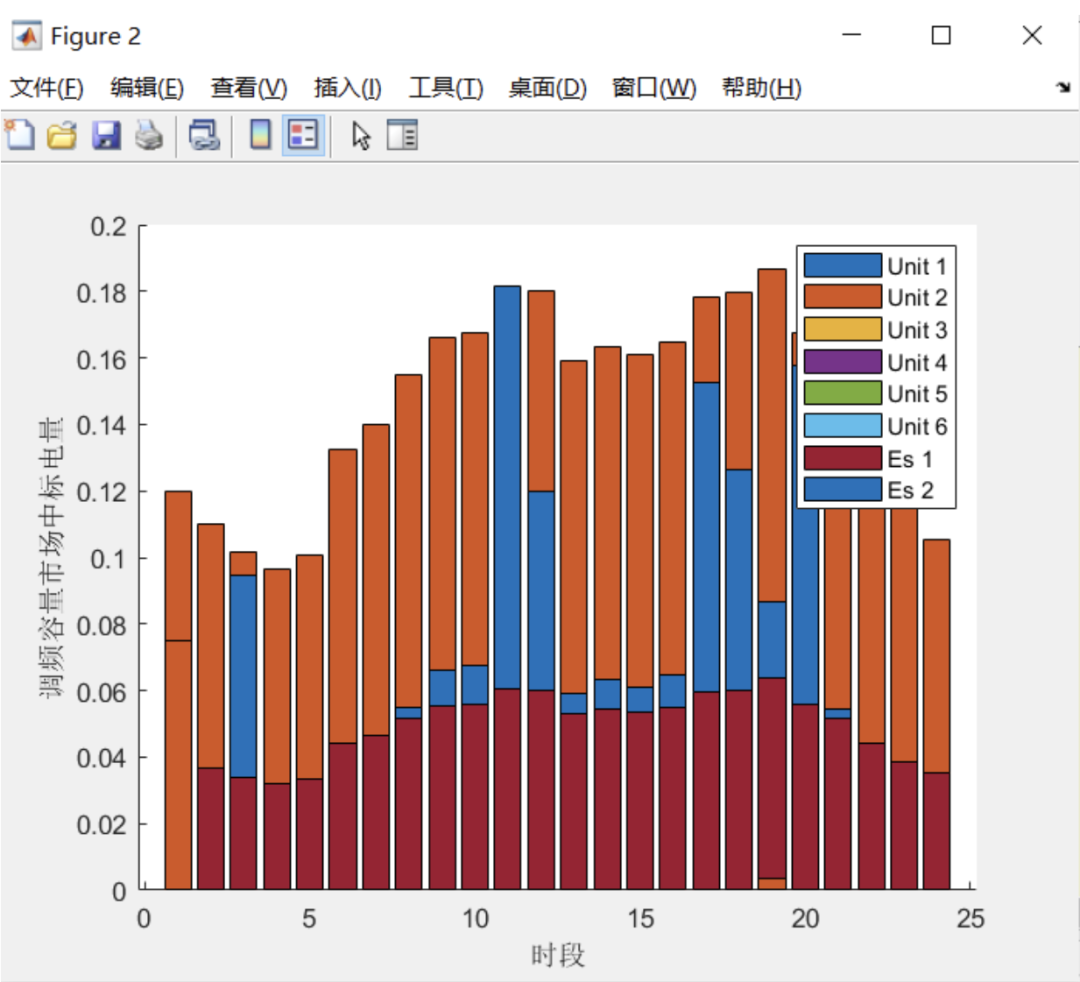
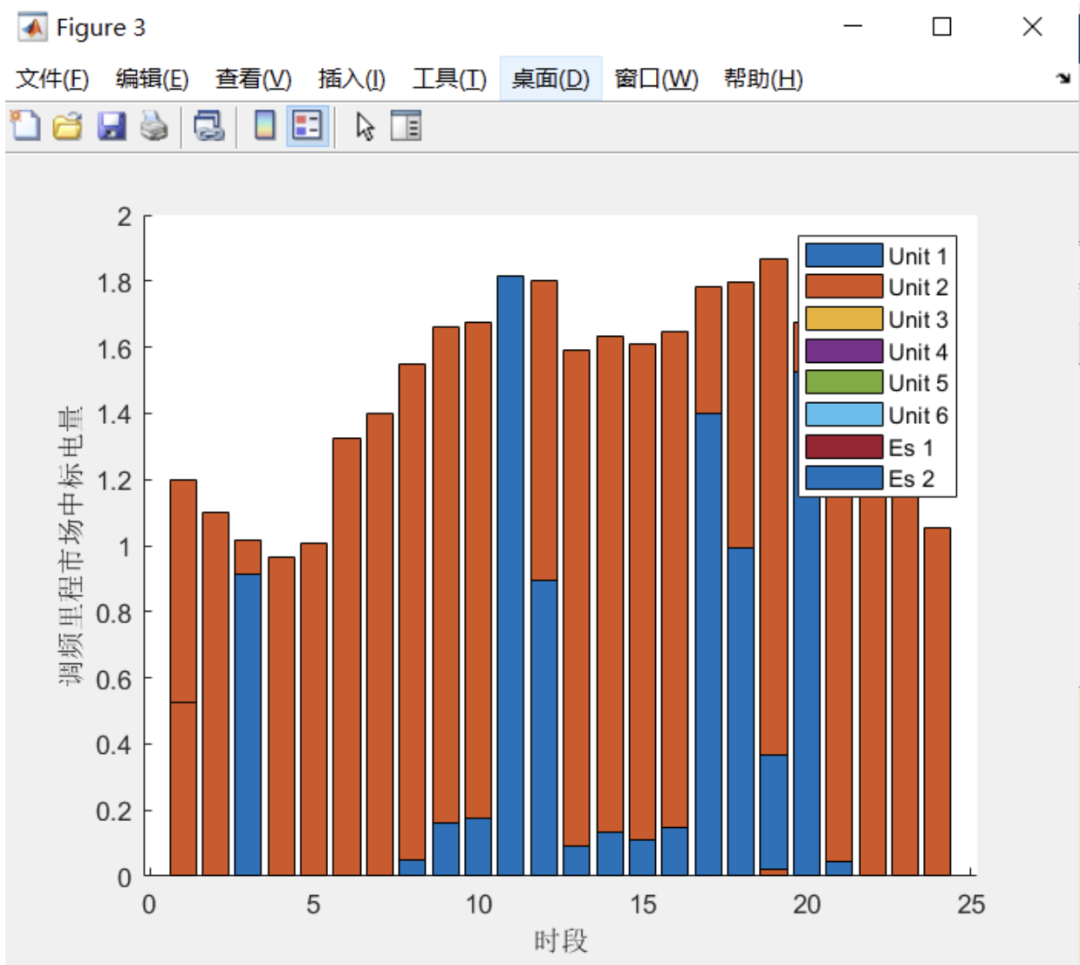
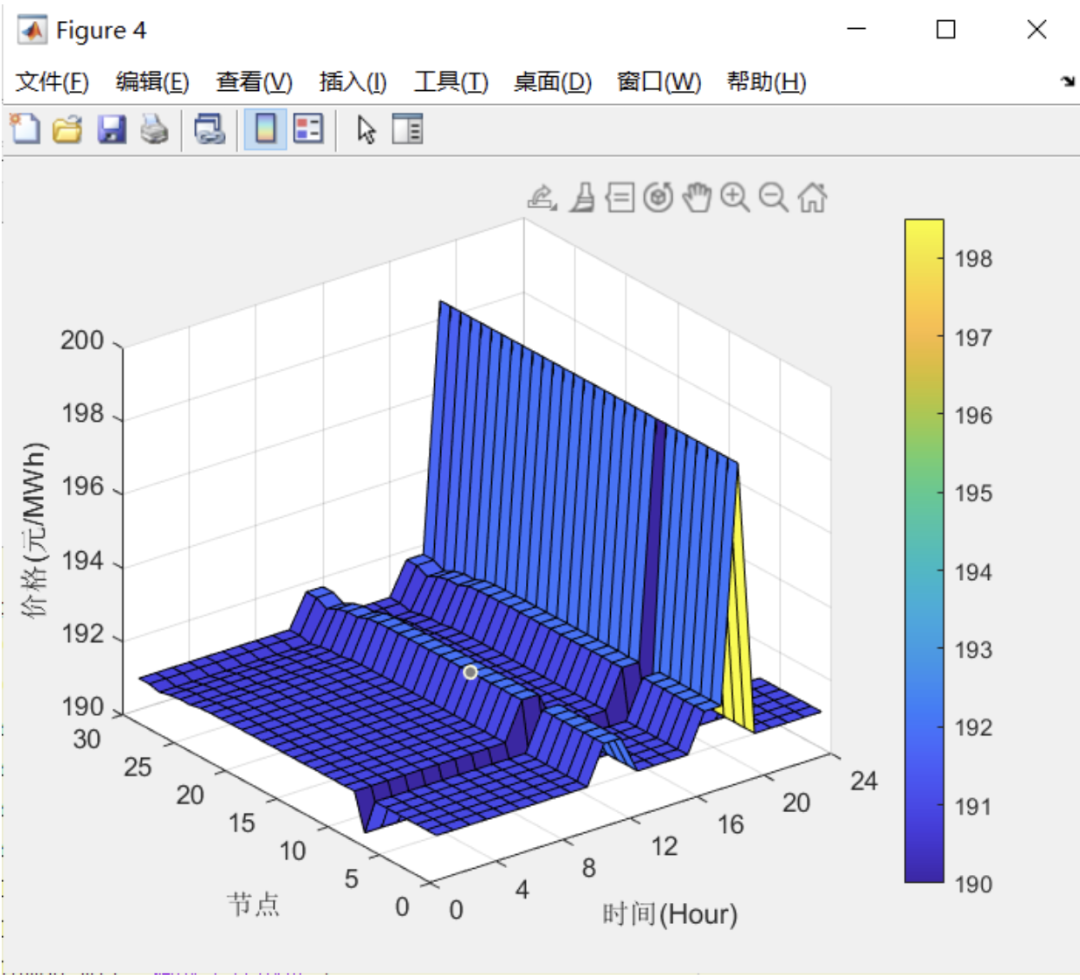
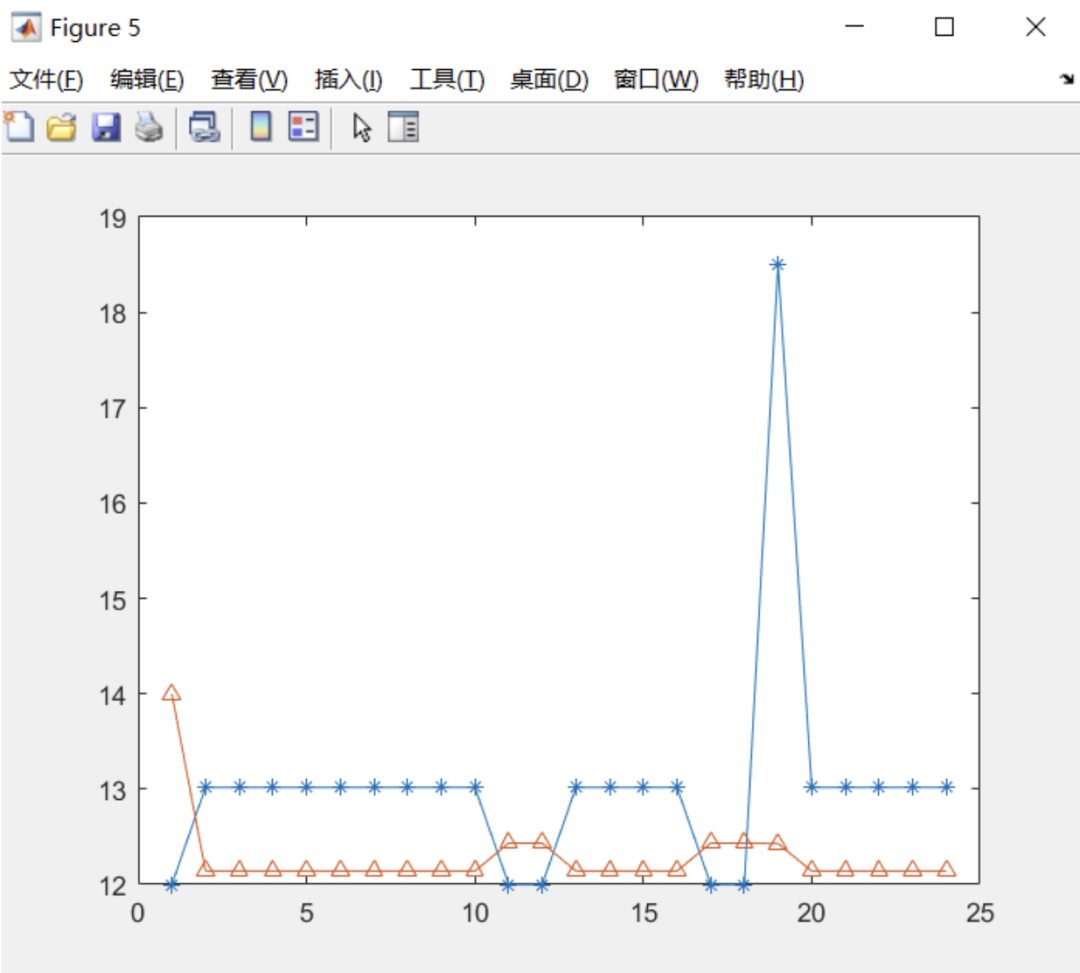
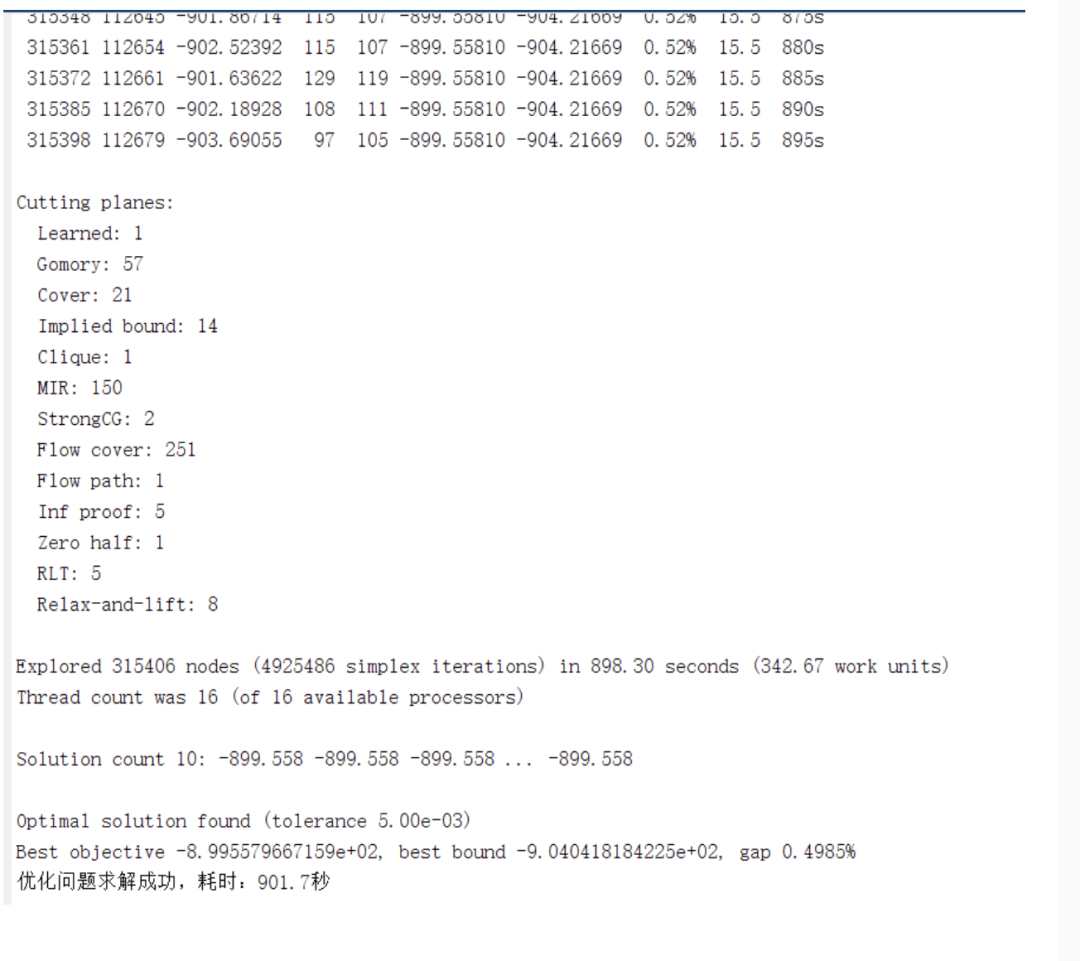
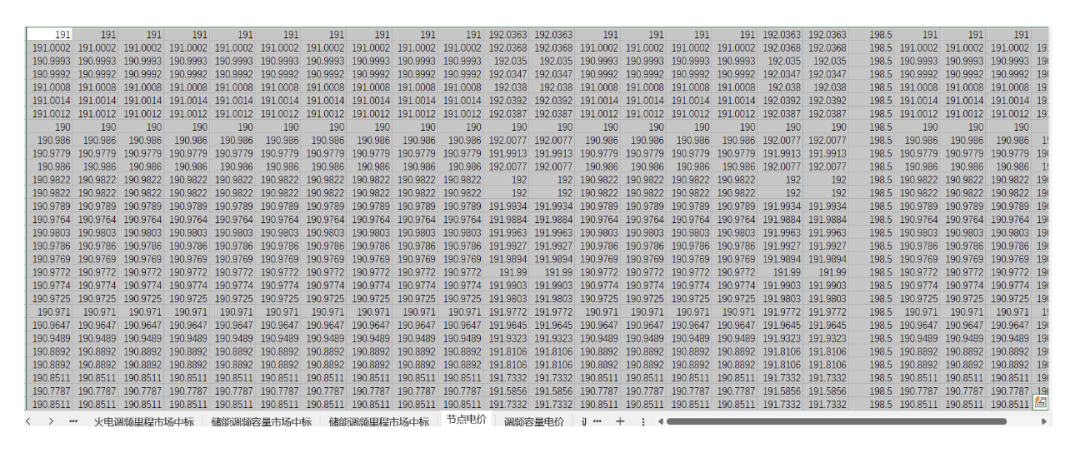
Code comments are detailed, and the operation is stable! The solution results are automatically written into an EXCEL spreadsheet! Solve!


3 References

Some content in this article is sourced from the internet, and references will be noted. If there are any inaccuracies, please feel free to contact us for removal.

[1] Li Guoqing, Yan Kefi, Fan Gaofeng, et al. Research on Trading Decisions for Energy Storage Participation in the Spot Electricity and Frequency Regulation Auxiliary Service Market [J]. Power System Protection and Control, 2022, 50(17): 45-54. DOI:10.19783/j.cnki.pspc.211500.
[2] Jiang Xin, Liu Meng, Wang Tianliang, et al. Bidding Strategies for Grid-Side Energy Storage Stations Participating in the Spot Joint Market [J]. Power Grid Technology, 2021, 45(09): 3398-3408. DOI:10.13335/j.1000-3673.pst.2020.1574.



4 Matlab Code and Data
 Public AccountDASHU
Lychee Research Society