
Manufacturing enterprises focus on energy conservation, carbon reduction, and green development, continuously pursuing lean energy management and exploring paths for sustainable development. This includes the technological, networked, and digital development of energy metering systems. The energy management system and carbon-related audits are based on the collection, statistics, and aggregation of energy data, where the quality of collected data directly impacts the effectiveness of the audits. A complete data collection system must encompass four aspects: planning for data collection, the collection process, data transmission, and the statistical aggregation of collected data.
This article analyzes and summarizes the planning of energy data collection in enterprise energy management systems, addressing deviations and incompleteness observed during on-site audits of energy data collection.
1. Planning the Energy Data Collection System
Clause 6.6 of the ISO 50001:2018 standard pertains to the planning of energy data collection. This clause specifies that organizations should develop and implement an energy data collection plan based on their scale, complexity, and measurement and monitoring resources. The plan should specify the data required to monitor key characteristics and describe how and how often this data will be collected and retained.
(1) Identifying Key Characteristics for Energy Data Collection
The key characteristics of major energy usage include:
Directly measured energy values: electricity consumption, natural gas consumption, coal consumption, and energy consumption values of power media.
Major related variables affecting energy performance: variables related to energy efficiency, such as equipment, processes, and economically operational parameters; variables related to the energy consumption of products produced by the organization, such as the calorific value of purchased coal.
Parameters reflecting energy performance: including directly measurable linear statistical values, such as measurement ratios, comprehensive energy consumption per unit product, comprehensive energy consumption per unit area, comprehensive energy consumption per unit industrial added value, and per capita energy consumption; using statistical models, such as energy performance of equipment producing more than two types of products; energy performance of equipment with basic loads; the relationship between energy consumption of pumps/fans and working fluid flow, boiler thermal efficiency, and compressor conversion efficiency.
Engineering models: such as the relationships between variables; the power consumption model of chillers can establish the relationship between cooling load, outdoor temperature (condensing temperature), and indoor temperature (evaporating temperature); building energy consumption models can establish the relationship between operating time, air conditioning system type, and user demand.
Energy performance parameter models: boiler efficiency is related to the ambient temperature inside and outside the boiler room, as this affects the initial temperature of the water used in the boiler and the temperature of the boiler body; the conversion efficiency of compressors is related to the load.
(2) Collection Plan for Major Energy Data Related to Key Characteristics
The key to energy data collection is accuracy, comprehensiveness, and timeliness. Only with accurate and reliable data can effective data analysis and decision-making be conducted. Energy data is dynamic and time-sensitive, requiring timely updates.
1. Clarifying the Methods of Energy Data Collection
Energy data can be collected through manual reading and automatic collection. Some enterprises adopt a combination of both methods based on different energy usage situations. Enterprises with relatively simple energy usage can use straightforward data transmission methods, such as collecting electricity data to a single computer; key energy-consuming units can establish energy management centers that not only collect data but also monitor key energy flow nodes in real-time and conduct data aggregation and comparative analysis, such as the recovery and use of gas media in metallurgical enterprises and the output of self-generated electricity.
For energy management centers, to ensure the security and confidentiality of data transmission, encryption technology and cloud computing can be employed. Additionally, to effectively manage and utilize this data, a comprehensive storage system, including databases and servers, should be established.
For systems that do not have direct reading conditions, such as compressed air supply systems shared among users, where it cannot be guaranteed that every gas point is equipped with a flow meter, enterprises can estimate gas usage based on production processes and allocate costs according to distribution ratios.
2. Types and Quantities of Energy Data Collection
The types of energy data collected should cover all data required for monitoring key characteristics as specified in the standards, including: first, data on energy usage, recovery, and conversion, such as electricity consumption, gas consumption, and coal consumption; data on energy recovery, such as waste heat recovery, residual pressure utilization, and the amount of combustible gas recovered. Second, data on key characteristics for monitoring energy performance, such as enterprise economic data, production output data, value-added data, and key parameters affecting energy consumption during production; economic operational control parameters of major energy-consuming equipment, parameters reflecting energy conversion efficiency, and parameters during the energy processing and conversion process.
3. Responsible Departments and Personnel for Energy Data Collection
Energy data collection must be assigned to corresponding departments and personnel.
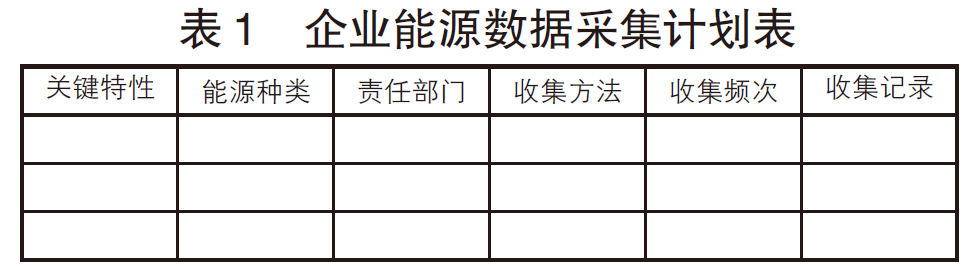
The enterprise energy data collection plan can refer to the format in Table 1.
2. Establishing a Support System for Energy Data Collection
(1) Establishing a Scientific and Effective Energy Metering Management System
The energy metering management system of an enterprise is a strong guarantee for effective energy metering management. Improving the energy metering management system can ensure accurate and reliable measurements, enhance the level of energy metering management, achieve energy conservation and reduction, and promote the healthy and stable development of the enterprise.
(2) Reasonably Selecting On-Site Energy Metering Data Collection Equipment
Enterprises should equip energy metering instruments that comply with regulatory requirements, ensuring that the metering configuration meets production process and quality control requirements, continuously improving the control level of the energy metering detection process.
First, ensure that the equipment allocation rate for energy metering meets regulatory requirements. The allocation rate of energy metering equipment should comply with the requirements of GB 17167 “General Principles for the Allocation and Management of Metering Instruments for Energy-Using Units”. A complete statistical system for energy consumption and recovery is necessary to conduct energy consumption statistics according to GB/T 2589 “General Principles for Comprehensive Energy Consumption Calculation”.
Second, ensure the accuracy and reliability of energy metering instruments. Enterprises should establish a management ledger for energy metering instruments, categorizing them based on the importance of actual work and implementing dynamic management. A calibration plan should be developed and sent to qualified technical institutions for testing and calibration to ensure the accuracy and reliability of measurement values; additionally, regular maintenance of energy metering instruments should be conducted, promptly addressing any identified issues, and not using uncalibrated or self-calibrated instruments, or those that have exceeded calibration cycles or failed calibration; finally, evaluate the service providers of metering instruments, and regularly update the list of qualified suppliers, eliminating those with outdated technology, quality, management, or service.
Third, standardize the installation of on-site energy metering detection equipment. Enterprises with the capability can establish a computer network communication system that automatically generates various energy statistical analysis reports, thereby enhancing the overall management level of energy metering management and gradually transitioning from traditional metering management to digital automated management.
(3) Establishing a Controllable Energy Metering Data Management System
First, equip a qualified team of energy metering personnel, establishing a training and assessment system for energy metering management personnel, energy metering operators, and maintenance personnel to ensure that metering personnel receive adequate training, thereby improving the professional quality of metering management technicians to meet the needs of metering work.
Second, ensure effective control over the energy metering data collection and transmission process. Energy metering data management includes the collection, processing, and analysis of energy metering data. Data collection should be based on actual measurement data, ensuring that it is true, accurate, and reliable, reflecting the entire process and patterns of energy activities. Energy metering data records should use standardized formats that facilitate data aggregation and analysis, accurately explaining the conversion methods or relationships between measured and recorded data.
It is important to note that within the scope of energy data collection and the statistical time period, data must be complete, comprehensive, and avoid duplicate collection.
Conclusion
Strengthening the effective management of the entire process of energy metering data collection, processing, and usage is of great significance for maximizing the role of energy metering detection data in production operations, cost accounting, and other tasks, thereby improving the economic benefits of enterprises.
In the era of big data in metering, effective management and utilization of energy consumption data through energy metering data management and collection can help enterprises accurately understand energy consumption conditions in various production workshops, working conditions, and equipment, allowing timely adjustments and energy savings, providing a scientific basis for energy-saving transformations and carbon emission accounting.
Source: “China Certification and Accreditation” Magazine, Issue 11, 2024