 IC design, or Integrated Circuit Design, is a discipline of electronic engineering and computer engineering, mainly focusing on the design of integrated circuits (IC) using specialized logic and circuit design techniques. This article mainly introduces classic books on digital IC design. Let’s follow along to learn more.
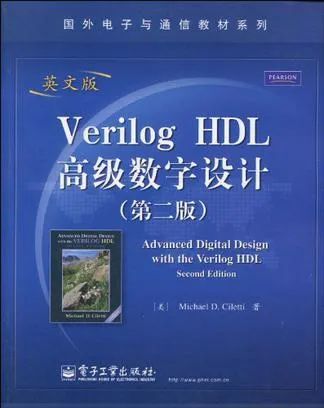
1. ‘Advanced Digital Design with Verilog HDL’
This book is available in both Chinese and the original version. I believe it is the best book on Verilog. After reading this book, everyone’s coding skills will significantly improve. The examples in this book are rich, covering RISC, UART, asynchronous FIFO, digital signal processing, multipliers, and flip-flops. One chapter dedicated to a simple RISC section is particularly worth studying carefully, and it can greatly benefit everyone. The book excellently connects coding style with synthesizable circuits, as well as the writing of state machines. After reading this book, you will realize that any function can be implemented through state machines, and the writing of state machines is quite similar to classical literature. The key part is still to draw the ASM diagram based on the functional requirements of the module, which is quite similar to software development.
Additionally, the book includes a lot of testbench writing, showcasing a wealth of testing code that reflects the essence of testing. The code in the book can be downloaded from the website, making it very convenient for learning.
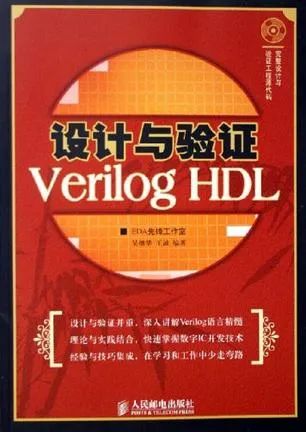
2. ‘Design and Verification of Verilog HDL’
This book is published by Pioneer Studio and focuses on Verilog and EDA applications. Most books on Verilog in the market mainly introduce syntax and modeling without truly reflecting the combination of theory and practicality. I highly recommend Chapter 5 ‘RTL Design and Coding Guidance’ and Chapter 6 ‘How to Write Good State Machines’.
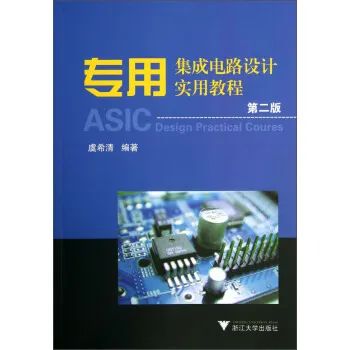
3. ‘Practical Tutorial on ASIC Design’
This book is one of the most comprehensive and systematic books I have seen on synthesis. The author clearly has extensive experience in DC. The book explains the principles and applications of synthesis in a clear manner. From Design Compiler to Prime Time, from DFT Compiler to Power Compiler, it covers all aspects of digital front-end design. The book is richly illustrated, addressing potential problems encountered in synthesis, including circuit optimization and eliminating timing violations. Especially the explanation of DFT Compiler is comparable to training documents from large companies.
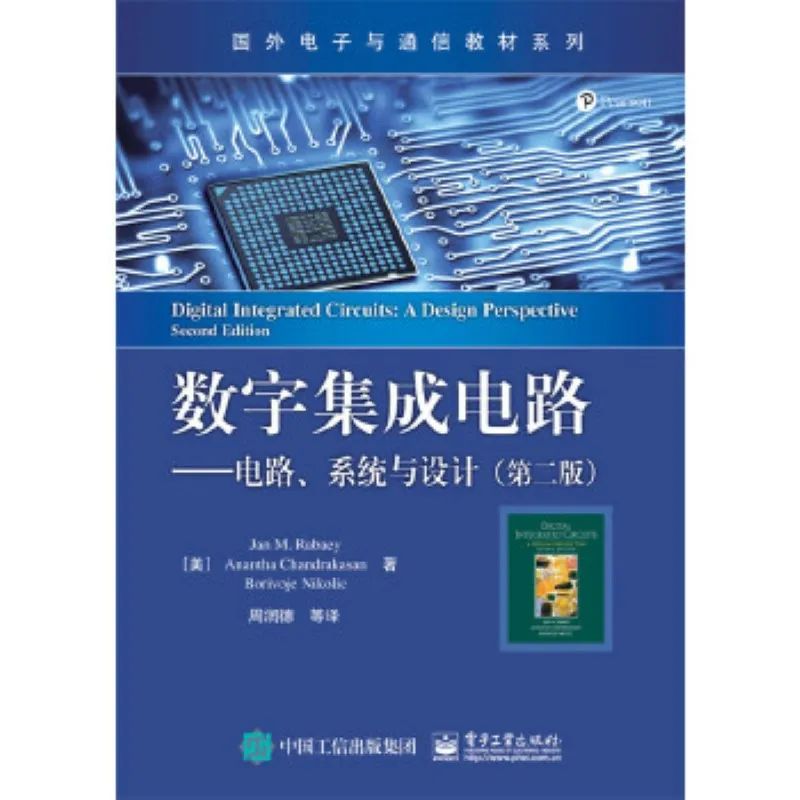
4. ‘Digital Integrated Circuits – Circuits, Systems, and Design’ & ‘Analysis and Design of Digital Integrated Circuits in Deep Submicron Technology’
Both the Chinese version and the original are quite popular. The content is similar, serving as an introductory tutorial on digital ICs, covering all aspects from devices to wiring to systems, as well as key considerations during design, with classic solutions that could each be a research topic. I have a senior who works at Xi’an Huaxun, and he mentioned that most of the problems encountered in engineering are discussed in these two books. However, students not majoring in microelectronics might find it challenging at first since much of the content leans towards lower-level theory, requiring careful reading and contemplation.
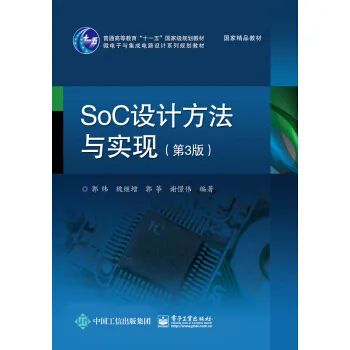
5. ‘SoC Design Methodology and Implementation’ by Guo Wei et al.
This book provides a basic introduction to the process and characteristics of digital IC design, helping beginners quickly form a systematic architecture. ‘SoC Design Methodology and Implementation’ comprehensively introduces the overall process of SoC design, methodology, and implementation. The book is divided into 14 chapters, covering the SoC design process, architecture design, electronic system design, IP core design and selection, RTL code writing guidelines, advanced verification methods, low-power design techniques, testability design techniques, and challenges in back-end design. The book integrates a lot of practical experience from the industry and introduces the latest achievements in the field of SoC design, helping readers grasp industrial solutions and stay updated on the latest advancements in SoC design methodologies.
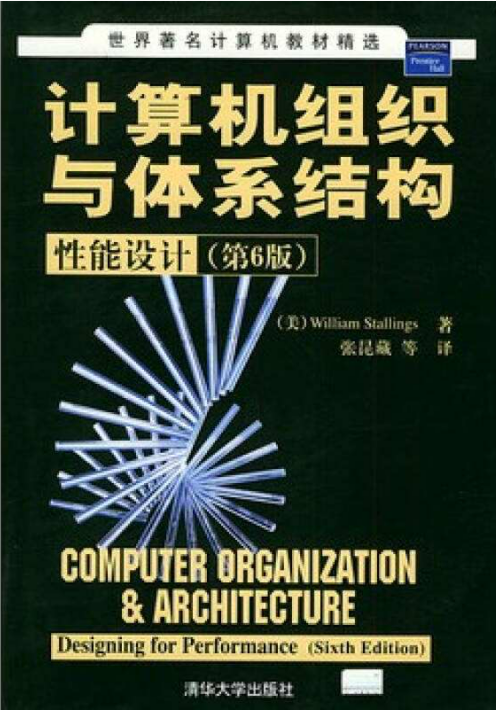
6. ‘Computer Organization and Architecture: Designing for Performance’
This is a world-renowned classic textbook on computer architecture. Some people think this is a book for the 3 series. However, I believe that architecture is the biggest flaw in IC design in China compared to foreign IC design. If the organization of the entire chip is poor and the architecture is not robust enough, then even the finest individual modules are of little use. This is also why our IC design can only follow foreign standards and protocols. The current state of IC design in China is that others create standards and protocols for a system or architecture, and we understand it and write code step by step according to their specifications, which is quite a tragic situation.
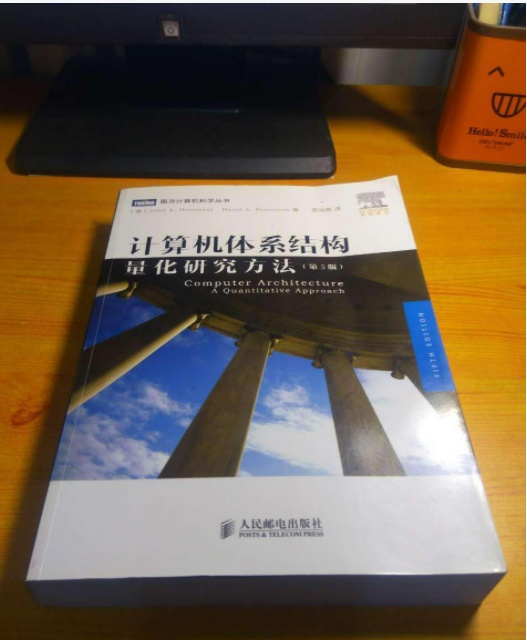
7. ‘Computer System Organization and Architecture’
‘Computer Architecture: A Quantitative Approach (5th Edition)’ is the most authoritative book on computer architecture and a well-known classic work. The book systematically introduces the fundamentals of computer system design, instruction set architecture, pipelining, instruction-level parallelism, hierarchical storage systems and storage devices, interconnection networks, and multiprocessor systems. In this latest edition, the author adds content related to the current hot topics of cloud computing and mobile client technology, exploring the software and hardware implementation of cloud computing on mobile phones, tablets, laptops, and other mobile computing devices.
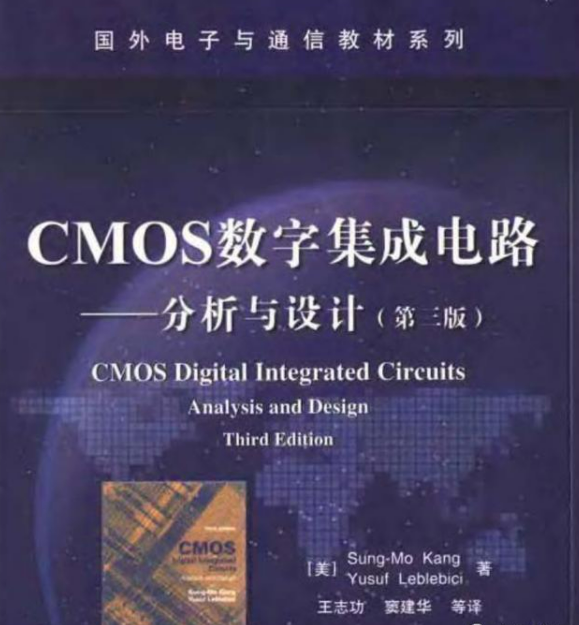
8. ‘CMOS Digital Integrated Circuits: Analysis and Design (3rd Edition)’
‘CMOS Digital Integrated Circuits: Analysis and Design (3rd Edition)’ provides detailed information about CMOS digital integrated circuits, reflecting the current level of technology development and providing the latest materials for circuit design. This book consists of fifteen chapters. The first eight chapters discuss the related characteristics and working principles of MOS transistors, basic inverter circuit design, and the structure and working principles of combinational and sequential logic circuits; Chapter 9 introduces dynamic logic circuits used in advanced VLSI chip design; Chapter 10 covers advanced semiconductor storage circuits; Chapter 11 discusses low-power CMOS logic circuits; Chapter 12 introduces the basic principles of bipolar transistors and BiCMOS digital circuit design; Chapter 13 provides detailed information about chip I/O design, and the last two chapters discuss the important issues of manufacturability design and testability design.
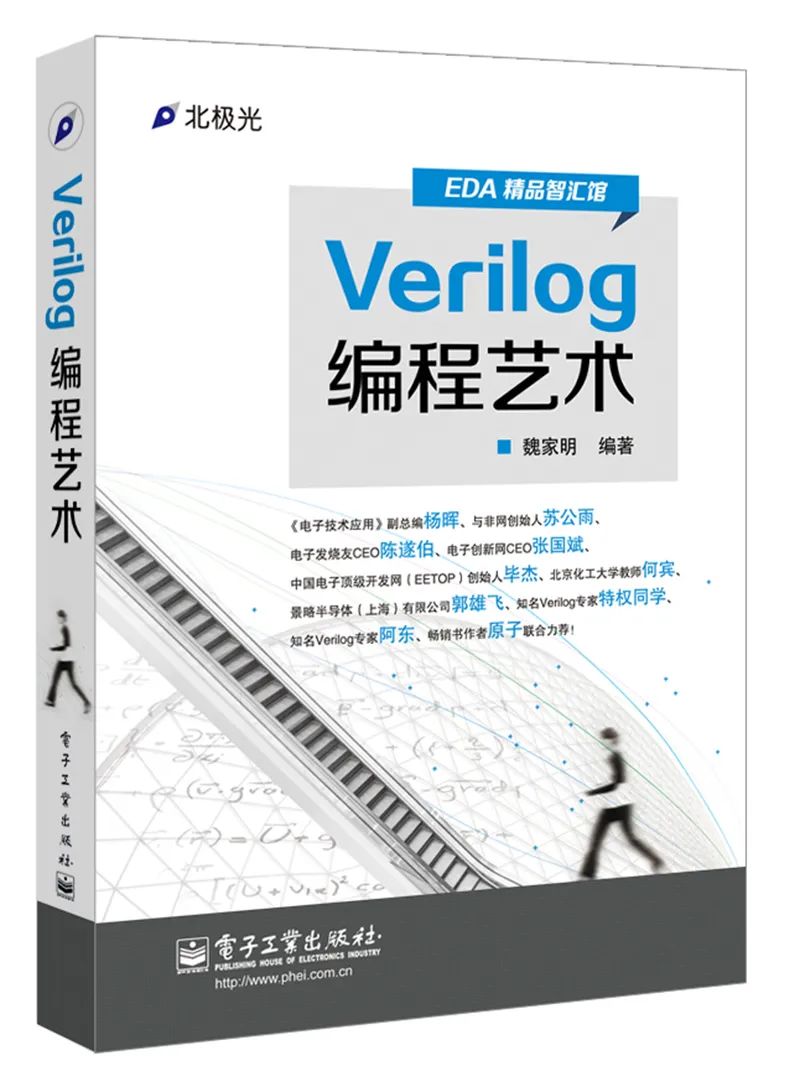
9. ‘The Art of Verilog Programming’
This book focuses on practical engineering content, addressing many problems encountered in actual projects and design techniques, making it quite valuable for reference. Compared to general textbooks, this book emphasizes the methodology and practicality of Verilog programming. It is suitable for readers with a certain foundation in Verilog and can serve as a reference for ASIC developers and managers, as well as for graduate students in electronics, further enhancing their Verilog programming capabilities.The book deeply explores how to avoid using confusing and error-prone statements, mainly divided into seven parts: design principles, language conventions, documentation writing, advanced design, clock and reset, verification paths, and other sections. The book emphasizes these parts: Verilog coding styles, new features of Verilog-2001, concise and efficient programming, error-prone language elements, configurable designs, clock generation, reset design, verification methods, etc. Additionally, the book also provides a brief introduction to SystemVerilog.
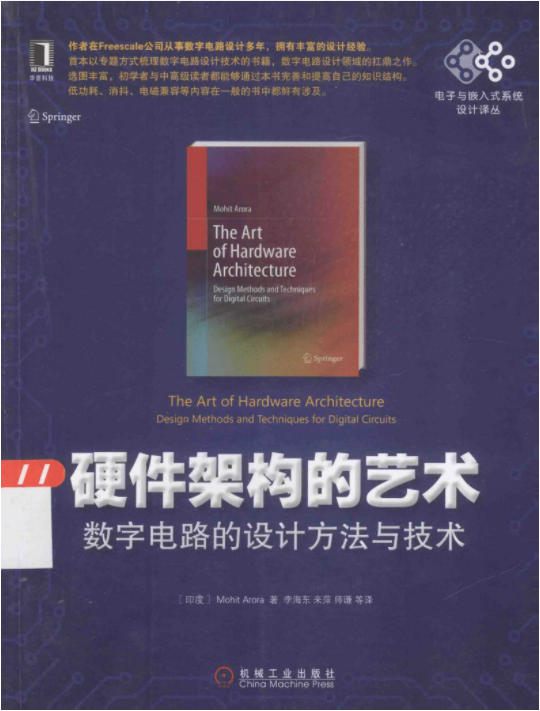
10. ‘The Art of Hardware Architecture: Design Methods and Techniques for Digital Circuits’ by Mohit Arora
This book reveals the art of hardware architecture design, encompassing the author’s more than ten years of experience and research results in the chip design industry. The book is divided into 9 chapters, with Chapter 1 introducing the concept of metastability, quantification methods, and techniques to reduce its impact; Chapter 2 discusses clock techniques in synchronous design and proposes feasible clock schemes and system reset strategies. Chapter 3 addresses issues and solutions that arise when using asynchronous clocks or ‘handling multiple clocks’ in design. Chapter 4 covers various aspects and implementation methods of clock dividers. Chapter 5 discusses low-power design techniques to reduce dynamic and static power consumption. Chapter 6 introduces how to apply pipelining techniques in processor design to enhance performance; Chapter 7 discusses methods for using optimal byte order; Chapter 8 elaborates on de-bouncing techniques to eliminate glitches and noise. Chapter 9 introduces the principles, regulations, standards, and certifications of electromagnetic interference, as well as the influencing factors and methods to reduce electromagnetic interference.
Scan the QR code for free trial classes and consultation on IC courses!




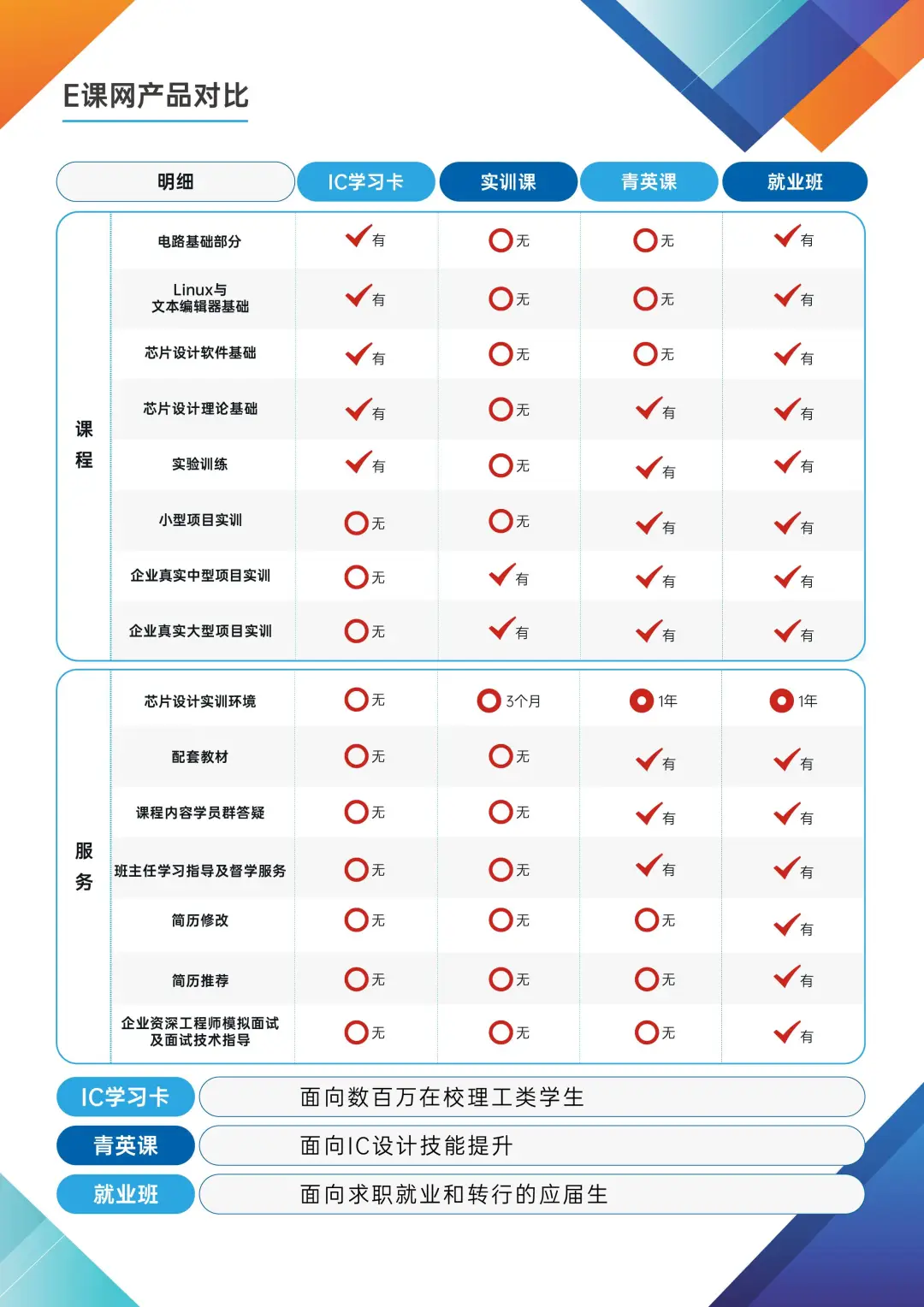

E课网(www.eecourse.com) is a professional integrated circuit education platform under Moore Elite, dedicated to cultivating high-quality integrated circuit professionals in the semiconductor industry. The platform is oriented towards the job needs of integrated circuit enterprises, providing a practical training platform that aligns with the enterprise environment, and quickly training students to meet corporate demands through online and offline training methods.
E课网 has a mature training platform, a comprehensive course system, and a strong faculty. It plans 168 high-quality semiconductor courses in China, covering the entire integrated circuit industry chain, and has 4 offline training bases. So far, it has deeply trained a total of 15,367 people, directly supplying 4,476 professionals to the industry. It has established deep cooperative relationships with 143 universities and has held 240 corporate-specific IC training sessions.