A single crystal furnace is a device that melts polycrystalline materials such as polysilicon using a graphite heater in an inert gas environment, and grows dislocation-free single crystals using the Czochralski method. The crystal pulling process is a crucial step in the preceding process, affecting the purity and quality of the silicon wafers. Due to the special complexity and high standards required in the production process, the stability and reliability of the control equipment for the single crystal furnace are subject to stricter requirements.
In the manufacturing site of the single crystal furnace, the application of StableLink Technology CANopen to PROFINET gateway WL-ABC3033 mainly revolves around equipment interconnection, data communication, and process control. Its usage scenarios and advantages are as follows:
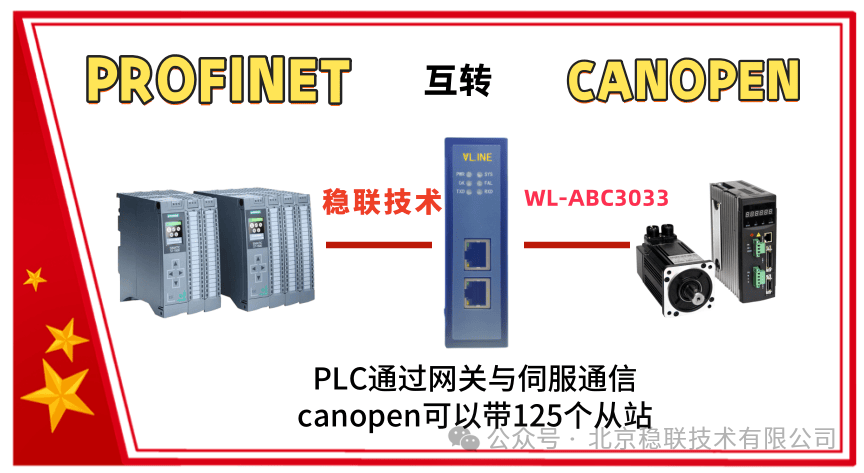
1. Core Functions
– **Protocol Conversion**: Seamlessly integrate data from internal CANopen devices of the single crystal furnace (such as servo drives, temperature controllers, I/O modules) into the PROFINET network, enabling real-time communication with PLCs (such as Siemens S7 series) or upper-level systems.
– **Data Integration**: Collect key parameters (such as heater temperature, crystal growth rate, vacuum level, etc.) and transmit them to the central control system via PROFINET for centralized monitoring and data analysis.
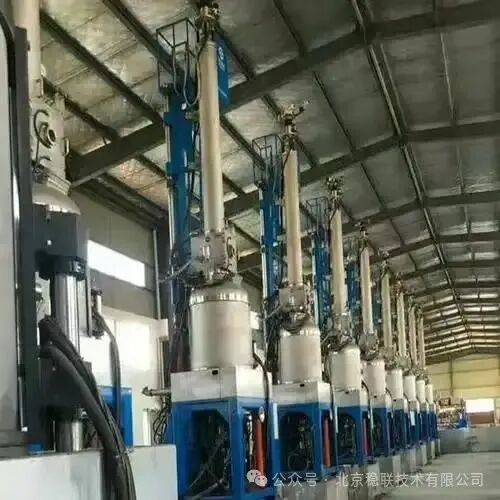
2. Typical Application Scenarios
– **Temperature Control System**
The heater of the single crystal furnace (such as a graphite resistance furnace) is usually controlled by a CANopen temperature control module. The gateway converts temperature data (set values, actual values, alarm status) into PROFINET signals, allowing the PLC to adjust PID parameters in real-time, ensuring temperature stability during the crystal growth process.
– **Motion Control**
The crystal pulling device (servo motor) controls speed and position via CANopen communication. The gateway converts PROFINET commands into CANopen messages, achieving high-precision synchronous motion while feeding back the actual position to the PLC to avoid crystal breakage or growth defects.
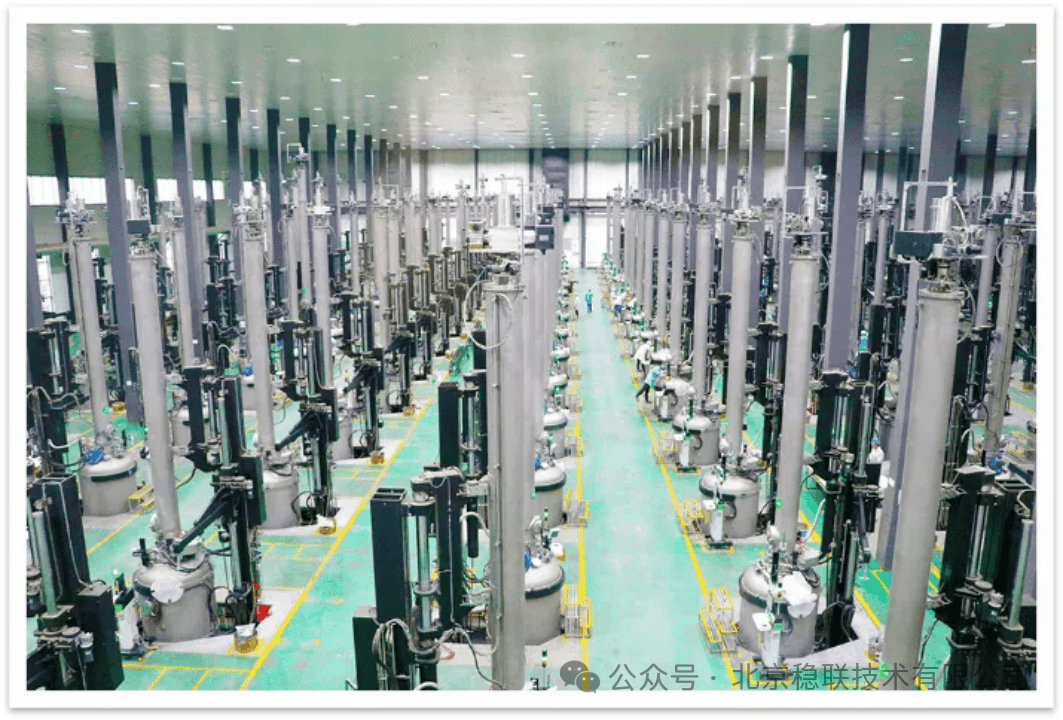
**3. On-Site Implementation Advantages**
– **Real-Time Performance**: The deterministic communication of PROFINET (supporting IRT) ensures millisecond-level response for critical data (such as temperature fluctuations), meeting the stringent timing requirements of the single crystal furnace process.
– **Simplified Wiring**: Replacing traditional multi-channel CANopen cables, a single industrial Ethernet cable connects multiple devices, reducing complexity and maintenance costs.
– **Convenient Diagnostics**: The gateway typically supports a web management interface or TIA Portal integration, allowing remote monitoring of CANopen device status (such as node disconnection, message errors) and quick fault location.
**4. Actual Case Configuration**
– Gateway Model: CANopen to PROFINET
– PLC: Siemens S7-1500 (PROFINET controller).
– CANopen Devices: Lenze servo drives (crystal rotation control), Eurotherm temperature control modules (multi-zone heating).
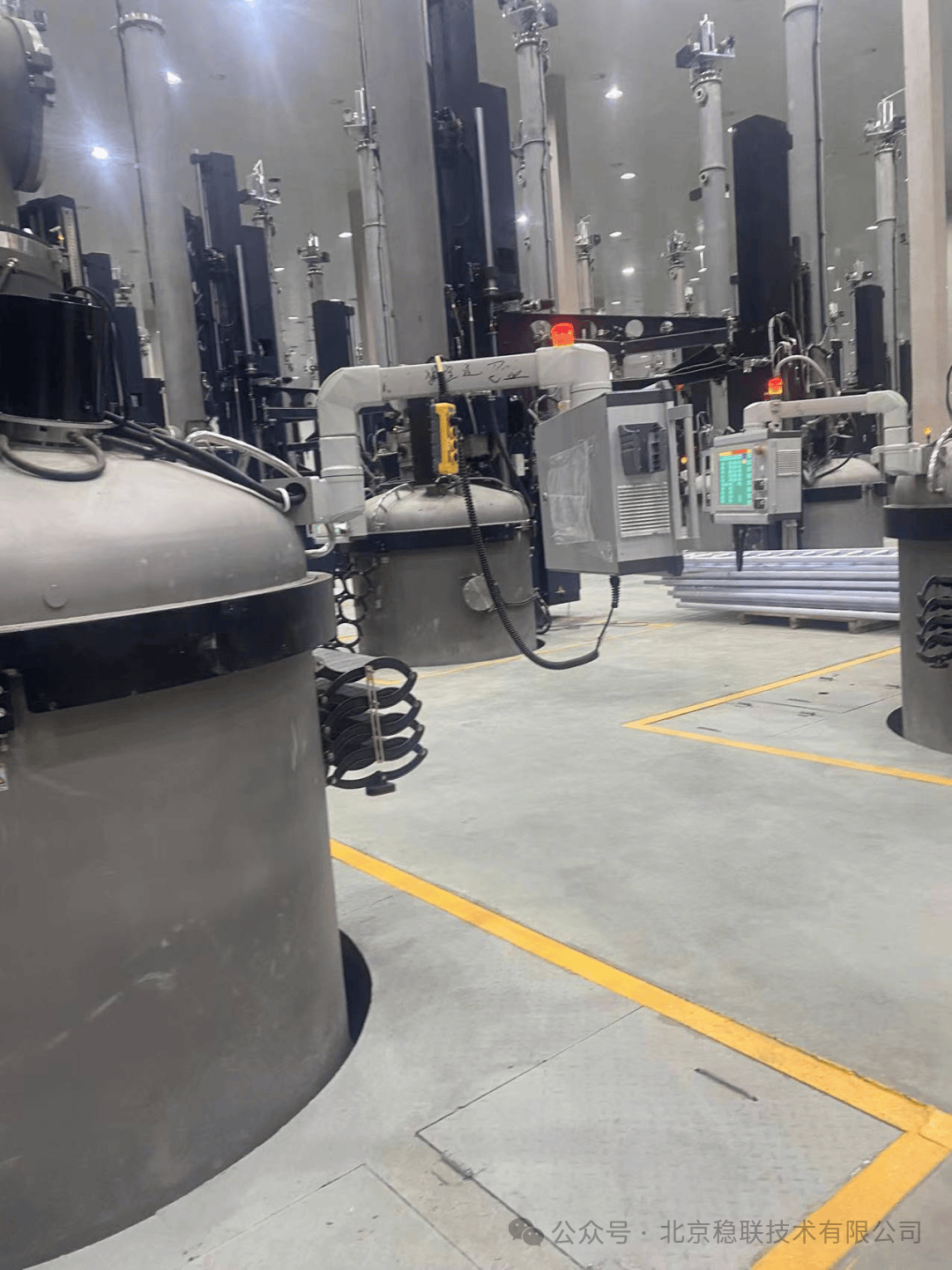
– **Software Configuration**:
Import the gateway’s GSDML file into the PLC, mapping the CANopen object dictionary (such as mapping temperature value PDO to PROFINET IO modules) for direct variable read and write.
In the manufacturing of single crystal furnaces, the CANopen to PROFINET gateway acts as a “translator” between heterogeneous networks, preserving the flexibility of CANopen devices while integrating the high bandwidth and centralized management advantages of industrial Ethernet, significantly enhancing production efficiency and process controllability.