Redefining Living Spaces


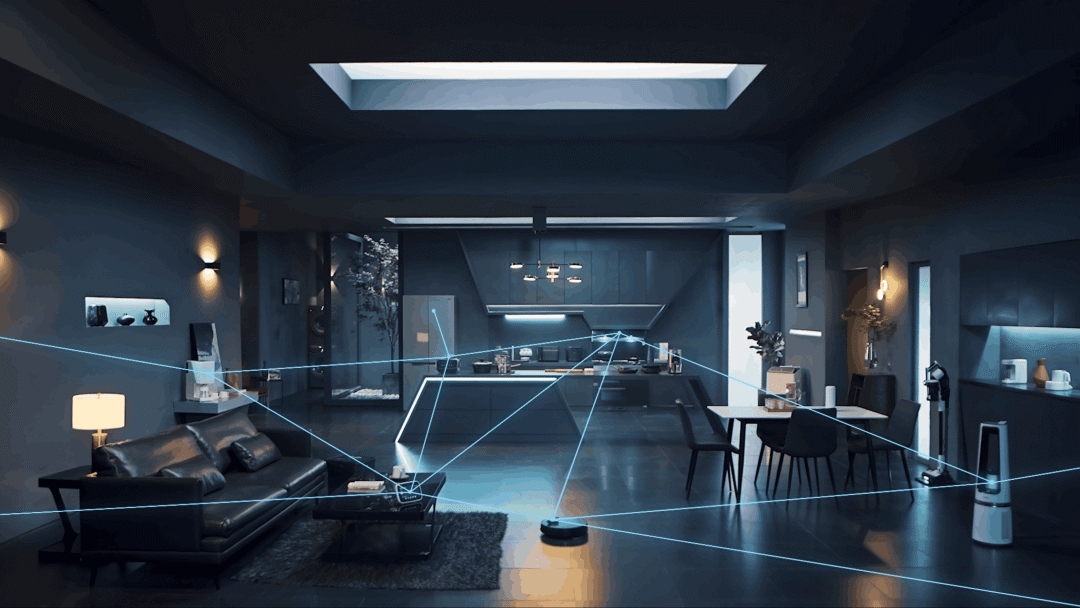
As people’s lives upgrade towards high-end, personalized, and service-oriented experiences, “smart homes” have gradually become an important choice in modern living. A good smart home not only provides a comfortable living environment but also saves users a significant amount of time. Meanwhile, the emergence of more functions such as security and health monitoring also safeguards users’ daily lives.
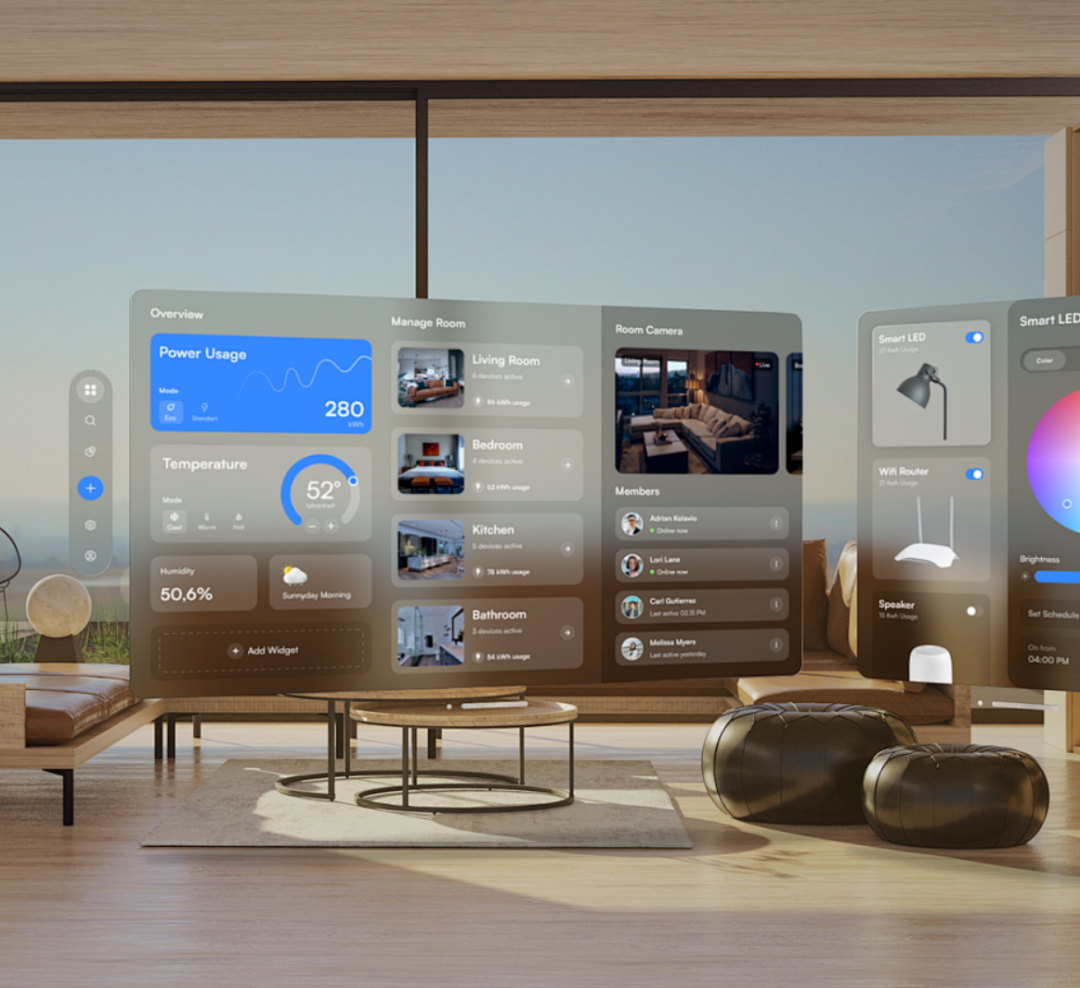
With the deepening of home automation, smart home systems are transitioning from past passive intelligence to active intelligence, which is an inevitable trend. This transition means that smart homes no longer merely respond to explicit user commands but can actively perceive user needs and automatically adjust the home environment to suit different scenarios and conditions.
The deepening of home automation will present the following trends in smart home development:
1
Continuing Towards Whole-Home Intelligence
User demand for smart homes is no longer limited to controlling individual devices but requires more product interconnectivity, including the integration of security, HVAC, audio-visual systems, etc.
2
Standardization of Smart Homes
Faced with a plethora of smart home products in the market, users encounter difficulties in making choices. Manufacturers are beginning to establish supporting standards for whole-home intelligence, providing reference solutions to save users time and enhance purchasing efficiency.
3
More Optimized Operation Methods
Smart homes are controlled through various means such as software, voice, gestures, infrared remote control, Bluetooth, and sensors, providing users with more operational choices and convenience.
4
Transition from Passive to Active Intelligence
Future smart homes will more proactively adapt to and meet user needs, automatically adjusting the home environment based on user habits to provide personalized services, rather than merely responding passively to user commands.
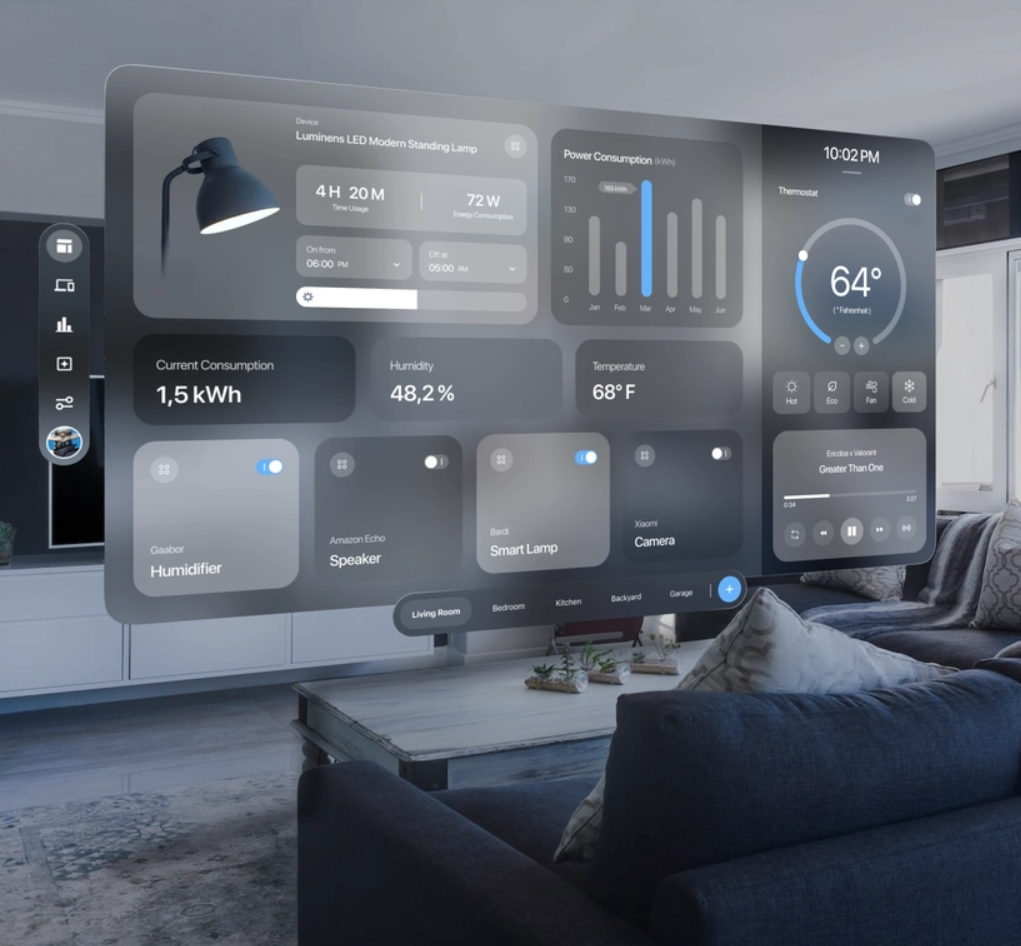
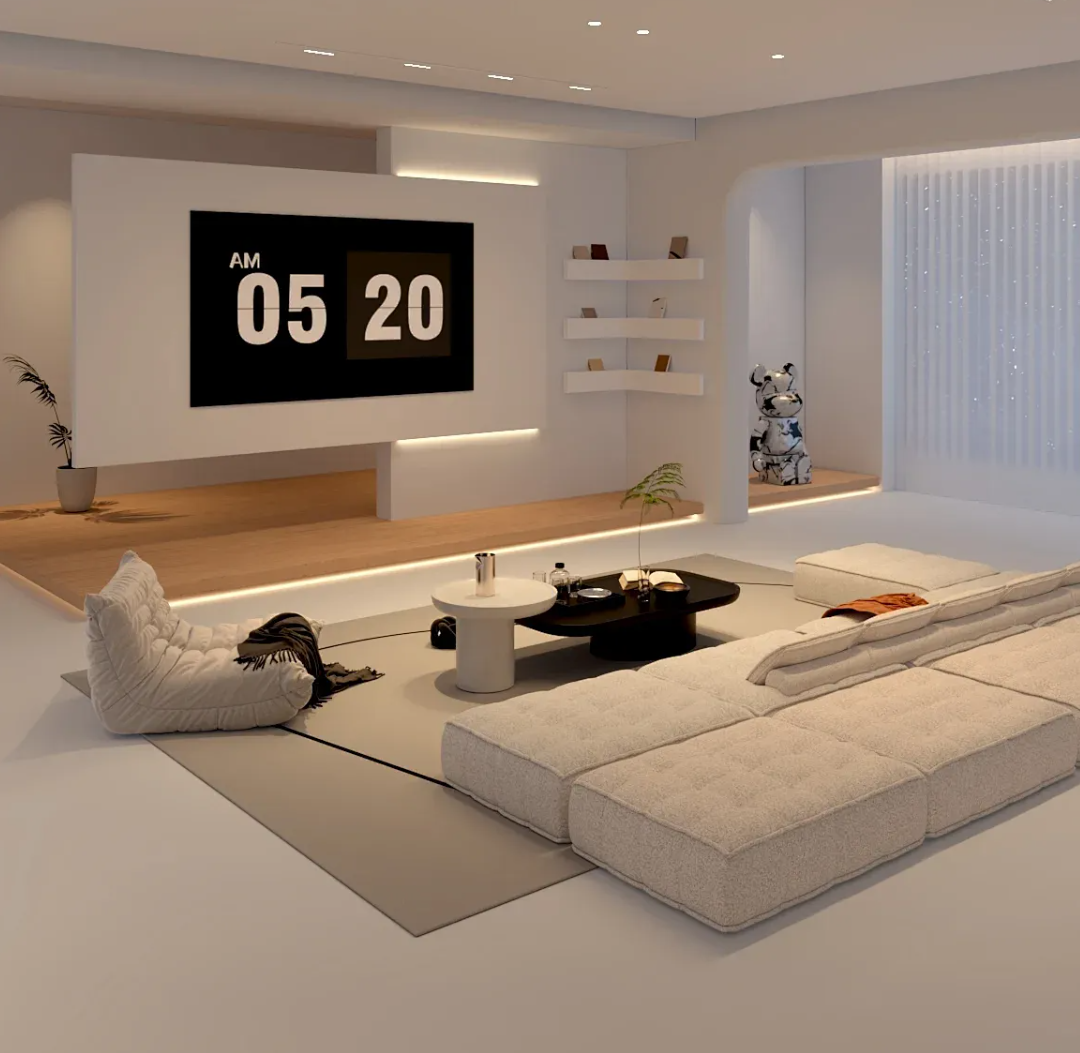
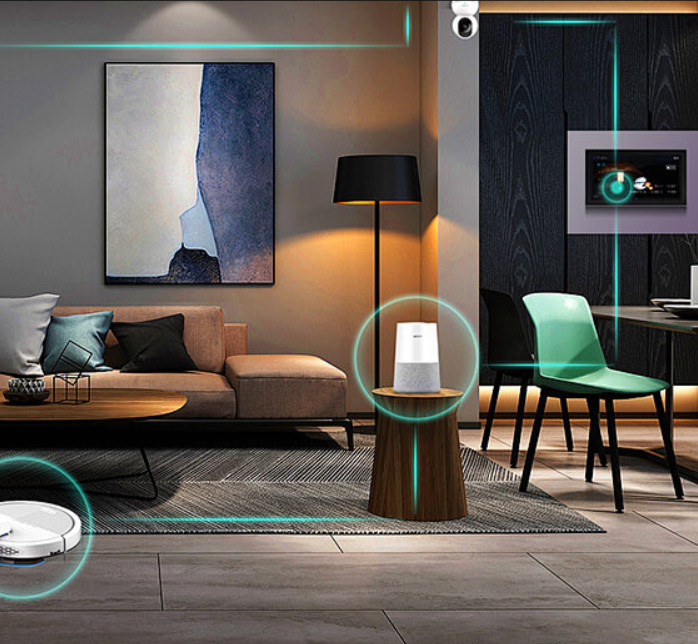
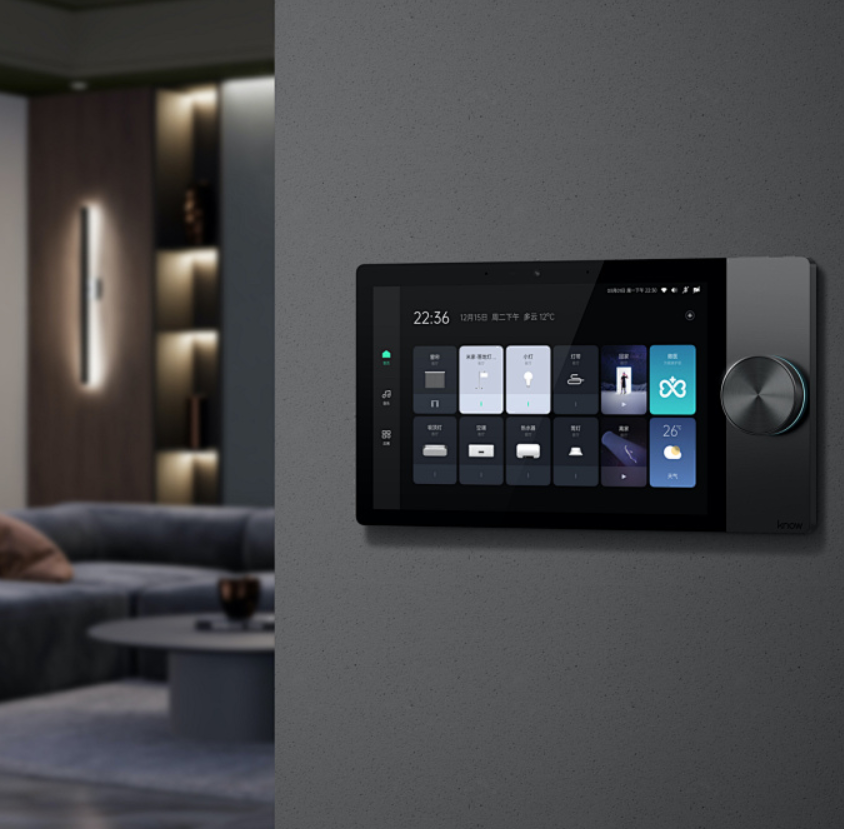
This transition not only enhances the convenience and comfort of home life but also marks a significant leap from simple device control to providing personalized, intelligent services. With advancements in technology and rising user demands, smart homes will further integrate into daily life, becoming an indispensable part of enhancing quality of life.
Moreover, the development of smart homes also shows trends such as whole-home intelligence, standardization, and optimized operation methods. Whole-home intelligence means that smart home systems can integrate more household devices, achieving comprehensive interconnectivity; standardization addresses user confusion when selecting smart home products, providing a more convenient purchasing experience; while optimized operation methods make the use of smart homes more convenient and user-friendly through various control means such as voice and gestures. These trends collectively drive smart homes towards higher levels of development, enhancing not only the convenience of home life but also increasing comfort and health, providing users with a smarter, more comfortable, and convenient living experience.