In the aviation field, aircraft engines are considered the “heart” of the aircraft, and their performance directly affects flight safety and efficiency. Sensors, acting as the “nervous system” of the engine, are responsible for real-time monitoring of key parameters, providing critical data support for the stable operation and precise control of the engine. However, the harsh working environment of aircraft engines makes sensors prone to failure. The emergence of Physics-Guided Neural Networks (PGNN) brings new opportunities for achieving dynamic intelligence in aircraft engine sensors.

Technical Principles
The Physics-Guided Neural Network (PGNN) is an innovative model that integrates physical mechanisms with data-driven machine learning. It breaks through the limitations of traditional neural networks that rely solely on data for learning by cleverly embedding physical laws as regularization terms within the loss function of the neural network. In the application scenario of aircraft engines, a model channel is first constructed based on the physical model of the engine, into which results calculated from physical principles are input; simultaneously, a data channel is built to input the raw measurement data collected by sensors. These two channels operate in parallel, mapping signals to the target space.
During the training process, the loss function is minimized through iterative optimization, and using automatic differentiation techniques ensures that the network’s predictions strictly conform to physical equations, thereby achieving high-precision dynamic predictions of engine performance parameters such as speed, temperature, and pressure. This unique architecture not only fully utilizes the information contained in the data but also incorporates physical knowledge, greatly enhancing the model’s accuracy, reliability, and interpretability.

Supporting Dynamic Intelligence in Aircraft Engine Sensors
During the operation of aircraft engines, if a sensor fails, it can lead to serious consequences. The Physics-Guided Neural Network has multidimensional important applications in the dynamic intelligence of aircraft engine sensors.
In the field of fault diagnosis, the engine performance prediction model based on PGNN can conduct in-depth analysis of sensor measurement data. By comparing with predicted values under normal conditions, it can accurately determine whether a sensor has failed and identify the type of failure.
For example, when the temperature data measured by a sensor deviates from the PGNN predicted temperature value beyond the normal range, the system can quickly identify that the temperature sensor may have a fault. Compared to traditional fault diagnosis methods, PGNN can effectively distinguish between abnormal signals caused by faults and normal signal fluctuations due to changes in the engine’s inherent characteristics, significantly improving the accuracy of fault diagnosis under dynamic conditions.
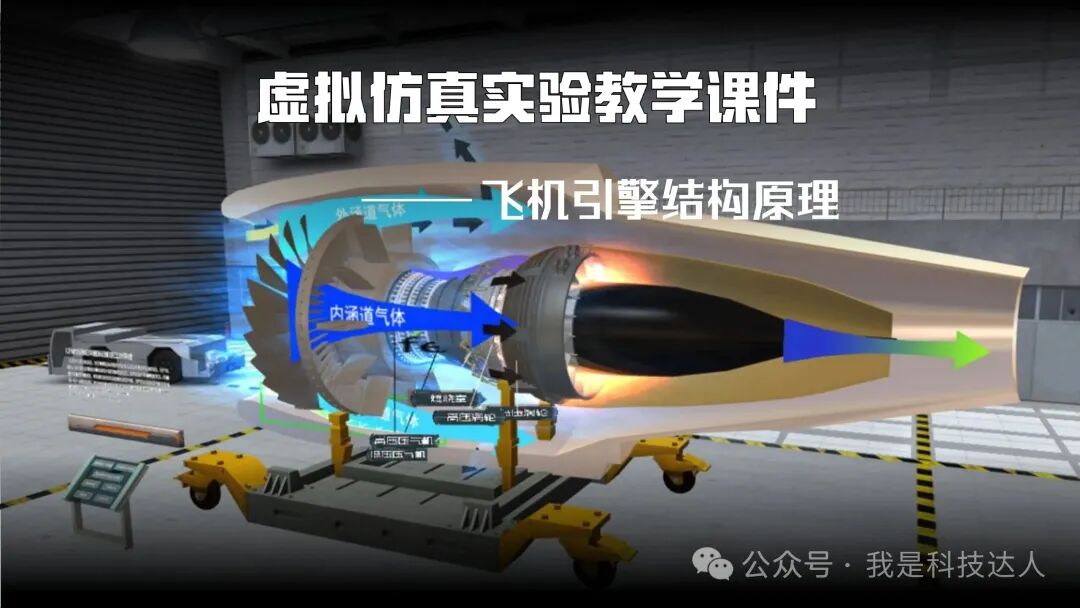
In terms of sensor data repair and compensation, when sensor data is missing or abnormal, PGNN can reasonably infer and repair the missing or erroneous data based on physical laws and existing data information. This provides the engine control system with more complete and accurate data, ensuring the stability and reliability of engine control.
In the area of engine performance prediction and optimization control, PGNN can predict trends in engine performance changes in advance through continuous learning and analysis of sensor data. The engine control system can adjust control strategies in advance based on this predictive information, achieving optimized control of the engine, thereby improving fuel efficiency, reducing pollutant emissions, and extending engine lifespan.
The Physics-Guided Neural Network, as a cutting-edge technology, opens up new pathways for achieving dynamic intelligence in aircraft engine sensors. Although there are still certain challenges in terms of model complexity and computational resource requirements, with continuous technological development and improvement, it is expected to be more widely applied in the aviation field, injecting strong momentum into the development of aviation.