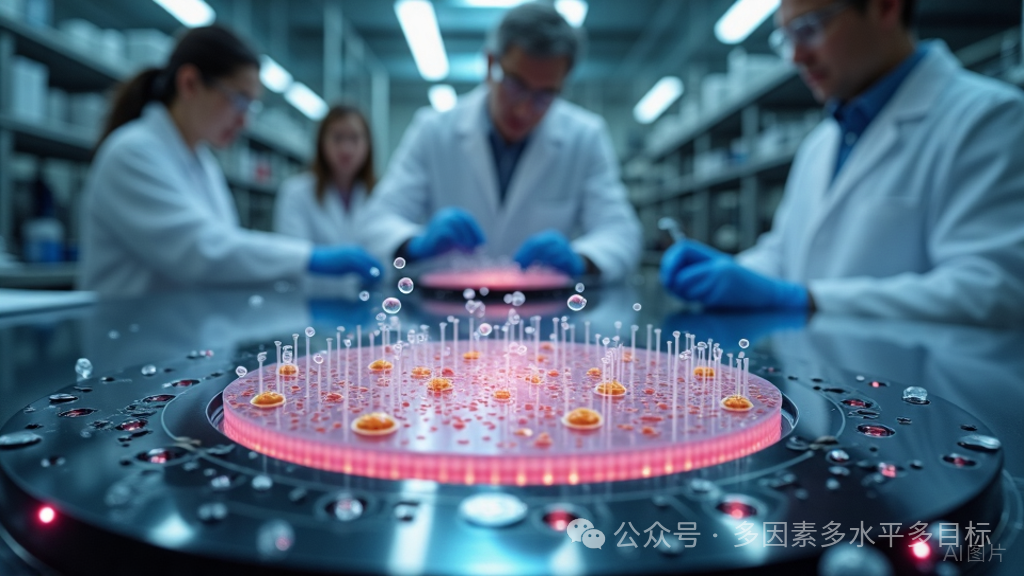
Organ-on-a-Chip (Organ-on-a-Chip, OOAC) is a micro-engineering system based on microfluidic technology that can highly simulate the structure and function of human organs, demonstrating revolutionary potential in drug development, disease modeling, and personalized medicine.
1.Technical Principles and Core Advantages
1. Technical Foundation
Organ-on-a-Chip constructs a microchannel network through microfabrication technology, utilizing living human cells to simulate organ functions such as respiration and blood flow. Its core elements include:
• 3D Cell Culture: By adding hydrogels and other biocompatible materials, it constructs3D tissue structures to more accurately simulate the in vivo environment.
• Biomechanical Environment Simulation: Physical signals such as fluid shear stress and electrical stimulation promote microtissue maturation and functionality.
• Fluid Control System: Utilizing microfluidic technology to regulate substance concentration gradients, cell arrangement patterns, and inter-tissue interactions.
2. Core Advantages
• Dynamic Real-time Control Capability: Can simulate in vivo physiological environments and monitor cell status in real-time.
• Experimental Condition Flexibility: Supports multi-parameter control to adapt to different research needs.
• Multi-component Integration: Can integrate technologies such as sensors and micro-electromechanical systems to achieve multi-organ collaborative simulation.
2.Application Fields and Typical Cases
1. Drug Development
• Full-process Application:
• Early Discovery: Accelerates disease model establishment and target screening.
• Lead Optimization: Achieves rapid iteration of drug molecules and safety evaluation.
• Preclinical Research: Enhances the reliability of drug toxicity predictions.
• Clinical Trials: Provides mechanism analysis and strategy optimization for failed cases.
• Case Study:
• Moderna utilized organ-on-a-chip technology to reduce the time for mRNA vaccine screening projects from5 years to 18 months, and costs from over 500 thousand dollars to over 30 thousand dollars.
• Pfizer and YaoSu Technology jointly released the “AI Deep Learning Pathological Image Automatic Recognition System,” compressing traditional manual pathological analysis, which took hours, to within 30 seconds, achieving over a hundred times efficiency improvement.
2. Disease Mechanism Research
• Neurodegenerative Diseases: Brain chip models can simulate Alzheimer’s disease, Parkinson’s disease, etc., revealing the destructive mechanism of β amyloid protein on neural networks.
• Respiratory Diseases: Lung chip models can study asthma, chronic obstructive pulmonary disease (COPD), etc., evaluating the effects of drugs onSARS-CoV-2.
• Cardiovascular Diseases: Heart chip models can simulate myocardial infarction, heart failure, etc., assessing drug cardiotoxicity.
3. Personalized Medicine
• By constructing personalized organ chips from patient-derived cells, different treatment plans can be tested to formulate the most suitable personalized treatment strategy.
• Case Study: The first new drug developed using heart organ chip data in China has been approved for clinical trials, shortening the original3-6 years of new drug discovery and screening time to over8 months, with costs reduced by nearly 40%.
3.Technical Challenges and Development Trends
1. Current Challenges
• Throughput Limitations: Large-scale automated analysis still needs breakthroughs.
• Lack of Standardization: There is a lack of unified technical specifications and evaluation standards.
• High Technical Complexity: Involves interdisciplinary intersections, making R&D difficult.
• Incomplete Ethical Regulatory Framework: A regulatory system that adapts to the development of new technologies needs to be established.
2. Future Trends
• Multi-organ Functional Coupling and System Integration: Achieving “human chip” simulation to enhance the research capabilities of complex diseases.
• Medical Engineering Intersection and Multi-technology Integration: CombiningAI, big data, and 3D printing technologies to promote technological iteration.
• High-throughput and Industrial Application: Reducing R&D costs and enhancing market competitiveness.
• Establishment of Industry Standard System: Accelerating the replacement of animal experiments and promoting the improvement of regulatory frameworks.
4.Market Dynamics and Policy Support
1. Market Size
• The global organ-on-a-chip market is expected to reach 620 million dollars by 2029, with a compound annual growth rate of 31.21% from 2023 to 2029.
• The Chinese market has a compound annual growth rate exceeding 30%, with industrial clusters covering the Pearl River Delta, Yangtze River Delta, and Beijing.
2. Policy Support
• FDA Policy: In April 2025, a significant policy will be released to gradually eliminate the mandatory requirement for animal testing in drug development for monoclonal antibodies, promoting the inclusion of innovative technologies such as AI modeling, organoids, and organ-on-a-chip into the regulatory framework.
• Chinese Standards: In August 2025, the first national standard in the organ-on-a-chip field, “General Technical Requirements for Skin Chips,” will be released to promote the standardized development of the industry.
3. Corporate Dynamics
• International Financing: Established organoid and organ-on-a-chip companies such as CN Bio have secured 21 million dollars in financing, Quris has secured 28 million dollars, and Vivodyne has raised 38 million dollars in seed funding.
• Multinational Cooperation: Multinational corporations such as Johnson & Johnson, AstraZeneca, and Merck are deepening cooperation with organ-on-a-chip companies, focusing on drug testing for the liver, lungs, and cancer.
• Chinese Innovation: YaoSu Technology is the only Chinese company selected for FDA standard-setting, and its “AI+ organ-on-a-chip” technology has been integrated into the R&D processes of multinational pharmaceutical companies such as Sanofi and Pfizer.
5.Conclusion and Outlook
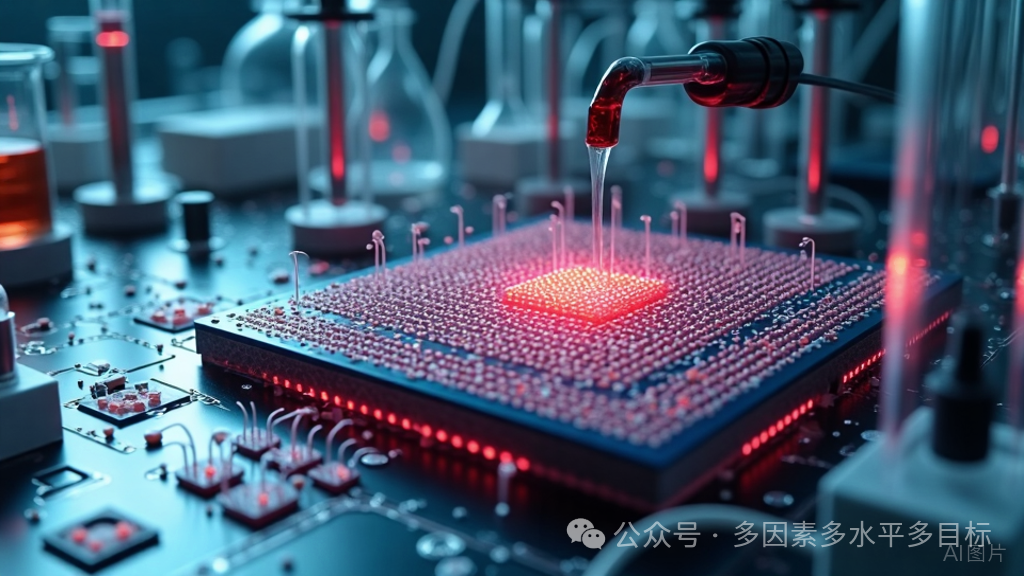
Organ-on-a-chip technology is transitioning from “simple replacement of animal experiments” to “precise reconstruction of human pathological/physiological mechanisms,” making a leap forward and becoming a revolutionary technology in precision medicine and drug development. With the integration of technologies such as AI, big data, and the support of policies and the improvement of standardization systems, organ-on-a-chip is expected to play a core role in future biomedical research, bringing disruptive changes to human health.
20250907