Recently, I discovered that Orange Pi has released a new product. Although it hasn’t officially launched yet, various materials and images have already been made available. Just looking at its appearance and name, I was quite taken aback; it’s called
Orange Pi R2S
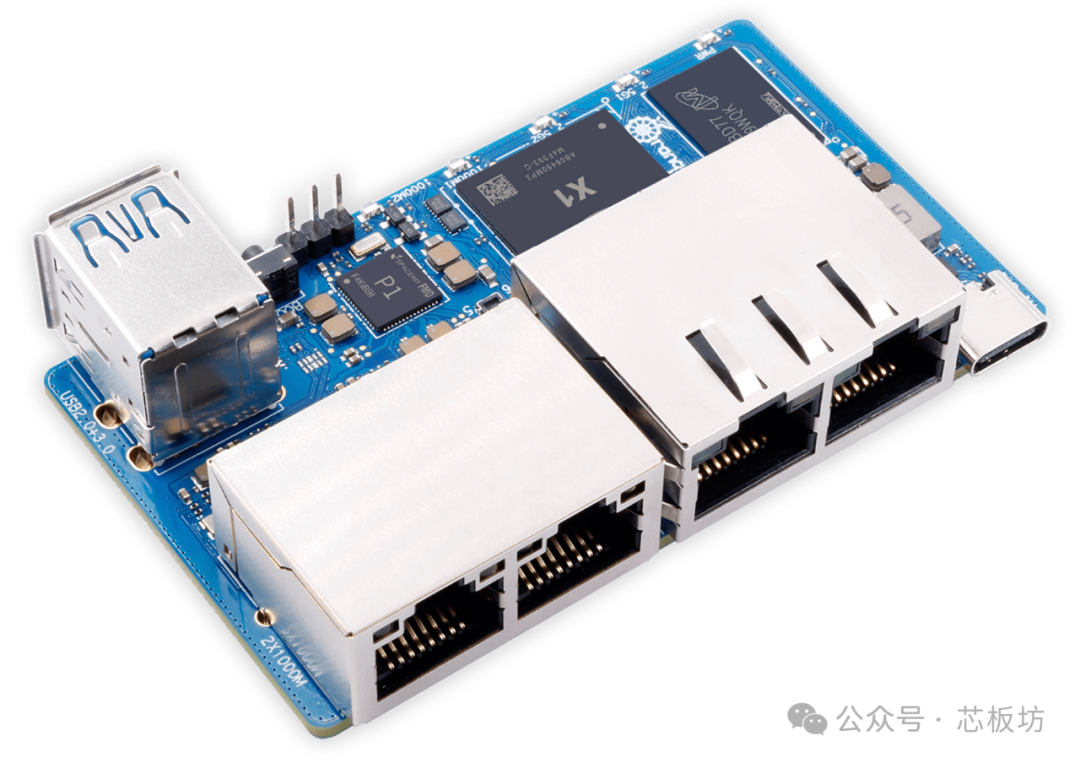
This clearly aims to compete with FriendlyARM’s NanoPi R2S, but this time I believe it truly has the capability to do so.
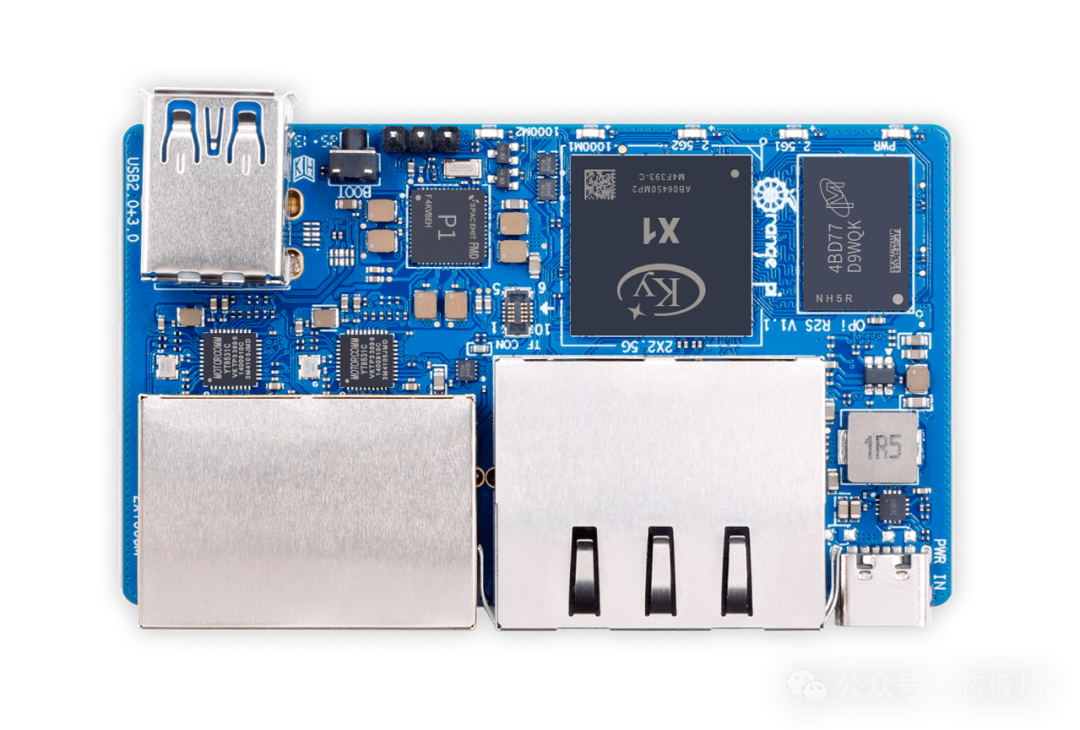
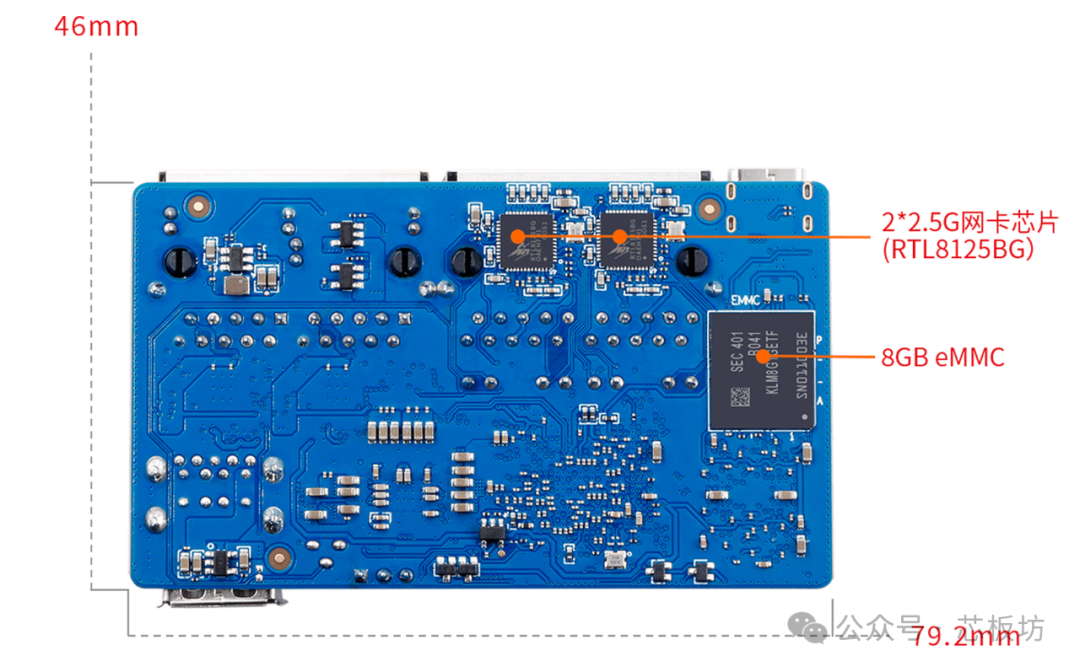
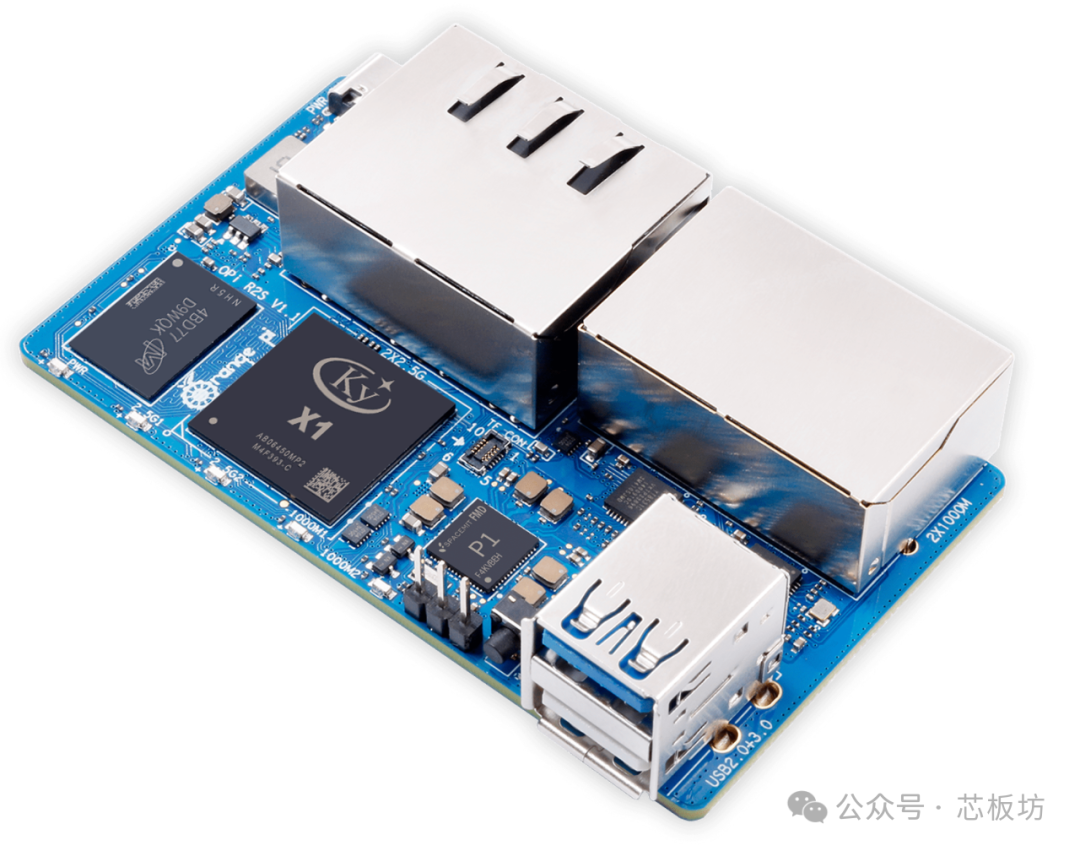
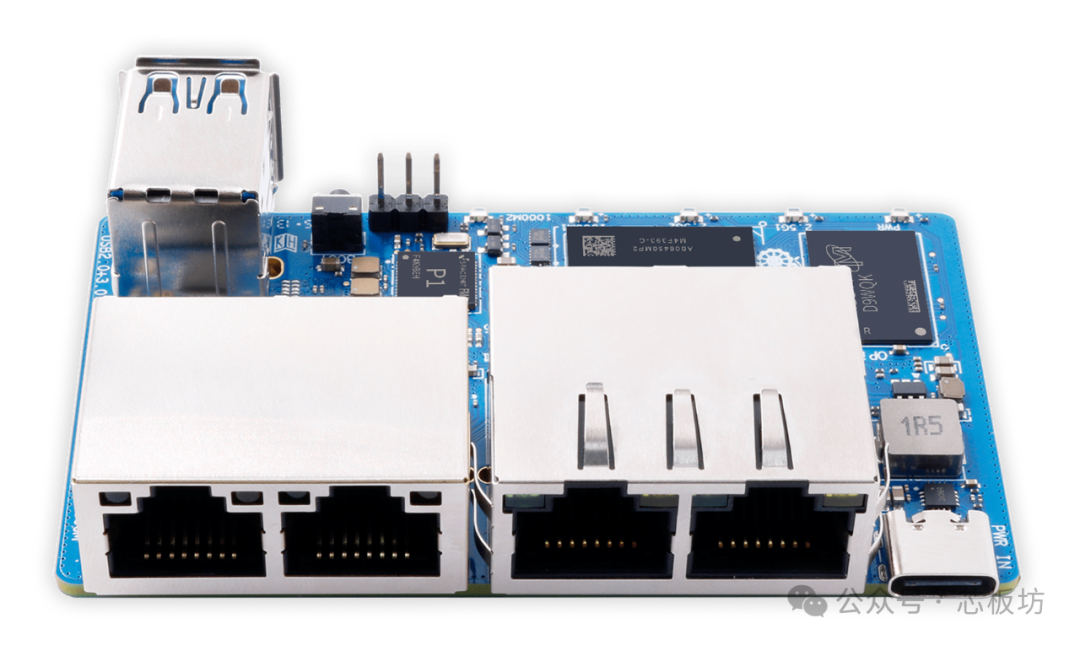
Let’s first look at the most important aspect of a soft router, which is the network ports: two 2.5G PCIe network ports (RTL8125BG) and two Gigabit network ports (YT8531C).

That’s right, it comes with four network ports. This is much more generous than what FriendlyARM typically offers with just two ports.
It also features one USB 2.0 port and one USB 3.0 port.
There is a Type-C power input, with the official recommendation of 5V/3A or higher.
The development board is also very compact, measuring only 79.2x46mm.
In terms of configuration, it uses the Orange Pi’s Allwinner Ky X1, an 8-core RISC-V SoC

It has 2TOPS of integrated computing power.

Available configurations include 2GB/4GB/8GB LPDDR4X and 8GB eMMC.

On the software side, it supports Ubuntu Noble Server, which is the Ubuntu 24.04 server version, as it has received official support from Ubuntu, and the version is quite new.
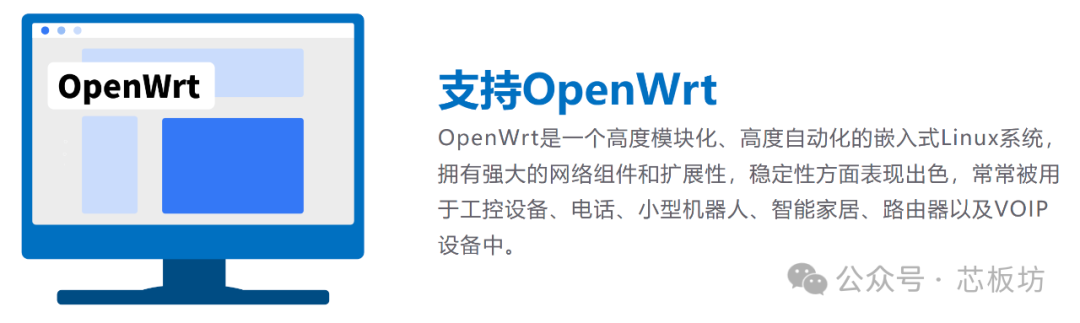
It also supports the OpenWRT system. Although I haven’t seen other images yet, I estimate that there will be enthusiasts adapting more images in the future.
The price has also been released and is roughly similar to the Orange Pi RV2.
The price for the 2GB + 8GB version is 249
The price for the 4GB + 8GB version is 299
without a case.
At this price point, I believe it is actually targeting the FriendlyARM NanoPi R5C, which uses the RK3568, has two 2.5G network ports, and the 2+32GB version is priced at 349.
This Orange Pi R2S is positioned precisely between the NanoPi R3S and the NanoPi R5C, making its positioning very accurate.
It can be said that it caught NanoPi off guard, as one has dual Gigabit and the other has dual 2.5G. Both use chips like RK3566 and RK3568, so in terms of performance, there isn’t much of an advantage. Not to mention that Orange Pi directly provides four network ports.
I believe that FriendlyARM needs to reflect on this as well, considering that they had already done quite well with their soft routers, especially with the previous R2S selling very well. Have they become a bit complacent? Recently, FriendlyARM hasn’t launched any notable soft routers, with only the R3S being a new product, but it still only offers dual Gigabit, which is indeed a bit stingy.
However, NanoPi still has two significant advantages that other brands need to catch up on: one is that almost every soft router product has a corresponding metal case, and the build quality is quite good. The other is that FriendlyARM’s soft routers are basically all compatible with iStoreOS, and most have received official adaptations, with many other enthusiasts also adapting FriendlyARM’s products, which is one of the reasons for their strong sales.
For Orange Pi, both the metal case and software ecosystem are currently its biggest shortcomings.
If they could get iStoreOS or other experts to adapt it, this would become the next generation of soft router magic device.
This would be the same for experts, but for beginners, it would still increase the barrier to entry, and the adaptation for RISC-V might not be that simple.
Fortunately, there is still support for Ubuntu, so using it as a development board with multiple network ports is also feasible. However, I believe Orange Pi should expose the pins, such as a 40-pin header, instead of cutting this for the sake of size. After all, the ecosystem is not very mature yet, and this approach seems overly aggressive, unless Orange Pi has already secured a partnership with iStoreOS or similar adaptation plans, otherwise, I think it is unwise.
I also believe that this development board still has room for price reduction, for example, by eliminating the eMMC and pricing it at 199, I think the Orange Pi R2S would outperform almost all soft router products under 300.
But in the end, I still want to mention that the naming of domestic development boards is really lacking in imagination. They just copy the model of whatever is popular, making it seem like a substitute, which I think reflects a lack of confidence in the brand. They could easily create a new model instead of this simplistic and crude approach, even copying the development board model. At the very least, they should avoid model collisions.
Our public account has launched AI intelligent Q&A
There are recommendations for development boards, searching for development board parameters, and other fun experiences
Welcome to visit our development board selection website, although it is not yet very complete, we have already recorded about 500 development boards. If you are interested or have needs, you can take a look at our selection website. If you have any good suggestions, you can also mention them in the group or leave us a message..
Our website domain is:findboard.cn
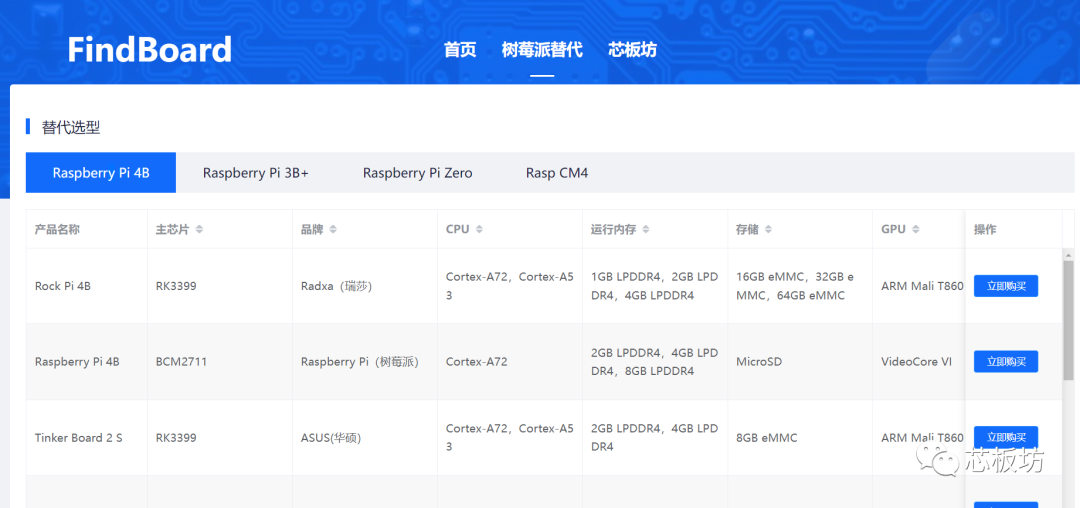
(We have not yet adapted for mobile, so it is recommended to access it using a computer browser)