[Selected Literature – Literature Review] Mitochondrial signal transduction
The analogy of mitochondria as energy sources is outdated. Mitochondria are living, dynamic, genetic, energy-transforming, biosynthetic, signaling organelles that actively transduce biological information. We consider mitochondria to be the processors of cells, forming the mitochondrial information processing system (MIPS) alongside the nucleus and other organelles. In a three-step process, (1) mitochondria perceive and respond to endogenous and environmental input signals through morphological and functional remodeling; (2) integrate information through dynamic, network-based physical interactions and diffusion mechanisms; (3) generate output signals that regulate the functions of other organelles and systemically adjust physiology. This transformation from input to output allows mitochondria to transduce local or systemic signals that enhance the organism’s adaptability in metabolism, biochemistry, neuroendocrine functions, and more. A clear focus on mitochondrial signal transduction emphasizes the role of communication in mitochondrial biology. This framework also opens up new avenues for understanding how mitochondria mediate inter-organ processes in human health.
Figure 1 Milestones in mitochondrial research indicate the need for multifaceted comprehensive observation of this organelle.
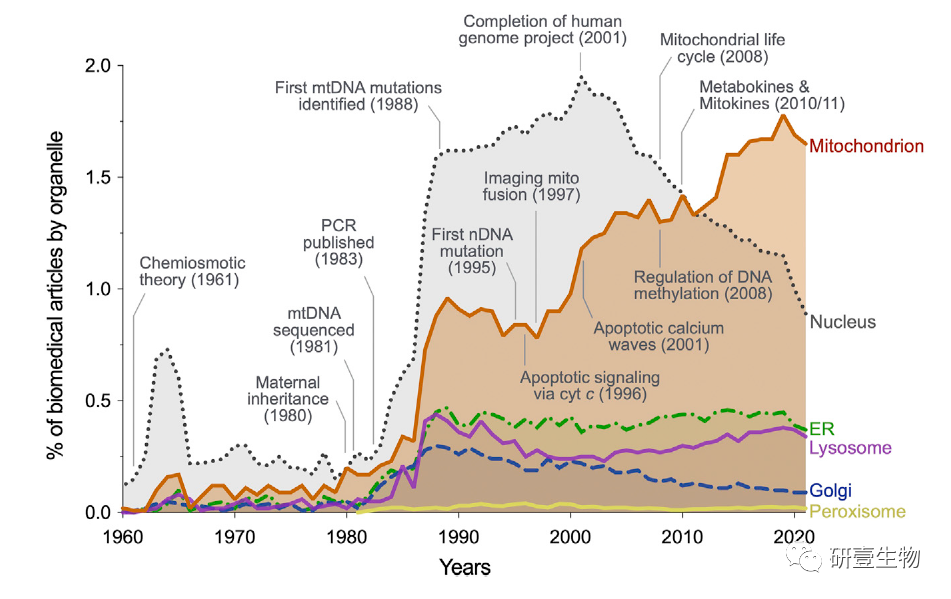
Figure 2 The three-step model of mitochondrial signal transduction. Mitochondria as the mitochondrial information processing system (MIPS) are generators of input and output.
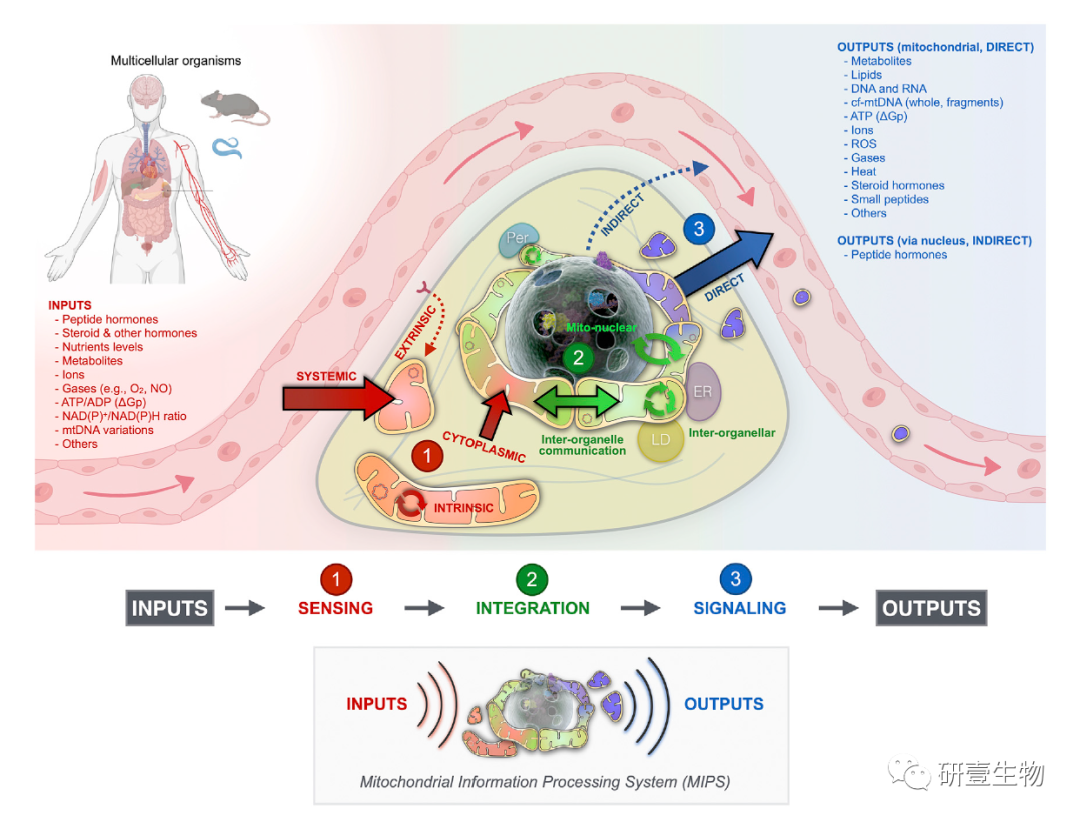
Figure 3 Markers of mitochondrial signal transduction.
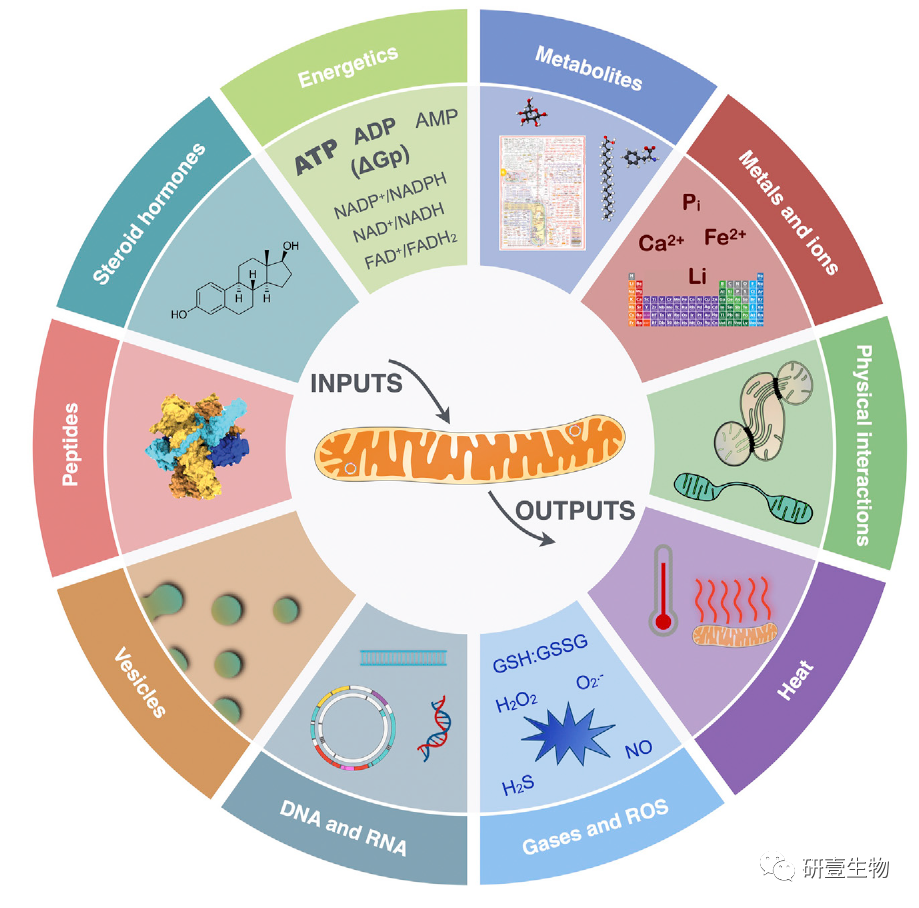
Figure 4 MIPS Step One: Perception
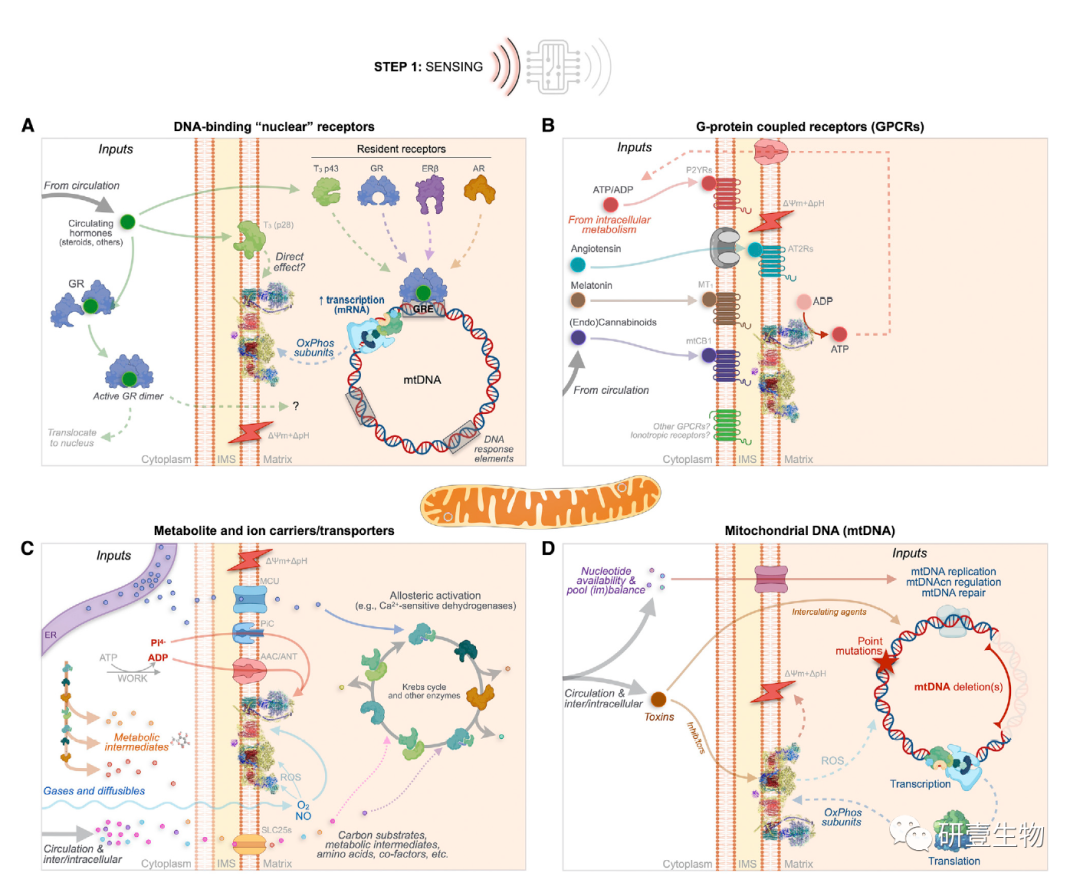
Figure 5 MIPS Step Two: Signal Integration
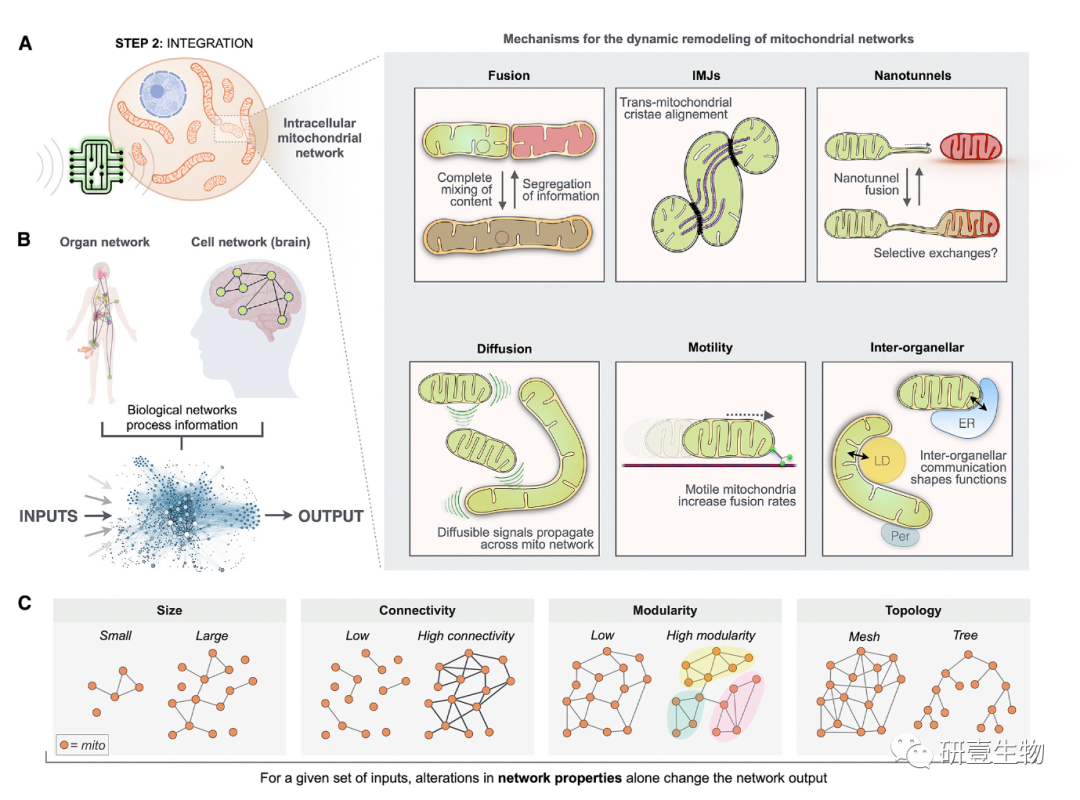
Figure 6 MIPS Step Three: Signals
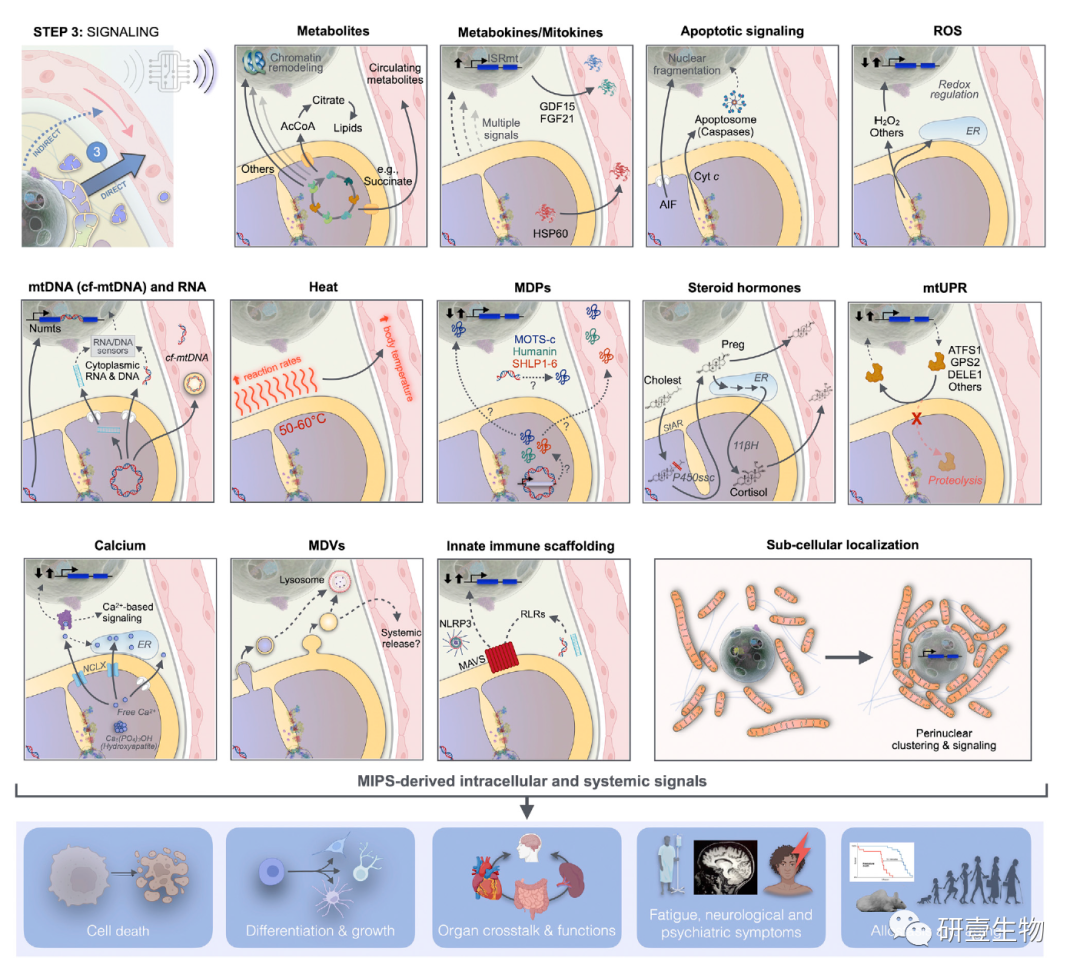
Figure 7 Core components of MIPS for mitochondrial signal transduction.
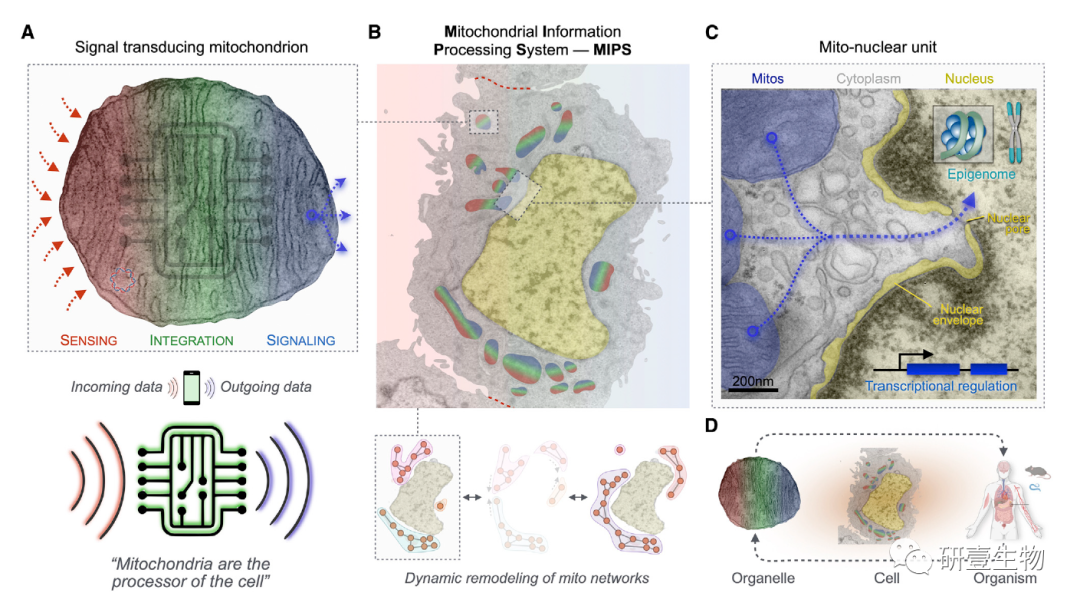
In the past few decades, mitochondrial research has made significant progress in our understanding of the functions and behaviors of mitochondria within cells. Recently, an increasing amount of evidence has revealed how mitochondria extensively communicate with other organelles, between cells, and even across organ systems. Integrating these concepts into a common framework indicates that the core role of mitochondria is to transduce information, functioning as a distributed information processing system. The most advanced forms of known signal transduction occur in the brain, effectively integrating sensory inputs to form precise internal representations of the external world, and subsequently deploying optimal biological responses and behaviors to promote adaptation and survival. We believe that mitochondria possess a similar, yet more primitive form of signal transduction. MIPS integrates a continuous flow of molecular and non-molecular inputs regarding system energy and metabolic status, which then collaborates with the nucleus to deploy a series of outputs that guide cellular and organismal adaptation (Figure 7).
The mitochondrial signal transduction framework emphasizes how mitochondria play a core role in both energy transformation and biosynthesis as well as signal transduction. This framework also assists us in increasingly precise, mechanical, and reductionist studies of mitochondrial characteristics, activities, functions, and behaviors in the context of organisms and their environments. Viewing mitochondria as a distributed information processing system (or as a “gateway” located at the interface between the external environment and the cellular (epi)genome) integrates all historical domains of mitochondrial biology. Therefore, the mitochondrial signal transduction framework emphasizes the necessity of integrating knowledge across subfields of mitochondrial science. It also highlights how mitochondrial biology may be associated with organismal health in various ways beyond just energetics.
Improving human health is a common goal for the biomedical community. This collective effort involves establishing increasingly accurate theories, models, and testable hypotheses that not only stumble in the late stages of disease but also achieve optimal adaptation for health. Health is the ability to optimally respond to challenges, and organismal health arises from the functional interconnections and interactions between the biological regulatory cellular and physiological systems, behaviors, and psychosocial states, and vice versa. As we begin to map the foundations of health beyond the absence of disease, it seems crucial to mechanistically decipher two important forces associated with mitochondria. The first is energy, which breathes life into otherwise inert genes and powers the functions of cells and organs. The second is communication or signal transduction, which connects parts together, thus transforming parts into a whole. Signal transduction transforms cells into cellular collectives and binds organs into an organism. The organism – not the cell – is the ultimate evolutionary unit where selective pressures act and health manifests.
Therefore, elucidating the multifaceted role of mitochondria in organismal signal transduction can help us achieve the common goal of improving human health in three main ways: (1) by broadening and prioritizing the testing of mitochondrial biological questions related to health, (2) selecting ideal human research designs or animal model systems to address these questions; (3) more effectively linking new molecular, cellular, and physiological discoveries in mitochondrial biology to human health.