 For more exciting content, please click aboveGlobal Intelligent ManufacturingFollow us!
“MIT has developed a bee-like robot that can flap its wings up to 400 times per second, which may be used for pollination on Mars and in indoor agricultural operations, and can carry twice its own weight, ushering in a new era of micro-robots.”
According to CNN, a research team at the Massachusetts Institute of Technology (MIT) is developing a bee-like robot with a wing vibration frequency of up to 400 times per second. The project is led by Kevin Chen, the principal investigator at MIT’s Soft Robotics Lab, aiming to replicate the incredible flying skills of bumblebees.
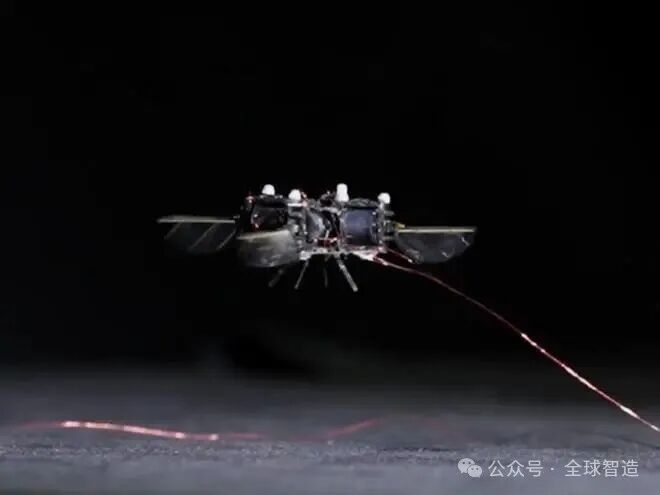
Researchers state that this robotic bee is expected to take on tasks such as artificial pollination. In environments where real bees struggle to survive, such as indoor agricultural farms equipped with ultraviolet lighting, it can play a crucial role. The team also believes that the robot has potential for similar tasks on other planets.
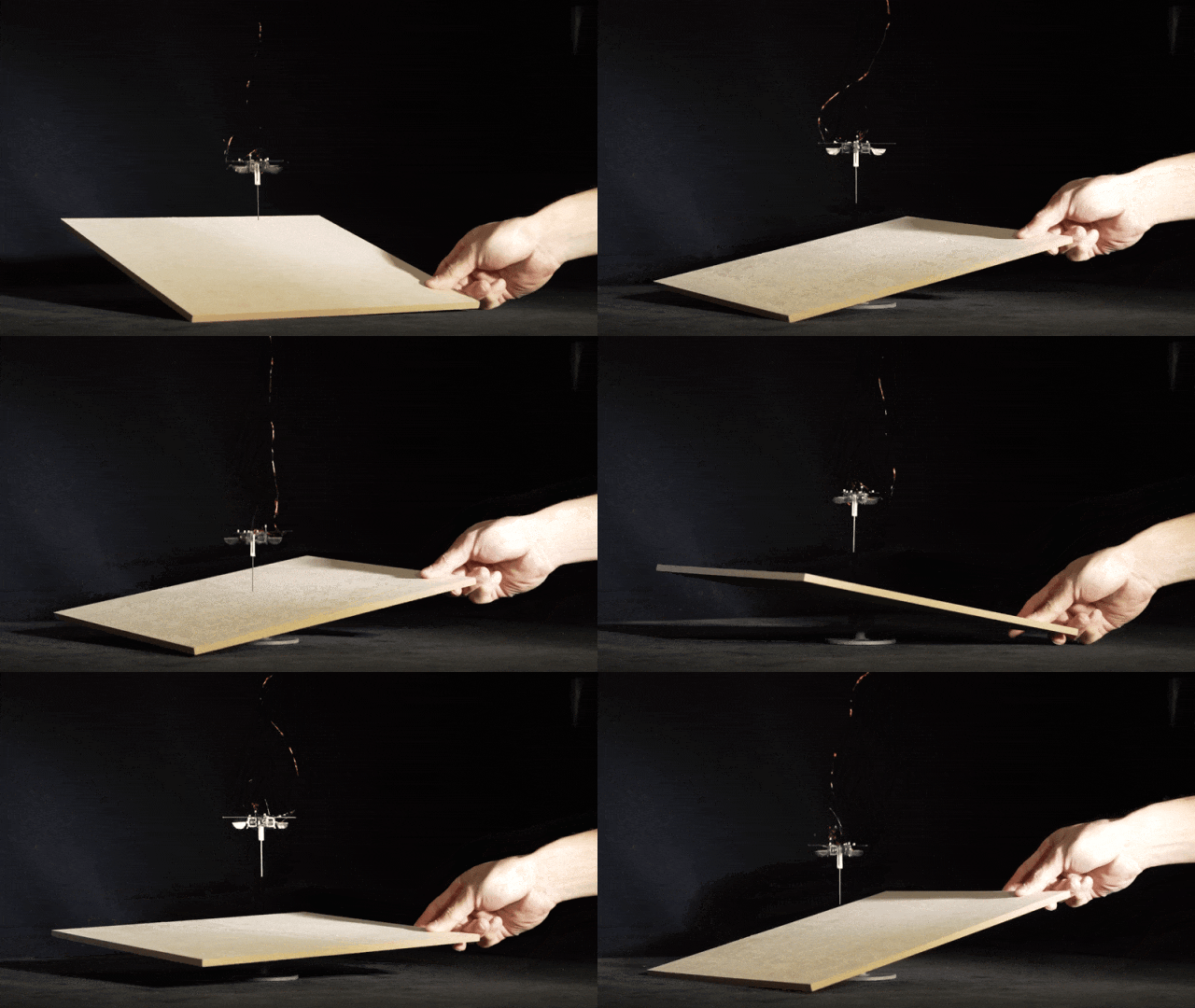
“If you want to grow crops on Mars, you probably wouldn’t want to bring a lot of natural insects to do the pollination work. This is where our robot is expected to come in,” said Yi-Hsuan Hsiao, a doctoral student involved in the project.
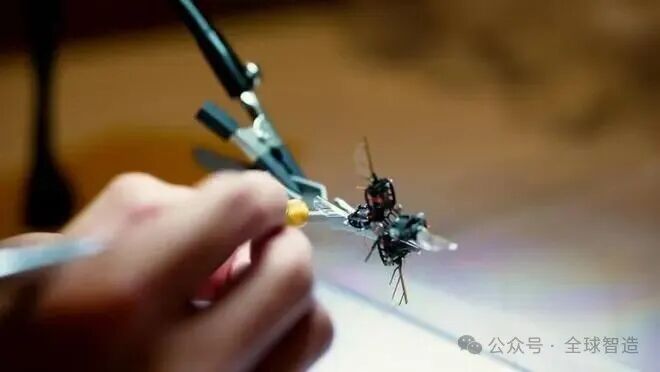
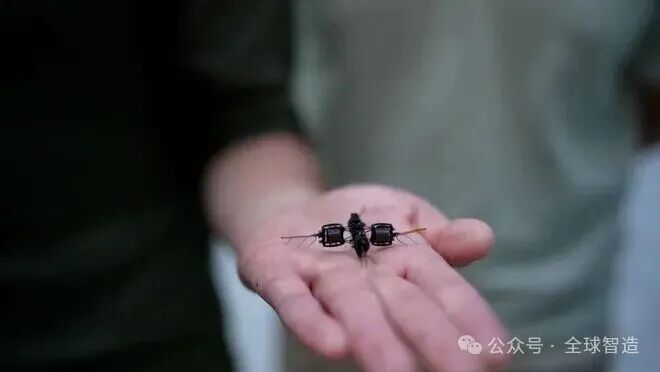
According to IT Home, this robot is compact, weighing less than a paperclip, and achieves flight through flexible muscles that can quickly contract and expand. The research team is also developing a more energy-efficient robot that combines flying and jumping capabilities. This jumping robot is smaller than a human thumb and consumes about 60% less energy than the flying version. Thanks to its higher energy efficiency, its payload capacity is approximately ten times that of the flying version. The team has confirmed that this robot can carry objects weighing twice its own weight, and its maximum load capacity may even exceed current test results.
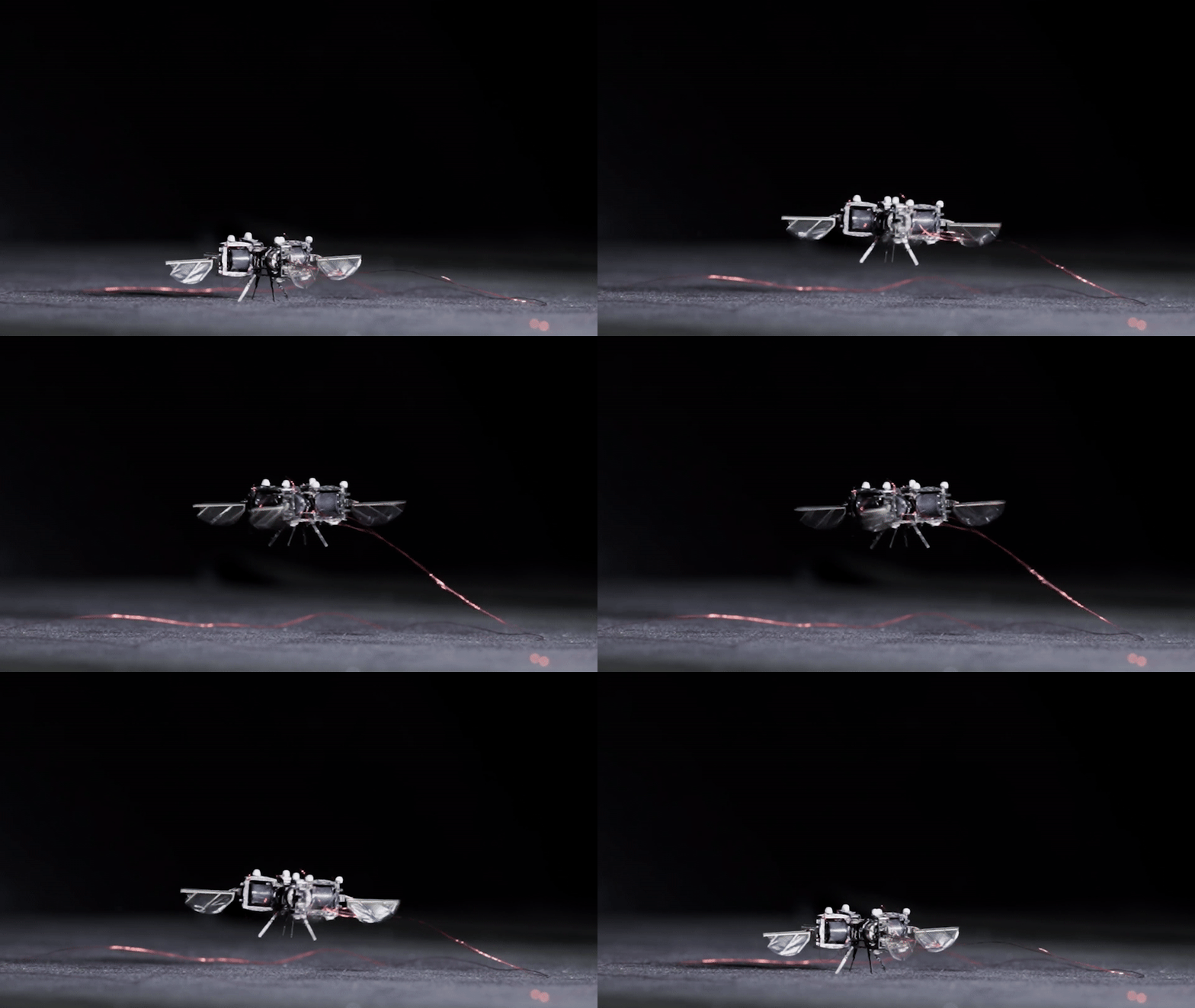
These robots need to be powered by wires, as installing batteries in such a small body is a daunting challenge. Kevin Chen estimates that the mature development of such robots may still take 20 to 30 years. However, their current research results may lay the foundation for the next generation of micro-robots.
 1Comparison of automobile exports from China, Japan, and South Korea in the first half of the year: China 3.08 million units, a staggering gap!2Exports with higher “new content”! The export of the “new three items” in 2024 increased by 2.6 times compared to 20203No aerial explosions! Successfully flying half the globe in one hour, Musk’s Starship succeeded4Monthly electricity consumption first breaks 1 trillion kilowatt-hours, what does this “global first” mean?5Just now, a semiconductor leader emerged from Zhejiang, the first in China and second globally in target material supply!6Cooling is more expensive than gold! Liquid-cooled cabinets cost 200,000 each, and Chinese companies are controlling the global AI lifeline