In 2024, the orthopedic surgical robot market is estimated to be valued at approximately $2.6 billion, expected to rise to $7.8 billion by 2032, with a compound annual growth rate (CAGR) of up to 13.2%. The surge in market size is primarily attributed to the increasing prevalence of musculoskeletal diseases and the growing demand for surgical precision. Technological advancements in robotic systems and the proliferation of minimally invasive surgeries are significant drivers of market expansion. The integration of artificial intelligence and machine learning in robotic surgeries has significantly enhanced surgical accuracy and efficiency, painting a broad prospect for the orthopedic surgical robot market.
The increase in the global aging population is a key factor driving the growth of the orthopedic surgical robot market. The elderly are more susceptible to orthopedic diseases such as osteoarthritis and osteoporosis, leading to a surge in demand for surgical interventions. Consequently, there is a skyrocketing demand for advanced robotic surgical solutions that provide high precision and shorten recovery times. Additionally, the increased awareness and acceptance of robot-assisted surgeries among patients and healthcare professionals have also propelled market development. The continuous optimization of robotic technology meets the demand for efficient and safe surgeries, further accelerating market expansion.
The significant advantages of robot-assisted surgeries over traditional surgical methods have become another major growth engine. Robotic systems achieve better clinical outcomes through enhanced visualization, flexible operability, and precise control. The reduction of postoperative complications and shortened hospital stays have reinforced market preference for such technologies. As healthcare institutions and surgeons become more accepting of innovative technologies, the demand for orthopedic surgical robots will continue to rise. Furthermore, the improvement of specialized training and qualification certification systems for robotic surgeries has accelerated the popularization of advanced systems, injecting momentum into market growth.
Support from governments in various regions and favorable reimbursement policies have also contributed to market growth. Governments and healthcare institutions worldwide are increasing investments in medical infrastructure and advanced technologies (including orthopedic surgical robots), combined with friendly reimbursement policies, enabling more patients to afford robotic surgeries, thus expanding market coverage. At the same time, collaborations between leading industry players and healthcare institutions have deepened, promoting the research and application of orthopedic surgical robots, forming a virtuous market ecosystem.
Regionally, the orthopedic surgical robot market in the Asia-Pacific region has shown particularly significant growth. Increased medical spending, heightened awareness of advanced surgical technologies, and a large population of orthopedic disease patients are driving development in this region. The rapid upgrade of medical infrastructure in emerging economies has also created conditions for the application of robotic systems. North America and Europe, leveraging their technological leadership, high prevalence of minimally invasive surgeries, and supportive regulatory policies, hold a major market share. Although the current market size in the Middle East, Africa, and Latin America is relatively small, benefiting from improved medical conditions and increased investment in medical technologies, stable growth is expected in the future.
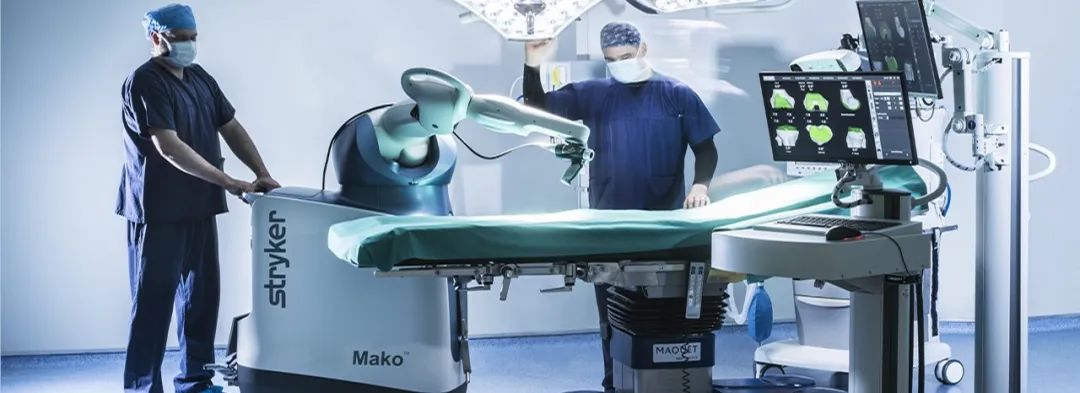
Joint Replacement Surgical Robots are revolutionizing the orthopedic surgical field with revolutionary precision. These cutting-edge systems are designed to assist in complex surgeries such as knee and hip joint replacements, enhancing the accuracy of prosthetic positioning—key to the longevity and functionality of replacement joints. The integration of robotic technology not only optimizes surgical outcomes but also reduces the risk of complications, shortens recovery times, and improves patient satisfaction. As the demand for joint replacement surgeries (especially among the aging population) continues to grow, robotic technology is increasingly becoming an essential solution to meet this medical need.
Market Segmentation
1
Type Analysis
The orthopedic surgical robot market can be divided into three main segments: robotic systems, instruments and accessories, and services based on product type.
Robotic systems serve as the core segment, consisting of physical robotic platforms equipped with advanced software and technology. The growth in demand stems from the significant advantages of precise operations and improved surgical outcomes. Innovations such as increased automation and the integration of artificial intelligence technologies are accelerating the popularization of these systems. As hospitals and surgical centers strive to enhance surgical capabilities, strategic investments in robotic systems continue to increase, becoming the core driving force behind the growth of this segment.
Instruments and Accessories are another critical component, encompassing specialized tools and ancillary devices used to perform various surgeries in conjunction with robotic systems. With the increasing demand for high-precision operations in complex surgeries, the need for innovative, high-performance instruments is rising. Developing multifunctional and durable instruments to adapt to diverse robot-assisted surgical scenarios is crucial. Underpinned by market development, enhancing surgical efficiency and safety has become the focus of instrument research and development, further promoting the expansion of this segment.
Service Products include installation, maintenance, training, and technical support services for robotic systems. Their importance lies in meeting the demand for system reliability and functional stability. As healthcare institutions accelerate the adoption of robotic solutions, the demand for comprehensive service solutions has surged. Key training programs provided by service providers help surgeons master robotic operation skills, while ongoing maintenance and technical support ensure efficient system operation and reduce downtime, collectively driving the development of this segment.
The synergistic effect of the three product types is the cornerstone of the overall development of the orthopedic surgical robot market. As robotic systems become increasingly sophisticated, the demand for compatible, advanced instruments and accessories grows stronger; the increase in system installations also generates demand for training, maintenance, and other services. This interconnection confirms the comprehensive nature of market growth and highlights the key role of each link in enhancing market value. In the future, the integration of cutting-edge technology across all product types will remain the core driving force of growth.
The product type segments of the orthopedic surgical robot market exhibit tremendous growth and innovation potential. The continuous iteration of robotic systems, the development of specialized instruments, and a robust service system are reshaping the orthopedic surgical landscape. As the market matures, the goals of enhancing surgical precision, efficiency, and safety will continue to drive the vigorous development of each product type segment.
2
Application Analysis
The applications of orthopedic surgical robots encompassspinal surgeries, knee surgeries, hip surgeries andother areas, each facing unique opportunities and challenges.
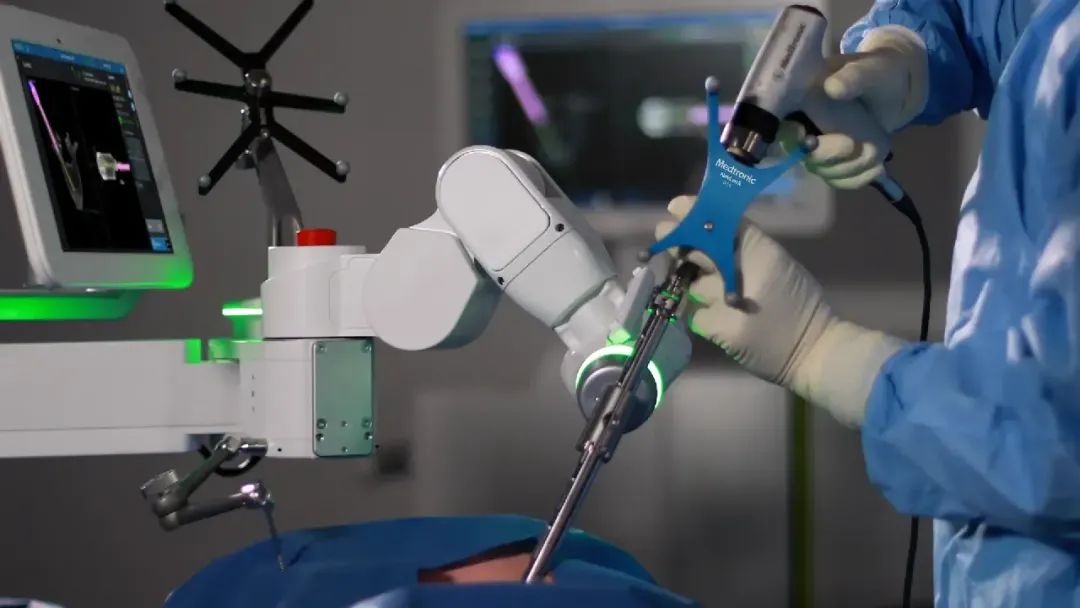
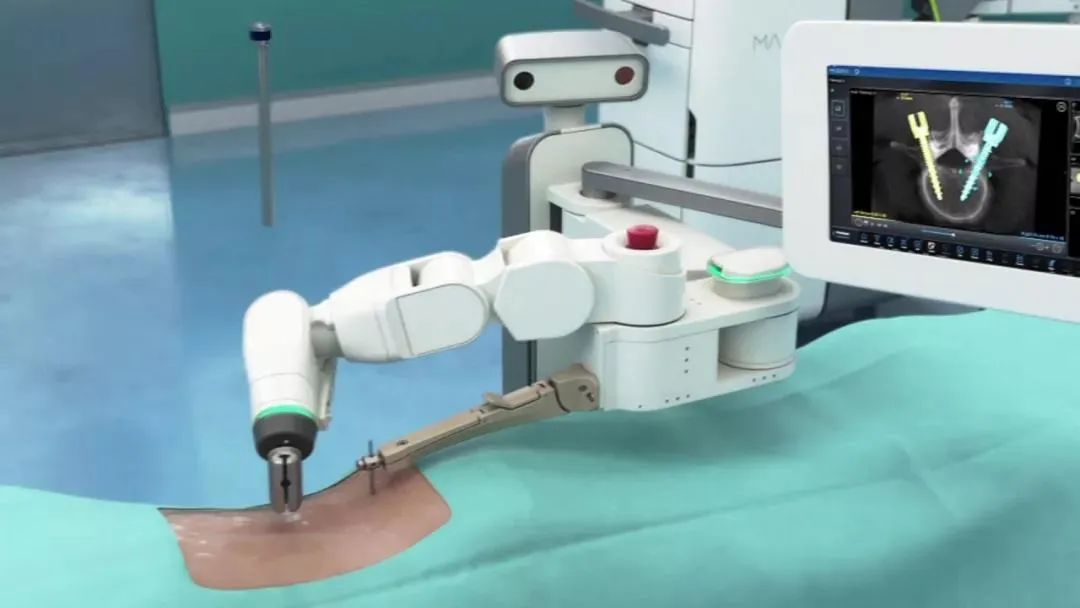
Spinal surgeries are an important subfield, with demand stemming from the complexity and precision required in spinal operations. Robot-assisted spinal surgeries can significantly enhance operational accuracy and reduce the risk of complications, making it particularly critical in intricate spinal procedures. The rising prevalence of spinal diseases and the demand for minimally invasive solutions are driving the adoption of robotic systems in this field. Advances in imaging and navigation systems further reinforce robotic functions, making them indispensable tools in modern spinal surgeries.
Knee Surgeries represent another major application scenario for orthopedic surgical robots, driven by the increasing incidence of knee diseases such as osteoarthritis and sports injuries. Robotic systems improve surgical outcomes and enhance patient satisfaction by precisely positioning knee joint prostheses. Customizing surgical plans based on individual patient anatomical structures is a core advantage of robot-assisted knee surgeries, accelerating their widespread adoption. As the aging population and the demand for knee replacements grow, robotic technology will play a key role in enhancing surgical precision and efficiency.
Hip Surgeries (especially hip replacements) also benefit from the integration of robotic technology. Robotic systems ensure precise implantation of prostheses, reducing dislocation risks and optimizing long-term efficacy. The aging trend and the rising prevalence of hip diseases will drive the growth of hip surgery demand. Robot-assisted hip surgeries provide minimally invasive options, shortening recovery times and improving patient experiences. Continuous innovation in hip surgery techniques and prosthetic designs will further promote the application of robotic systems in this field.
In addition to spinal, knee, and hip surgeries, orthopedic surgical robots are expanding intoshoulder and ankle surgeries and other areas. The flexibility of robotic systems to adapt to diverse surgical needs highlights their application potential across multiple orthopedic scenarios. As surgeons become increasingly proficient with robotic technology, the scope of application will continue to expand, creating new opportunities for market growth. Research and development aimed at broadening the functionality of robotic systems will be key to unlocking the potential of emerging application areas.
The application segment of the orthopedic surgical robot market fully demonstrates the transformative impact of robotic technology on various surgeries. The precision, safety, and efficiency provided by robotic systems are driving their proliferation across multiple orthopedic fields. As technological advancements continuously optimize robotic surgical capabilities, the boundaries of their application will keep expanding, paving new paths for market growth and innovation. In the future, the goals of enhancing patient outcomes and surgical precision will remain the core driving forces behind the development of this field.
3
User Analysis
The terminal user segment of the orthopedic surgical robot market includeshospitals, ambulatory surgical centers (ASCs) andspecialty clinics, each with unique demands and contributions to the market.
Hospitals are the largest terminal user group, with advantages in comprehensive facility resources and the ability to integrate advanced technologies. Hospitals introduce orthopedic surgical robots to enhance surgical precision, shorten recovery times, and optimize patient outcomes. As hospitals continue to strengthen their surgical capabilities, the integration of robotic systems has become a strategic focus, driving overall growth in this segment.
Ambulatory surgical centers (ASCs) are emerging as important terminal users in the market. These centers are favored for their low-cost, high-efficiency day surgery services, and their motivation to introduce robotic systems lies in providing minimally invasive procedures, reducing hospital stays, and accelerating patient recovery. The strengthening trend of outpatient medical services and the demand for high-quality surgical outcomes are prompting ASCs to accelerate the adoption of robotic solutions. In the future, as medical models evolve, the role of ASCs in the application of orthopedic surgical robots will become increasingly critical.
Specialty clinics focusing on specific orthopedic diseases or procedures are also important terminal users. These institutions typically adopt new technologies first to enhance service competitiveness and attract patients seeking specialized treatment. The introduction of robotic systems helps clinics achieve precise and personalized surgical interventions, thereby improving clinical outcomes. The competition among specialty clinics to provide cutting-edge therapies drives the application of orthopedic surgical robots. As clinics seek market differentiation, investment in advanced robotic technologies will continue to increase.
The synergistic effect of the three terminal user segments is at the core of the overall development of the orthopedic surgical robot market. Hospitals, leveraging their resource and infrastructure advantages, often serve as training and research centers, promoting the widespread adoption of robotic systems; ASCs focus on efficiency and cost optimization, creating demand for flexible, multifunctional robotic solutions; specialty clinics concentrate on niche areas, fostering the development of innovative technologies and targeted robotic applications. Together, they form a diverse driving force for market growth, each playing a key role in shaping the industry landscape.
Market Factors
The orthopedic surgical robot market, driven by technological advancements and evolving medical needs, showcases tremendous growth and innovation opportunities. Among them,the continuous development of integrating artificial intelligence and machine learning technologies is one of the most significant opportunities. These technological breakthroughs enhance the precision and efficiency of robotic systems, expanding their application capabilities across diverse surgical scenarios. As the healthcare industry accelerates its digital transformation, the demand for high-end robotic solutions will continue to rise, creating a favorable environment for market expansion. Companies dedicated to innovative research and optimizing robotic technologies will gain a competitive advantage in this rapidly evolving market.
Another important opportunity lies in the increasing emphasis onpersonalized medicine and patient-centered care. Robotic systems can customize surgical plans based on individual patient needs, thereby enhancing clinical outcomes and patient satisfaction. The trend towards patient-specific implants and surgical methods drives the demand for advanced robotic solutions that enable customized treatments. Moreover, the expansion of telemedicine and surgical capabilities opens new growth pathways for the market—robotic systems can support remote consultations and even surgical operations. The ability to provide personalized and telemedicine services will become a key opportunity for companies to stand out in the market.
Despite numerous opportunities, the orthopedic surgical robot market still faces constraints. The primary challenge isthe high costs of robotic systems and subsequent maintenance and training expenses. The significant capital investment required for the purchase and maintenance of robotic systems poses a barrier for small healthcare institutions with limited budgets. Additionally, the complexity of robotic systems necessitates long-term training for surgeons and medical teams, further increasing time and financial costs. These factors may delay the popularization of robotic systems, especially in regions with tight medical budgets or underdeveloped infrastructure. Addressing cost-related challenges is key to unlocking the potential of the orthopedic surgical robot market.
1
Regional Insights
The regional outlook of the orthopedic surgical robot market reveals disparities in technology adoption and growth potential across different geographic areas. North America, with its advanced medical infrastructure, high prevalence of innovative technologies, and supportive regulatory environment, continues to dominate the market. This region is home to several industry leaders, and continuous R&D investment further solidifies its market position. Among them,the United States holds the largest market share due to its high emphasis on medical innovation and advantages in robotic technology investment. The North American market is expected to maintain its lead with a CAGR of approximately 12.5%.
Europe is also a significant market for orthopedic surgical robots, characterized by mature technology application and growing demand for minimally invasive surgeries. Countries like Germany, the UK, and France are at the forefront of robotic system applications, supported by favorable medical policies and investments in medical technologies. The European market benefits from a strong R&D ecosystem, driving continuous innovation in robotic surgical technologies. As patient-centered treatment philosophies and precision medicine gain attention, the demand for orthopedic surgical robots in the European market will steadily grow.
The Asia-Pacific region exhibits significant growth potential, driven by increased medical spending, improved infrastructure, and a large population of orthopedic patients. Emerging economies like China and India, supported by government healthcare initiatives, are rapidly upgrading medical technologies. The heightened awareness of robot-assisted surgeries and the expanding middle-class population are accelerating the popularization of robotic systems in this region. The Asia-Pacific market is expected to achieve rapid development with a CAGR of approximately 15.0%, highlighting its vast market expansion space.
Market Competition
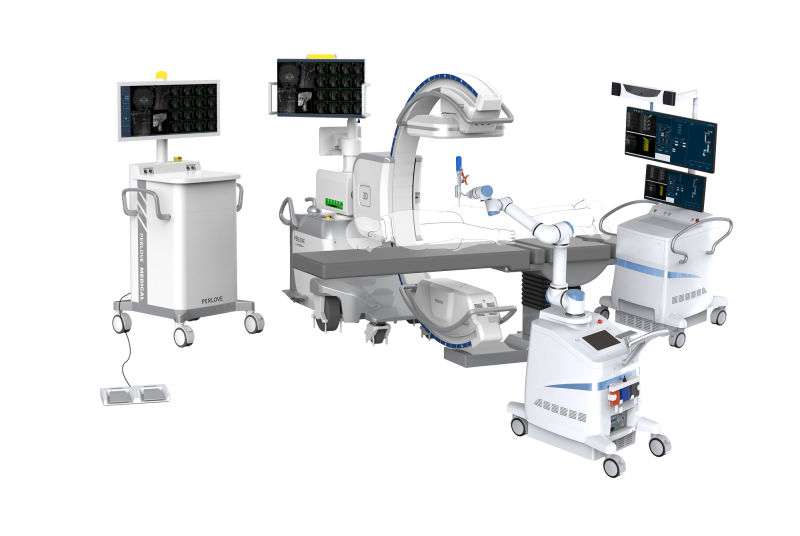
Leading market participants focus on various strategic initiatives, such as mergers, collaborations, and partnerships with other organizations to expand their global influence and offer a diverse range of products to customers. New product launches, technological innovations, and geographic expansions are the primary market development strategies employed by market participants to enhance market penetration. Additionally, the orthopedic surgical robotmedical device industry is witnessing a growing trend of local manufacturing to reduce operational costs and provide customers with more cost-effective products.
The competitive landscape of the orthopedic surgical robot market consists of several key players, each enhancing their market position through innovation, strategic partnerships, and geographic expansion. The market is highly competitive, with companies focusing on developing new products and technologies to meet the evolving needs of healthcare providers and patients. Continuous research and development efforts are crucial for maintaining a competitive edge in improving surgical outcomes and patient safety.
The competitive landscape of the orthopedic surgical robot market is composed of several key companies, all striving to gain significant shares in this rapidly growing market. This market is characterized by ongoing innovation and technological advancements, with companies working to enhance the functionality and precision of robotic systems. Major players focus on strategic partnerships, collaborations, and acquisition activities to expand their product lines and strengthen their market positions. The importance of research and development is particularly pronounced, as competitors aim to launch cutting-edge solutions that meet the evolving demands of healthcare providers and patients.
In the orthopedic surgical robot market, a crucial strategy adopted by companies is the development of comprehensive solutions that integrate hardware, software, and services. By providing a one-stop service from installation to maintenance and training, companies can offer healthcare institutions a seamless experience. This approach not only improves customer satisfaction but also fosters long-term partnerships with healthcare providers. Additionally, companies are working to expand their geographic presence, entering emerging markets with significant growth potential, further intensifying global market competition.
Another key aspect of the competitive landscape is the emphasis on regulatory compliance and quality assurance. Companies invest in obtaining the necessary approvals and certifications to ensure that their products meet stringent regulatory standards in various regions. This focus on compliance enhances the credibility and reliability of their robotic systems, making them more appealing to healthcare providers. Furthermore, companies actively participate in clinical trials and research to demonstrate the efficacy and safety of their robotic solutions, thereby building trust and confidence among potential customers.
Several major companies dominate the orthopedic surgical robot market, each with its unique strengths and contributions. As a pioneer in the field of robotic surgery, key player Stryker Corporation is known for its Mako robotic arm-assisted surgeries, which offer high precision in joint replacement procedures. Smith & Nephew, Zimmer Biomet, and Medtronic are also significant contributors in the market, providing robotic solutions that cover various orthopedic applications. These companies continue to invest in R&D to maintain their competitive edge and drive innovation in the field of robotic surgery.
The orthopedic surgical robot market is a dynamic and competitive field driven by technological innovation and the growing demand for advanced surgical solutions. Leading companies in this market are committed to enhancing their product offerings and expanding their market reach through strategic initiatives and partnerships. As the market continues to evolve, improving patient treatment outcomes and enhancing surgical precision will be at the core of competition, driving further growth and innovation in the industry.
These companies drive the development of orthopedicarthroscopic surgical robot medical device technology through continuous innovation and R&D, with their products and services transforming surgical methods, improving surgical outcomes, reducing surgical risks, and enhancing patients’ quality of life. At the same time, these dynamics reflect the development trends and competitive landscape of the orthopedicarthroscopic surgical robot medical device market, including technological innovation, regulatory approvals, market entry and exit, as well as corporate strategic adjustments. These events not only influence the business direction of related companies but also provide patients with more advanced and safer treatment options, propelling the entire industry forward.
Patent Matters Worth Noticing
As competition in the medical device technology field intensifies, patent matters have become an indispensable part of enterprise operations. Proper patent layout not only protects the innovative achievements of enterprises but also provides robust legal support in market competition.
First, enterprises need to focus on patent application and protection. During the R&D process, once there is a new technological breakthrough or innovation point, patents should be applied for promptly to ensure legal protection for their technological achievements. At the same time, enterprises also need to conduct regular maintenance and management of existing patents to ensure their validity and stability.
Secondly, enterprises need to establish a comprehensive patent early warning mechanism. By regularly searching and analyzing patent information in relevant fields, enterprises can stay informed about technological development trends and competitor dynamics, thereby avoiding potential patent infringement risks. Once infringement risks are identified, enterprises should take swift measures to respond, such as seeking patent licenses, making technical improvements, or adjusting market strategies.
Additionally, enterprises need to be prepared for patent wars. In a highly competitive market environment, patent wars may break out at any time. Therefore, enterprises should formulate response strategies in advance, such as establishing dedicated legal teams and reserving sufficient funds for potential patent litigation. At the same time, enterprises can enhance their patent strength and market influence by forming patent alliances with partners and participating in industry standard-setting.
END
Content Source | Medical Device Intellectual Property
Edited by | Association Secretariat
Disclaimer | This article is a repost, and the Guangdong Medical Device Industry Association is not responsible for the accuracy of the content and views contained herein. If there are copyright issues, please contact the public account, and we will handle it immediately to protect the rights and interests of all parties. Thank you for your attention.
Click the image to view details