Note: Swipe left on the briefing content to view the event timeline, historical background, technical details, and quick Q&A information.
DXVK 2.7.1 Improves D3D9 and Fixes MSAA
DXVK 2.7.1 has been released, enhancing the performance of certain Direct3D 9 games, fixing MSAA issues, and expanding compatibility to help more games render correctly on Linux through Wine/Proton.
Notable game-specific improvements include Team Fortress 2, Crysis 3, Fallout: New Vegas, and The Witcher 1.
DXVK provides a Vulkan-based implementation of Direct3D 9/10/11 for Linux/Wine.
Historical Background
DXVK is a translation layer that maps Microsoft’s Direct3D calls to the Vulkan graphics API, allowing many Windows games to run on Linux through Wine/Proton. Since the late 2010s, DXVK has become a fundamental component of the Linux gaming stack, achieving broad compatibility and performance improvements across numerous games.
Did you know?
DXVK 2.7.1 particularly emphasizes improvements for Team Fortress 2 and Crysis 3, indicating attention to both classic and modern games.
Technical Details
D3D to Vulkan Translation:DXVK translates Direct3D 8/9/10/11 graphics calls to Vulkan, enabling Windows games to run on Linux with modern GPU drivers. This layer is core to Wine/Proton gaming on Linux.
MSAA (Multisample Anti-Aliasing):A technique for smoothing jagged edges; fixing MSAA issues can improve image quality and reduce artifacts or crashes in affected games.
API Coverage and Scope:This project explicitly targets Direct3D 8-11, with this release focusing on performance and correctness improvements—especially for D3D9 workloads.
Quick Q&A
Which games directly benefit from DXVK 2.7.1?Team Fortress 2, Crysis 3, Fallout: New Vegas, and The Witcher 1 have seen significant improvements.
What graphical issues does this version fix?It fixes issues related to MSAA and improves rendering correctness for other games.
Which Direct3D versions does DXVK implement?DXVK implements Direct3D 8, 9, 10, and 11 on top of Vulkan.
Wine 10.14 Adds vkd3d 1.17 and Mono 10.2.0
Wine 10.14 has been released as the latest bi-weekly development update, featuring vkd3d 1.17, Mono 10.2.0, IPv6 ping support, Debian Trixie CI integration, and 19 bug fixes.
Event Timeline
❶ Late August 2025 Wine 10.14 is released as a bi-weekly development update.
Historical Background
Wine has long provided a compatibility layer that translates Windows system calls to POSIX equivalents, allowing many Windows applications to run on Linux without full virtualization or emulation. The project frequently releases development snapshots; Wine 10.14 continues this bi-weekly rhythm, providing incremental improvements for users and downstream projects.
Did you know?
Wine stands for “Wine Is Not an Emulator,” a recursive acronym emphasizing that it is a compatibility layer rather than a traditional emulator.
Technical Details
vkd3d 1.17:Wine’s Direct3D 12 to Vulkan translation library update improves compatibility for D3D12-based applications; version 1.17 is included in Wine 10.14.
Wine Mono 10.2:Wine’s built-in open-source .NET implementation for running managed Windows applications is upgraded to 10.2 in this version.
IPv6 ping support:Enables applications to execute ICMP echo requests over IPv6 within Wine, aiding tools that rely on modern network diagnostics.
Quick Q&A
What are the main changes in Wine 10.14?Wine 10.14 updates vkd3d to 1.17, updates Mono to 10.2, adds IPv6 ping support, integrates Debian Trixie into CI, and fixes 19 bugs.
Is Wine 10.14 a stable release?No. It is part of the Wine bi-weekly development series, providing frequent incremental changes rather than long-term stable snapshots.
Community Update: ATI R300; Xe Boosts Intel Arc Performance
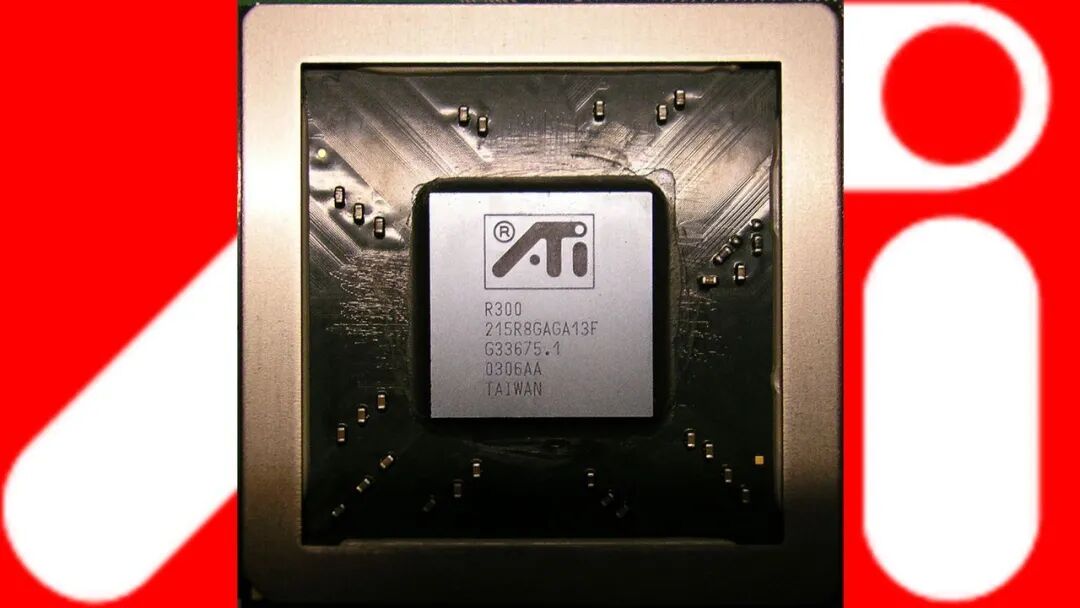
Linux graphics drivers have made two exciting advancements: community contributors are still providing updates and extensions for the ATI Radeon R300 GPU, which is about 20 years old, keeping the hardware usable on modern Linux systems.
Additionally, tests show that Intel’s Arc A series graphics cards can achieve performance boosts by switching from the default i915 kernel driver to the updated Xe driver, particularly showing significant improvements in OpenCL/GPU compute workloads.
Historical Background
ATI Technologies was acquired by AMD in 2006, after which ATI-branded GPUs became part of the AMD Radeon series. Intel launched its Arc A series (Alchemist) discrete GPUs in 2022, with Linux support evolving over time through kernel drivers and user-space stacks.
Did you know?
Although the Xe kernel driver is a modern stack for newer Intel GPUs, it has not yet become the default driver for Intel Arc on Linux; i915 remains the default.
Technical Details
Kernel Graphics Drivers:i915 and Xe are the Linux kernel drivers for Intel GPUs; the Arc A series currently defaults to i915, while switching to the updated Xe driver can enhance performance, especially in compute tasks.
OpenCL/GPU Compute:OpenCL allows general-purpose computing on GPUs; Phoronix reports that the Xe driver brings significant improvements for these workloads on Arc.
Legacy GPU Maintenance:Community-driven updates and extensions keep hardware from the ATI Radeon R300 era running on modern Linux, demonstrating the longevity of open-source drivers.
Quick Q&A
In which workloads does the Intel Xe driver show the most improvement?When switching Arc A series graphics cards from i915 to Xe, OpenCL/GPU compute workloads show the most significant improvements.
Which legacy GPUs have just received attention from Linux drivers?Community-driven updates and extensions have been provided for ATI Radeon R300 era GPUs, which are about 20 years old.
Is the Xe driver the default driver for Intel Arc on Linux?No. The i915 kernel driver remains the default for Intel Arc A series on Linux.
ChimeraOS Founder Releases Kazeta; Radxa OS Details
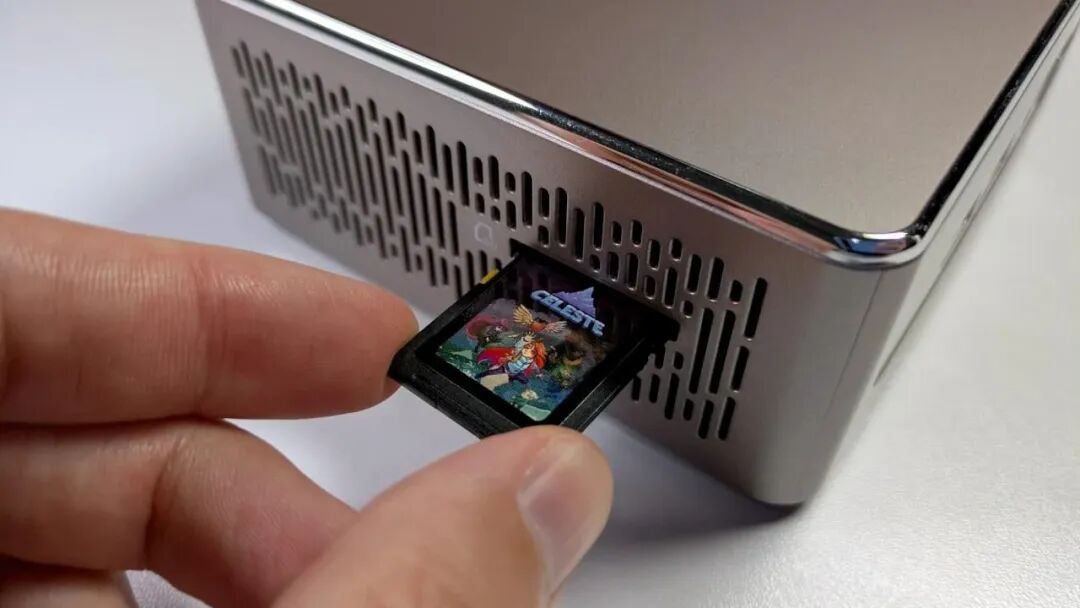
The founder of ChimeraOS announced Kazeta on Reddit, describing it as a new Linux-based gaming operating system developed over the past six months, noting that its name means “tape” in Czech.
Additionally, LinuxLinks introduced Radxa OS, an open-source operating system developed by the Radxa team and based on Debian, with Tuxmachines providing the same description.
Historical Background
Debian has long been the foundation for many Linux distributions, praised for its stability and extensive package ecosystem. In recent years, Linux gaming has rapidly evolved, with distributions and platforms like SteamOS helping to expand support and awareness in the hardware and software communities.
Did you know?
The name Kazeta means “tape” in Czech, a hint shared by its creator in the announcement post.
Technical Details
Debian-based Distribution:Being Debian-based typically means using APT and Debian’s repositories, providing a large and stable software package base.
Open Source Licensing:Labeling the operating system as “open source” indicates that its source code can be inspected, modified, and redistributed under approved licenses.
Linux-based Gaming Operating System:Distributions tailored for gaming focus on compatibility and user experience on the Linux kernel.
Quick Q&A
What is Kazeta?Kazeta is a newly released Linux-based gaming operating system launched by the founder of ChimeraOS on Reddit.
What is Radxa OS based on?Radxa OS is based on the Debian Linux distribution.
Who developed Radxa OS?Radxa OS is developed by the Radxa team.
KDE Adds Saved Clipboard Items After 22 Years
KDE Plasma 6.5 introduces the new “Saved Clipboard Items” feature, supporting persistent, favorite clipboard entries, fulfilling a long-standing enhancement request.
This change addresses a KDE clipboard feature request that has been open for 22 years.
This week also saw improvements to KRunner and better support for the drawing tablet touch ring in Plasma.
Event Timeline
❶ 22 years ago (relative to 2025) KDE clipboard feature request recorded as being 22 years old
❷ Late August 2025 Plasma 6.5 introduces the Saved Clipboard Items feature for the first time
❸ Late August 2025 This week’s KDE update highlights KRunner enhancements and improved support for the drawing tablet touch ring
Historical Background
The request for cross-session persistent clipboard items in the KDE tracker has been open for about 22 years, reflecting the community’s ongoing interest in this feature. In late August 2025, KDE delivered this functionality in Plasma 6.5, while also advancing KRunner and drawing tablet support as part of its regular weekly improvement rhythm.
Technical Details
Saved Clipboard Items:Plasma 6.5 allows users to persistently save clipboard entries and mark favorites, so important snippets can continue to exist after a reboot and are easy to reuse.
KRunner Enhancements:KDE’s launcher/search utility received updates this week, improving the overall desktop search experience.
Tablet Touch Ring:Plasma improved support for the drawing tablet touch ring, enhancing input device integration for artists and creators.
Quick Q&A
Which Plasma version introduced the Saved Clipboard Items feature?Plasma 6.5 is the first to introduce the Saved Clipboard Items feature.
What other areas saw improvements this week?KRunner and the drawing tablet touch ring received enhancements.
How long has the original request been open?It dates back 22 years.
Fwupd 2.0.14 Adds Framework QMK and SteelSeries Support
Fwupd 2.0.14 has been released, adding support for Framework QMK devices and SteelSeries Arctis Nova 3P headphones, along with builds for RHEL 9 and 10, and fixes for UEFI capsule updates.
This update continues to expand hardware compatibility for Linux users while addressing reliability issues with UEFI firmware delivery.
Linux users can download it now.
Historical Background
Fwupd has evolved into a widely used open-source utility on Linux for updating BIOS/system firmware and an increasing number of peripherals, helping to unify firmware updates across various hardware. Over time, the project regularly releases versions, adding device support and improving the update mechanism, steadily enhancing the Linux user experience.
Did you know?
Fwupd is not just for BIOS updates; it is increasingly handling firmware for peripherals as well.
Technical Details
Firmware can be delivered as a UEFI “capsule” that is applied at system reboot; 2.0.14 includes fixes related to this mechanism.
QMK is open-source keyboard firmware; the addition of Framework QMK device support allows fwupd to manage the firmware of these peripherals on Linux.
This version introduces support for builds on RHEL 9 and 10.
Quick Q&A
What new hardware does fwupd 2.0.14 support?Framework QMK devices and SteelSeries Arctis Nova 3P headphones are newly supported.
What improvements were made in builds for which distributions or platforms?This version adds support for builds on RHEL 9 and RHEL 10.
Torvalds Marks bcachefs as Externally Maintained
Linus Torvalds has changed the maintainer status of bcachefs to “externally maintained,” indicating that further changes to bcachefs are unlikely to enter the mainline soon and suggesting that there are currently no immediate plans to remove it from the kernel.
Phoronix also reported that Torvalds did not merge bcachefs updates for Linux 6.17.
Historical Background
The new “externally maintained” label appeared after Torvalds indicated he would not merge bcachefs updates for the Linux 6.17 development cycle. LWN described this change as a cooling measure, keeping bcachefs in the mainline rather than removing it immediately.
Did you know?
LWN described the status change as being done “quietly,” reflecting a low-key adjustment rather than a dramatic removal.
Technical Details
External Maintenance:In kernel practice, this label indicates that development continues outside the mainline tree, and new changes are unlikely to be merged upstream for the time being.
Release Impact:By not merging bcachefs updates for Linux 6.17, this filesystem will not see mainline code changes during this cycle.
In-tree Presence:LWN notes that the status change does not indicate an immediate removal from the kernel.
Quick Q&A
Will bcachefs be removed from Linux now?LWN states that the new status indicates there are no plans to remove it from the mainline kernel immediately.
What does this mean for Linux 6.17?Torvalds did not merge any bcachefs updates for the 6.17 cycle.