
At three in the morning, the city has quieted down, the lights in the office buildings have long been turned off, but the AI + dark lab testing area of Beijing Daina Experimental Technology Co., Ltd. (hereinafter referred to as “Daina Technology”) in Fengtai Science Park Area 3 is still operating normally.
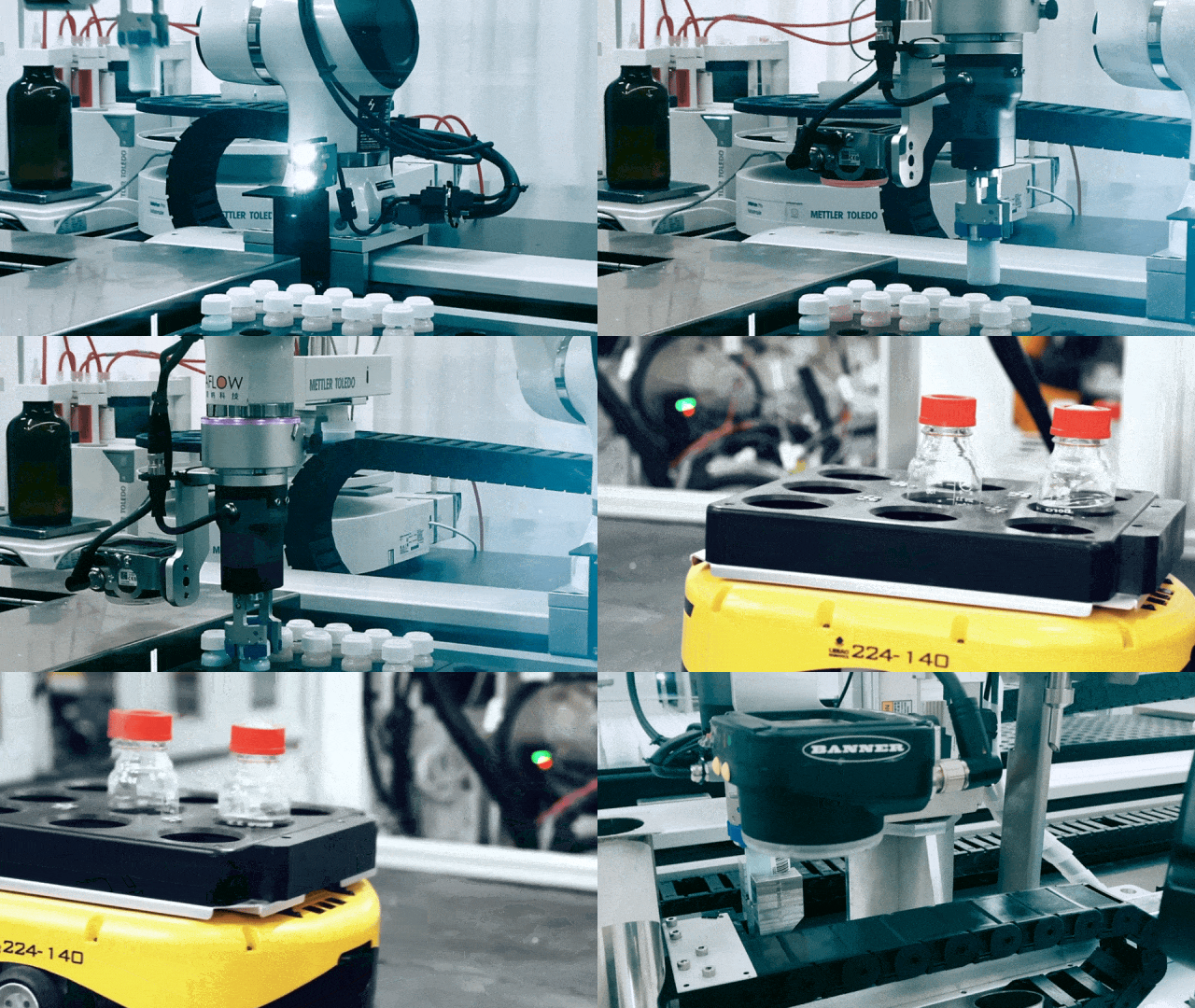
The automated precision weighing robot twists off bottle caps with its gripper, uses ultrasonic detection to measure the liquid level inside the bottle, automatically installs straws to extract samples, and conducts weighing tests… a series of actions flow seamlessly, resembling a futuristic laboratory scene from a sci-fi movie. This is the “daily routine” of Daina Technology’s lab, meticulously crafted over five years using AI and robotics.
1
Entrepreneurship: From “Worker” to “Problem Solver”
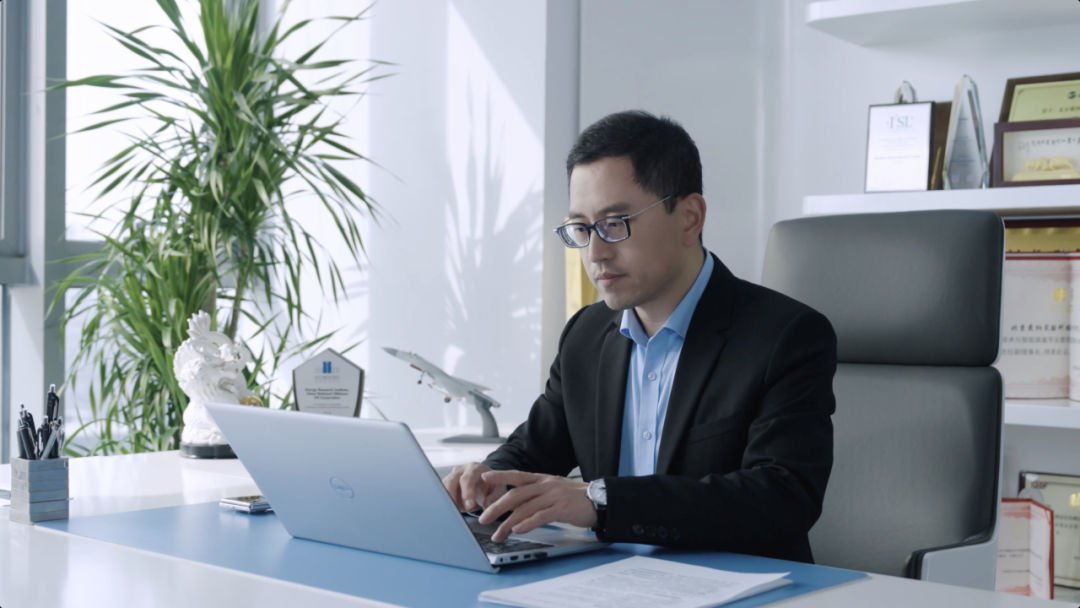
In 2011, after years of working as a technical backbone in a globally renowned scientific instrument company, Chi Haipeng turned to entrepreneurship and founded Daina Technology. Reflecting on his early entrepreneurial experiences, he said, “The hardest part of entrepreneurship is not the physical exhaustion, but the mental strain.” As a technical manager in a large company, he could pass the pressure onto his colleagues, but as an entrepreneur, he had to face and solve problems directly. In a way, he was a “gear” in a giant system, but in entrepreneurship, he had to evolve into an “engine.”
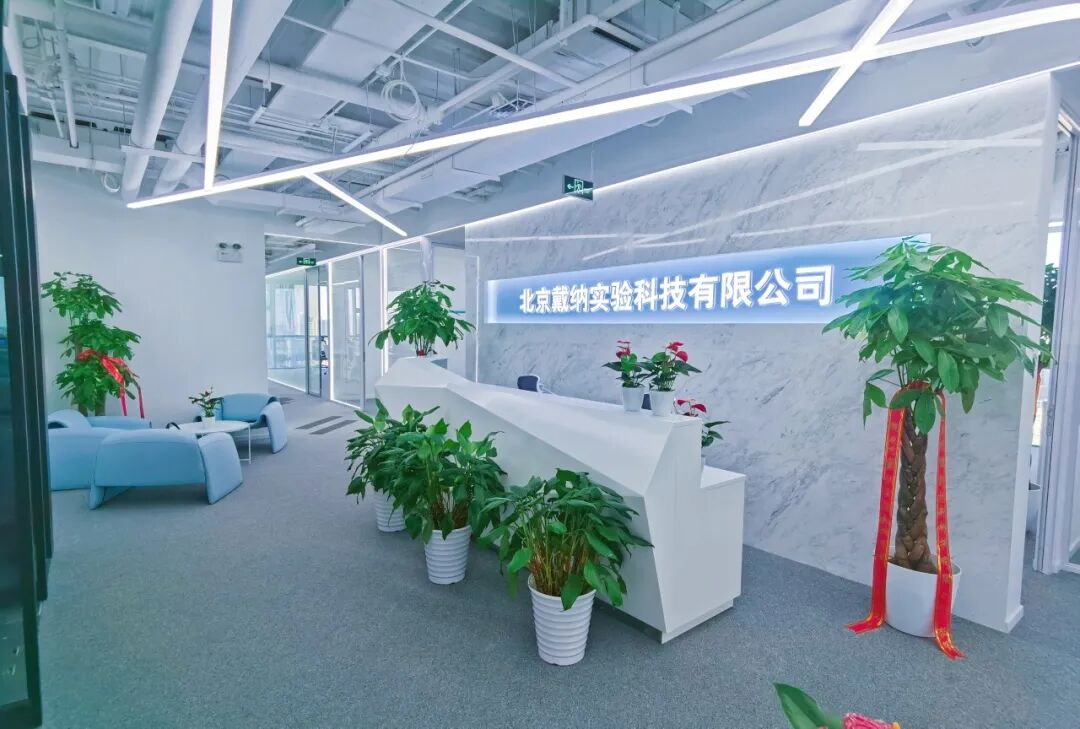
At the beginning of the venture, the team focused on two directions: smart laboratories and modular laboratories. While peers were still building experimental platforms, Daina Technology had already disassembled the laboratory into standardized “building blocks”—automated production in factories and rapid assembly on-site, laying the groundwork for the subsequent intelligent revolution of the dark lab.
2
Breaking the Ice: Conquering the “Impossible Task” in 4 Months
In the summer of 2020, Daina Technology faced its first major test—a fully unmanned project for a global personal care giant.
Chi Haipeng was met with cold skepticism: “You have no case studies and no experience; how can you achieve what other large companies cannot?” When negotiations reached a stalemate, Chi Haipeng proposed a shocking suggestion: “Let’s do it first, and you can pay after acceptance; we won’t sign any agreements beforehand, so you won’t incur any losses.”
By the summer of 2021, the prototype was assembled. However, the test results were a cold shower—due to the viscous nature of shampoo and body wash, the weighing error reached as high as 0.5g, far from the 0.01g precision requirement of the personal care giant. “We thought we had completed 99.9% of the project, but in reality, we had only completed 10% because the hardest part had not been solved,” Chi Haipeng recalled.
From that day on, the Daina Technology R&D team delved into the laboratory like “detectives.” The researchers claimed that accurate measurement relied solely on their intuition, which sounded mystical because “intuition” cannot be replicated. However, they discovered the secret hidden behind this “mysticism”: researchers adjusted the angle of the nozzle based on the liquid’s viscosity and predicted the contact height based on surface tension—this precision was actually accumulated from hundreds of thousands of experiments.
They attempted to translate this “intuition” into algorithms using self-learning models. Chi Haipeng led the team to re-evaluate the requirements: detecting liquid depth, nozzle entry angle, viscosity, surface tension… multiple parameters were input into the AI model, simulating and debugging repeatedly. After four months of hard work, they finally tackled this tough problem.
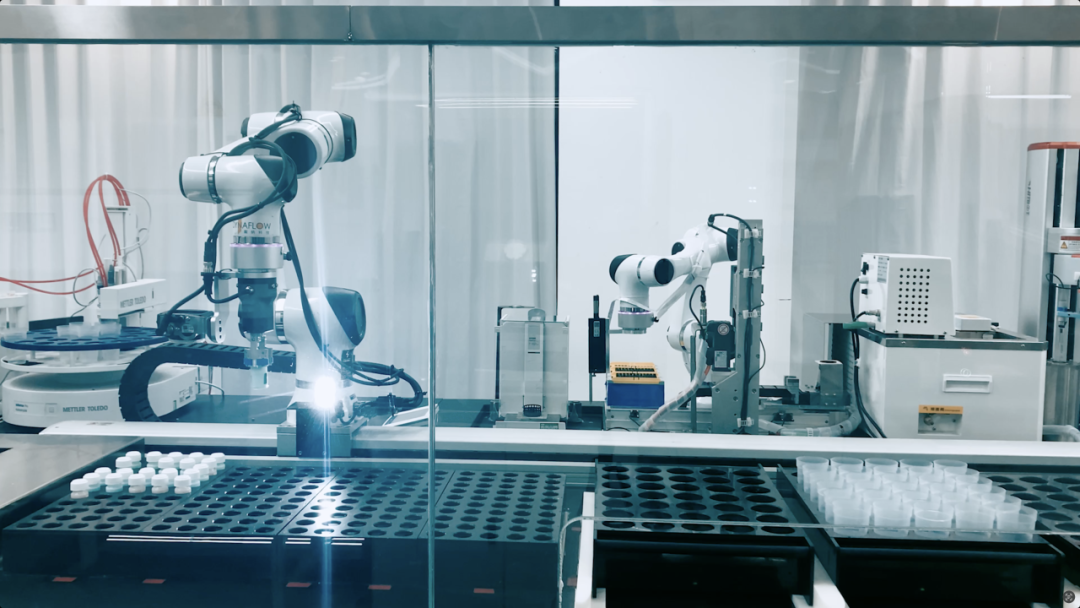
When retesting, the robotic arm accurately delivered 0.01 grams of shampoo to the instrument in less than two minutes—nearly 30 times faster than manual operation. By the end of 2024, this personal care giant sent a letter of thanks to Daina Technology, stating that the sample measurements provided by Daina’s AI + dark lab were very stable.
3
Powering Up: Equipping the Laboratory with a “Brain” and “Hands”
If the factory unmanned project was the “breaking the ice” that opened the first door for the development of the AI + dark lab, then the subsequent creation of the “dark lab” by Daina Technology represents a complete reconstruction of traditional laboratories.
What is a “dark lab”? Simply put, a dark lab describes a scenario or state where experiments can be conducted even with the lights off—here, AI serves as the “brain” and robots as the “hands,” working continuously 24/7, liberating scientists from repetitive tasks.
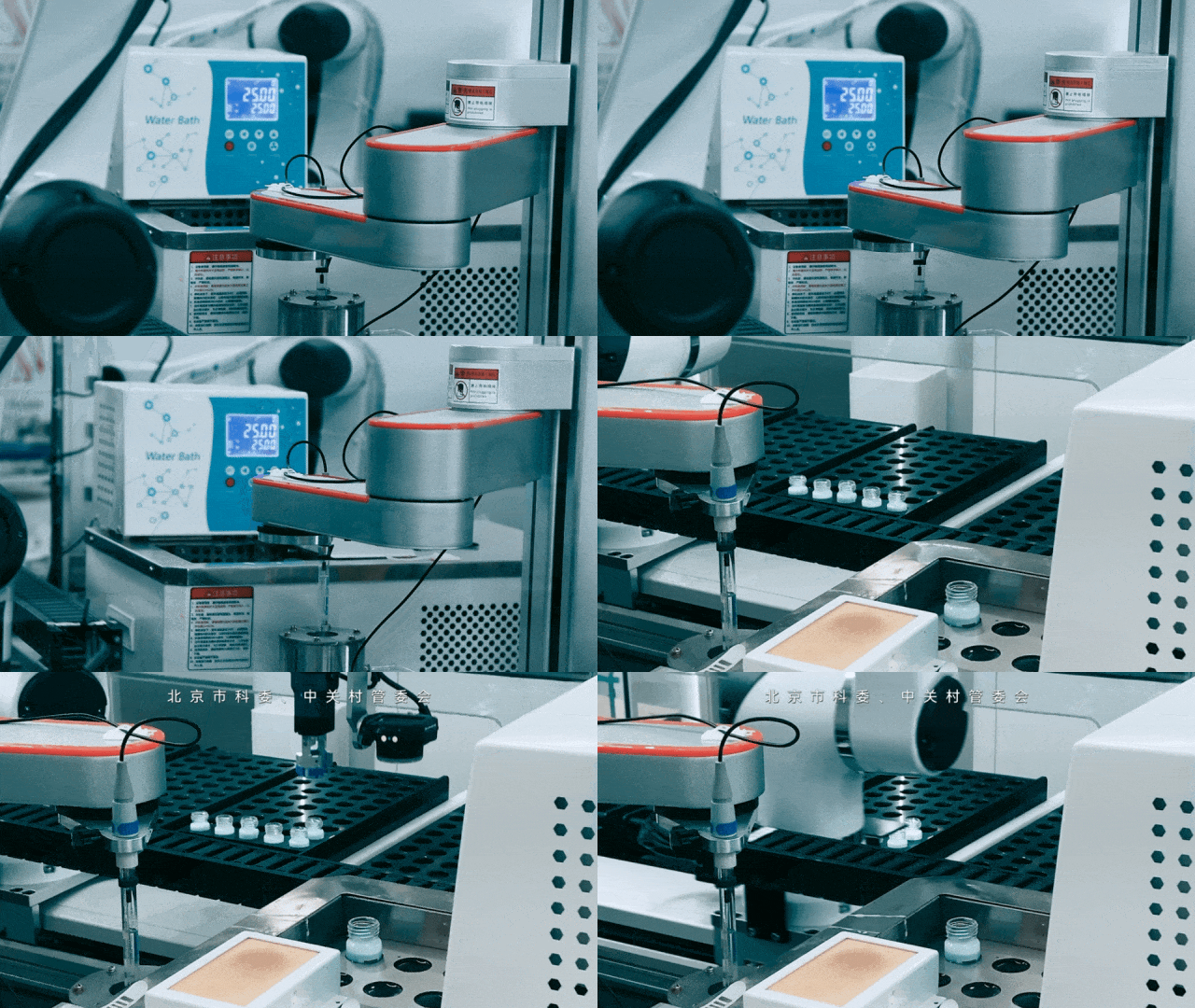
Traditional laboratories resemble a “workshop,” where researchers must prepare samples, weigh reagents, wash bottles, learn experimental operations, undergo safety training, conduct validation training, process experimental data, and record experimental data… these tasks can occupy more than half of the experimental time. Now, AI and robots have freed up this time.
How disruptive is this model? Let’s look at the data!

1
Efficiency Improvement
The dark lab’s daily workload is approximately equivalent to one scientist’s work over 480 days (two and a half years).
2
Cost Reduction
Traditional laboratories need to consider lighting, natural scenery, humidity, temperature, and ventilation, while dark labs do not require these considerations. Therefore, energy consumption is reduced to 40% of the original, and the area can be reduced to 15% to 25% of the original.
Moreover, the dark lab utilizes AI technology to automatically analyze data and even “predict” experimental results—like equipping the lab with an “intelligent advisor.” “Laboratory safety is also a pain point,” Chi Haipeng mentioned a recent incident where a laboratory caused an accident due to improper disposal of waste liquid, resulting in severe burns to researchers. In traditional chemical laboratories, a drop of highly toxic liquid can be fatal, and improper operations may lead to explosions, while the dark lab removes people from the “danger zone.”
4
The Future: Wishing Every Scientist Has Their Own “Jarvis”
From overcoming obstacles to riding the waves, Daina Technology’s dark lab solutions have gradually been implemented in the fields of chemistry, materials, new energy, and food, illuminating the R&D lines of Unilever, PetroChina, Sinopec, CNOOC, Shenghong Petrochemical, and Shangtai Technology. A laboratory revolution is underway in the “darkness”!
“The development of Daina Technology benefits from the strong support of Beijing’s innovation ecosystem,” Chi Haipeng stated. “In December 2024, the company received funding support from the Beijing Municipal Science and Technology Commission and the Zhongguancun Management Committee for the technology service industry—Enterprise Efficiency Improvement Project, aimed at ‘AI + dark lab’ technological innovation. At the same time, the Beijing Municipal Science and Technology Commission and the Zhongguancun Management Committee also assisted us in connecting with industrial funds, AI for Science upstream and downstream enterprises, and leading banks, helping us expand the market, secure funding, and strengthen our core competitiveness.”
Chi Haipeng also told the editor that in January 2025, Beijing will release the “Beijing Action Plan for Accelerating the Innovation and Development of ‘Artificial Intelligence + New Materials’ (2025-2027),” which mentions “accelerating the promotion of AI-enabled new material R&D paradigms.” On May 30, Beijing released the “High-end Scientific Instrument Innovation Development Action Plan,” proposing to promote “AI +” empowerment for instrument innovation, especially in the construction of dark labs, which is a key deployment for technological self-reliance and brings significant benefits to Daina Technology.”
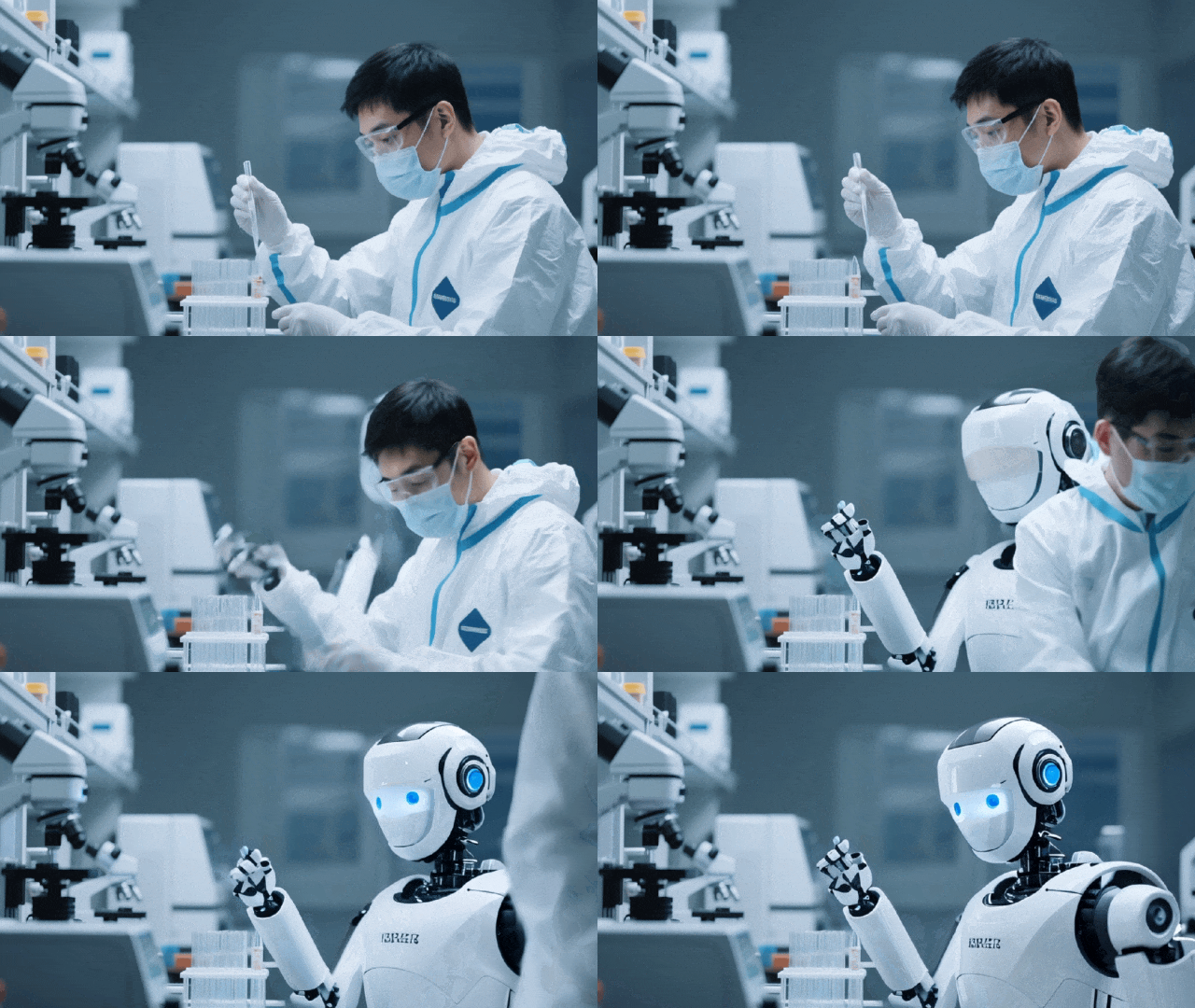
“In the future, we hope that robotic arms will integrate various functional modules, like Transformers, allowing for quick assembly and replacement to achieve all laboratory testing tasks.” This is not science fiction; it is what Chi Haipeng and his team are currently working on. Of course, riding the wave of policy support, Daina Technology will also develop in the field of high-end scientific instruments, with one direction being robotic instruments and the other being AI-enabled instrument devices.”
Driving scientific research from the “craftsmanship era” to the “intelligent era,” continuously exploring to fill the gaps in high-end scientific instruments… Chi Haipeng knows that this time he is not fighting alone; behind him are strong teammates and solid support!

<PAST · Previous Review >

△ Super Cool! Beijing Unicorn “Team” Showcases Hard-Core Strength
△ Towards “Intelligence”! Chinese Robots “Run”|Vibrant China Research Tour