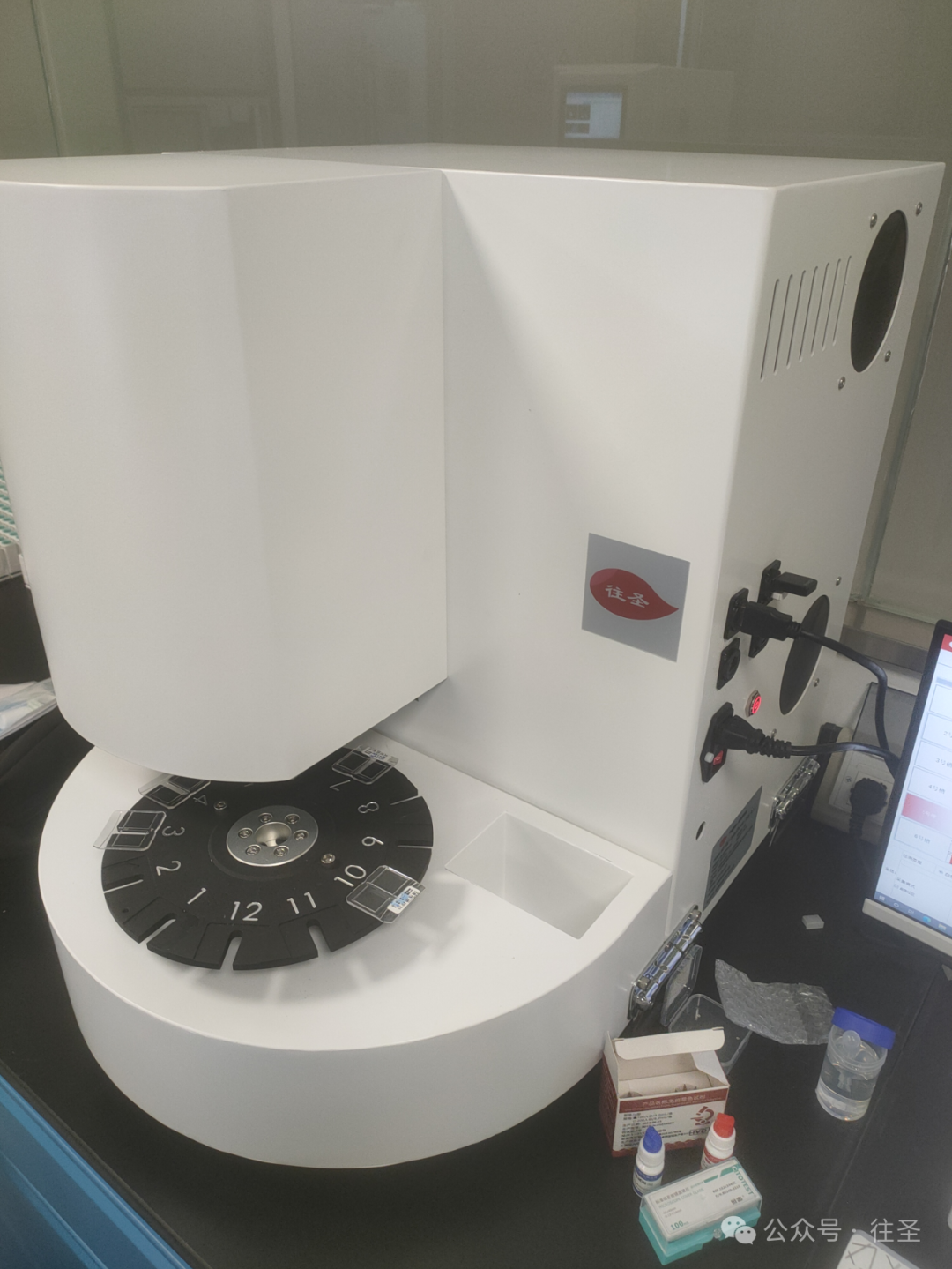
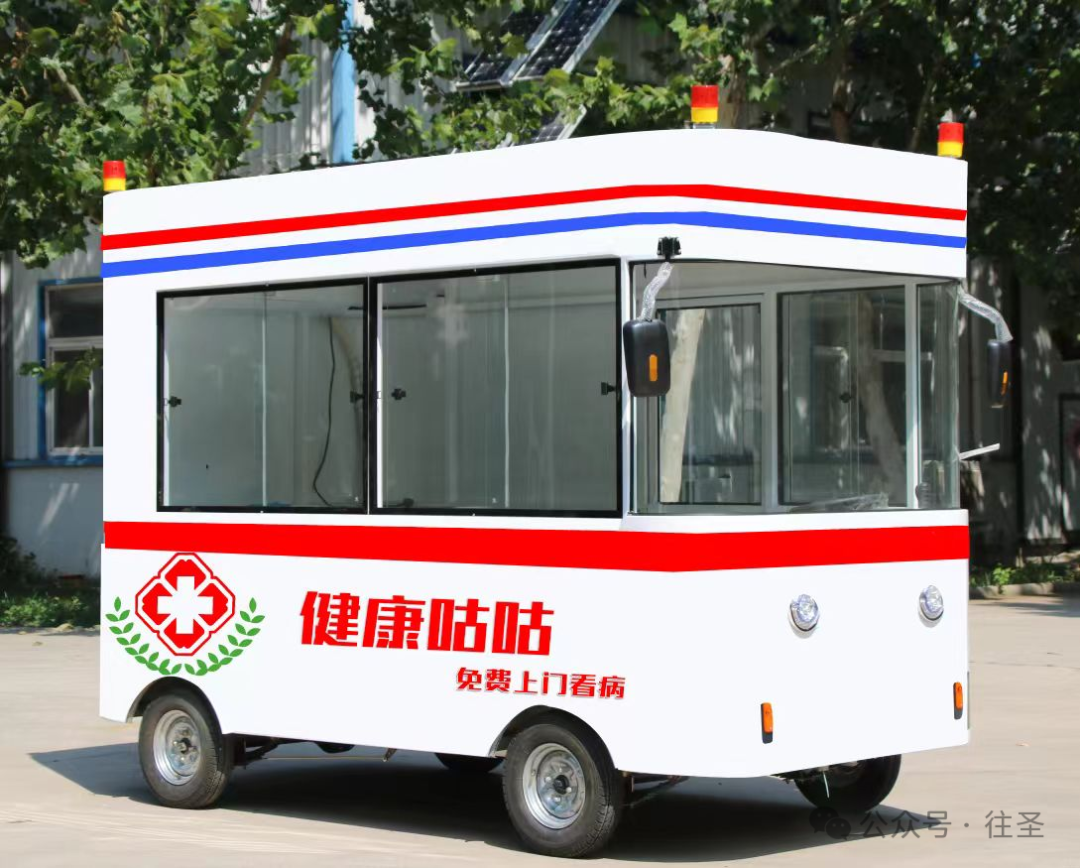
In Foshan, a 12-square-meter “smart mobile hospital” equipped with an onboard AI system completed an ECG and B-ultrasound examination for an elderly patient within 20 minutes, generating a diagnostic report. This “mini-hospital on wheels” is a microcosm of AI healthcare penetrating grassroots levels, and the onboard AI hospital system developed by Wangsheng Health has served millions across the country, breaking geographical barriers to quality medical resources.
1. The “Soft and Hard Integration” Revolution in AI Healthcare
The artificial intelligence hospital established by Tsinghua University in April has its core system, “Zijing AI Doctor,” covering 21 departments and over 300 diseases. Through a virtual world, it accelerates evolution by 100 times, achieving a leap in diagnostic efficiency. Wangsheng Health’s technological path is similarly innovative: its self-developed AI healthcare system can automatically diagnose and treat 1,200 diseases, embedding core algorithms into health mini-programs, onboard medical pods, and automated testing devices, forming a closed loop of “software-defined hardware.”
The ChatZOC large model from Sun Yat-sen University’s Zhongshan Ophthalmic Center guides patients to accurately describe their conditions through AI consultations, providing eye disease screenings for 30,000 residents in Kashgar, Xinjiang. This “human-machine collaboration” model is also realized in Wangsheng Health’s onboard AI hospital—after the equipment automatically collects routine blood and urine data, the AI system generates a preliminary diagnosis, which is then reviewed remotely by cloud-based doctors, forming an efficient link of “grassroots testing + expert decision-making.”
2. Scene Reconstruction from Hospitals to Homes
Ant Group’s latest independent application, AQ, connects 5,000 hospitals nationwide through an AI health steward, providing report interpretation and cloud-based accompaniment services. Wangsheng Health builds a “family health hub” through its health mini-program: after users upload their health check reports, the AI automatically identifies abnormal indicators and pushes intervention suggestions; combined with data from smart blood glucose meters and blood pressure monitors, the system can generate personalized health records for dynamic management of chronic diseases.
JD Health’s “AI Jingyi” system seamlessly connects consultations with medication delivery, while Wangsheng Health goes a step further—its onboard AI hospital is equipped with 23 types of smart devices capable of performing basic examinations like ECG and ultrasound, along with automated testing devices for real-time analysis of blood glucose and lipid levels, truly achieving full-process coverage of “home visits.” This combination of “mobile medical stations + home terminals” allows residents in remote areas to enjoy tertiary hospital-level medical services.
3. Dual Assurance of Safety and Experience
The new version of Douyin Health’s charter clearly requires that AI medical content must be annotated with literature sources and undergo professional review. Wangsheng Health’s AI system is a practitioner of this standard: its knowledge base integrates the latest diagnostic and treatment guidelines and clinical data, with each diagnosis traceable to authoritative medical evidence. In terms of data security, the system employs national encryption algorithms for data encryption and uses federated learning technology to ensure user privacy is not compromised.
4. A Continuously Evolving Medical Ecosystem
In the field of large medical models, technologies like DeepSeek and Tongyi Qianwen are accelerating integration with clinical scenarios. Wangsheng Health, through a “large model fusion” strategy, deeply combines foundational algorithms with specialized knowledge bases— for example, in diabetes management scenarios, the system can not only analyze blood glucose data but also link with smart refrigerators to recommend dietary plans, achieving full-chain intelligence in “detection, diagnosis, and intervention.”
As Tsinghua University, Shanghai Jiao Tong University, and other institutions accelerate the construction of AI hospitals, Wangsheng Health is collaborating with medical institutions to build an “AI health community,” empowering grassroots through standardized intelligent diagnostic systems. This “technology output + ecological co-construction” model is expected to solve the problem of uneven distribution of medical resources, making AI healthcare a truly inclusive tool.
Wangsheng Health’s innovative combination of “onboard hospitals + home terminals” not only achieves automated diagnosis and treatment for 1,200 diseases but also sets a new benchmark for AI healthcare with user-friendly design and a robust data security system. In this integration of technology and humanity, every family can become the first line of defense for health, which is the most inspiring future vision of AI healthcare.