📚 Open Source Technology DailyExploring the Infinite Possibilities of the Open Source World2025/11/21📡 Canonical Successfully Ports Flutter to RISC-V Architecture and Runs Ubuntu SystemCanonical has always maintained a positive attitude towards the RISC-V architecture, and the Ubuntu system is one of the most frequently recommended Linux distributions by motherboard manufacturers. At the same time, Canonical strongly promotes the Flutter toolkit, using it to build desktop installer interfaces and other modern UI/application interfaces. However, these two major technological directions have not been able to develop in tandem—because Flutter currently does not support the RISC-V architecture.To address this, Canonical has submitted a related code pull request aimed at adding RISC-V support to Flutter.Ubuntu engineers have long been aware of the lack of RISC-V support in Flutter. Canonical engineer Valentin Haudiquet has been dedicated to achieving the porting of Flutter to the RISC-V platform. The Flutter pull request submitted this week attempts to merge RISC-V support into the upstream codebase, while another patch adds support for the RISC-V 64-bit desktop Linux engine, enabling developers to cross-compile the Flutter engine for RISC-V Linux from x86_64 Linux hosts.Valentin pointed out that based on the review results of RISC-V support in the upstream codebase, they may need to maintain these patches themselves.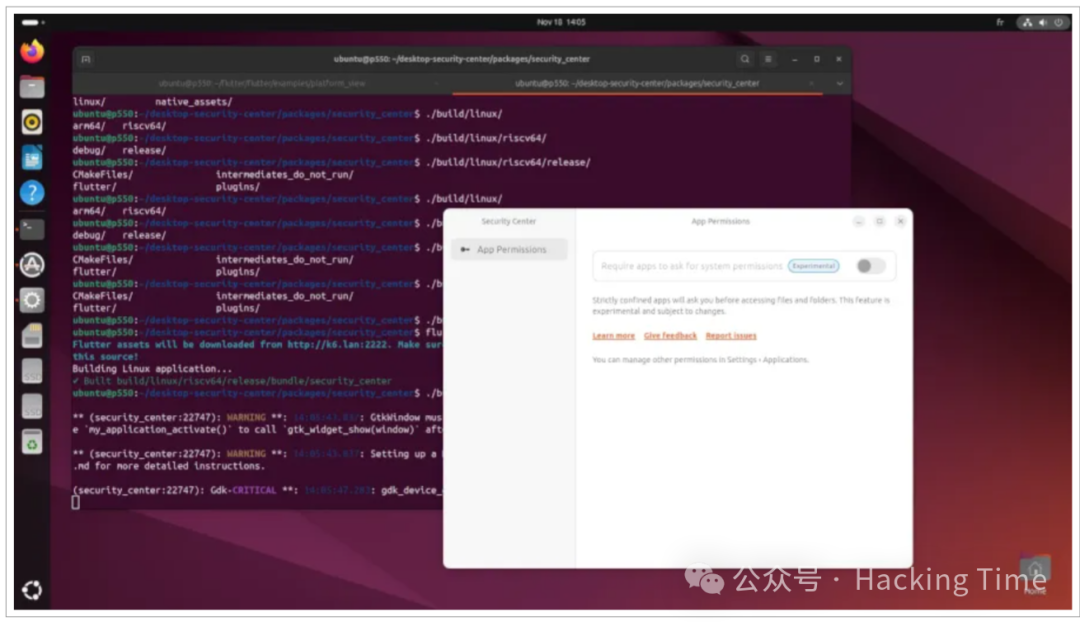
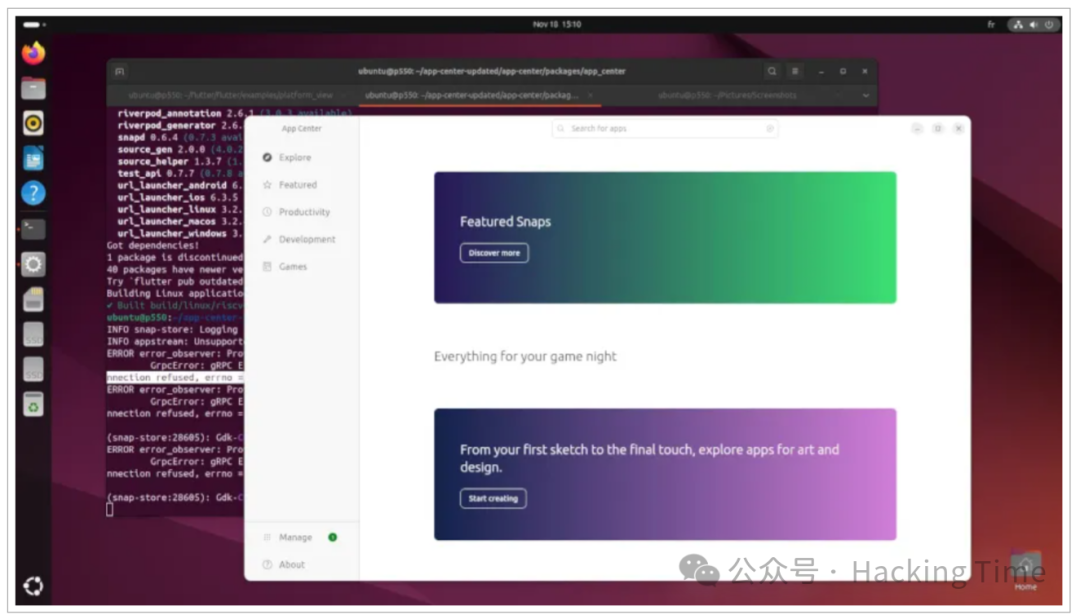 With these patches, the Ubuntu desktop security center and application center software can now be built for the RISC-V architecture.⌨️ Updated Steam Runtime Environment Switches to Debian 13 Libraries with SDL2 Compatibility Layer ImplementationSteam Linux Runtime 4 branch has released an updated version, with some core libraries upgraded from Debian 11 to Debian 13. During this process, more library files have abandoned i386 architecture builds, supporting only x86_64 architecture. Additionally, the Steam Runtime now provides SDL 2 library support through sdl2-compat, which implements SDL2 functionality as a compatibility layer on top of SDL3.Valve and its partner Collabora skipped Debian 12 and directly pushed the Steam Linux Runtime to upgrade the underlying libraries from Debian 11 to Debian 13.2. This leap of about four years in versioning has caused some libraries to enable new SONAMEs due to ABI compatibility changes.The implementation of SDL 2 support through sdl2-compat is noteworthy, as this solution routes old SDL2 calls through SDL3, thereby enhancing compatibility with modernLinux desktop environments. The release notes also indicate that most libraries that previously supported both i386 and x86_64 architectures now retain only the x86_64 version. Only the i386 libraries necessary for Proton or other Steam toolchains have been retained. This long-overdue adjustment is expected to deepen the adaptation of the Steam client to the x86_64 architecture.More technical details about the Steam Linux Runtime updates can be found on the SteamOS GitLab.⚡ Linux 6.19 Version Plans to Introduce “mm/cid” Refactoring Expected to Significantly Improve PerformanceA set of kernel patches for rewriting the Linux kernel memory mapping concurrent ID code, released last October, is expected to be officially implemented with the Linux 6.19 version. This code, discovered by Intel’s distinguished engineer Thomas Gleixner, is expected to bring up to an 18% performance improvement for PostgreSQL databases. Our tests on this “mm/cid” code also show significant performance gains.Intel Fellow Thomas Gleixner conducted a comprehensive refactoring of the CID management code after discovering that the existing complex code imposed significant overhead on the kernel scheduler’s hot path. The new code is simpler and incurs lower overhead.
 The rewritten memory management concurrent ID (CID) code has now entered the tip/tip.git core/rseq Git branch. As Gleixner’s patches enter the TIP branch, barring any major faults or objections from core developers like Linus Torvalds, these patches are likely to be submitted to the upcoming Linux 6.19 merge window.This refactoring includes rolling back the complex CID management mechanism: “CID management is a complex module that affects scheduling and task migration. Its compression mechanism forces random tasks in a process to execute task work when exiting user space, leading to peak delays.We reverted to the original simple bitmap allocation mechanism—though known to have scalability issues, this allows for a gradually buildable alternative functionality in a reviewable manner.”Subsequently, based on this foundation, a comprehensive overhaul of the new mm/cid code was conducted.Weeks ago, we benchmarked Intel’s rewritten Linux MM CID code, and the results showed that the AMD platform also achieved considerable performance improvements.Linux 6.19 is increasingly showcasing exciting features. Its merge window will open in early December, with the stable kernel expected to be released in February next year.🌟 Open source changes the world, let us together promote technological progress 🚀