





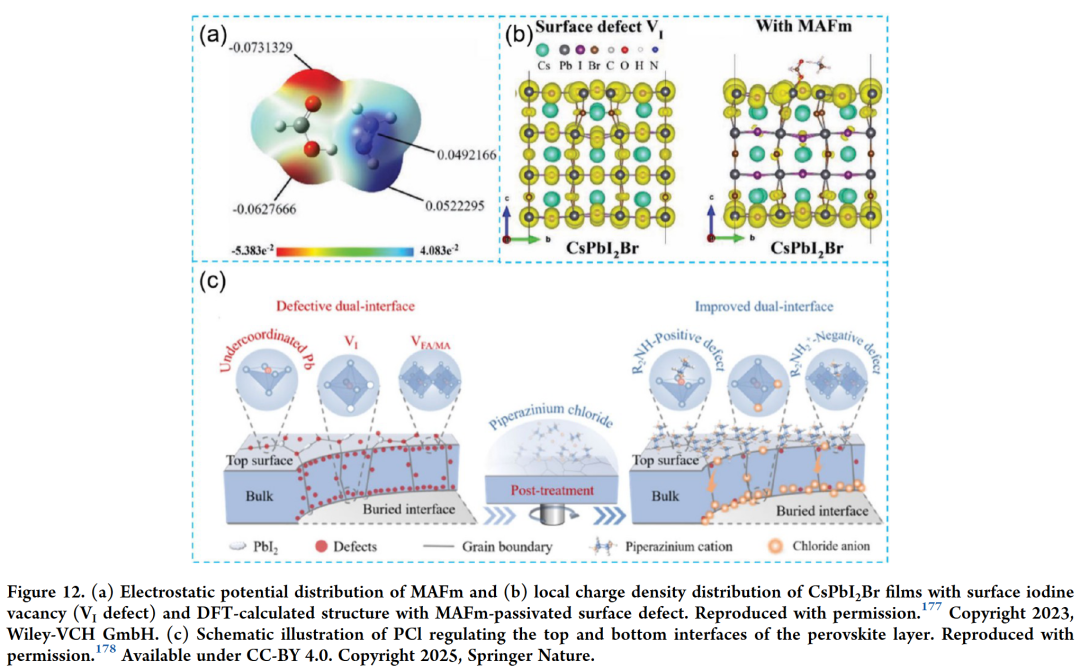
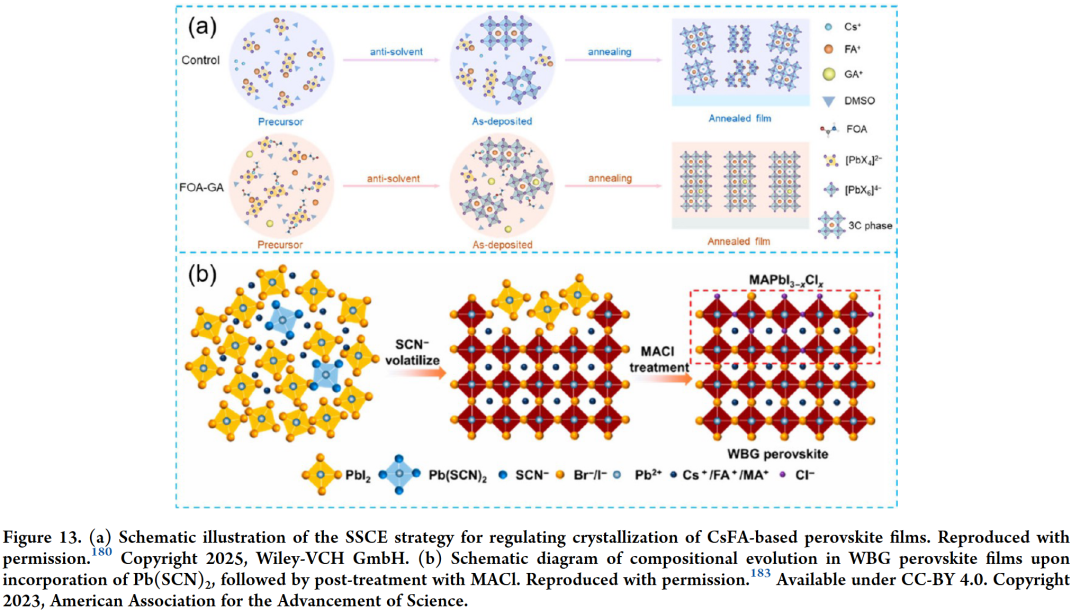


Paper Summary
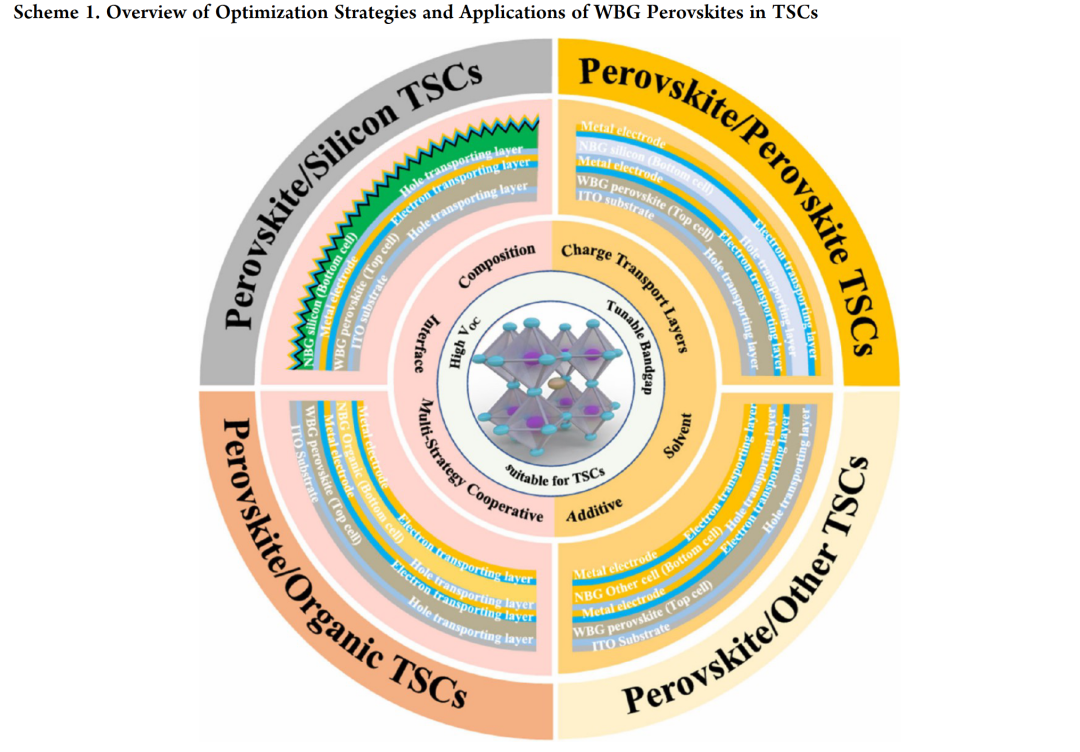
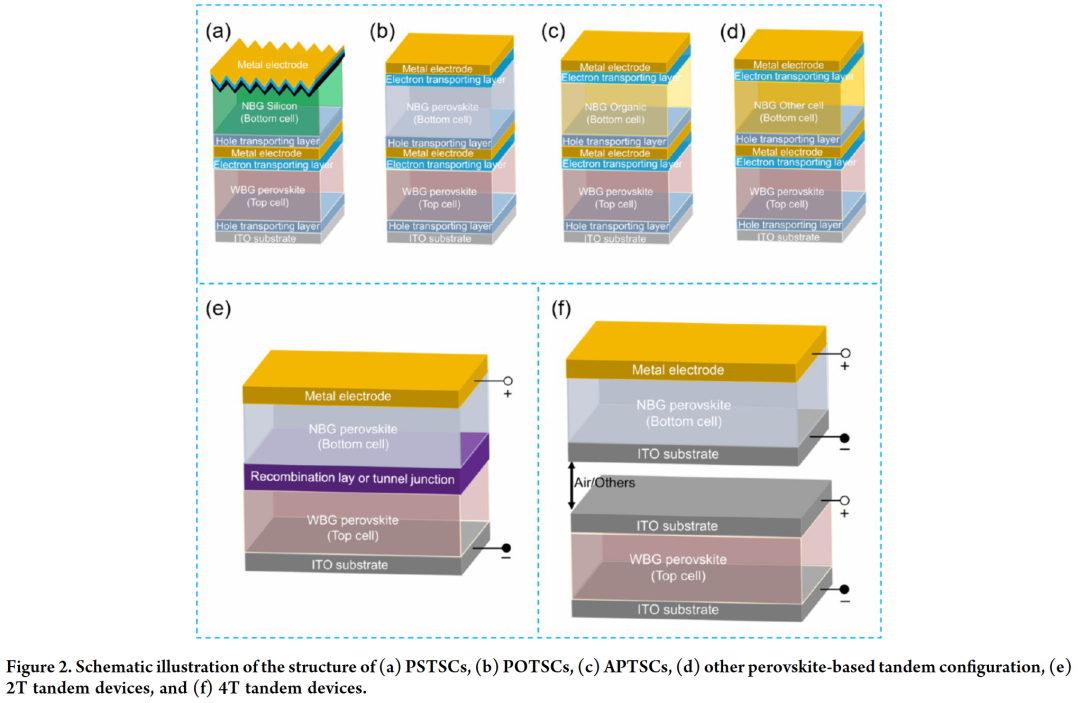
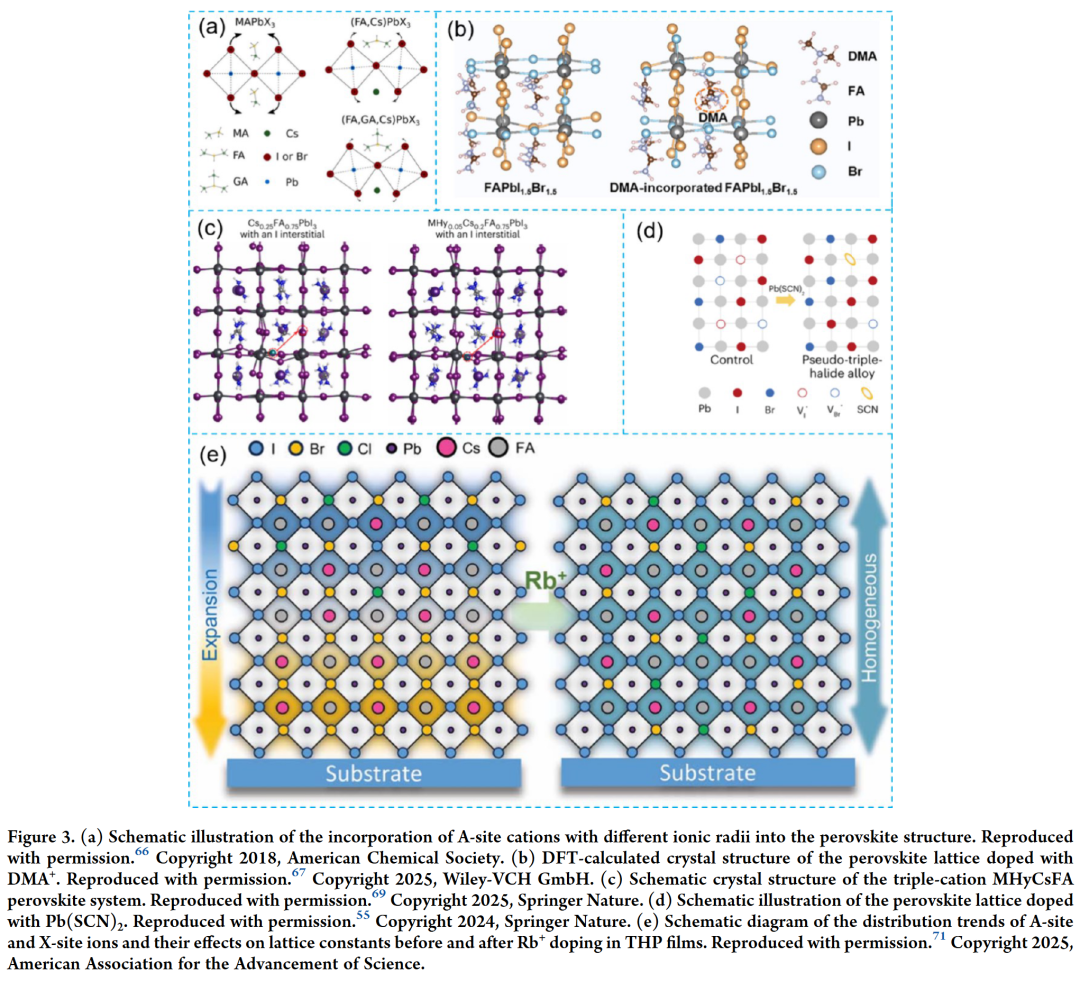
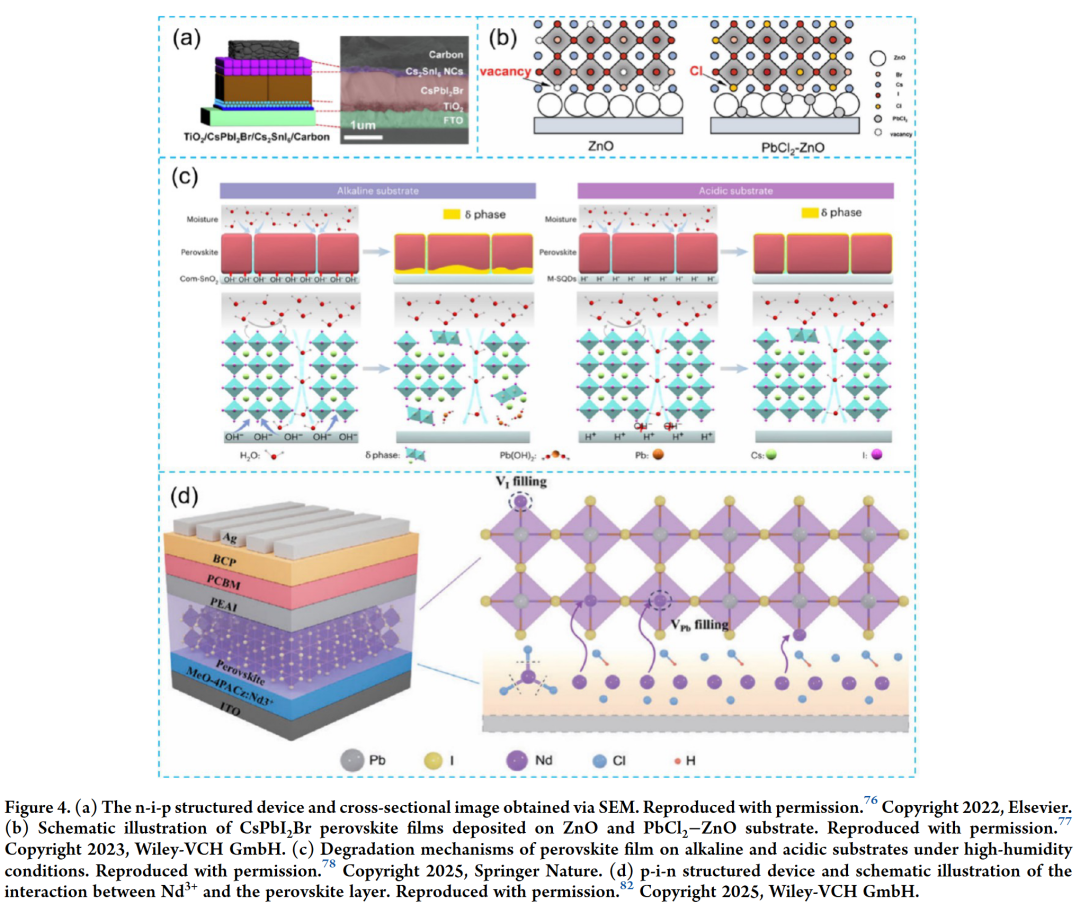
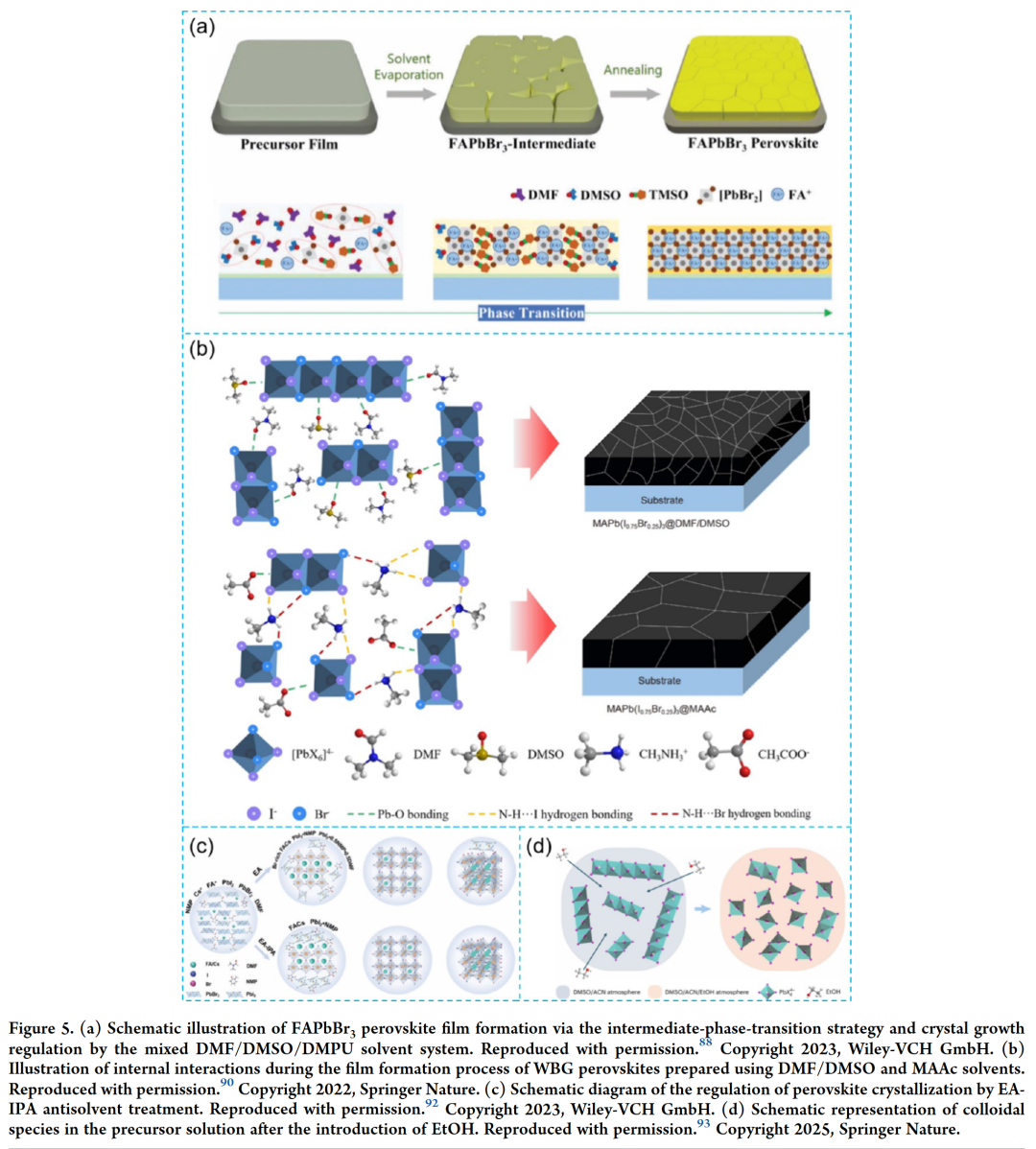
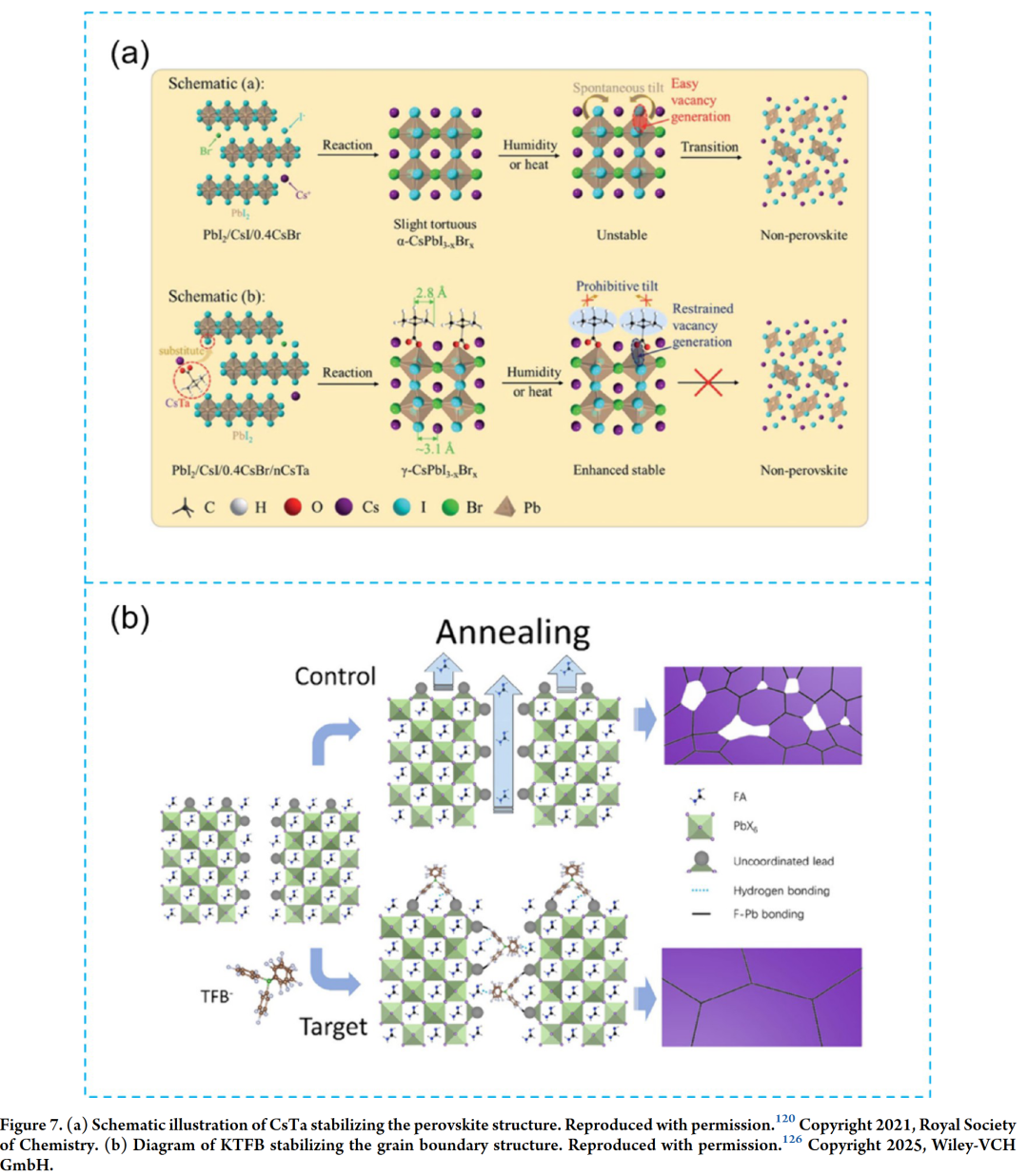
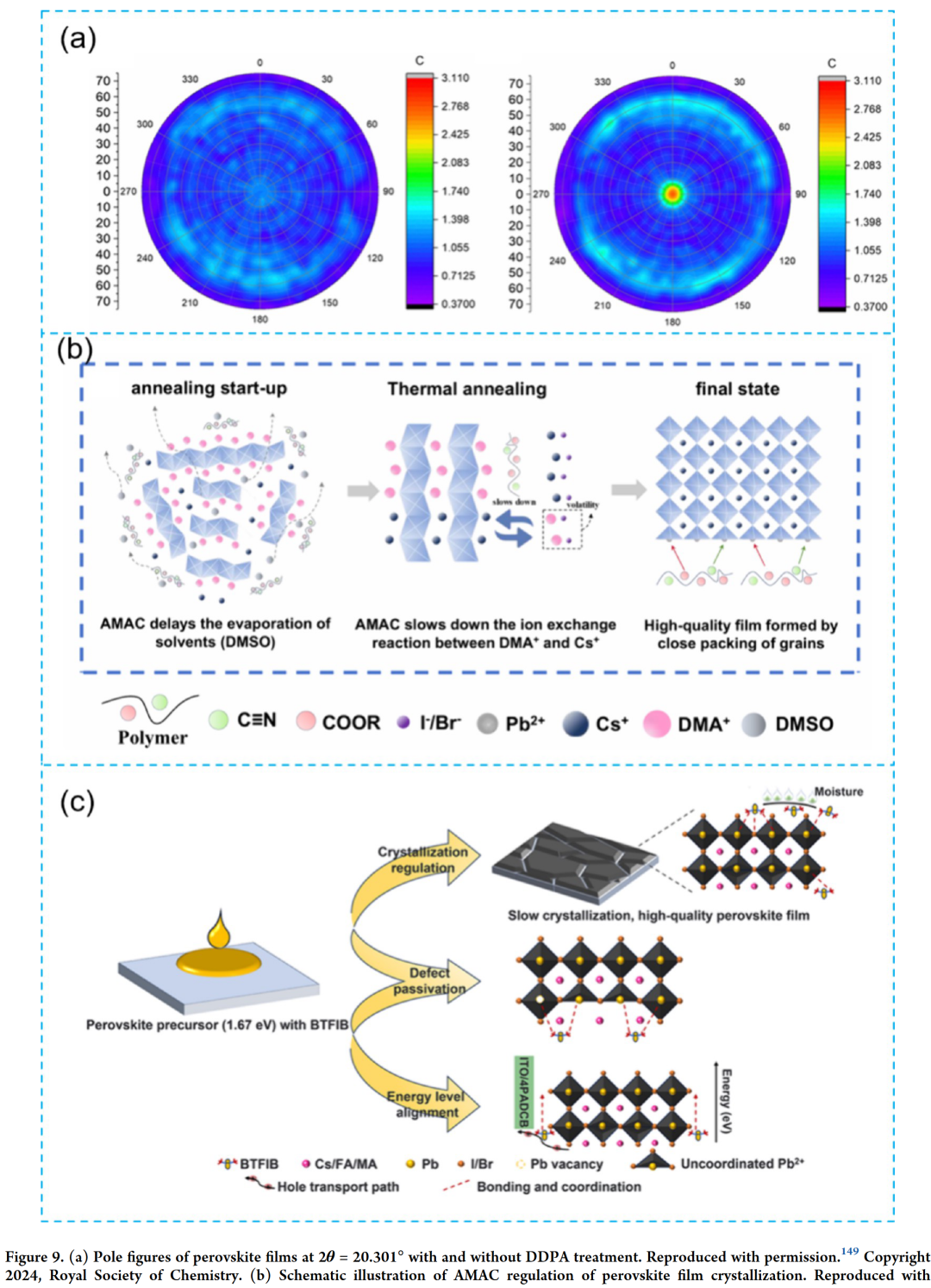
Wide bandgap perovskite solar cells have become a key component in achieving high-efficiency stacked photovoltaic devices. With the certified conversion efficiency of perovskite/silicon stacked cells reaching 34.9%, wide bandgap perovskite (Eg > 1.65 eV) provides a feasible path to break theoretical limits by enhancing spectral splitting capabilities and reducing carrier thermalization losses. However, significant open-circuit voltage losses and photogenerated phase separation phenomena severely restrict the development of wide bandgap perovskite cells. Through optimization strategies targeting components, charge transport layers, solvents, additives, and interfaces, as well as multi-strategy collaborative engineering, substantial progress has been made in overcoming these limitations. This review systematically outlines the key performance enhancement strategies in the development of wide bandgap perovskite cells, deeply analyzes the research progress of perovskite/silicon, perovskite/perovskite, perovskite/organic, and other perovskite-based stacked cells, and critically analyzes the existing bottlenecks that restrict the performance of wide bandgap perovskite cells and perovskite-based stacked cells, proposing forward-looking solutions with guiding significance.
Paper Link
https://doi.org/10.1021/acsenergylett.5c03639
World Record for Silicon-Based Solar Cells
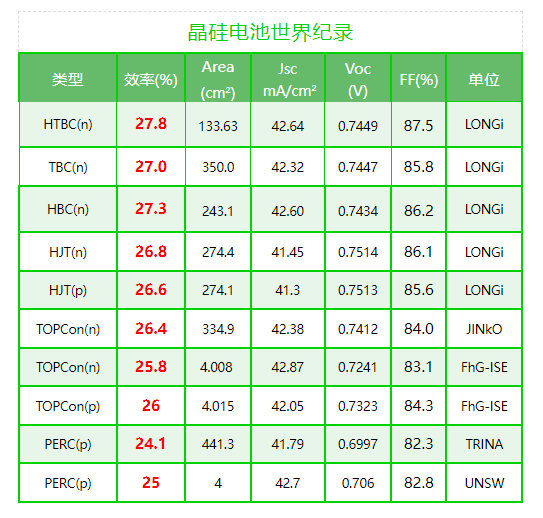
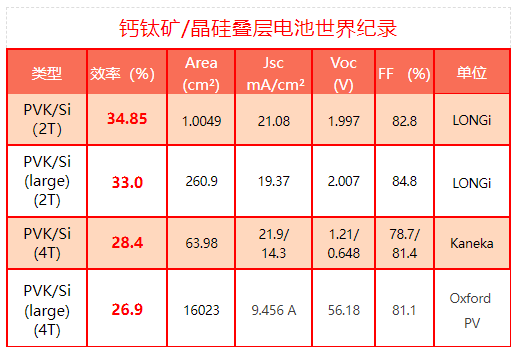
The above data is partially sourced from NREL and the Martin Green Solar Cell Efficiency Chart (66th Edition)Link 1:https://www.nrel.gov/pv/interactive-cell-efficiency.htmlLink 2:https://doi.org/10.1002/pip.3831Original and reprinted articles are for academic sharing only. If there is any infringement, please contact for deletion.
For submissions, daily literature access, business cooperation, and academic exchanges, please click the “Send Message” button below to privately message the editor.