Researchers from the University Medical Center Utrecht in the Netherlands have published an article titled “Adaptive and context-aware volumetric printing”.This research introduces a novel 3D printing technology called GRACE, which features characteristics completely different from existing processes. Current 3D printing technologies rely on human input, CAD models, and preset processes to achieve layer-by-layer manufacturing; however, this new technology can actively perceive the printing environment, internal characteristics of the printing materials, and other “surrounding contextual information”, dynamically adjusting the printing strategy based on this information, which is fundamentally different from the traditional method of passively executing preset CAD model instructions.
 What is the significance of this new technology? Will traditional processes be eliminated?GRACE technology was born out of what needs?Traditional processes will not be eliminated. 3D printing technology has greatly changed the research process in the biomedical field, but the functionality of the medical tissues and organ systems produced is directly related to the structural design of the system itself and the relative positions of its components. Traditional 3D printing processes cannot accurately control the distribution patterns of these critical elements, making it extremely difficult to further enhance the overall functionality of the system.
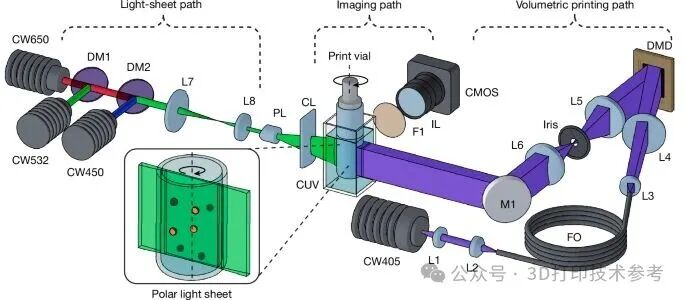 The custom volumetric printer used in this study employs a 405-nanometer laser source, coupling the beam into a square core optical fiber to form a flat-top intensity distribution.
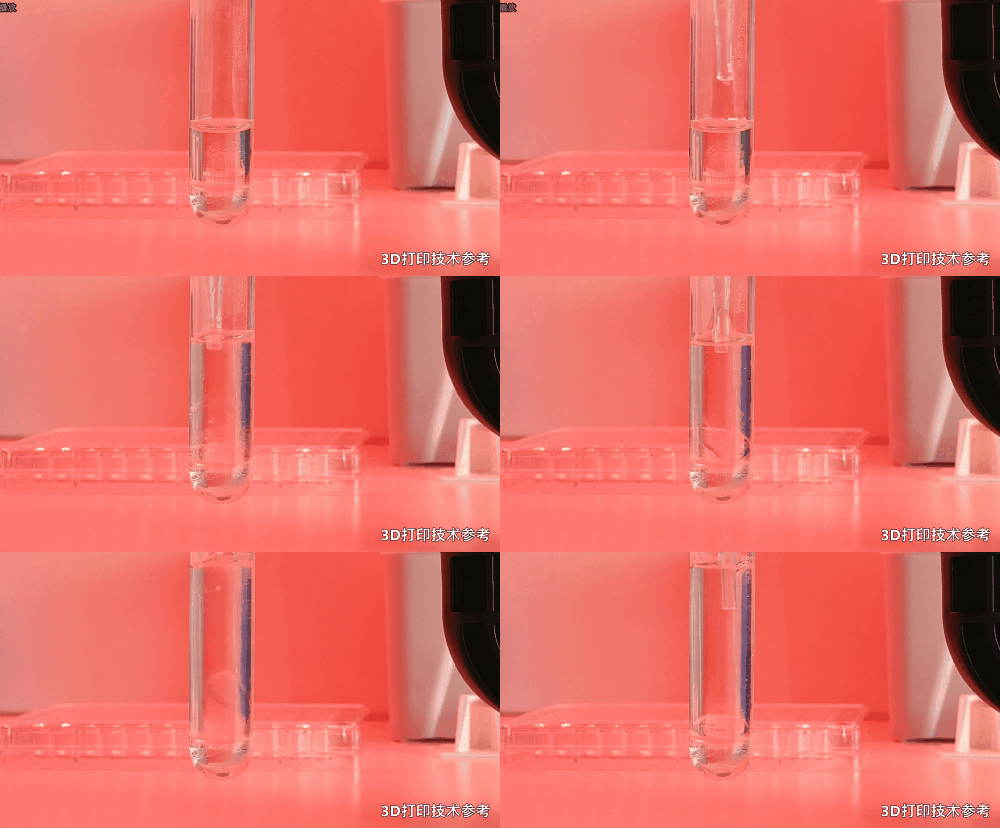
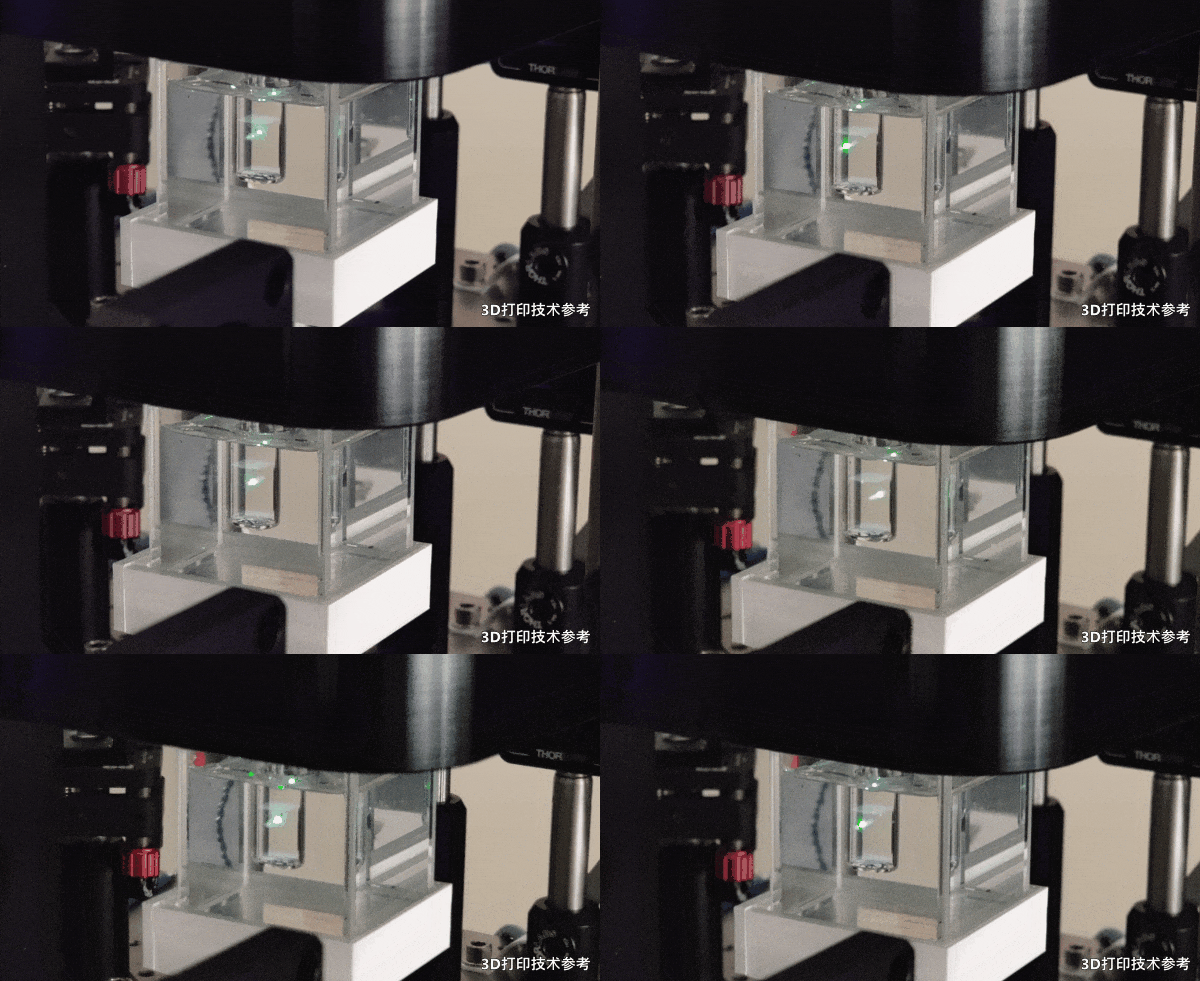 GRACE technology is based on existing volumetric 3D printing processes, deeply integrating 3D imaging, computer vision, and parametric modeling, enabling the system to possess multi-dimensional environmental awareness capabilities. First, the system captures the printing environment and material characteristics in real-time with high precision using light-sheet microscopy, convolutional neural networks or pre-trained models analyze the imaging data to extract key features, and parametric modeling combined with multi-objective optimization algorithms dynamically adjust the printing paths and strategies, forming a closed-loop system of “perception-analysis-decision-execution”.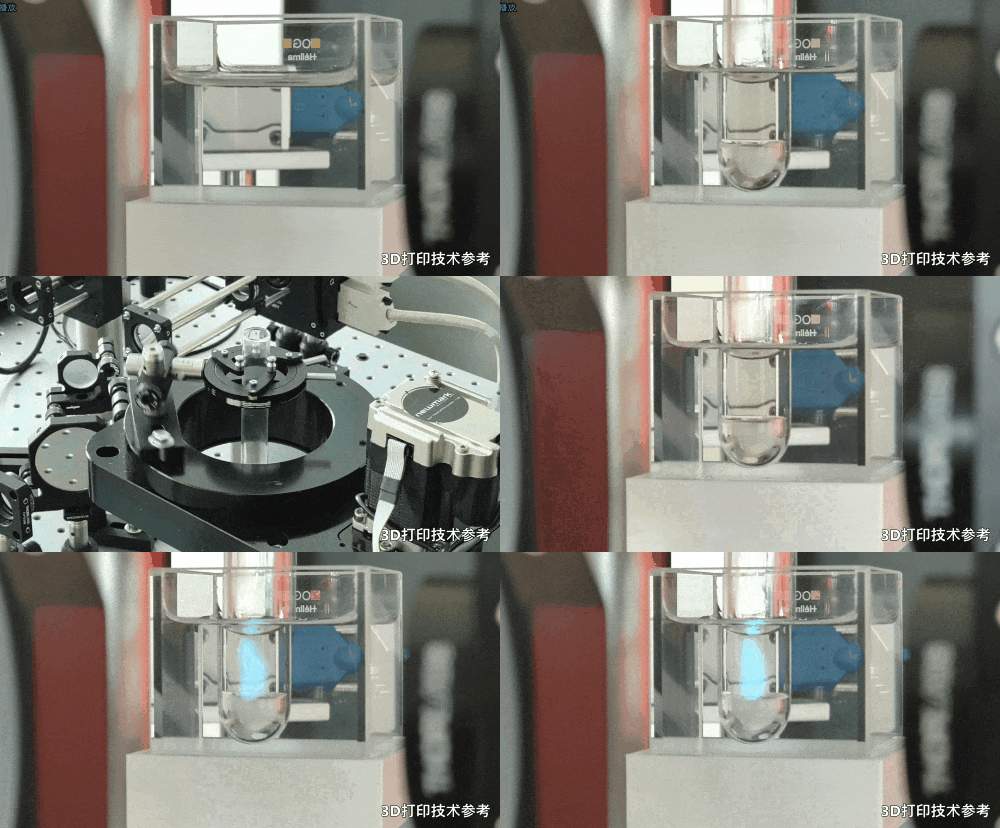
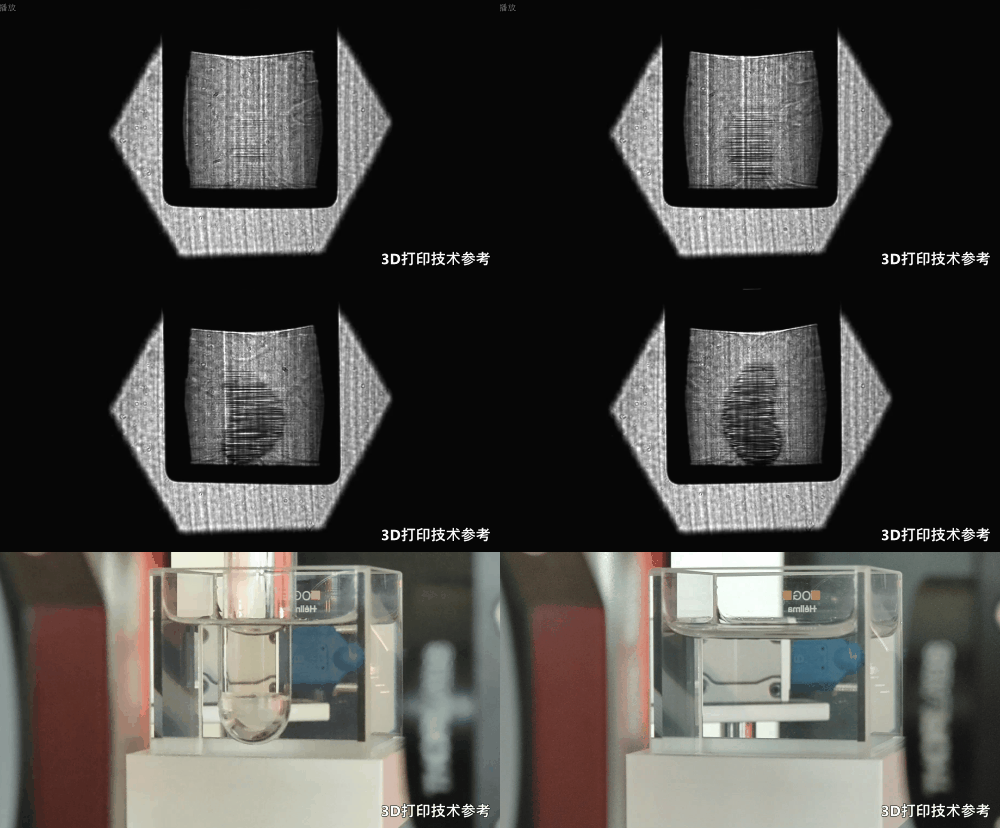
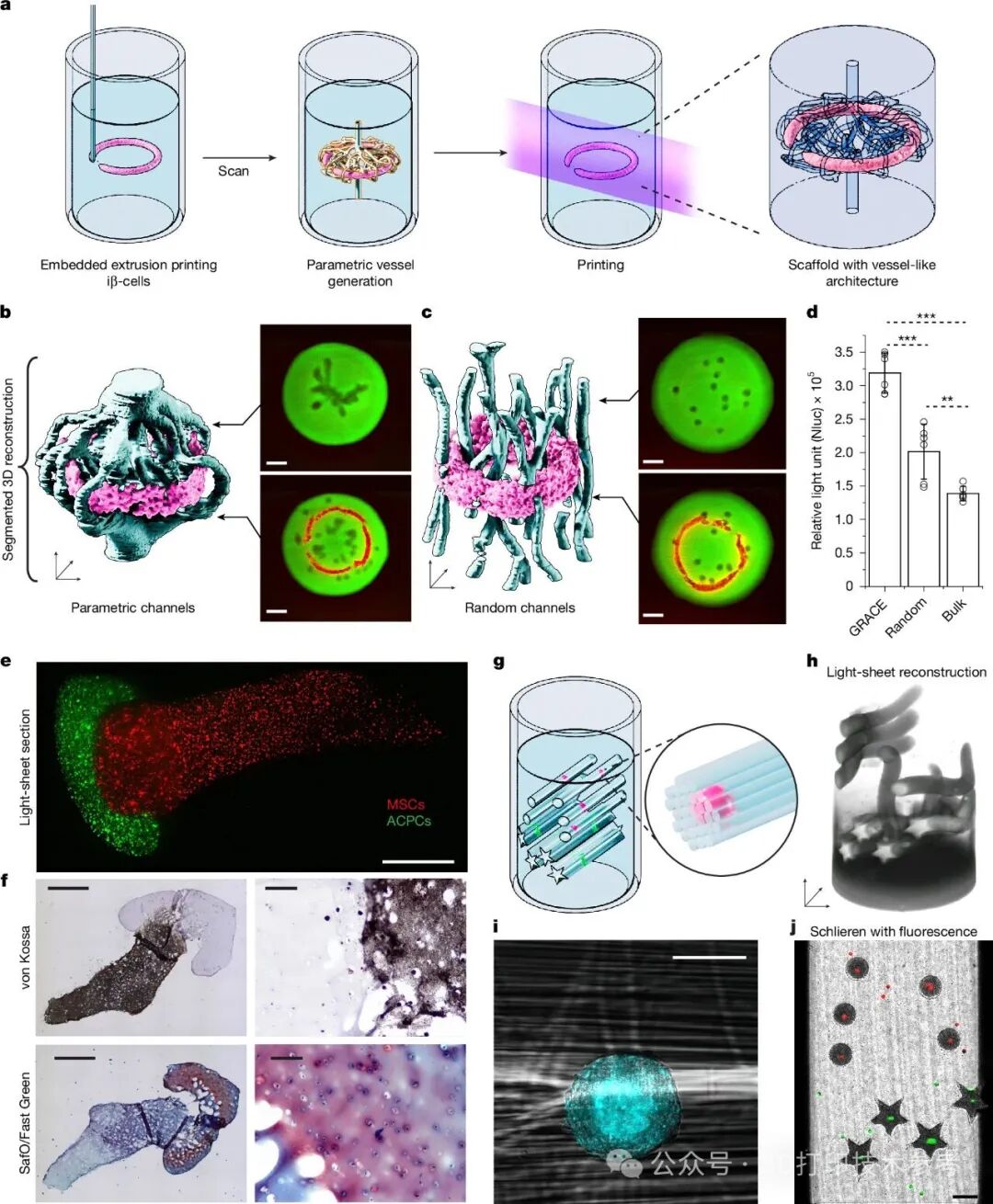
 Such complex functionality relies on the use of numerous sensors. The GRACE system employs pressure sensors, temperature sensors, strain sensors, etc. Moreover, machine learning is a crucial guarantee for the success of this technology. 3D printing technology reference notes that researchers have demonstrated the effectiveness of the system through multiple experiments:Vascularized tissue construction: The system can accurately identify cell distribution and generate vascular networks;
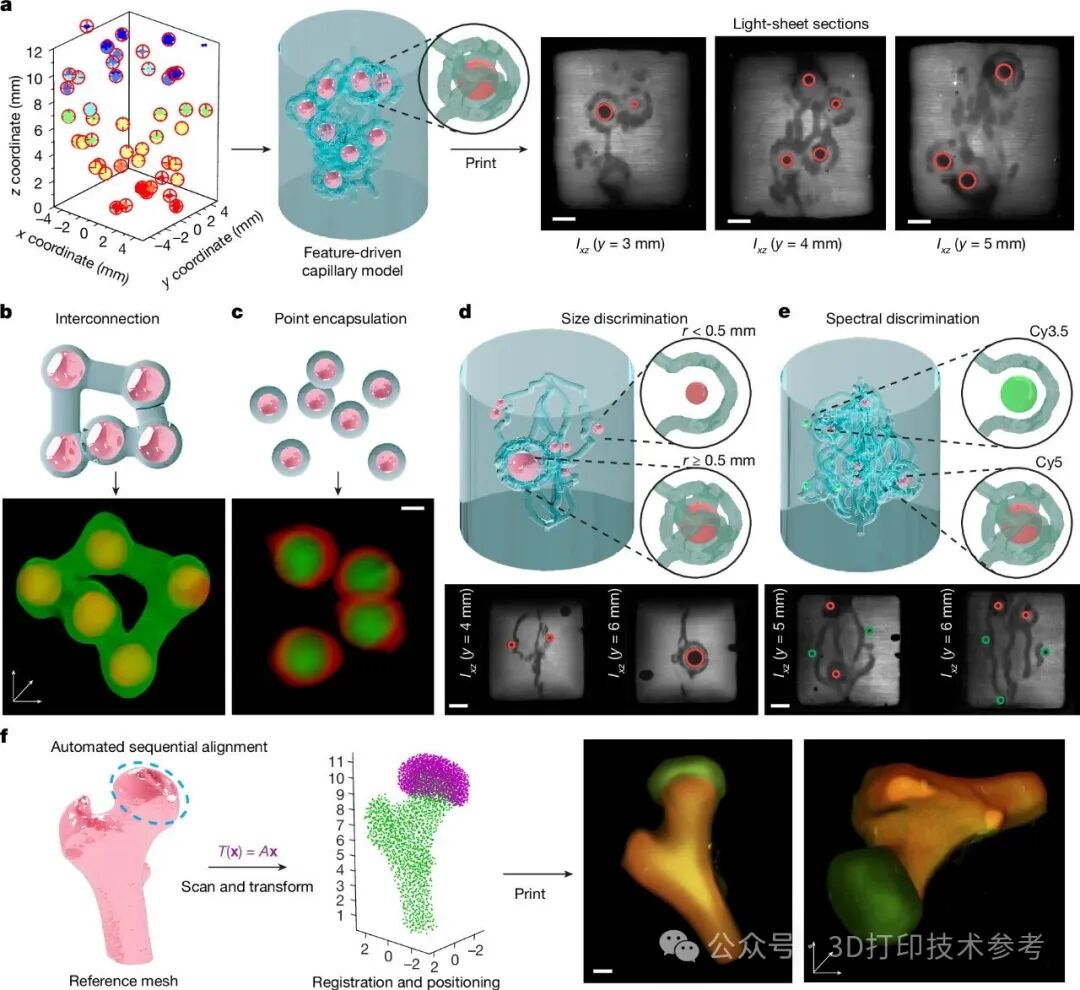
 Cartilage tissue reconstruction: This is the automatic alignment printing of multi-tissue models. The structure of cartilage tissue is extremely complex, and the GRACE technology achieved automatic alignment of the femur model and cartilage, constructing a structure similar to natural bone cartilage.
 Soft robotics: The value of application in this field is reflected in the ability to perform non-invasive printing on existing structures. Researchers successfully printed customized functional sensors and actuators on the surface of soft robots, enhancing their perception and mobility capabilities.
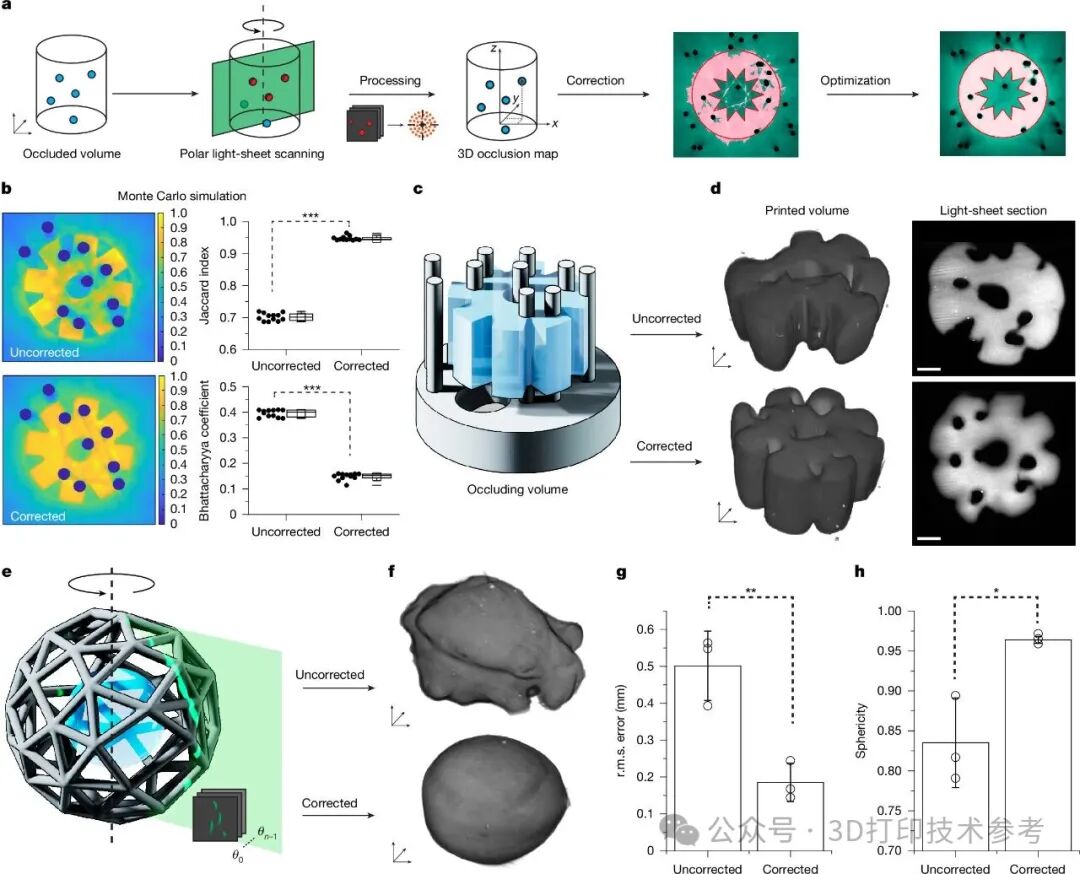 GRACE can quickly and automatically generate complex structures, adjusting directly around features from cellular to macroscopic scales, significantly reducing the required user intervention. In the view of 3D printing technology reference, this has some “intelligent printing” implications, resembling a preliminary attempt at a future technology, where the printer seems to possess its own cognitive ability, autonomously adjusting, providing imaginative space for future 3D printing methods.
Source: 3D Printing Technology Reference