
In today’s digital age, the rapid development of the Internet of Things (IoT) has brought great convenience to people’s lives and production. However, the security issues of IoT devices have also become increasingly prominent. This article will discuss the Kerberos authentication protocol in the EN 18031 certification mechanism concerning IoT devices, ensuring the security of IoT devices.
As a mature network authentication protocol, Kerberos has unique advantages in ensuring network security. Kerberos mainly involves the client, the Authentication Server (AS), and the Ticket Granting Server (TGS). The authentication process is as follows:
1. The client initiates a request to access the application server to the AS, which includes its identity information.
2. After verifying the client’s identity, the AS returns a Ticket Granting Ticket (TGT) to the client, which is encrypted with the client’s key.
3. The client requests a service ticket from the TGS using the TGT. After verifying the legitimacy of the TGT, the TGS issues a service ticket to the client, which contains permission information for the client to access a specific application server.
4. The client uses the service ticket to request services from the application server, which verifies the service ticket before providing services to the client.
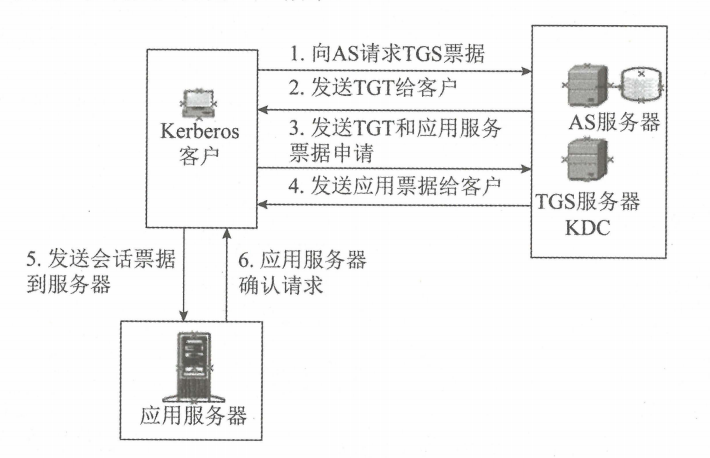
The advantages of the Kerberos authentication protocol mainly include two aspects. First, it can reduce the risk of key exposure: Kerberos transmits identity authentication information in the form of tickets, so the client does not need to send keys directly to the application server, significantly reducing the probability of key exposure. For IoT devices, key security is crucial; once leaked, control over the device may be lost. Secondly, it features single sign-on: after obtaining the TGT, the client can use it to obtain service tickets for different application servers, achieving single sign-on. In the IoT environment, this can improve device usage efficiency and reduce the hassle of repeated identity authentication.
In smart home systems, there are numerous devices such as smart locks, smart lighting, and smart appliances. Taking the example of a user controlling a smart lock via a mobile app, combined with Kerberos authentication and the AUM mechanism of EN 18031, before the mobile app (client) sends an unlock command to the smart lock (application server), Kerberos completes the initial identity authentication to ensure the legitimacy of the app and the lock. Meanwhile, the applicability rules in the AUM mechanism further determine whether the unlock operation meets the requirements of the authentication scenario, such as whether the operation is a sensitive action requiring a higher level of authentication. If the user’s mobile app, during the login process, ensures that the password entered meets the standards based on password strength requirements, it prevents weak password attacks, safeguarding the first step of client identity verification in Kerberos authentication.
The security of data transmission between smart home devices is crucial. For example, when a smart meter transmits electricity data to the home energy control center, Kerberos encrypts the data transmission through its ticket mechanism. The anti-brute-force measures in the AUM mechanism of EN 18031 can prevent attackers from conducting brute-force attacks on the data transmission process, ensuring the stability and security of data transmission.
In hospital IoT systems, when medical monitoring devices transmit patient data to the hospital information system, Kerberos authentication ensures the legitimacy of the data source and the security of the transmission. At the same time, the AUM mechanism of EN 18031 can determine whether the data operation type meets the authentication scenario. For example, when the hospital information system receives patient ECG data transmitted from an ECG monitor (client) (application server), the AUM mechanism determines that this operation is a sensitive action, further verifying the authentication credentials of the ECG monitor, such as checking the strength of the monitor’s password, ensuring the security of patient data transmission.
However, IoT devices have limited resources, and the operation of the Kerberos authentication protocol and related mechanisms of EN 18031 may consume a large amount of device resources, affecting device performance. In response, companies can optimize the Kerberos protocol and develop a lightweight version. For example, simplifying the ticket format and encryption algorithms can reduce resource consumption. Additionally, hardware acceleration technology can be employed to equip IoT devices with dedicated encryption chips to assist in computation.
The network environment of IoT is complex and dynamic, and switching between different networks may affect authentication stability. Adopting network adaptive technology allows the authentication system to adjust parameters and processes based on network changes. For instance, extending the ticket validity period during unstable network conditions can reduce the number of re-authentications. At the same time, strengthening network connection redundancy design ensures smooth authentication.
The combination of the Kerberos authentication protocol and the related security mechanisms of EN 18031 provides comprehensive and in-depth protection for the security of IoT devices. Despite the challenges in application, through technological innovation and optimization, they will play a crucial role in ensuring the security of IoT devices and promoting the healthy development of the IoT industry.
··· Explore · Focus · Leading
Craftsmanship from start to finish, the path of exploration is relentless