 【Live Broadcast Preview】↓↓↓Regarding the usage limit of regular insulin after opening, it has always been a concern for nursing and infection control personnel, especially highlighted by the incidents of shared lipid emulsion among newborns in South Korea and recent hepatitis C dialysis events, which have drawn significant attention. This account has previously discussed this topic.According to the“Guidelines for Insulin Injection Techniques in China” published by the Chinese Medical Association, it states that “studies show that opened insulin can be stored at room temperature and is sterile for use within 28 days, but as storage time increases, the potency of the drug decreases, so the storage time after opening should be minimized.”Insulin product leaflets state: during the usage process after opening, this product does not need to be stored in the refrigerator and can be stored at room temperature (not exceeding 25°C) for a maximum of four weeks, avoiding light and heat.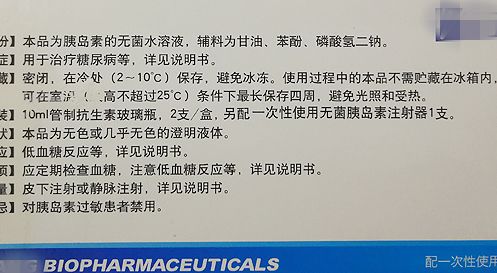
01
Clinical Questions
What? Four weeks (28 days)? Infection control and medical personnel have questions: after opening, can a bottle of this medication, which is repeatedly drawn from daily, be used for four weeks (28 days)? Is there a risk of infection in doing so?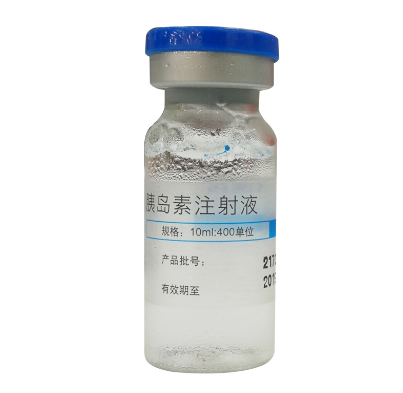
02
Clarifying Two Concepts
To answer this question, we must first explain the concepts of single-dose and multi-dose medications.Single-dose medication (single dose vial): Single-dose or one-time-use medications are intended for parenteral use (injection or infusion) and can only be used for one patient in a single treatment operation. The instructions for single-dose medications clearly indicate that they do not contain preservatives (antimicrobial preservative). Most parenteral medications are single-dose medications.Multi-dose medication (multi dose vial, MDV): refers to liquid medications used for parenteral administration (injection or infusion) that contain more than one dose of medication. The instructions for multi-dose medications should clearly indicate that they contain preservatives (antimicrobial preservative) to prevent microbial growth, but preservatives do not kill viruses and cannot be used to prevent contamination due to inadequate safety injections by medical personnel. Medications such as insulin, heparin, vaccines, lidocaine, palivizumab, and eye drops belong to multi-dose medications.
03
Citing References to Resolve Doubts
The CDC in the USA has provided the following explanations regarding the use of multi-dose medications in their FAQ:
- Multi-dose medications should be used by a single person whenever possible. If multi-dose medications must be shared, they should only be stored in designated medication preparation areas (such as nurse stations) and must not be taken into treatment areas to avoid potential contamination from direct or indirect contact with surfaces and equipment, leading to secondary infections. If multi-dose medications enter treatment areas, they must be used by a single person only.
- From an infection control perspective, all medication preparations should occur in designated medication preparation areas (such as treatment preparation rooms) and not in treatment areas. However, if multi-dose medications need to be taken to patient rooms (such as for barcode medication management), they must be used by a single person only. Patients must be in single rooms, and all medication preparations must occur in designated clean areas, away from potential sources of contamination (such as sinks and equipment in use). After preparation, the medication bottles should be stored as per the instructions, and effective measures should be taken to prevent the medication from being used for other patients and/or cross-contamination.
- The United States Pharmacopeia (USP) makes the following recommendations: If a multi-dose medication is opened or accessed (e.g., by needle puncture), the medication should be labeled with the opening date, and used within 28 days, unless specifically stated otherwise by the manufacturer. The maximum usage period after opening should not exceed the expiration date. When the sterility of multi-dose medications is compromised or cannot be confirmed, the medication should be discarded.
From the above answers, we can understand that commonly used short-acting insulin in clinical settings is classified as multi-dose medication. If the instructions indicate that it contains preservatives, then this insulin can be stored for 28 days after opening, but it must be kept in the medication preparation area and should not be taken into treatment areas, and it should be used by a single person whenever possible.However, considering that the cleanliness of medication preparation areas in many medical institutions is not always satisfactory, it is still recommended to minimize the usage period of opened regular insulin.Additionally, since regular insulin is now all multi-dose, it is advised to strictly follow hand hygiene and aseptic techniques during extraction to reduce contamination during the process. It is recommended that manufacturers produce single-dose types to avoid contamination and potency reduction during multiple extractions (areas such as operating rooms, procedure rooms, anesthesia rooms, procedure carts, patient rooms, or isolation rooms are all considered treatment areas).【Recommended Good Courses】References:1.CDC. Questions about Multi-dose vials.https://www.cdc.gov/injectionsafety/providers/provider_faqs_multivials.html2.CDC. Questions about Single-dose/Single-use Vialshttps://www.cdc.gov/injectionsafety/providers/provider_faqs_singlevials.html3. Learning Standards with Questions: Safe Injection – Insulinhttps://mp.weixin.qq.com/s/6SQdLYVcsxY9gB7iQJD-WQ4. Zhang Lijun, Qiu Feng, Wang Hongmei. Systematic Evaluation of Safety Usage Period for Multi-dose Injection Medications After Opening5. The US Pharmacopeia (USP 2008), A General Chapter<797>Pharmaceutical Compounding Sterile Preparations.Author: Wang ShihaoSource: SIFIC Infection PerspectiveLayout: Oncology Nursing Public Account Guidelines & PPT丨 Nurse Exclusive Question Bank Nursing Public Account丨 Video Account丨 Nurse Exclusive APP丨 Nurse WeChat GroupOnline Preparation, the editor recommends Changbei Guarantee Question BankChapter Questions + Simulation Questions + Past Exam Question BankAll arranged for youLet strength speak! Click here to read the original text and start answering questions