Programmable Logic
Controller PLC
CP-Lab Equipment
PLC (Programmable Logic Controller) is a digital computer specifically designed for industrial automation to control machinery or production processes.
1.Basic Definition
Full name: Programmable Logic Controller (PLC).
Positioning: Replaces traditional relay control systems, featuring programmability, high reliability, and the ability to adapt to harsh industrial environments.
2.Core Functions
Logic Control: Achieves switch control through programming (e.g., equipment start/stop, interlock protection).
Timing/Counting: Precisely controls time operations (e.g., delayed start) or counts events (e.g., product counting).
Data Processing: Processes analog signals (temperature, pressure, etc.) and complex calculations (PID control).
Communication Networking: SupportsModbus, Profibus and other protocols, interacting with HMI and SCADA systems.
Fault Diagnosis: Monitors system status in real-time, records abnormal information for maintenance.
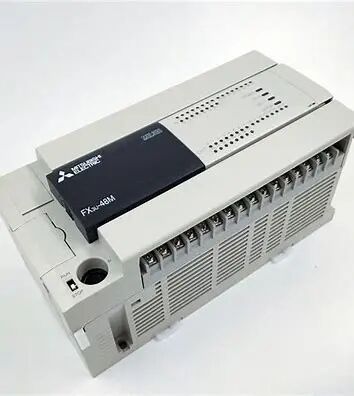
3.Hardware Structure
Central Processing Unit (CPU): Executes user programs and coordinates the work of various modules.
Memory: Stores programs (user-written logic) and data (input/output status).
Input/Output Modules (I/O):
Digital: Processes switch signals (e.g., buttons, sensors).
Analog: Processes continuous signals (e.g., 4-20mA temperature signals).
Power Module: Supplies power to the PLC and external devices.
Communication Interface: Enables connection between the PLC and host computers, other PLCs or intelligent devices.
4.Software and Programming
Programming Language: Ladder Diagram (Ladder Diagram) is the most commonly used, similar to electrical schematics; also includes Instruction List (IL), Function Block Diagram (FBD), etc.
Workflow: Cycles through “input sampling → program execution → output refresh” to ensure real-time performance.
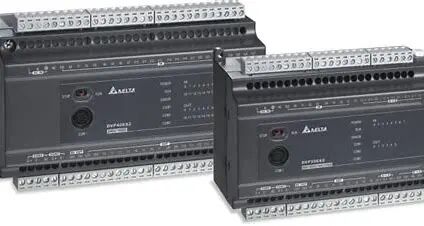
5.Application Fields
Manufacturing: Automotive assembly lines, packaging machinery control.
Power Systems: Substation automation, generator monitoring.
Transportation: Traffic light control, subway door management.
Building: Building automation (HVAC, elevator control).
6.Advantages and Features
Flexibility: Program modifications do not require hardware adjustments, adapting to rapid changes in production lines.
Reliability: Shock-resistant, electromagnetic interference-resistant, suitable for high-temperature and dusty environments.
Modularity: Expandable I/O modules and communication modules to meet different needs.
Easy Maintenance: Self-diagnostic functions quickly locate faults, reducing downtime.

7.Comparison with Other Systems
Microcontrollers: Low cost but complex development, insufficient reliability, suitable for small-scale control.
DCS: Suitable for large process control (e.g., refineries), while PLC excels in discrete control.
Industrial PCs: Powerful functions but poor environmental adaptability, PLC is superior in stability.
8.Typical Brands and Protocols
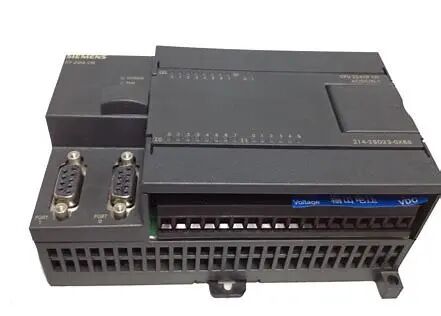
Brands: Siemens (S7 series), Mitsubishi (FX/Q series), Rockwell (Allen-Bradley).
Communication Protocols: Modbus TCP, Profinet, EtherNet/IP, supporting integration with Industrial Internet of Things (IIoT).
PLC is the “brain” of industrial automation, achieving precise control of devices through programmable logic, combining flexibility and robustness. Its modular design and powerful communication capabilities make it a core component of smart manufacturing and Industry 4.0.
END